

- Beautyrest Alternatives: What Else Delivers the Luxury Feel? - August 12, 2026
- The Best Tempur-Pedic Alternatives in 2026: Same Feel, Better Value - August 3, 2026
- Why Do I Wake Up Hot at Night? Causes, When To Worry, and What Actually Helps - July 6, 2026
Dermatologists and beauty editors have talked about silk pillowcases for years, and for good reason. Silk is smooth, there’s less friction against your skin while you sleep, and users swear that they wake up with less creasing and skin irritation.
On the other hand, there are some real drawbacks to using silk pillowcases:
- They’re expensive
- They really should be hand-washed or dry-cleaned
- They’re prone to snagging
- They don’t hold up well over time if you machine-wash them
For that reason, people often look for alternatives that offer the same advantages but fewer disadvantages. There are less expensive pillowcases, and some with more breathability. And silver-infused fabric does something that even silk can’t do: it addresses the issue of bacteria that builds up on your pillowcase night after night.
The following are the main alternatives and how they compare, so you can decide which pillowcases are best for your sleep setup.
Why Silk Is Recommended for Skin in the First Place
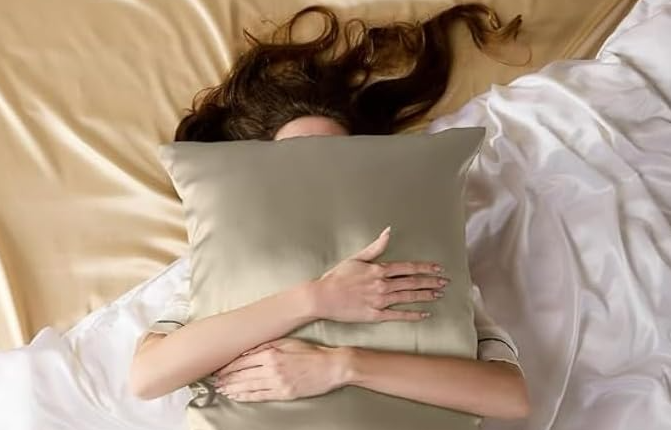
It’s important to understand why silk is so highly recommended. The main benefit is surface friction. Cotton pillowcases, especially the least expensive ones, can tug at your skin during the night if you shift positions.
This creates friction that can lead to sleep lines and stress on your skin that would otherwise be trying to repair itself. The smooth, tightly woven surface of silk reduces that friction.
The second most popular reason people choose silk regards moisture. If you apply serums and moisturizers to your face before bed, cotton is likely to absorb them instead of allowing them to remain on your skin to do their job. Silk is less absorbent than cotton, so it’s less likely to interfere with nighttime skin care routines.
These are two understandable benefits, but silk is not the only material that can address these issues. That’s why it’s important to look at alternatives.
How the Alternatives Stack Up: A Quick Comparison
| Friction Reduction | Breathability | Antimicrobial | Washability | Price Range | |
| Silk | Excellent | Good | None | Delicate | High |
| Satin | Excellent | Low | None | Easy | Low |
| Bamboo | Good | Excellent | Mild (fades) | Easy | Mid |
| Silver-Infused (Miracle) | Good | Good | Strong, lasting | Easy | Mid-High |
1. Satin Pillowcases: A Budget-Friendly Option
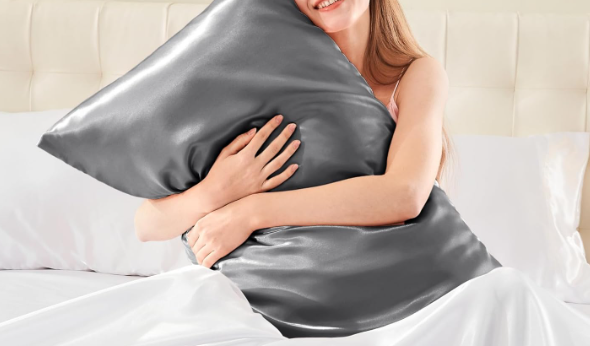
Satin looks and feels quite similar to silk, at least on the surface. It has the same smooth, slightly cool finish, making it the most common silk alternative. An added benefit is that it costs a fraction of the price of silk. Satin pillowcases can be purchased for under $20, whereas silk pillowcases may cost $50 to $100 or more for high-quality options.
What It Does Well for Skin:
Satin has the same smooth, low-friction surface as silk. That’s primarily due to the weave structure they both share, not the actual fiber itself. If your primary concern is reducing sleep creases and drag on the skin, satin is a perfectly acceptable, less expensive way to achieve that.
The Trade-Off:
Being made from synthetic fibers (often polyester) results in a less breathable pillowcase than one made of natural materials. For people who tend to get hot at night or live in warm climates, this can be a deal-breaker.
Being a hot sleeper disrupts the sleep cycle, preventing deep sleep (which is the most restorative), and that’s certainly not good for your skin. Satin is also not the most durable material, and natural fiber alternatives surpass it in durability.
Best For: Budget-conscious consumers who don’t run hot at night and whose main concern is reducing friction.
2. Bamboo Pillowcases: The Breathable Middle Ground
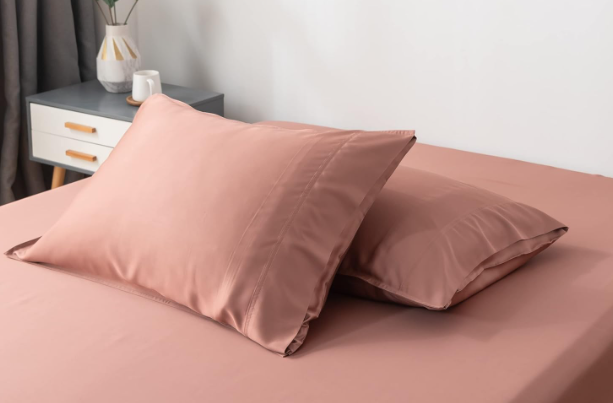
Over the last decade, bamboo-derived fabric (most commonly called bamboo viscose or bamboo rayon) has become popular, and for good reason. It lies in a middle-ground space between cotton, silk, and synthetic satin: it’s softer and more breathable than cotton, more durable and washable than silk, and easier on the skin than synthetic satin.
What It Does Well for Skin:
While it’s not as smooth as silk, bamboo fabric does reduce friction. It’s also highly breathable and moisture-wicking, which means it helps regulate temperature and keeps sweat from sitting on your skin as you sleep. Some bamboo fabrics even have natural antimicrobial properties (which is beneficial for facial skin), however these properties tend to diminish with repeated washing.
Breathability is significant. Staying cool while sleeping isn’t just about being comfortable: it also affects sleep quality and skin repair. If your pillowcase keeps you at a comfortable temperature, there are definite benefits to your skin that go beyond just surface friction.
The Trade-Off:
While bamboo is less costly than silk, it’s more expensive than satin. The quality of bamboo also varies greatly, so don’t rely on the fabric name alone (read the product details). While it’s more gentle than regular cotton, it doesn’t offer the specific antimicrobial performance of silver-infused fabric.
Best For: Individuals who are looking for a breathable, skin-friendly option, are hot sleepers, and have a mid-price budget.
3. Silver-Infused Pillowcases: The Alternative No One Talks About (But Should)
It’s hard to understand why silver-infused fabric is rarely discussed as a typical alternative to silk pillowcases. That is likely because silver-infused pillowcases address an issue that other pillow companies don’t even approach: the bacterial environment on your pillowcase.
Think about it. Over the course of a week, your pillowcase collects:
- Dead skin cells
- Sweat and sebum
- Residue from hair products
- Traces of makeup
In a warm, slightly moist environment, bacteria thrive. If you have sensitive skin or are acne-prone, abundant bacteria are the last thing you need on your skin all night. Silk, satin, and bamboo do not actively prevent bacterial growth. All you can do is wash them more frequently, which affects durability and increases your laundry load.
Silver-infused fabric is different. Silver is a natural antimicrobial agent and inhibits bacterial growth directly in the fabric. This reduces the number of bacteria that come into contact with your skin every night and, as an added benefit, reduces how often you have to do laundry.
What It Does Well for Skin:
It reduces the bacterial load, which is a major plus for acne-prone skin in particular. Bacteria can be an enormous contributor to acne breakouts. This doesn’t mean that silver-infused pillowcases can totally replace your skin care routine, but they will remove one important source of a nightly enemy to your skin that silk, satin, and bamboo do not address.
The Trade-Off:
While it’s true that silver-infused pillowcases are more expensive than satin and bamboo, this may be offset by reduced washing frequency and, therefore, a longer product life. Also, the feel between silk and silver-infused is different: silver-infused is smooth and comfortable, while silk has a cool, ultra-smooth feel.
Best For: Acne-prone skin, skin irritation, and people who really care about a cleaner sleep alternative, not just surface comfort.
The Miracle Made Pillowcase: Our Top Silver Pick
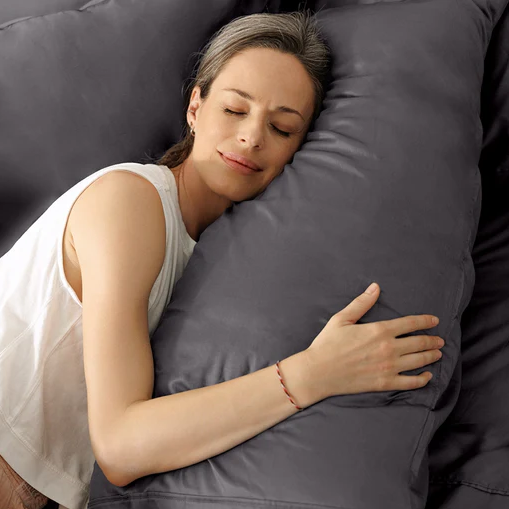
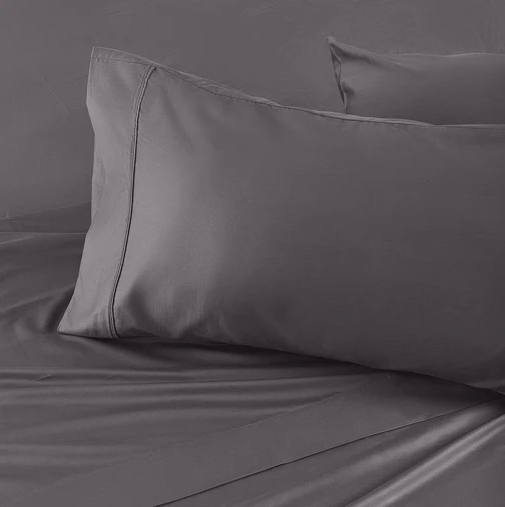
Among silver-infused pillowcases, Miracle Brand’s Luxe pillowcases stand out as the most advanced option. The fabric is made from Oeko-Tex-certified 100% cotton and treated with a Swiss-engineered silver finish. These pillowcases are designed to reduce odor-causing bacteria by up to 99.7 percent. Miracle claims it stays fresh three times longer between washes than untreated cotton.
The base material is 300-thread-count cotton in a smooth sateen weave, which feels soft from the very beginning and is designed to hold up over time. Unlike silk (which does best with hand washing or dry cleaning), Miracle Made pillowcases are completely machine washable, which makes a huge difference for many people.
- Instantly cool to the touch: An added cooling treatment creates a noticeably refreshing feel the moment you lie down, so your pillow stays cool and comfortable through the night.
- Refined weave: Crafted from breathable 100% cotton in a smooth sateen finish, so it feels softer, silkier, and more inviting against your skin.
- Stays cleaner longer: Silver-treated cotton helps reduce up to 99.7% of odor-causing bacteria, so what touches your skin is always fresh.*
- 3x less laundry: When your pillowcase stays fresher longer, you don’t need to wash it as often. Fewer loads, less upkeep, same just-washed feel.*
- Safe for sensitive sleepers: OEKO-TEX certified cotton made without harsh chemicals, because what touches your face every night should feel gentle, not irritating.
Pricing:
- Standard Luxe pillowcases: around $61 for two
- King-size Luxe pillowcases: around $69 for two
- Extra Luxe (more refined weave and enhanced cooling): starting at $69 for standard, $75 for king
For shoppers looking for pillowcases that are best for their skin, the price is well worth it. By using Miracle silver-infused pillowcases, you are doing something very different from using a standard cotton or satin pillowcase. The antimicrobial performance isn’t just an afterthought: it’s built into the fabric itself and backed by third-party certification of the material.
Which Alternative Is Right for You?
The answer, of course, depends on you and what you’re looking for and what skin concern you’re trying to solve.
- If you’re mainly concerned about friction and sleep lines, satin is a cost-effective option. It has a smooth surface, but it’s much less expensive than silk, and easy to find and replace. If friction is your only problem, why pay more?
- If you’re a hot sleeper and therefore care a great deal about breathability and temperature regulation, bamboo might be your strongest choice. It’s soft, breathable, and, over time, more durable than satin.
- If your skin concerns involve skin sensitivity, acne breakouts, or irritation that you can’t attribute to anything else, you should take silver-infused products seriously. It’s the only option that makes the bacterial environment you’re sleeping on a priority. That’s a benefit that the other pillowcases can’t match.
If you’re wondering why you haven’t read much about silver-infused pillowcases, they don’t show up in most silk alternative articles. That’s because they are a newer category, and most conversations about pillowcases have focused on friction reduction (which is not the most important feature of silver-infused pillowcases).
But if your skin concerns go beyond surface texture, silver-infused products have a genuinely different approach. They address what happens on your pillowcase all week, not just the first night.
The Right Pillowcase Is Out There for You
A pillowcase that’s perfect for someone dealing with chronic breakouts isn’t necessarily the best choice for someone whose only concern is waking up with pillow creases.
That’s actually good news: it means there’s a suitable option for most people, at most budgets, without having to compromise on what matters most to you personally.
So think about what’s been bothering you. If your mornings involve more skin irritation or lines than they should, that’s worth solving. If you’re constantly hot at night and it’s affecting how rested you feel, that’s worth solving too.
A pillowcase is a small, low-stakes change that you make once and then benefit from every single night. Few upgrades to your routine offer that kind of return.