



- The Best Mattresses for Side Sleepers: 5 Picks That Deliver on Support and Comfort - April 22, 2026
- The Best Mattress for Back Pain: What Works and What to Look For - April 16, 2026
- Best Hybrid Mattresses - April 3, 2026
Waking up with back pain is often a sign that your mattress isn’t doing its job. I went through it longer than I should have, blaming my posture and stress levels until it became obvious that my mattress was a large part of the problem.
Of course, the right mattress won’t fix everything, but it can make a noticeable difference to your back pain by keeping your spine aligned, reducing pressure buildup, and helping your body fully relax overnight.
The goal is simple: keep your spine in a neutral position and reduce strain while you sleep.
That usually comes down to three things:
- Support and alignment: A good mattress keeps your spine level from head to hips. If your hips sink too far or your shoulders don’t sink enough, your back compensates in awkward ways, resulting in stiffness and that dull ache you feel when you get out of bed.
- Pressure relief: If pressure builds up around your shoulders and hips, your body keeps shifting, preventing proper rest and keeping your muscles slightly tense. This is often the reason you wake up feeling like you never fully settled, even if you slept for enough hours.
- The right balance for the right position: Side sleepers need more cushioning so that the shoulders and hips can sink in without pulling the spine out of line. Back sleepers need even support to keep the lower back from arching. Stomach sleepers need firmer support to stop the hips from dipping too far into the mattress.
With that in mind, let’s take a look at some of the best mattresses that succeed on these fronts.
At a Glance
| Mattress | Best For | Firmness | Price | Why It Stands Out |
| Helix Midnight Luxe | Overall relief of back pain | Medium | $1,900–$2,400 | Zoned support with an optional lumbar layer for better alignment |
| Leesa Sapira Chill Hybrid | Side sleepers | Medium-soft | $1,800–$2,300 | Cushions shoulders and hips without losing support |
| Brooklyn Bedding Signature Hybrid | Budget shoppers | Medium (varies) | $900–$1,300 | Solid support at a more accessible price point |
| Saatva Classic | Firmer support | Medium-firm to firm | $1,600–$2,300 | Traditional, structured support with strong lift |
| WinkBed | Heavier sleepers | Medium-firm to firm | $1,700–$2,400 | Reinforced support for durability and alignment |
| Nolah Evolution 15 | Pressure relief | Medium-soft | $1,700–$2,300 | Plush feel with strong pressure relief |
Best Overall: Helix Midnight Luxe
- Firmness: Medium
- Price Range: $1,900–$2,400
- Sizes: Twin to California King
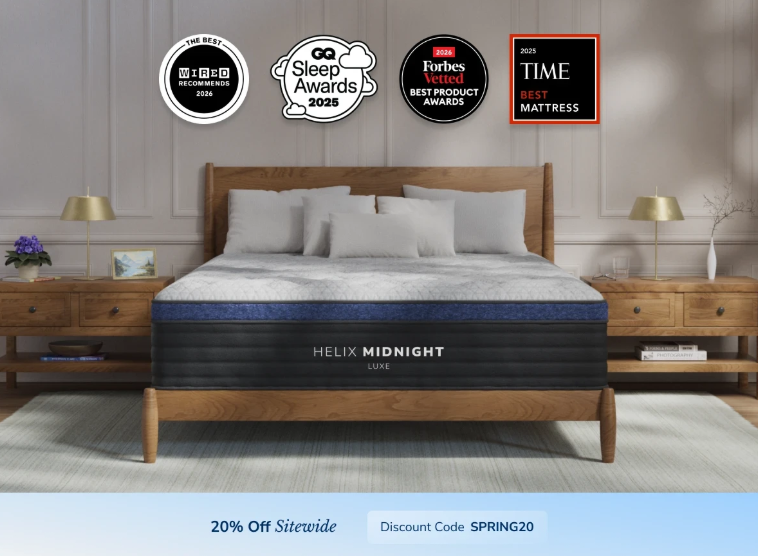
The Helix Midnight Luxe works by combining targeted zoned support with balanced surface comfort. The centre of the mattress is reinforced to reduce hip sink, which helps keep the spine in a neutral position through the night. This is especially important for lower back pain, where small alignment shifts tend to build into morning stiffness.
At the same time, the comfort layers provide enough contouring to reduce pressure through the shoulders and hips without compromising the underlying structure. This balance is what allows it to feel supportive without becoming rigid.
The optional ErgoAlign layer adds extra lumbar support in the lower back area, helping reduce subtle overnight sagging — which is often what leads to waking up tight or stiff.
Best For
- Back sleepers who need consistent lower back support
- Side sleepers who want balanced support without sinking
May Not Suit:
- Those who prefer very firm mattresses
- People who like a deeply plush feel
- Heavier sleepers needing extra reinforcement
Best for Side Sleepers: Leesa Sapira Chill Hybrid
- Firmness: Medium-Soft
- Price range: $1,800–$2,300
- Sizes: Twin to California King
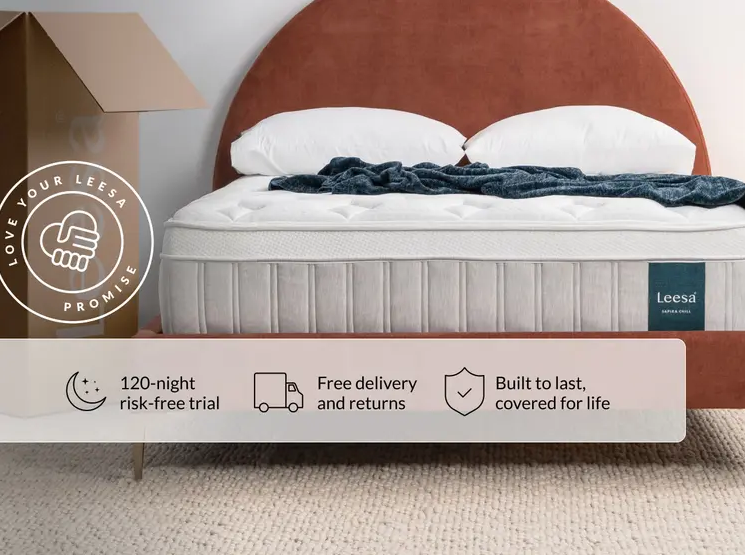
The Leesa Sapira Chill Hybrid prioritises pressure distribution without collapsing support underneath it. This is especially important for side sleepers, who tend to concentrate weight on the shoulders and hips. When those areas are not properly cushioned, the spine is pulled out of alignment in small but consistent ways through the night.
This mattress allows controlled sink in those high-pressure zones while maintaining a stable core through the midsection. That combination reduces the constant micro-adjustments that often lead to waking up with tightness or stiffness.
The feel is softer overall, but it’s not loose or unstable. The underlying coil system maintains structure so that the mattress adapts to your shape without losing its ability to hold alignment over several hours of sleep.
Best For:
- Side sleepers who need pressure relief through the shoulders and hips
- Those who prefer a softer feel
May Not Suit:
- Back or stomach sleepers needing firmer support
- Anyone who prefers a more lifted, responsive feel
- Heavier sleepers
Best for Budget Shoppers: Brooklyn Bedding Signature Hybrid
- Firmness: Soft, Medium, Firm
- Price range: $900–$1,300
- Sizes: Twin to California King
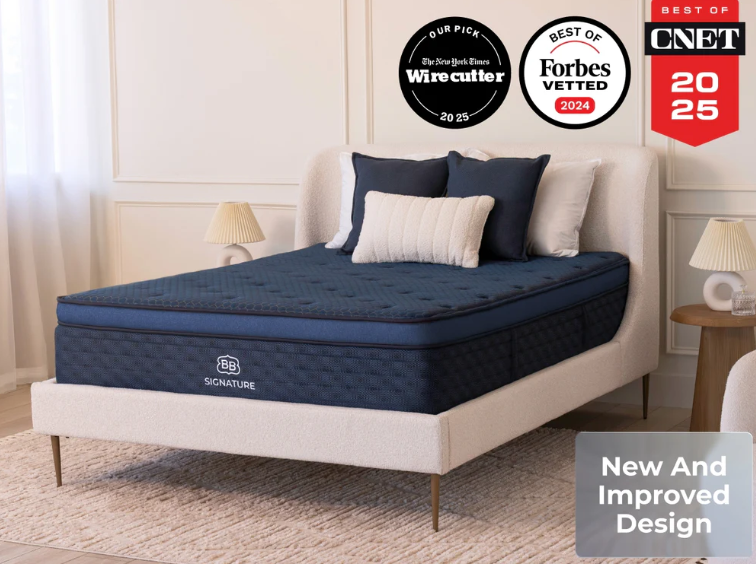
The strength of the Brooklyn Bedding Signature Hybrid is its consistency under simple construction. It avoids the common budget issue of uneven support zones or early-stage sagging by using a balanced hybrid design that distributes weight evenly across the surface.
That even distribution is what really helps with general back discomfort. Instead of certain areas collapsing faster than others, your body stays level enough to reduce strain on the lower back through the night.
It’s not trying to correct posture in a targeted way, but it does prevent the gradual misalignment that happens when the support breaks down unevenly. For many people, upgrading from an older mattress, that stability alone is what creates noticeable improvement in morning comfort.
Best For:
- Budget-conscious shoppers
- Those wanting simple, reliable support
May Not Suit:
- Those wanting a premium or luxe feel
- People with more severe or persistent back pain
- Anyone needing targeted lumbar support
Best for Firm Support: Saatva Classic
- Firmness: Plush Soft, Luxury Firm, Firm
- Price range: $1,600–$2,300
- Sizes: Twin to California King
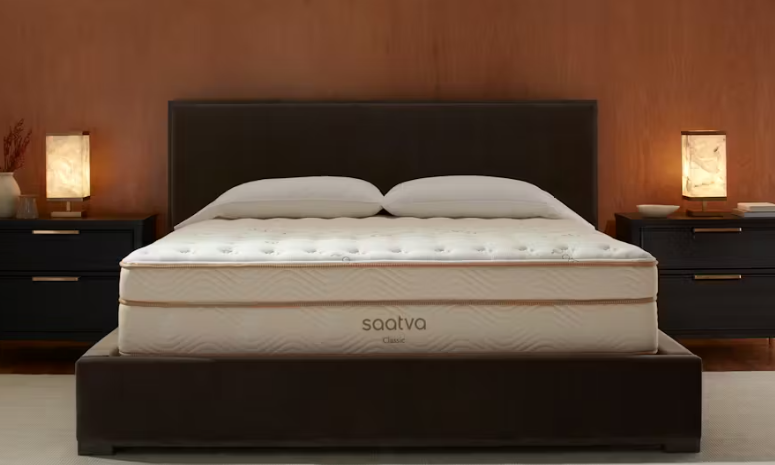
The Saatva Classic works by creating lift rather than contour. The dual coil system supports the body from below and keeps the surface more elevated, which reduces how much the hips sink into the mattress during the night.
This suits people whose back pain improves with a firmer, more stable surface. Instead of allowing gradual sinking or deep contouring, it maintains a more consistent sleeping posture from start to finish.
Because it does not heavily mould around the body, the alignment stays more predictable over long sleep cycles. That can help reduce the small positional shifts that often lead to stiffness in the morning, especially for back sleepers.
Best For:
- Back sleepers who prefer firmer support
- People who find foam hybrids too soft
- Those whose back pain responds well to extra surface support
May Not Suit:
- Side sleepers who need more cushioning
- Anyone sensitive to pressure points
- People who prefer a more contouring feel
Best for Heavier Sleepers: WinkBed
- Firmness: Softer, Luxury Firm, Firmer, Plus
- Price range: $1,700–$2,400
- Sizes: Twin to California King
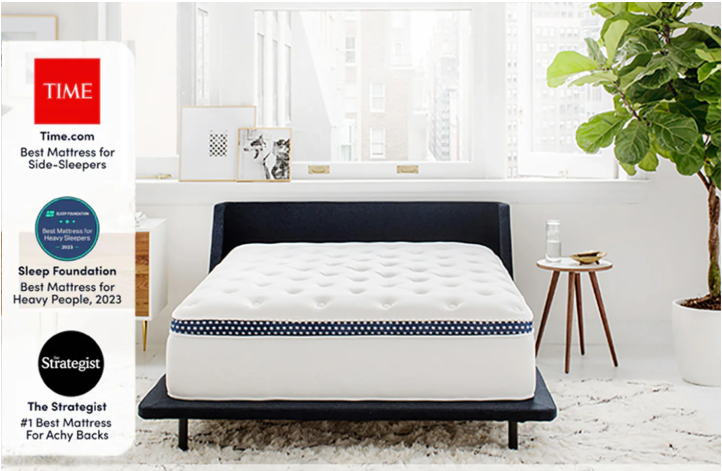
The WinkBed focuses on maintaining structural integrity under load. The reinforced system is designed to resist compression over time, which is especially important for heavier sleepers who often experience early support breakdown in softer mattresses.
What makes this relevant for back pain is its consistency. Instead of gradually forming low points where the body sinks unevenly, the surface stays stable and evenly distributed, helping prevent the slow shift in spinal alignment that often builds into discomfort over time.
The firmness range also allows some adjustment, but even softer versions retain a strong internal support base, which is a key factor in keeping the spine properly supported throughout the night.
Best For:
- Heavier sleepers
- Back and combination sleepers
- Those concerned about long-term durability
May Not Suit:
- Side sleepers who need more cushioning
- Those looking for a plush feel
- Anyone on a tighter budget
Best for Pressure Relief: Nolah Evolution 15
- Firmness: Plush, Luxury Firm, Firm
- Price range: $1,700–$2,300
- Sizes: Twin to California King
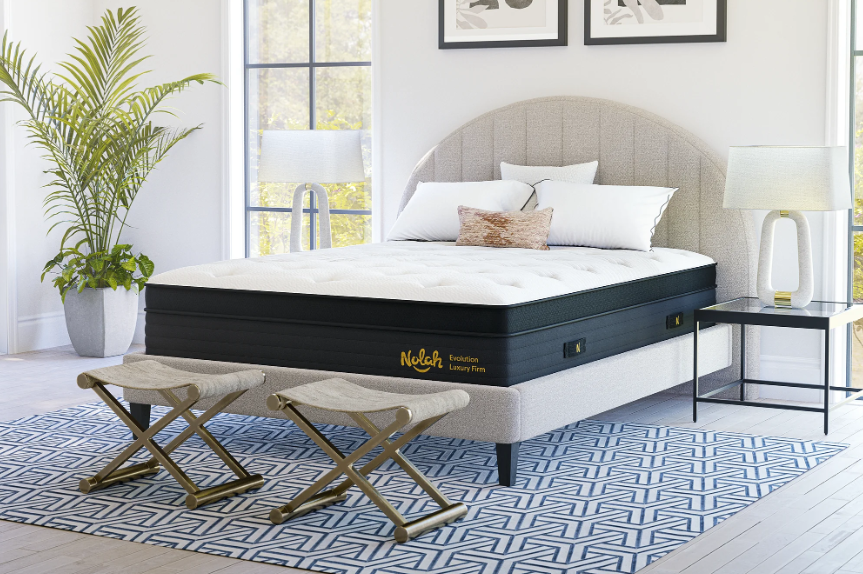
The Nolah Evolution 15 takes a pressure-first approach to spinal comfort. Instead of relying on firmer support to correct alignment, it reduces tension in the areas where pressure typically builds: the shoulders and hips.
When those pressure points are relieved, the body doesn’t need to shift as often during the night. That reduction in movement helps muscles fully relax instead of staying partially engaged, which is often what leads to waking up feeling tight or sore.
At the same time, the support layers underneath prevent excessive sink, so you still maintain a stable spinal position. The result is a more relaxed sleeping posture that prioritises comfort without sacrificing alignment.
Best For:
- Lighter sleepers
- Side sleepers
- Those with pressure-related discomfort
May Not Suit:
- Heavier sleepers
- Those needing firmer support
- Back or stomach sleepers who want less sink
How to Choose the Best Mattress for Back Pain

As you make your choice, keep a few rules of thumb in mind:
- Match the mattress to your sleep position first: If this is wrong, nothing else really compensates for it. You can have a high-quality mattress, but if it doesn’t suit how you sleep, your spine will likely drift and misalign over time.
- Don’t rely on firmness alone: Firm doesn’t automatically mean supportive; construction matters more than surface feel. After all, two mattresses can feel similar when you lie down for a few minutes, but behave very differently over a full night.
- Pay attention to support layers: The top layer affects comfort, but the layers underneath decide how your body is held over several hours.
- Give your body time to adjust: Even the right mattress can feel off for a few nights. Your body needs time to adapt, especially if you’re coming from something that was not supporting you properly.
What Matters Most When Your Back Hurts
If you constantly wake up with back pain, chances are you need a mattress that keeps your spine aligned, reduces pressure, and supports your body through the night.
For most people, the Helix Midnight Luxe is the safest starting point. Its zoned support stops the hips from sinking while still cushioning the shoulders, which is the combination that resolves the widest range of lower back complaints.
If you sleep on your side, the Leesa Sapira Chill Hybrid is the better choice. Side-sleeping concentrates your weight on two narrow points, and this mattress lets the shoulders and hips sink enough to keep the spine level instead of bent.
And if budget is the main constraint, the Brooklyn Bedding Signature Hybrid gets you the fundamentals (even weight distribution and a stable core) without the zoned features of the pricier options. It won’t target lumbar support specifically, but for anyone replacing a worn-out mattress, just having consistent support across the surface is usually where the real improvement comes from.
The difference after sleeping on a mattress ideal for back pain sufferers is not always immediate, but it shows up over time in small ways. You wake up less stiff, you move more easily, and your back isn’t the first thing you notice in the morning.