

- Best Mattress Topper for Side Sleepers - September 25, 2026
- Best Cooling Blankets for Hot Sleepers in 2026 - September 18, 2026
- Helix vs. Sealy: Which Mattress and Shopping Experience Is Right for You? - September 7, 2026
DreamCloud and Helix are both hybrid mattress brands that combine foam comfort layers with coil support systems. They are generally positioned in the mid to premium price range, which makes them common options for people comparing higher-quality mattresses without moving into luxury pricing.
On the surface, both brands include similar features such as cooling-focused materials, multiple firmness options, and long sleep trial periods. Because of that, they often show up in the same comparison searches. However, the actual feel of each mattress can vary depending on the design approach each brand uses.
DreamCloud models tend to follow a more traditional hybrid structure, with a softer top layer over a supportive coil base. Helix takes a more segmented approach, offering different models that are designed for specific sleep positions and preferences.
A simple way to narrow it down is to focus on how you sleep most often:
- Back sleepers might choose DreamCloud for its balance of cushioning and support.
- Side sleepers might choose Helix options for more targeted shoulder and hip relief.
- Combination sleepers may lean toward Helix if they change positions frequently.
- Couples often compare both brands based on motion isolation and firmness preference.
Here’s a quick look at DreamCloud vs Helix in terms of comfort, support, cooling, motion isolation and overall value
DreamCloud vs Helix Mattress Quick Comparison (Comfort, Cooling, Motion & Price)
| Category | DreamCloud | Helix |
| Best for | Back sleepers, couples, people who like a plush hotel feel | Side sleepers, combination sleepers, people who change positions |
| Overall feel | Plush, slightly “sink-in” luxury hybrid | Balanced, responsive, more customizable hybrid |
| Firmness | Medium-firm with a cushioned top layer | Varies by model from soft to firm |
| Sleep style match | Best for back sleepers and some stomach sleepers | Best for side sleepers and combination sleepers |
| Motion transfer | Very low motion transfer, stable feel | Good, but slightly more bounce depending on model |
| Ease of movement | Moderate, a bit more sink-in feel | High, easy to switch positions |
| Cooling | Good airflow from coil system and breathable foams | Very good, especially in upgraded models |
| Pressure relief | Deep cushioning with more of a body-hug feel | More targeted support with less sink |
| Edge support | Strong and stable | Good, varies slightly by model |
| Customization | One main feel across the line | Highly customizable based on sleep quiz |
| Typical price (queen) | ~$700–$1,500 on sale | ~$1,000–$2,000 depending on model |
DreamCloud Hybrid Mattress Overview: Plush Euro-Top Hotel-Style Feel
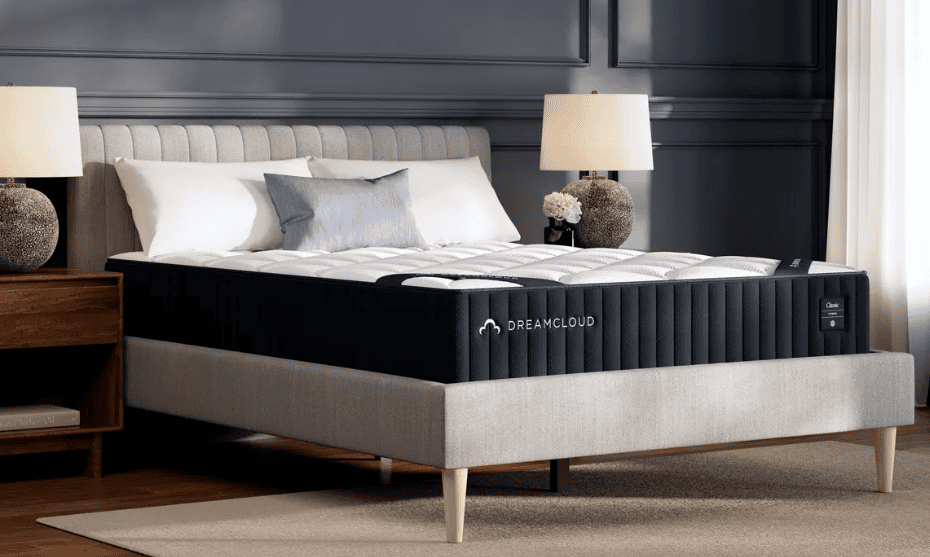
DreamCloud is a luxury-style hybrid mattress that offers a plush, but balanced feel at an affordable price.
The euro-top construction provides a thicker, softer surface than a typical hybrid, offering comfort on first contact, until the coil support beneath kicks in.
The layered construction works great for back sleepers, cushioning pressure points while supporting the spine. DreamCloud cradles you softly, not like you are floating on top of the mattress.
The DreamCloud mattresses are a good choice for buyers who want a luxury hotel-feel. They have a tall profile, plenty of quilting and plush construction.
However, DreamCloud is not for everyone. Lighter side sleepers may find the mattress too firm at the shoulders and hips compared to softer beds.
Helix Hybrid Mattress Overview: Customizable Support for Every Sleep Position
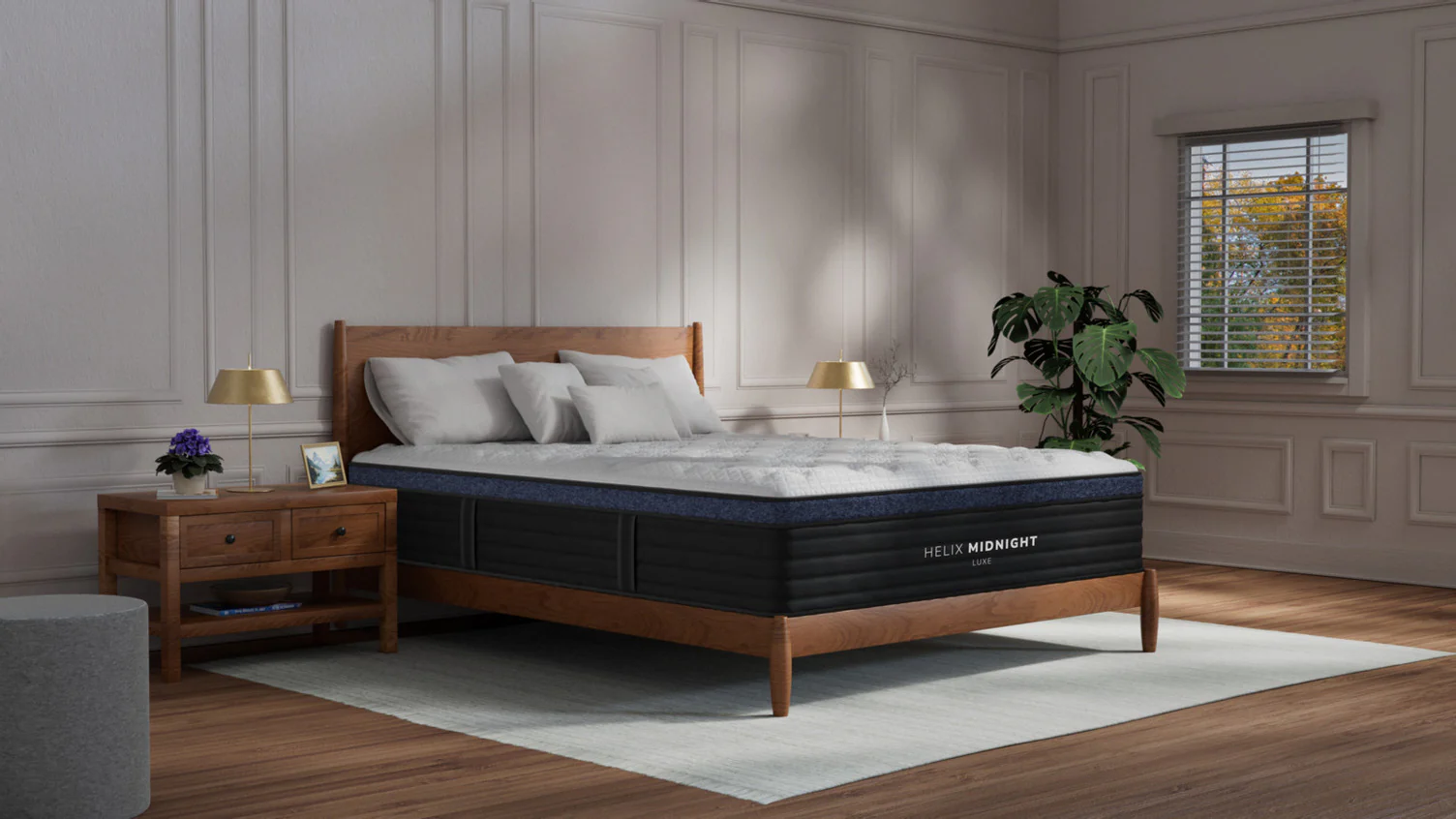
Helix’s design is completely customizable. Rather than one standard feel, you can pick and choose options that cater to your sleep position.
The Helix Midnight is a popular option that’s often compared with DreamCloud due to similar pricing and appeal to hybrid mattress buyers. Helix mattresses are bouncier and more well-rounded, keeping sleepers on top of the bed while also conforming around pressure points without too much sinking.
Responsiveness is particularly key for sleepers who change positions and for couples. It’s easier to move around on a Helix mattress, and movement feels less restricted than on some plush euro-top hybrid.
The Helix also works well for side sleepers, as the foam layers conform more closely around the shoulders and hips. That localized relief may make a big difference for those who feel pressure building up or numbness at night.
Helix is soft and plush, but it’s more balanced and ergonomic than plush.
Feel, Support, and Sleep Position Fit
DreamCloud leans toward a plush euro-top feel with a softer surface layer over steady coils. It has a medium-firm overall support level, but the top layers add more cushioning at first contact.
This can work well for back sleepers who want pressure relief around the hips and shoulders without feeling like they are sinking too deeply.
Helix, on the other hand, feels more responsive and quicker to adjust. Instead of a deep, cushioned “sink-in” feel, it tends to contour more directly to the body while keeping easier movement on the surface.
Models like the Helix Midnight are often chosen by side sleepers because the foam layers can reduce pressure on the shoulders and hips while still keeping the body supported.
As a general guide:
- DreamCloud may feel more natural for back sleepers who want soft cushioning with support underneath
- Helix is often preferred by side sleepers and combination sleepers who need more targeted pressure relief and easier movement
Which Mattress is Best for Back Sleepers?
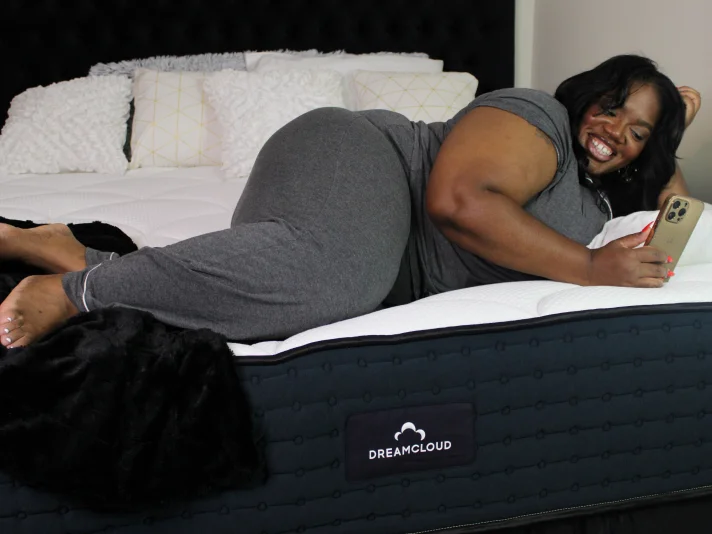
DreamCloud will typically be the better choice for back sleepers.
Generally, back sleepers need a mattress that will support the hips up but allow for some cushioning of the lumbar area. If the mattress is too soft, the hips will sink in too far and cause strain to the lower back. If it’s too firm, pressure can build up around the tailbone and shoulders.
Here, DreamCloud finds a nice middle ground. The plush euro-top relieves pressure points, while the support coils underneath help promote spinal alignment.
Many back sleepers also enjoy the slightly raised, luxury feel of DreamCloud. It’s padded and not too enclosed.
Helix still works for back sleepers, especially combination sleepers who change positions during the night, but the deeper cushioning on DreamCloud tends to feel more naturally comfortable for those who remain mostly on their back.
Which Mattress is Best for Couples?
Helix is usually better for couples, but not by a big margin.
Helix is generally better at absorbing movement across the surface. If one partner changes position a lot or gets out of bed frequently, or moves around a lot in bed, the disruption is less noticeable.
Helix also feels more responsive and less deeply cushioned, making repositioning easier. If one of you sleeps on your side, Helix also provides a more accommodating middle ground.
DreamCloud does a decent job of motion isolation for a hybrid, but its bouncier feel can transfer a bit more movement across the bed.
Which Mattress is Best for Side Sleepers?

Helix is often considered better for most side sleepers.
Sleeping on your side can put pressure on your shoulders and hips, so side sleepers usually need more contouring and pressure relief than back sleepers.
Helix mattresses, especially the Midnight series, are built with exactly that in mind. Foam layers are better at pressure point absorption, which helps relieve shoulder strain and hip discomfort.
Responsiveness allows enough sink for comfort and at the same time it keeps alignment.
Some side sleepers may still find DreamCloud suitable, especially those who are heavier and sink further into the cushioning layers. But lighter and average weight side sleepers tend to prefer the more adaptive contouring of Helix.
Which Mattress Has Better Edge Support?
Edge support is important if you sit or sleep close to the edge of the mattress.
Both brands perform well here with their hybrid coil construction, but the DreamCloud often feels a little more robust around the edges thanks to its denser construction and thicker support feel.
This can add a bit of stability to the DreamCloud if you’re sitting on the edge of the bed, or if you’re utilizing the entire sleep surface.
Which Mattress is Best for Cooling and Temperature Regulation?
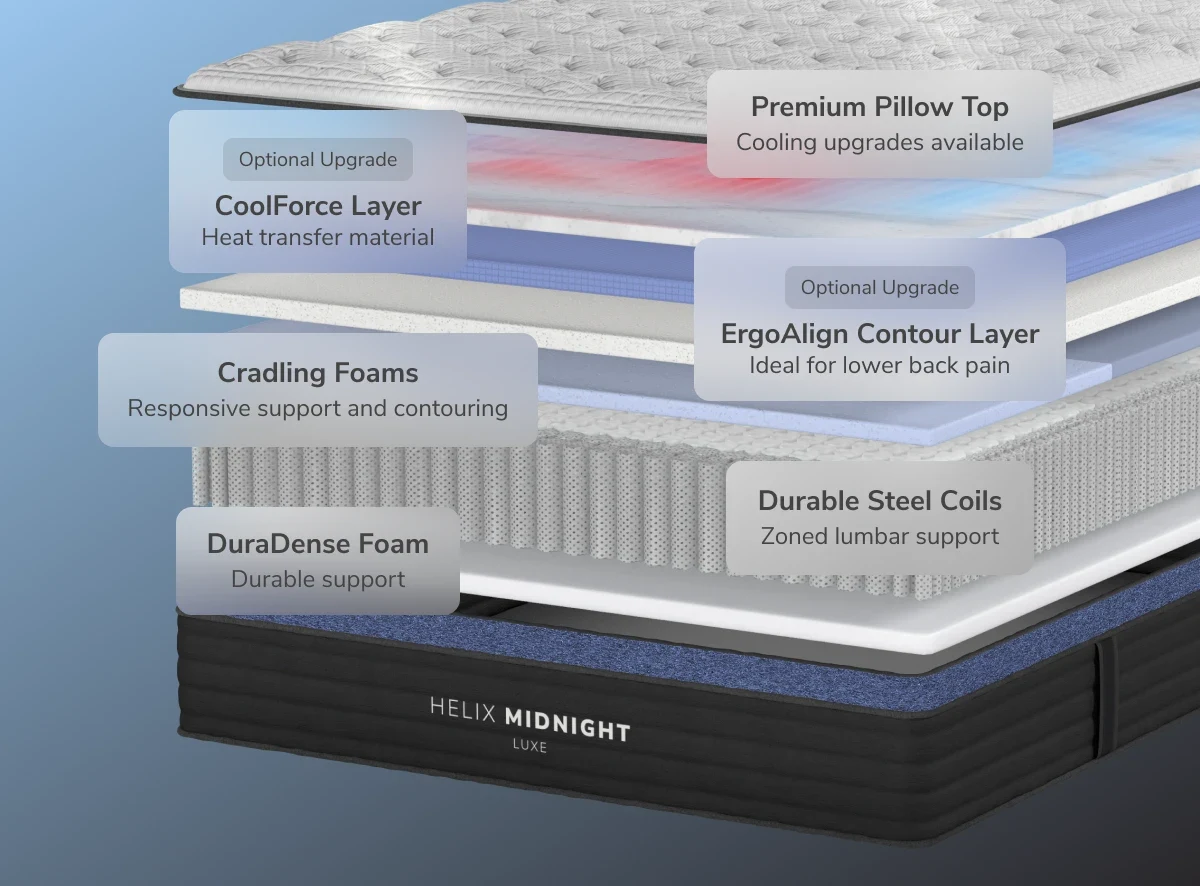
In comparison to all foam mattresses, both DreamCloud and Helix are relatively good at controlling temperature.
Both use hybrid construction that enables the coil systems to push more air through the core of the mattress than dense memory foam designs.
DreamCloud Cooling
Thanks to DreamCloud’s more breathable coil support and higher profile, excessive heat build-up is avoided. The plusher top offers a bit more warmth than firmer hybrid surfaces, but most sleepers shouldn’t get too hot.
The quilted surface also contributes to a softer, more insulated feeling overall.
Helix Cooling
For most people, Helix sleeps a little cooler on average because it feels less dense and enveloping on the surface.
The increased responsiveness allows air to circulate better around the body, especially for combination sleepers who toss and turn during the night.
Even some Helix models offer optional cooling upgrades for hot sleepers who want a little extra help with temperature regulation.
Build Quality, Durability, and Overall Value
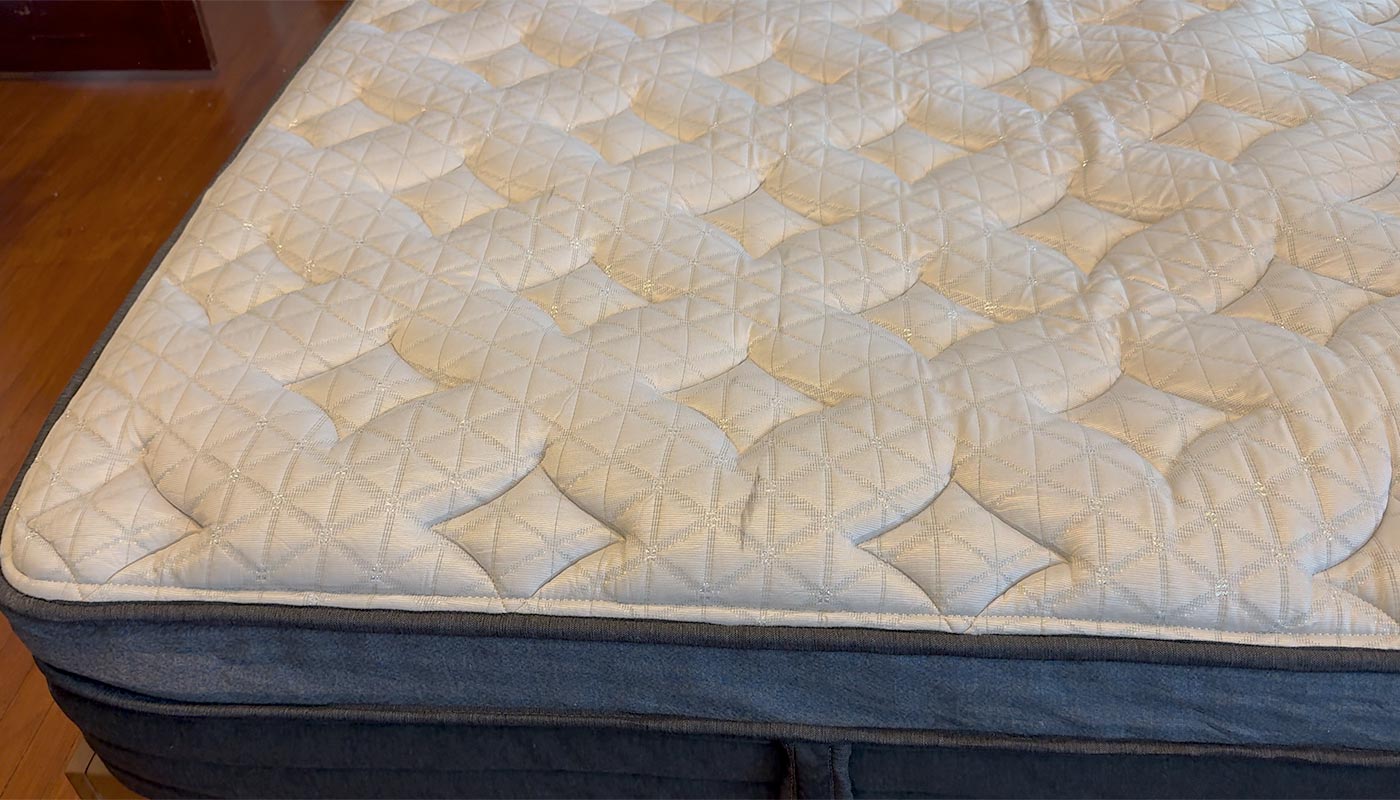
DreamCloud and Helix are quality hybrid construction in comparison to many budget online mattresses.
Thanks to DreamCloud’s thicker profile and dense euro-top layers, it has a substantial, premium feel that many shoppers associate with luxury hotel mattresses.
Helix focuses on ergonomic engineering and targeted support zoning, appealing to sleepers who prioritize performance and sleep-position alignment over plush aesthetics.
With the right support on the right base, both should last most sleepers a very long time in terms of lifespan.
Overall neither brand has a clear durability advantage, but DreamCloud may feel more luxurious while Helix feels more performance oriented.
Value and Price Comparison
DreamCloud and Helix are both in the competitive mid-range hybrid category, but prices can vary a lot based on promotions.
DreamCloud is known to be rather aggressive with bundles, discounts and included accessories (like pillows or bedding). On the other hand, Helix pricing is typically more variable depending on the specific model and optional upgrades.
Just from a value perspective:
- DreamCloud often feels like the better luxury-value buy
- Helix often seems like the better bang-for-the buck purchase
Final Verdict: DreamCloud vs Helix Mattress Comparison for Your Sleep Style
DreamCloud and Helix both sit in the same category of well-made hybrid mattresses, but they are built with slightly different sleep experiences in mind.
DreamCloud tends to lean more toward a traditional luxury feel. It has a plush euro-top surface that gives you a soft first impression, followed by steady coil support underneath. That combination often works well for back sleepers or anyone who prefers a more cushioned, hotel-style mattress without feeling like they are sinking too deeply.
Helix, on the other hand, is more focused on adaptability. Because it comes in multiple firmness options, it can be better matched to different sleep positions. The feel is usually more responsive, which can make it easier to change positions during the night. That is why it often comes up for side sleepers, combination sleepers, and couples who share a bed.
A simple way to think about it is this: DreamCloud may feel more consistent and plush right away, while Helix gives you more flexibility to match how you sleep.
If you spend most of the night on your back and like a softer, more cushioned surface, DreamCloud is often a straightforward option. If you need more targeted pressure relief, move around a lot in your sleep, or share the bed with someone, Helix may be the better fit to look at first.