


- Best Mattress Topper for Side Sleepers - September 25, 2026
- Best Cooling Blankets for Hot Sleepers in 2026 - September 18, 2026
- Helix vs. Sealy: Which Mattress and Shopping Experience Is Right for You? - September 7, 2026
Leesa launched in 2014 as one of the original bed-in-a-box brands and has since built a reputation around a straightforward hybrid design that works for most sleepers.
Purple came a few years later with a genuinely different approach: a proprietary GelFlex Grid made from a hyper-elastic polymer that flexes under pressure points while staying firm everywhere else.
Both sit in the premium mattress category and ship directly to your door. But the sleep experience they deliver is not the same.
Leesa is a classic hybrid with foam over coils, familiar support, and a comfortable feel that doesn’t require much adjustment. Purple’s grid technology creates a floating sensation that behaves differently from both memory foam and traditional springs.
Depending on what you’re looking for, the right choice largely comes down to what kind of sleeper you are. The breakdown below goes category by category to help you figure that out.
Leesa vs. Purple: Quick Comparison by Category
| Category | Leesa | Purple |
| Feel | Traditional hybrid feel with balanced cushioning and a plush, hotel-like finish | Highly unique floating sensation from the GelFlex Grid |
| Firmness Options | Multiple models and firmness profiles available | Medium-firm feel with a more responsive surface |
| Cooling | Strong temperature regulation without changing the feel of the mattress | Excellent airflow thanks to the open-grid design |
| Motion Isolation | Better at absorbing partner movement | More responsive and slightly bouncier |
| Pressure Relief | Gentle contouring that works well for most sleepers | Outstanding pressure-point relief, especially at shoulders and hips |
| Edge Support | Stable perimeter support on hybrid models | Can feel softer around the edges depending on the model |
| Price | Premium pricing with a more traditional luxury feel | Premium pricing tied heavily to proprietary technology |
Which Mattress Works Best for Your Sleep Position?
Leesa has a balanced hybrid feel that combines soft foam with steady coil support. It cushions pressure points without letting your body sink too deeply into the mattress. That makes it a strong fit for side sleepers who want comfort around the shoulders and hips without feeling stuck in place.
Purple also relieves pressure well, but it does it in a completely different way. The GelFlex Grid bends under heavier parts of your body while staying firmer in lighter areas. This creates a floating sensation that some sleepers love right away, while others need time to adjust to.
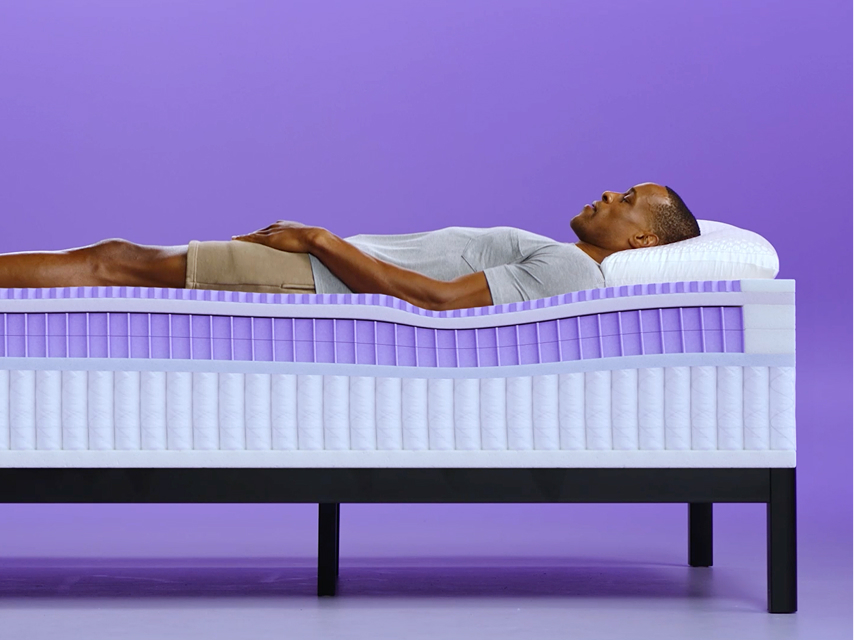
Back sleepers can do well on either mattress. Leesa offers a more traditional supportive feel with light contouring around the lower back. Purple feels more weightless and responsive, which can help reduce pressure buildup during the night.
For stomach sleepers, Leesa is usually the safer choice, especially in one of the firmer hybrid models. It keeps the hips from sinking too far into the bed, which helps maintain better spinal alignment. Purple’s grid can feel too flexible for sleepers who prefer a flatter and firmer surface.
Combination sleepers who move around often may prefer Purple’s quick response and easy movement. Changing positions feels smooth because the grid pushes back immediately instead of slowly reshaping like memory foam.
Cooling Performance: Which One Actually Sleeps Cooler?
Cooling is one of the biggest differences between Leesa and Purple, and the materials inside each mattress play a major role in how they handle heat overnight.
Purple has a clear advantage for hot sleepers because of its GelFlex Grid design. Instead of using solid foam across the surface, the grid creates open channels that allow air to move through the mattress more freely. That airflow helps body heat escape instead of getting trapped around you while you sleep. Many reviewers and mattress testers consistently rate Purple among the better cooling mattresses for people who naturally sleep hot.
Leesa still performs well for temperature control, especially compared to many standard memory foam mattresses. Its hybrid models use breathable coil layers, cooling covers, and ventilated foams to reduce heat buildup without dramatically changing the overall feel of the mattress.
The biggest difference is that Leesa gives you a cooler sleep surface without the unusual floating sensation that comes with Purple’s grid design.
Motion Isolation: Which Is Better for Couples and Light Sleepers?
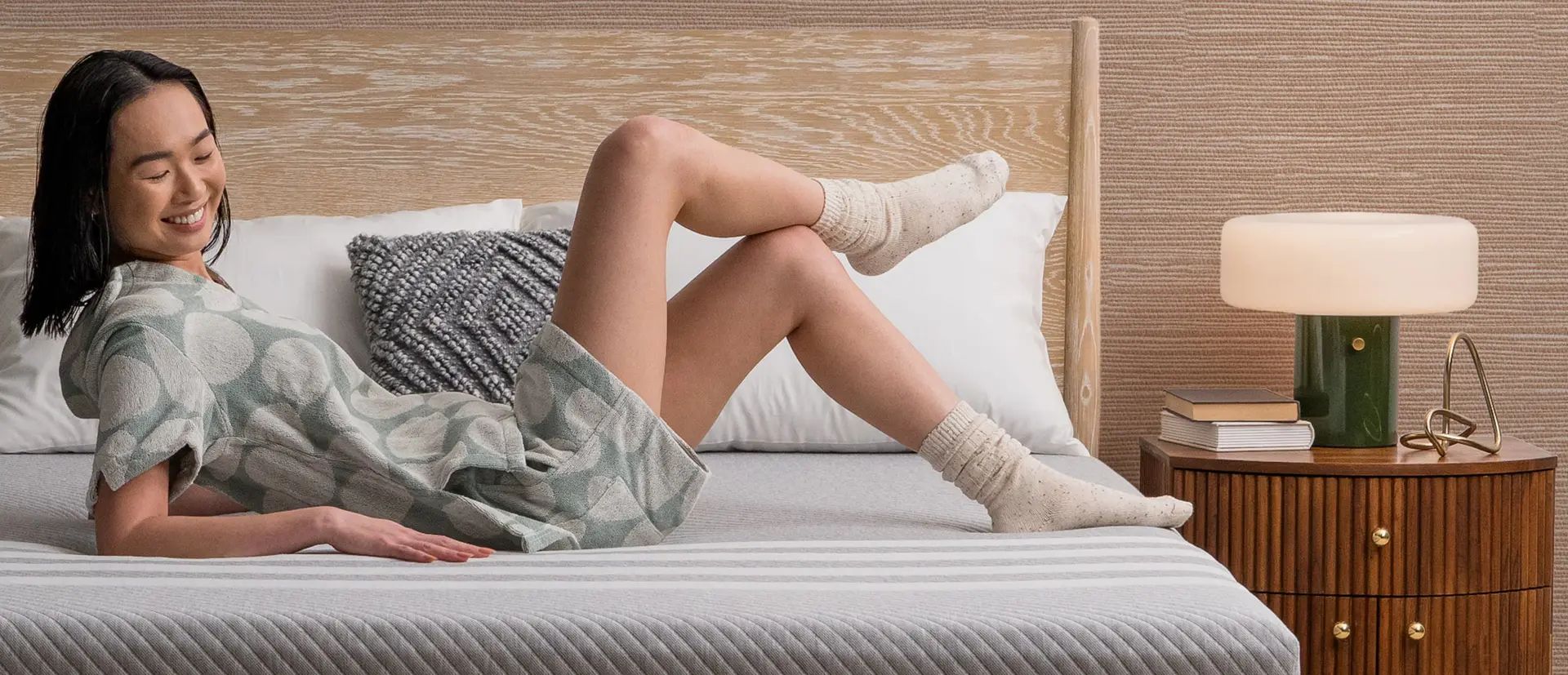
Leesa performs better in this category because its foam layers absorb movement more effectively before it travels across the mattress. The hybrid construction still feels supportive and responsive, but the surface does a good job of softening motion instead of bouncing it back. That makes Leesa a strong choice for couples and light sleepers who wake easily from movement nearby.
Mattress testing sites and sleep reviewers consistently rate Leesa highly for motion isolation compared to more responsive mattress designs. Hybrid models with thicker comfort foams often reduce partner disturbance better than highly elastic surfaces.
Purple feels very different because of the GelFlex Grid. The grid responds quickly when pressure is applied, which makes the mattress easier to move around on and prevents the “stuck” feeling some people dislike in memory foam beds. That responsiveness is great for combination sleepers who change positions often, but it also means movement can be slightly more noticeable across the bed.
Pressure Relief: Gentle Contouring vs. Targeted Grid Support
Purple’s grid compresses more deeply under heavier parts of the body while staying firmer in lighter areas. This creates a more targeted form of pressure relief that can feel almost weightless, especially for side sleepers who deal with pressure buildup around the shoulders and hips.
The design also helps spread body weight more evenly across the mattress instead of concentrating pressure in a few areas. Some sleepers describe the sensation as floating rather than sinking into the bed. That unique feel is one reason Purple has built such a loyal following among people with chronic pressure-point discomfort.
Leesa takes a more traditional hybrid approach with softer contouring foams layered over supportive coils. Instead of sharply adapting around pressure points, the mattress creates a more even cushioning effect across the entire surface. The result feels balanced and familiar, especially for sleepers who enjoy the comfort of foam but do not want the exaggerated sink or floating sensation.
If you want the most noticeable pressure-point relief and enjoy trying newer sleep technology, Purple has the edge. If you prefer balanced cushioning with a more traditional feel that works well for a wide range of sleepers, Leesa is likely the more comfortable fit.
Who Should Actually Buy a Purple Mattress?

Purple is best for sleepers who want something that feels noticeably different from a traditional mattress. The GelFlex Grid in Purple’s bed provides a floating, highly responsive feel that’s different from a hybrid mattress. Some sleepers like the instant pressure relief and airiness, especially if they don’t like the dense feeling of memory foam.
At the same time, Purple is not a mattress that appeals to everyone right away. The surface feels springier and more flexible than a traditional hybrid, and some shoppers find the sensation unusual during the first few nights. Instead of hugging the body like memory foam, the mattress creates more of a lifted and weightless feeling.
Purple makes the most sense for buyers who are actively looking for new sleep technology and are open to a very different feel. If you already know you enjoy responsive mattresses with strong airflow and noticeable pressure relief, Purple may be worth the investment.
Who Should Actually Buy a Leesa Mattress?
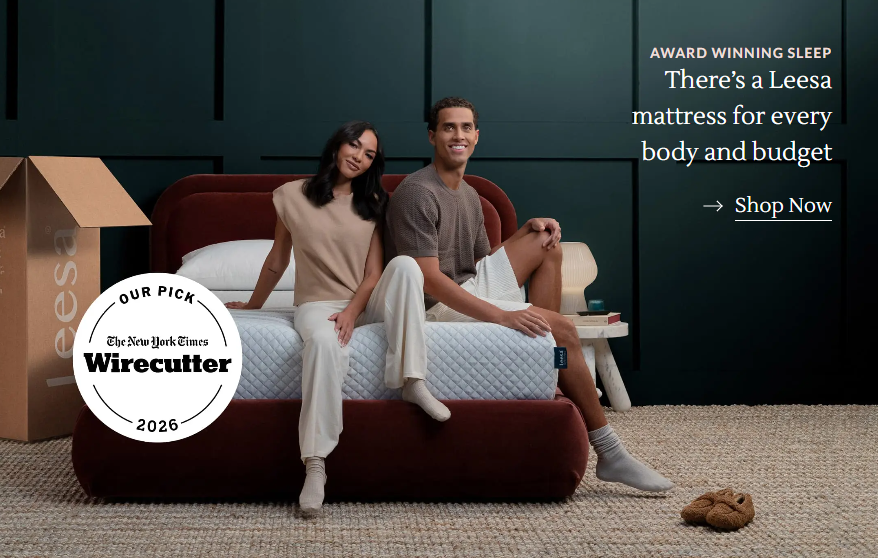
Leesa is best for sleepers who want a comfortable, premium mattress with a feel that is familiar right away. Its hybrid design combines foam cushioning with supportive coils, creating a balanced feel that works well for a wide range of sleep styles and body types.
Unlike Purple, Leesa does not try to completely reinvent how a mattress feels. The surface has a soft, lightly cushioned feel with steady support underneath, similar to the kind of comfort many people expect from a high-end hotel mattress. That makes it easier for most shoppers to adjust to from the first night.
Leesa makes the most sense for buyers who want dependable comfort without taking a big risk on an unfamiliar mattress design. If you like the idea of a refined hybrid mattress that feels supportive, versatile, and easy to enjoy long term, Leesa is likely the better fit.
Leesa vs. Purple Price Comparison: What You’re Actually Paying For
Both Leesa and Purple sit firmly in the premium online mattress category, so neither brand is designed to be a budget option.
For a queen size mattress, most popular Leesa and Purple models typically fall somewhere between about $1,000 and $2,000 before discounts, with luxury models climbing much higher.
Popular Leesa hybrid models like the Sapira often land around the mid-to-upper premium range, usually around $1,500 to $1,700 for a queen before sales. The brand also offers more affordable options closer to the $1,000 range.
Entry-level Purple models usually start around the low-$1,000 range for a queen, while upgraded hybrid models can quickly move past $2,000 and into luxury pricing territory.
Leesa vs. Purple: Which Mattress Should You Buy?
Leesa and Purple are both strong premium mattress brands, but they appeal to different types of sleepers because the overall feel is so different.
The best way to decide between the two is to think about what you want your mattress to feel like every night.
- If you want a classic premium hybrid feel with broad comfort appeal, Leesa will probably feel more natural.
- If you are specifically drawn to the idea of a weightless, highly responsive mattress with extra airflow, Purple may be the more exciting option.
In many ways, this decision comes down less to which mattress is “better” and more to whether you prefer familiar comfort or a completely different sleep experience.