

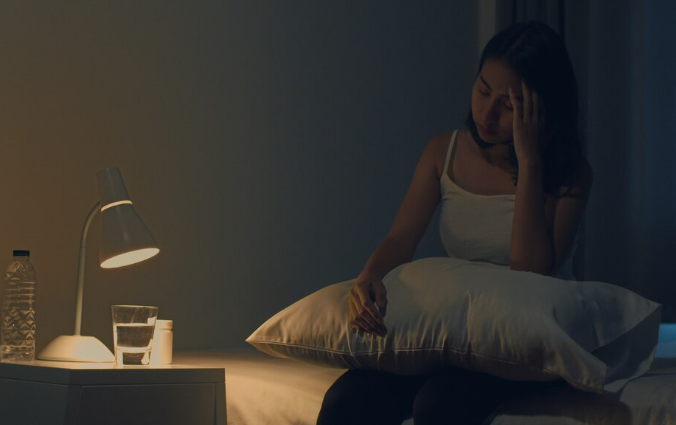
Does your night often go something like this? You had no trouble falling asleep. However, sometime around 2 or 3:00 AM, you’re wide awake. You’re kicking off the covers, tossing and turning, and you’re drenched with sweat. Your partner is sleeping soundly. No one has changed the thermostat. So what’s going on?
One of the most common sleep complaints, and one of the least understood, is waking up overheated. Unfortunately, there’s no simple answer because, as the Annual Review of Physiology explains, many factors, including biology, bedding, environment, hormones, and habits, regulate body temperature. This guide will walk you through the main causes, help you figure out which ones might apply to you, and reveal a practical selection of solutions – from free fixes to technology-assisted options.
Your Body is Designed to Cool Down at Night
It may surprise you to learn that your core body temperature drops by one to two degrees Fahrenheit while you sleep. Cooling down is part of the biological signal that causes and sustains deep, restorative sleep.
Your body releases heat into the environment around you as you sleep. Obviously, that heat has to go somewhere. It can be trapped by your mattress, bedding, or bedroom, causing your core temperature to climb back up instead of remaining low. You wake up feeling hot and may not even realize that overheating woke you.
There are environmental and some physiological factors that can disrupt this process.
The Five Most-Common Causes of Waking Up Overheated
1. Your Bedroom Is Too Warm
The most obvious place to start is the temperature of your bedroom. Many sleep experts recommend keeping your thermostat between 65 and 68 degrees Fahrenheit. Just because a room feels comfortable when you’re awake doesn’t mean it’s ideal for sleep. It may actually be several degrees too warm, especially during the early morning hours when your body naturally tries to shed heat.
2. Your Mattress and Bedding Trap Heat
Many people don’t realize that their mattress and bedding play a major role in regulating body temperature. Traditional foam mattresses, especially memory foam, are known for trapping heat because the dense material restricts airflow. Heavy comforters and synthetic sheets can make the problem worse by trapping warm air around your body instead of allowing it to escape.
3. Drinking Alcohol Before Bed
Many people believe a drink or two before bed helps them sleep, and it may help you fall asleep initially. However, alcohol can interfere with your sleep cycle in several ways that increase the likelihood of overheating. It disrupts REM sleep, dilates blood vessels so more warmth reaches the skin, and can trigger night sweats.
4. Your Sleeping Position
The way you sleep can also affect how warm you feel overnight. Sleeping curled up or with your face buried in a pillow reduces airflow around your body, making it harder for heat to escape. Sharing a bed with a partner or pet also increases the amount of heat trapped in your sleep space since there are two bodies generating warmth instead of one.
5. Exercising Too Close to Bedtime
If you exercise in the evening, the timing of your workout could be contributing to overheating. Vigorous exercise raises your core body temperature, and it can remain elevated for several hours afterward. If you head to bed within two or three hours of a workout, your body may not have had enough time to cool down, making it harder to stay comfortable throughout the night.
Hormonal and Biological Drivers

However, if the cause of your overheating isn’t external, meaning your environment, it may be internal.
Perimenopause and Menopause
Perimenopause and menopause can cause women to wake up feeling hot, often with classic night sweats. These sudden waves of intense heat can drench bedding and interrupt sleep several times per night.
Researchers say that these waves are caused by fluctuations in estrogen levels that affect the hypothalamus. Meaning that night sweats can begin years before your last period.
Testosterone Decline
In men, testosterone decline happens gradually with age or sometimes more suddenly. Low testosterone can contribute to night sweats and disrupted sleep.
Thyroid Disorders
Thyroid disorders are fairly common and can affect body temperature regulation.
With hyperthyroidism, the thyroid is overactive, which speeds up metabolism and raises baseline body temperature. This can lead to chronic overheating, including at night. Hypothyroidism can also disrupt normal temperature regulation, even though it typically presents differently.
Blood Sugar Fluctuations
Blood sugar changes can also cause nighttime waking accompanied by warmth or sweating. Blood sugar typically drops in the early morning hours (reactive hypoglycemia), which can trigger the body to release adrenaline as a counter response.
Adrenaline can wake you up and also raise your body temperature.
Medications
If you’re experiencing nighttime overheating, it’s worth reviewing your medications with your doctor. Some medications can affect temperature regulation, including antidepressants (particularly SSRIs and SNRIs), blood pressure medications, and some diabetes medications. These can all contribute to night sweats in some people.
When to See a Doctor

If you know that your night sweats happen only occasionally, and it’s after you’ve had a couple of glasses of wine or when the room is particularly warm, then you probably don’t need to be concerned. However, there are situations where it would be a good idea to see your physician:
- Persistent, drenching, unexplained night sweats that soak your sheets or your pajamas
- Night sweats accompanied by other symptoms such as unintentional weight loss, swollen lymph nodes, fatigue that doesn’t get better with rest, fever, or a cough that won’t resolve
Conditions that can cause excessive nighttime sweating include:
- An underlying infection
- Autoimmune condition
- Hormonal disorder
- Certain cancers
- Perimenopause or menopause, if you’re a woman
- If you’re a man over 40 and have fatigue or changes in libido, you may ask your doctor about checking your testosterone and thyroid levels
In other words, a rare hot night following alcohol drinking or having the thermostat set too high is normal. However, recurrent unexplained drenching night sweats should be evaluated.
Practical Solutions, From No Cost To High Tech
If you’ve seen your doctor and ruled out or are addressing medical causes, there are several things you can try that may help your hot sleeping periods. Often it’s more than one factor, and you may have the most success with a combination of actions. Here are some things you can try:
Lower Your Bedroom Temperature
This is the number one most effective action you can take. Lower the thermostat a few degrees before bedtime. Even just two degrees Fahrenheit can provide a meaningful change in nighttime waking. If this makes your partner cold, fortunately, extra blankets will solve that problem and cost nothing.
Swap Your Bedding
Switch to bedding that breathes better than polyester or microfiber, such as linen or cotton sheets. Also, a lighter duvet or a wool blanket, which surprisingly regulates temperature better than synthetic ones, can make a remarkable difference in your body temperature. Down alternative fills and heavy quilts can trap heat; with lighter layers, you can add or remove them as needed.
Reconsider Your Mattress
If you’ve been sleeping on the same mattress for more than five or six years and it’s a dense foam mattress, it is retaining far more heat than it did when it was new. This is because foam breaks down and becomes less breathable over time. You can get better airflow with hybrid mattresses with coil systems. Latex is naturally more breathable than memory foam. If you can’t afford a new mattress right now, a breathable mattress topper can help.
Time Your Alcohol, Exercise, And Eating Differently
Stop drinking alcohol at least three hours before bedtime. Stop your intense exercise by early evening also. Avoid heavy meals close to bedtime. All these things can reduce the heat load your body is managing while you sleep.
Use Targeted Cooling Tools
Something as simple as a bedside fan can improve air circulation and provide evaporative cooling when you’re sweating. There are also cooling pillowcases that are filled with gel or buckwheat that help reduce heat around your head. Cooling mattress pads circulate water through the surface and cost a bit more, but can provide consistent, adjustable temperature control throughout the night.
Consider Active Temperature Management
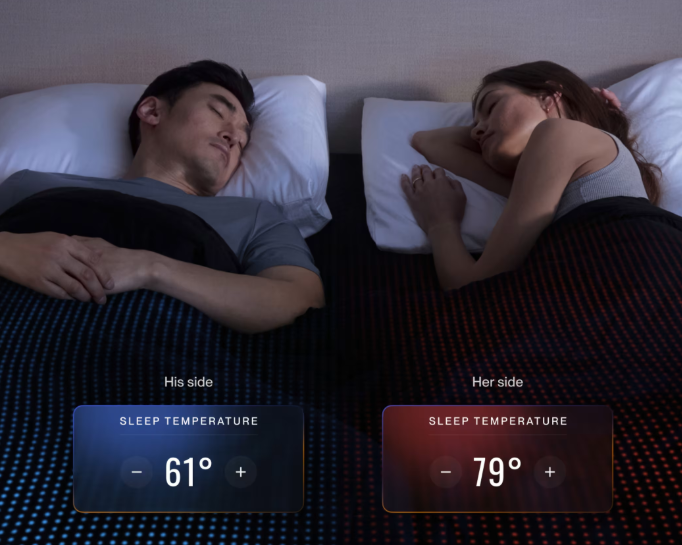
Smart sleep systems dynamically control the mattress surface temperature and have proven effective at improving sleep. Products like the Eight Sleep Pod feature a hydropowered mattress cover with sensors and an app that independently cools or warms each side of the bed based on your sleep stages and real-time conditions. This type of control addresses a problem that static bedding and room temperature can’t solve.
Your ideal temperature at 11:00 PM is different from your ideal temperature at 4:00 AM, and the Eight Sleep Pod adjusts the surface temperature as your body moves through sleep cycles. It’s a premium solution that isn’t the right fit for everyone, but if you’re a chronic hot sleeper and you’ve tried all the simpler options, it’s worth knowing this category exists.
A Note on Sleep Tracking
Maybe you’re not sure exactly when you’re waking up or how your temperature affects your sleep stages. If that’s the case, sleep tracking devices can help you identify patterns.
There are wearables like the Oura ring, Fitbit, and the Apple Watch that can track your heart rate and sleep stages over time. For people who don’t like wearing a device while they sleep, there are smart sleep systems with embedded sensors in the mattress that can track metrics.
By using sleep tracking, you can find out what your baseline is, your normal resting heart rate, and HRV (heart rate variability), and that will make it easier to change something if it’s off.
It can help you see if a night you drank more than usual, or a night when the room was too warm, or some other trend is your problem.
Just keep in mind that when you’re comparing products, there’s a difference between sleep-tracking devices and devices that can not only track but also automatically adjust conditions, such as the Eight Sleep Pod.
How Should You Tackle Your Sleep Issues?
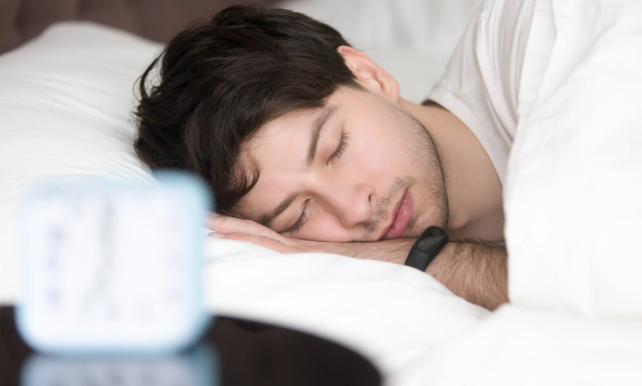
It’s not uncommon to wake up hot at night, but you don’t have to accept that if it’s disrupting your life. It’s usually a solvable problem, though it may take a little research and some trial and error to fix.
It often comes down to room temperature, bedding, and lifestyle adjustments. If those don’t solve it and your symptoms are severe and persistent, you should definitely have a medical evaluation to rule out hormonal or health-related causes.
Once all the medical possibilities are ruled out, you can approach the problem by remembering that the body needs to cool down during sleep, which is directly tied to the quality of sleep and REM sleep you’re getting. Anything you can do to support that natural process will be an investment in how you feel during your waking hours.
If your nighttime overheating is consistent, severe, and hasn’t responded to simple fixes, it’s worth exploring the full range of solutions, including active sleep-cooling systems, which may be just what you need to finally wake up feeling rested.