
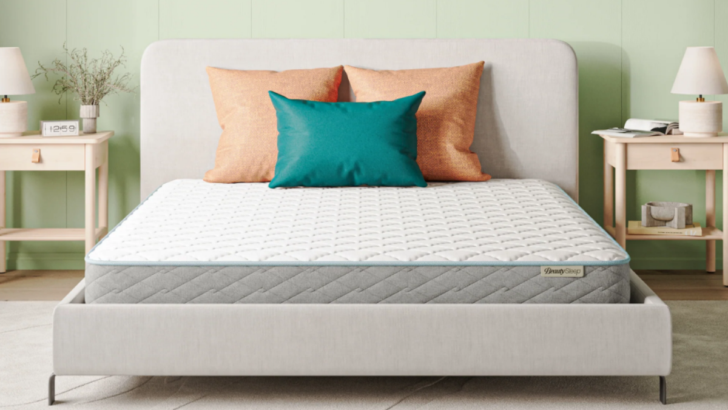

I started looking into Beautyrest alternatives because it was one of the first mattress brands I recognized when I finally admitted it was time for my current mattress to go. I’ve had back problems for years, and I generally don’t sleep well. Once insomnia gets mixed in with a worn-out mattress, mattress shopping starts to feel unavoidable.
So for me, Beautyrest was an obvious place to start. It has that classic retail mattress reputation: pocketed coils, plush tops, hotel-bed associations, and enough name recognition that it feels safer than buying something from a brand you only know from ads. I understand the appeal. When you’re tired, and your back hurts, a familiar brand can make the decision feel less risky.
The problem I ran into is that Beautyrest carries a huge range of mattresses. BeautySleep models can come in under $1,500, while the newer Black Hybrid XCS collection can climb past $5,000 for a queen. That’s a massive spread. A person looking at BeautySleep is probably comparing it with Nectar or DreamCloud. A person looking at Beautyrest Black is probably comparing it with Saatva, Stearns & Foster, or another higher-end hybrid.
So I had to get more specific and figure out which part of Beautyrest I actually cared about. Was it the coil support? The heavier luxury feel? The cooling technology? The idea that a mattress from a familiar brand might be less of a gamble? Those are different reasons to buy, and they point to different alternatives.
Beautyrest clearly makes some good mattresses. At the same time, once the price reaches the luxury range, I’d rather know what else is competing for the same money.
Beautyrest and Its Alternatives at a Glance
| Mattress | Queen Price Range | Feel / Focus |
|---|---|---|
| Beautyrest BeautySleep | Under $1,500 | Entry-level Beautyrest |
| Beautyrest Black Hybrid XCS | $3,000-$5,000 | Premium cooling hybrid |
| Saatva Classic | $1,900–$2,200 | Dual-coil, Euro pillow top |
| Stearns & Foster Estate | $1,900–$3,000 | IntelliCoil, traditional luxury feel |
| Stearns & Foster Reserve | $4,500+ | Hand-tufted, higher-end |
| Brooklyn Bedding Aurora Luxe | $1,500–$2,000 | Cooling cover, zoned coils |
| Nectar | $650–$1,250 | Foam and hybrid options, contouring |
| DreamCloud | $700–$1,400 | Foam and hybrid options + bounce |
Best Luxury Innerspring Alternatives to Beautyrest
If what you like about Beautyrest is traditional coil support and a plush but still supportive feel, Saatva and Stearns & Foster are the two comparisons I’d make first.
Saatva Classic: Best Beautyrest Alternative for a Hotel-Style Feel
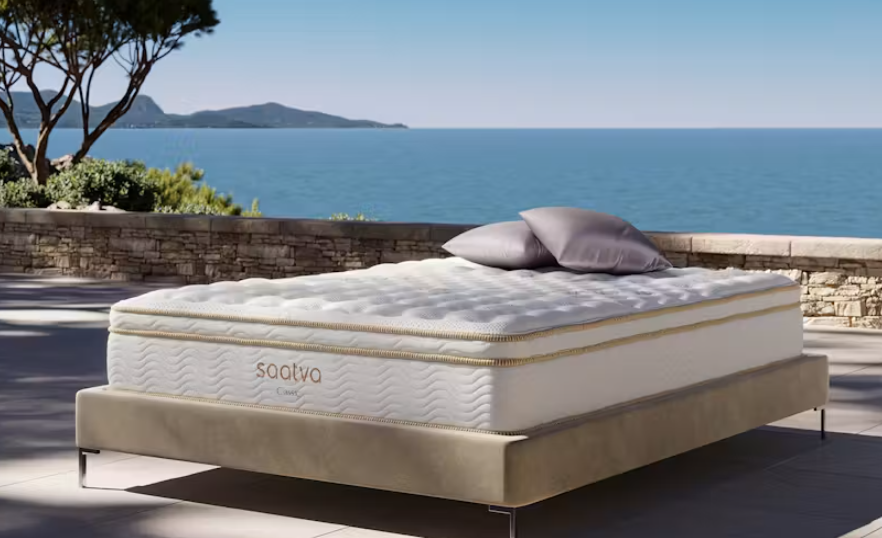
The Saatva Classic is the mattress I kept coming back to when comparing alternatives to Beautyrest Black. It uses a dual-coil construction, with a base coil layer, a second layer of individually wrapped coils, and a Euro pillow top. The result is cushioning without the deep sink of soft foam.
That matters because of my back. I can handle cushioning; I probably need it around my hips and shoulders. I can’t handle a mattress that lets me sink too far and then makes it hard to move.
The Saatva Classic has more of that lifted, hotel-mattress feel. It comes in three firmness levels, has a lifetime warranty, and includes free white-glove delivery. If your lower back is irritated, getting a queen mattress into place is no small thing. A queen Saatva Classic usually runs around $1,900 to $2,200, depending on promotions. That’s well below the $4,000-plus range you can reach with Beautyrest Black while staying in the same general category: coils, cushioning, support, and a traditional feel.
Stearns & Foster: Best for Traditional Showroom Luxury
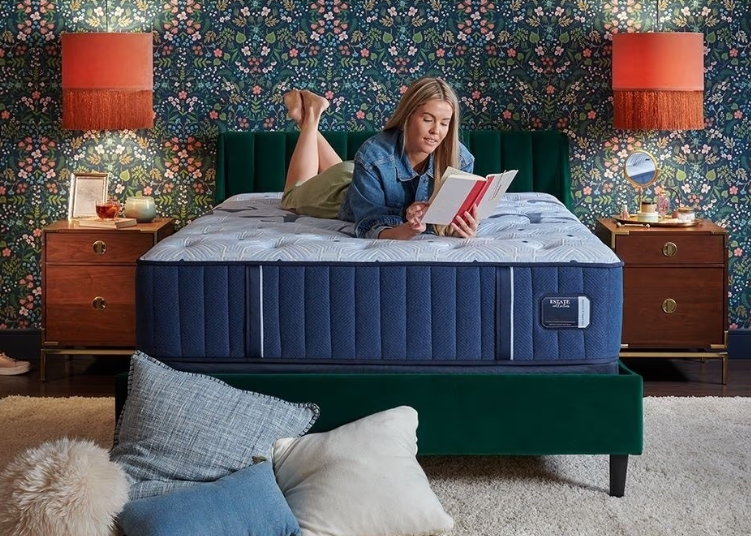
Stearns & Foster sits closer to Beautyrest Black in both price and positioning. It has more of an old-school luxury feel. The Estate and Reserve collections both use Stearns & Foster’s IntelliCoil support system, while the higher-end Reserve adds hand-tufting and more premium comfort layers. Queen pricing for Stearns & Foster Estate models usually lands around $1,900 to $2,800, while the Reserve collection goes past $3,000. Reviewers often give Stearns & Foster strong marks for craftsmanship and edge support. I’d check the retailer’s policy carefully, since trial and return terms often depend on where you buy the mattress.
Saatva probably makes the most sense if you want Beautyrest-style coil support and a hotel-bed feel for less. Stearns & Foster makes more sense if you want that heavier, denser showroom-luxury feel. Either way, I’d want a real trial or return policy. Ten minutes in a store doesn’t tell you much.
Best Cooling and Hybrid Alternatives to Beautyrest Black
A lot of Beautyrest’s newer marketing, especially around the Black Hybrid XCS line, focuses heavily on cooling. I paid attention to that because heat is one of the fastest ways for me to lose a night’s sleep. Once I’m awake and hot, I tend to stay awake, counting hours until the morning finally comes.
Cooling is also an area where Beautyrest has a lot of competition. Brands like Purple, Helix, and Brooklyn Bedding have all built mattresses specifically around temperature regulation, airflow, or both.
Purple: Best for a Cooler, More Buoyant Feel
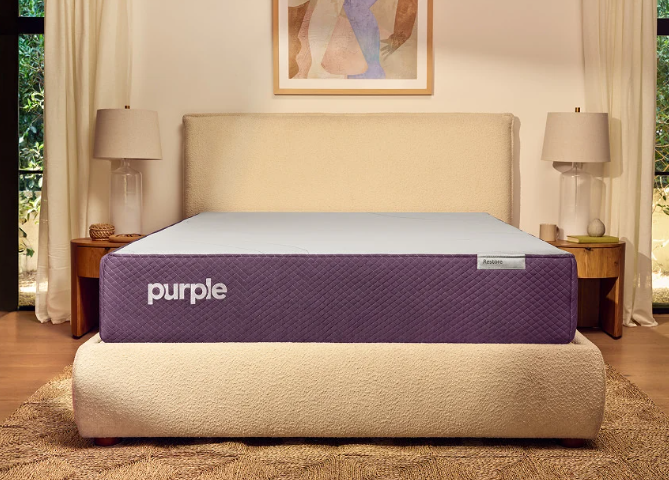
Purple is one common alternative. Its hybrid lineup uses the GelFlex grid, which feels very different from foam. The grid creates airflow channels and has a flexible, buoyant feel. It usually sleeps cooler than most all-foam beds and tends to cost less than Beautyrest Black.
The feel is the sticking point. Purple has a specific surface feel, and not everyone will like it. It doesn’t have the same traditional plush hybrid feel as Beautyrest, and the grid feels more buoyant and responsive than the deeper hug you get from memory foam.
Helix Midnight Luxe: Best for Side Sleepers
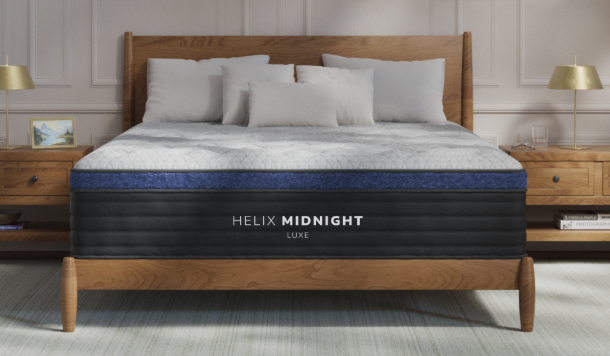
Helix Midnight Luxe is another one I’d look at closely, especially for side sleepers. It’s made by 3Z Brands, the same company behind Brooklyn Bedding, and uses a luxury foam comfort system over zoned coils for pressure relief without letting the middle of the body lose support.
That balance matters for me. I rotate between side and back sleeping depending on how my back feels. Too firm, and my shoulder starts bothering me. Too soft, and my lower back feels pulled out of position. Helix Midnight Luxe seems built for that middle ground, with cushioning on top and stronger lumbar support underneath. In comparisons against the Aurora Luxe, reviewers often give Midnight Luxe the edge on pressure relief, while Aurora tends to do better on cooling and price
Brooklyn Bedding Aurora Luxe: Best Cooling Alternative to Beautyrest Black
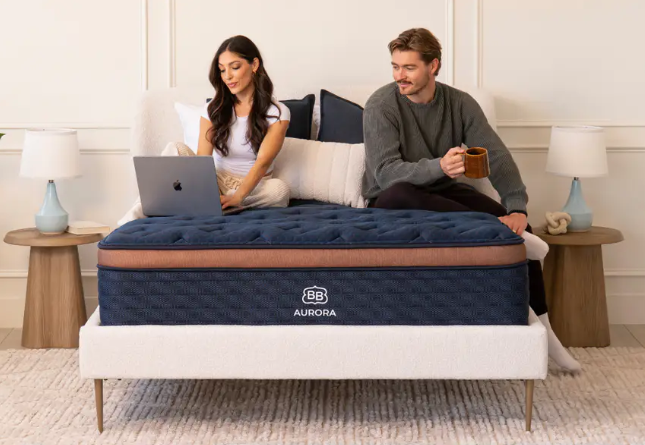
Brooklyn Bedding Aurora Luxe is the cooling hybrid I’d put highest on the list. It came up a lot because it’s aimed at the same problem Beautyrest is trying to solve with its premium cooling models: sleeping hot. Aurora Luxe uses a cooling cover, phase-change material, copper-infused foam, and zoned pocketed coils. It comes in three firmness levels, with an optional pillow top. Queen pricing usually runs around $1,500 to $2,000 depending on promotions.
Compared with Beautyrest Black or the Black Hybrid XCS line, that gap matters. In side-by-side reviews against Purple, Aurora Luxe is built much more explicitly around cooling than a standard luxury hybrid, while still giving you the pressure relief, coil support, and motion isolation you’d expect from this category. Motion isolation can be really helpful if you share a bed or are prone to midnight disturbances.
Aurora Luxe has a more modern hybrid feel than Beautyrest. It’s more cooling-focused and probably more responsive. If what you liked about Beautyrest was the cooling feature in the higher-end models, Aurora Luxe looks like the more practical starting point. Several competitors are matching or beating Beautyrest’s cooling performance in independent testing, often for much less money.
Best Budget Alternatives to Beautyrest
If you’re mainly trying to get a comfortable, well-reviewed mattress without spending luxury-mattress money, the direct-to-consumer tier is worth considering. This is a different category from Beautyrest Black or Stearns & Foster. The price drops, and some details drop with it. Depending on what you need, that trade-off can still make sense.
Nectar and DreamCloud are the two names I saw most often here. They compete closely on price and show up in a lot of comparison testing. Both start around $700 for a queen, with higher-end models climbing into four figures. Both brands also now offer memory foam and hybrid mattresses, so the better comparison depends on the specific model.
Nectar Classic Memory Foam: Best for Contouring and Motion Isolation
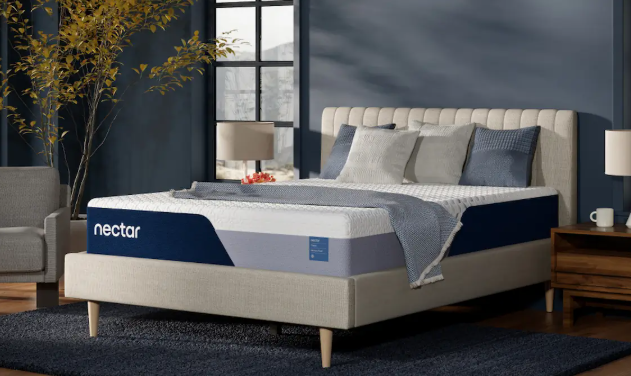
Nectar Classic Memory Foam leans more into that traditional memory-foam feel. It gives deeper contouring and strong motion isolation, which can work well for side sleepers or light sleepers with a restless partner. It’s probably the wrong comparison if the thing you liked about Beautyrest was the coil support. If pressure relief and price matter more, Nectar starts to make sense.
DreamCloud Classic Hybrid: Best Budget Beautyrest Alternative With Coils
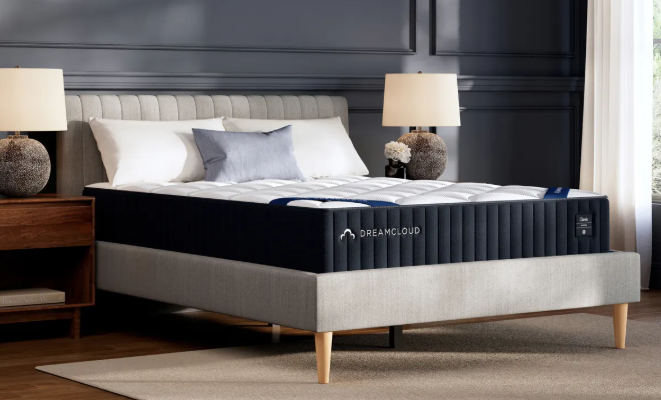
The DreamCloud Classic Hybrid is closer to what a Beautyrest shopper may be picturing because it’s a hybrid. It uses individually wrapped coils under a quilted pillow top, so it has more bounce and airflow than a typical all-foam bed. It won’t feel as substantial as a high-end Beautyrest, but it sits in the same general category: cushioned top, coil support, and a familiar mattress feel.
Both Nectar and DreamCloud offer 365-night trials and Forever Warranties. Beautyrest.com purchases, by comparison, come with a 100-night in-home trial. Trial length can sound like a minor policy detail until you remember that you can’t really know whether a mattress works for your back after lying on it in a store for fifteen minutes.
The trade-offs in this tier are mostly in the details. You may get less zoned support, thinner coil gauges, simpler edge reinforcement, and covers that aren’t always removable for cleaning. For a guest room, a kid’s room, or a first mattress purchase where the budget doesn’t stretch past $2,000, those compromises may be reasonable.
For someone who specifically wants the structure, edge support, and heavier feel of a luxury hybrid, the gap is bigger. Nectar and DreamCloud are different mattresses for a different budget. They’re still worth considering if the real goal is better sleep without spending Beautyrest Black money.
What to Check When Comparing Beautyrest Alternatives
The hardest part of cross-shopping Beautyrest is finding something that matches the part of Beautyrest you liked the most. Plenty of mattresses are cheaper, but it’s harder to find something cheaper in precisely the right way. Before buying, I’d compare:
- Coil type: individually wrapped, zoned coils vs. open-coil or Bonnell systems
- Firmness labels: compare on a consistent 1–10 scale, not brand-to-brand wording.
- Real price: what you’d actually pay after current promotions
- Trial length & returns: how long you have, whether pickup costs extra, and whether retailer policies differ
- Delivery: boxed shipping vs. in-room setup and old-mattress removal
Coil construction matters more than marketing language. Current Beautyrest Black models use Triple-Stranded Pocketed Coil technology for individualized support and motion separation. When comparing alternatives, I’d look at whether the mattress uses individually wrapped coils and whether the support is zoned. Zoned designs vary, but they generally change the level of support across different parts of the mattress rather than using the same feel from head to toe.
Firmness labels aren’t standardized. A “medium” from one brand can feel firmer than another brand’s “medium-firm.” I ended up relying more on independent testing sites that rate firmness on a consistent 1-to-10 scale instead of assuming the brands’ labels were directly comparable.
MSRP is another thing to be careful with. Mattress promotions can change frequently, so I’d compare the price you can actually get rather than relying too heavily on the crossed-out MSRP. The number that matters is what you’d pay at checkout.
Trial length and return terms are part of the real price, too. Beautyrest.com currently gives you 100 nights, while Nectar and DreamCloud offer 365-night trials. But length isn’t the only thing to compare. Check return pickup, fees, exchange limits, and whether you’re buying directly from the brand or through a retailer with its own policy.
Delivery matters too. Bed-in-a-box mattresses arrive compressed and rolled, while brands including Saatva and Beautyrest offer white-glove delivery with in-room setup and old-mattress removal on direct purchases. If you’ve got back problems, that can be worth actual money.
Which Beautyrest Alternative Is Best for You?
Quick Decision List
- Want the traditional coil-on-coil, hotel-mattress feel? → Saatva Classic
- Want a heavier, traditional luxury feel? → Stearns & Foster
- Is cooling the priority? → Brooklyn Bedding Aurora Luxe
- Side sleeper focused on pressure relief specifically? → Helix Midnight Luxe
- Want the distinctive buoyant feel of Purple’s grid? → Purple
- Budget is the main constraint, want foam contouring? → Nectar Classic Memory Foam
- Budget is the main constraint, want more bounce/hybrid feel? → DreamCloud Classic Hybrid
I wouldn’t choose based on which mattress is the “best Beautyrest alternative” overall. I’d choose based on which part of Beautyrest you were trying to replicate in the first place. Saatva gets closer to the traditional hotel-bed feel. Aurora Luxe makes more sense if cooling is the priority. Helix Midnight Luxe stands out for side-sleeper pressure relief, while Nectar and DreamCloud bring the price down considerably.
After spending a lot of time looking into all of this, my takeaway is that Beautyrest can still be the right call for some people. If you know the exact model you want, and it fits your body and budget, that’s a good enough reason. If you’re still comparing, get clear on why Beautyrest appealed to you.
For me, the useful question was, “What problem am I actually trying to solve?” Back support, cooling, pressure relief, motion isolation, price, delivery, or return risk. Those matter when the mattress is in your room, and you’re trying to sleep on it, not when it looks good on a showroom floor.