

- RemyCloud Pillow Review: Does Its Adjustable Cooling Design Really Work? - September 25, 2026
- Best Duvet Cover For Hot Sleepers: What to Look for Before You Buy - August 4, 2026
- Is Passive Cooling Enough? When to Consider a Smart Sleep System - July 25, 2026
If you’ve ever woken up sweaty in the middle of the night, you might assume your mattress or comforter is to blame, but one piece of bedding that’s often overlooked is the duvet cover. Since it’s one of the layers closest to your body, the fabric you choose can have a surprising impact on how warm or cool you sleep.
As someone who sleeps hot, I’ve learned that not all “cooling” duvet covers are created equal. Some rely on breathable natural fibers, while others use moisture-wicking performance fabrics or antimicrobial treatments to create a fresher sleep environment. Understanding those differences makes it much easier to choose a duvet cover that actually fits the way you sleep.
What Makes a Duvet Cover Cool?
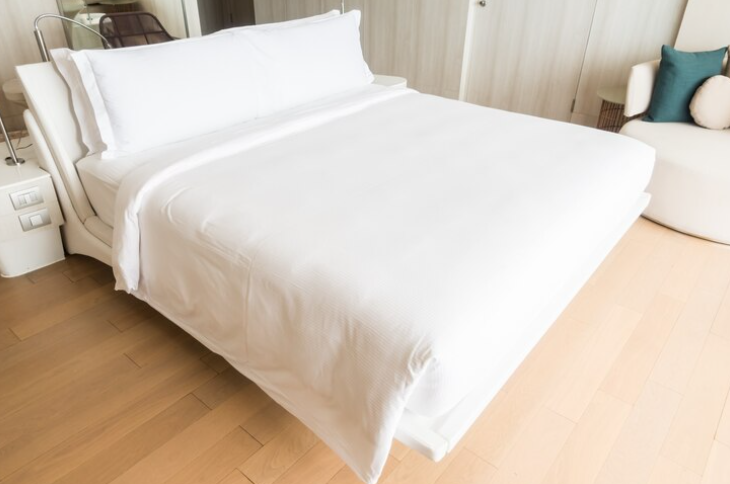
A duvet cover’s ability to help you sleep cooler comes down to more than just the material it’s made from. Factors like breathability, airflow, fabric weight, weave, moisture management, and heat retention can all affect how comfortable you feel throughout the night.
It’s also important to understand what a cooling duvet cover can and can’t do. A duvet cover doesn’t actively lower your body temperature like a temperature-controlled sleep system. Instead, a well-designed cooling cover can help minimize heat buildup by allowing air to circulate and giving excess body heat and moisture a place to escape.
For hot sleepers, this means the right duvet cover should feel breathable rather than heavy or stuffy. The goal isn’t necessarily to make your bed feel cold the moment you climb under the covers. Instead, you’re looking for materials that help prevent your bedding from becoming increasingly warm and uncomfortable as the night goes on.
Best Materials for Hot Sleepers
The main materials you’ll come across when shopping for a cooling duvet cover include cotton, linen, bamboo-derived fabrics, and performance fabrics such as nylon or polyester blends. Each has its own strengths and tradeoffs when it comes to breathability, moisture management, texture, and durability. Understanding the differences can help you decide which material is the best fit for your sleep preferences.

Cotton
Cotton is one of the most popular choices for bedding, and for good reason. It’s naturally breathable, relatively easy to care for, and has a distinctive feel against your skin. I love that soft and smooth feel, though not everyone else does! The type of cotton and the way it is woven can affect how a duvet cover feels and performs, so it’s worth looking beyond the fiber itself when comparing different options.
For hot sleepers, cotton can be a good choice if you want a familiar, breathable material that doesn’t feel overly technical. A lightweight cotton cover can allow heat and moisture to move away from the body, helping prevent your bedding from feeling stuffy as the night goes on.
Linen
Linen is another popular option for hot sleepers because of its breathability and ability to manage moisture. It has a relaxed texture and tends to become softer with use, which appeals to people who prefer a more casual, lived-in feel.
The downside is that linen can be more expensive than cotton, and its texture isn’t for everyone. It also wrinkles easily, so shoppers who prefer a smooth, polished look may find it less appealing.
Bamboo-Derived Fabrics
Bamboo-derived fabrics are often marketed toward hot sleepers because of their soft feel and moisture-management properties. Depending on how the material is processed, these fabrics can feel smooth and lightweight against the skin.
However, “bamboo” bedding isn’t necessarily one specific type of fabric. Bamboo can be processed into different types of rayon or viscose, so shoppers should look at the actual construction and care instructions rather than assuming every bamboo-derived duvet cover will perform the same way. Some bamboo bedding can slip around too much, while others don’t have that smart look you get with more traditional materials.
Performance Fabrics
Performance fabrics, including nylon and polyester blends, are another option for people who tend to sleep hot. These materials are often engineered with features like moisture wicking and quick drying, making them popular in athletic clothing and performance-oriented bedding.
The tradeoff is that synthetic fabrics can feel different from natural fibers. Some sleepers appreciate the smooth, lightweight feel, while others prefer the more familiar texture and breathability of cotton or linen. If you are sensitive to how your bedding feels against your skin, this is worth considering before you buy.
Why The Weave Matters
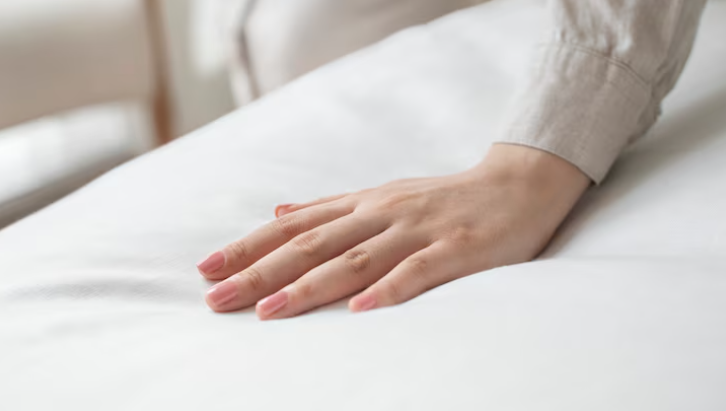
Although the fabric does make a big difference when it comes to cooling performance, the fiber isn’t the whole story. For example, two cotton duvet covers can feel very different depending on their weave and weight. Duvet cover weaves mainly include percale, sateen, and flannel, which change how the fabric feels and handles room temperature.
A percale weave gives the cover a crisp, lightweight, and airy feel. This is a great option for hot sleepers who prioritize maximum breathability and want a classic, cool-to-the-touch feel. The tradeoff is that percale can feel slightly rougher or less silky than other weaves, and it may wrinkle more easily.
Sateen has a smoother, softer feel and typically has a slightly denser construction than percale. While that can make it feel warmer than an ultra-light percale, a lightweight cotton sateen can still offer plenty of breathability while providing a more comfortable, silky feel against the skin. For hot sleepers who don’t necessarily want the crisp feel of percale, sateen can offer a nice balance between airflow, softness, and comfort.
Flannel is generally the least appealing option for hot sleepers. Its brushed, fuzzy surface is designed to trap warmth, making it a better choice for cold bedrooms or winter use than for anyone who regularly wakes up overheated.
Don’t Forget the Duvet Insert
Even the most breathable duvet cover can’t completely compensate for an overly warm insert. If you sleep hot, pairing a breathable cover with a lightweight or temperature-appropriate insert can make a bigger difference than simply buying a cover marketed as “cooling.”
When choosing an insert, consider the fill material, weight, and breathability, not just the cover it comes with. A lightweight, breathable material can help prevent heat from building up under the covers, while a heavier, more insulating option may leave you tossing and turning no matter how cooling the outer cover feels. The goal is to create a complete bedding setup that allows heat and moisture to escape rather than trapping them close to your body.
My Pick: The Miracle Made Duvet Cover
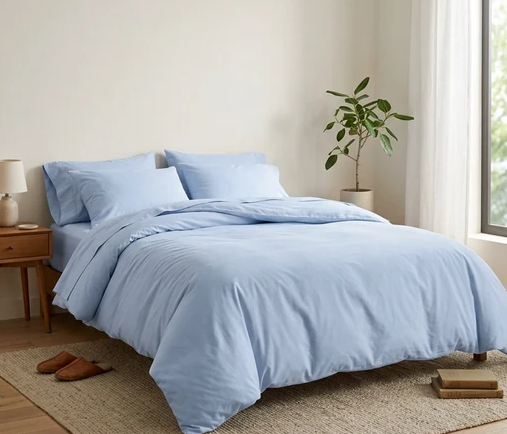
After comparing different materials and weaves, the Miracle Made Duvet Cover stood out to me as a strong option for hot sleepers who want a balance of breathability, softness, and freshness. It is made from 100% cotton with a smooth sateen weave, giving it a softer feel than the crisp texture of traditional percale while still offering the breathability of a natural fiber.
The cover is also treated with a silver finish designed to reduce odor-causing bacteria. For hot sleepers who deal with night sweats, this is an interesting added benefit because it is designed to help the bedding stay fresher for longer between washes.
What I like most is that its cooling approach focuses on quality materials and a fresh feel. For someone who wants a duvet cover that feels comfortable all the time and keeps you cool when you need it to, it checks a lot of boxes for me.
What Are the Best Alternatives?
If you don’t think Miracle is the brand for you, there are plenty of other options. I’d start by defining the feel you want from your bedding. Linen has that relaxed feel, while percale cotton is crisper to the touch, with bamboo and performance blends different again.
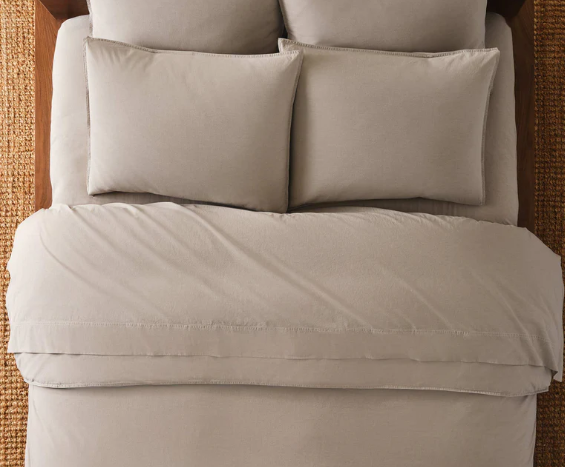
Brooklinen is another trusted name in the bedding space. It carries a range of materials and puts more emphasis on a luxurious feel, but the price point is often higher than Miracle.
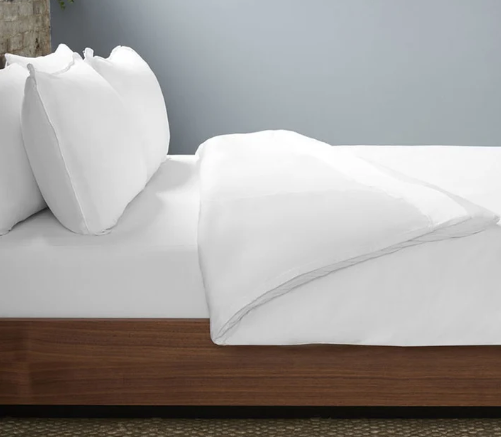
Performance-focused brands like Sheex may appeal to shoppers looking for moisture management and temperature regulation. Its Original Performance duvet cover is a polyester and spandex blend, so you don’t get that classic cotton feel, but some may prefer its ultra-soft texture.
Silvery is another option worth considering for shoppers who are specifically interested in silver-infused fabrics and freshness benefits, though they currently only produce an all-in-one comforter rather than separate duvet covers.
The Right Duvet Cover Can Make a Bigger Difference Than You Think
The biggest lesson I’ve learned is that while your duvet cover is only one part of the equation, it’s an often-overlooked one. Sheets seem to be where people focus their attention, but pairing the right cover with a lightweight, breathable insert can help just as much.
Get all the elements right, and you can create a sleep setup that feels more comfortable from bedtime through the middle of the night. For hot sleepers, that combination may be the difference between constantly kicking off the covers and actually getting a more restful night’s sleep.