

- Beautyrest Alternatives: What Else Delivers the Luxury Feel? - August 12, 2026
- The Best Tempur-Pedic Alternatives in 2026: Same Feel, Better Value - August 3, 2026
- Why Do I Wake Up Hot at Night? Causes, When To Worry, and What Actually Helps - July 6, 2026
Tempur-Pedic built its reputation around its proprietary TEMPUR material, which traces its origins to pressure-relieving foam research conducted by NASA scientists in the 1970s. The commercial version used in mattresses was later adapted to provide slow-moving, body-conforming pressure relief. It makes sense that something that helps astronauts stay comfortable in small shuttles for days could very well be helpful on your bed.
The mattresses are also engineered to maintain the natural curvature of your spine. They have a distinct feel: slow to respond, deeply contouring, good at absorbing movement with a sinking, body-hugging feel.
This guide is for people who might be drawn to the appeal of a Tempur-Pedic mattress but aren’t ready to spend Tempur-Pedic prices. Plenty of shoppers want the Tempur-Pedic feel without the Tempur-Pedic price tag. The challenge is figuring out which alternatives actually deliver similar benefits rather than simply advertising memory foam.
What Makes Tempur-Pedic Worth Considering
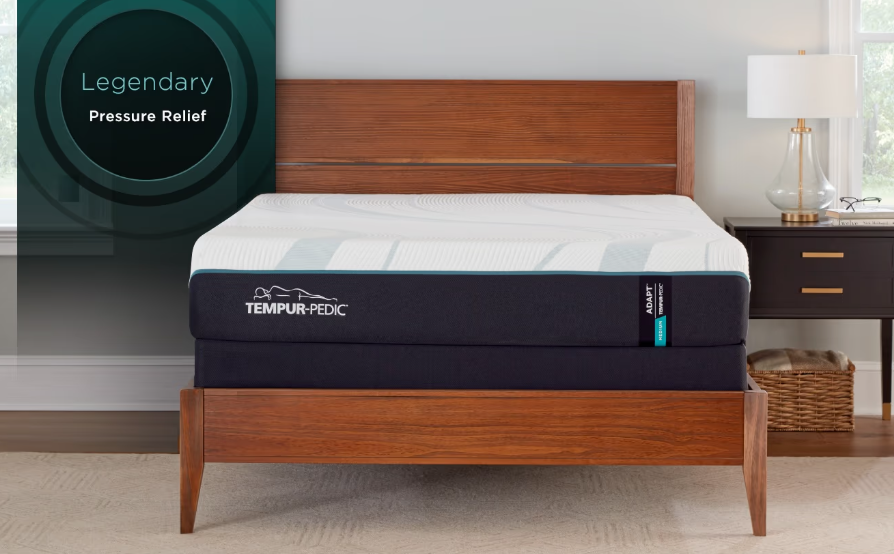
Before comparing alternatives, it helps to be clear about what Tempur-Pedic does well. The pressure relief is still the big one. TEMPUR material conforms closely to the body, spreading weight across a wider surface area and helping reduce pressure buildup around the hips and shoulders.
The motion isolation is also excellent. The dense foam absorbs movement well, which is useful if you sleep with a partner or if you are already a light sleeper. Motion can be more obvious when your insomnia is bad, so this can be a major consideration. A mattress that moves every time the other person turns over is not helpful.
Durability is another point in its favor; Tempur-Pedic mattresses are built to last, and independent testing suggests that the LuxeAdapt line can hold its shape for 8 to 10 years under normal use. The model range is also broad, with enough firmness and construction options to cover many sleep styles.
Where Tempur-Pedic Falls Short
The downsides, though, are just as consistent across reviewers. Heat retention is one of the biggest complaints. Dense memory foam tends to retain heat, and all-foam Tempur-Pedic models can sleep hotter than hybrid models with coils. If you sleep hot, you might need the Breeze upgrades to sleep comfortably, and those upgrades will add $1,000 to $1,500 to the price.
The second issue is the slow response. While some people love the way Tempur-Pedic slowly molds around the body, if you shift positions a lot, that same feel can make movement harder. If you have a bad back, you don’t want to fight the mattress every time you need to roll over.
The third issue is policy. A 90-night trial isn’t terrible, but a lot of competitors offer 100, 120, or even 365 nights. The return fee is also a deterrent – a mattress is a bulky item, and a pain to send back. When a mattress costs this much, the ability to test it without feeling boxed in becomes part of the value.
And while we’re chatting about price, a Tempur-Pedic queen mattress starts at around $2,199 for the Adapt model and climbs much higher for the Breeze and Luxe. It also has a shorter trial period than many other online brands, offering only a 90-night trial and charging a $175 fee for returns, regardless of the reason. That doesn’t necessarily make it a bad purchase, but it is, again, something to consider.
At a Glance: Top Tempur-Pedic Alternatives
| Mattress | Best For | Type | Firmness Options | Key Cooling/Comfort Feature | Queen Price (approx.) |
| Brooklyn Bedding Aurora Luxe | Hot sleepers, couples, back/stomach sleepers | Hybrid | Soft, Medium, Firm | GlacioTex cover + CopperFlex + TitanCool multi-layer active cooling | $1,332–$1,699 |
| Nectar Classic Memory Foam | Budget shoppers, side sleepers | All-foam | Medium-firm | Deep pressure relief; motion isolation at fraction of TP price | ~$800–$999 |
| Saatva Loom & Leaf | Premium foam fans, back/side sleepers | All-foam | Relaxed Firm, Firm | High-density gel-infused foam; 365-night trial | ~$1,699–$1,999 |
| Amerisleep AS3 | All positions, eco-conscious buyers | All-foam | Medium | HIVE zoned support; plant-based Bio-Pur foam | ~$1,099–$1,399 |
| Helix Midnight Luxe | Side sleepers, couples | Hybrid | Plush, Medium, Firm | Zoned lumbar coils; pillow-top cushioning | ~$1,699–$2,099 |
| Layla Memory Foam | Shoppers wanting firmness flexibility | All-foam | Soft + Firm (flippable) | Dual-sided design; copper-infused foam | ~$899–$1,099 |
| Tempur-Pedic ProAdapt (reference) | Deep-contour devotees | Foam or Hybrid | Soft, Medium, Firm | Proprietary TEMPUR-APR; best-in-class motion isolation | $3,399–$4,999 |
The Best Tempur-Pedic Alternatives by Category
Best Cooling Alternative: Brooklyn Bedding Aurora Luxe
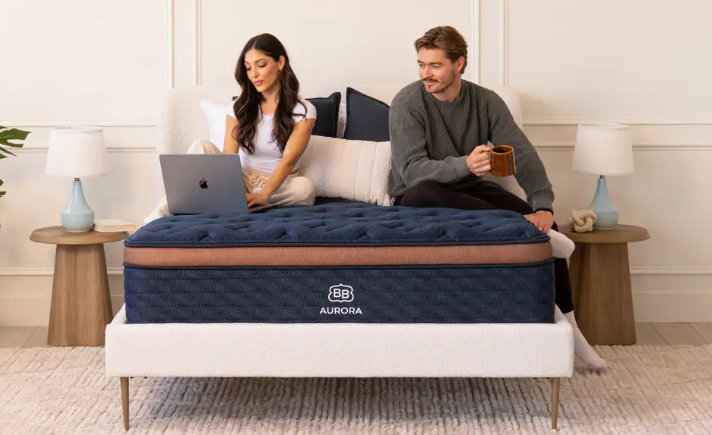
If you’re looking at Tempur-Pedic’s Breeze line because you sleep hot, the Brooklyn Bedding Aurora Luxe is the first alternative to consider. It’s a hybrid, which already gives it an airflow advantage over dense all-foam beds. It’s also built with cooling as a main feature rather than a small add-on.
The Aurora Luxe uses a GlacioTex cover, CopperFlex foam, TitanCool technology, TitanFlex foam, transitional memory foam, and a pocketed Ascension coil core. That’s a lot of product language, but the basic idea is straightforward: the mattress is designed to move heat away from the body while still providing cushioning and support. The coils also help air move through the bed, which is one reason hybrids often work better for hot sleepers.
Brooklyn Bedding lists a 120-night trial and a limited lifetime warranty for the Aurora Luxe, which makes it easier to test than Tempur-Pedic from a policy standpoint. It also comes in soft, medium, and firm options. That matters because “best cooling mattress” isn’t useful if the firmness is wrong for your body. Back and stomach sleepers will probably want a medium or firm mattress. Side sleepers with shoulder sensitivity may want a soft mattress. Combination sleepers may prefer it because it responds faster than Tempur-Pedic-style foam.
The trade-off is feel. The Aurora Luxe doesn’t replicate the deep, slow Tempur contour. If you want that dense foam hug, this will feel more lifted and responsive. That’s not necessarily a bad thing. When your back is irritated, being able to shift positions without effort is part of comfort. But it has a different feel, so it shouldn’t be treated as a one-to-one copy of Tempur-Pedic. The queen price is approximately $1,332–$1,699.
Best Deep-Contouring Alternative: Nectar Classic Memory Foam
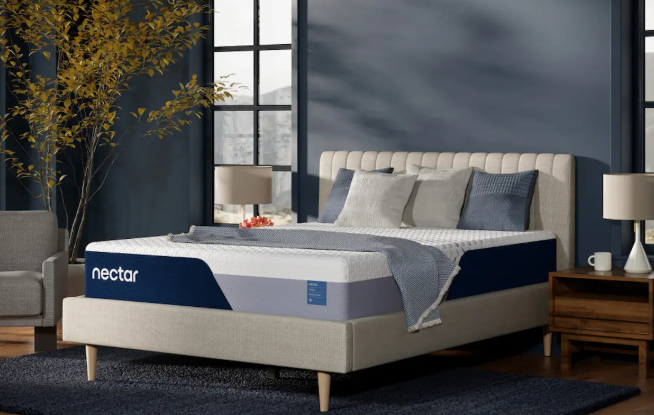
The Nectar Classic Memory Foam is the option to consider if price is the main barrier and you still want something closer to a slow-memory foam feel. It’s an all-foam mattress with the contouring and motion isolation people often want from Tempur-Pedic, though not with the same proprietary material or luxury build.
Nectar’s current product page lists a 365-night trial, a lifetime warranty, and a queen price that’s often far below Tempur-Pedic’s entry-level models. Prices change constantly, but the overall point holds: Nectar is much cheaper. If you’re trying to find out whether a deep-contouring foam mattress helps your sleep without immediately spending several thousand dollars, this is a practical place to start.
The Nectar is usually described as medium-firm, though some reviewers place it on the firmer side of that range. That may make it better for back sleepers than people expect, but it can be less forgiving for side sleepers who want a very plush feel. Be careful if you’re lightweight and side-sleeping with shoulder pain, because firmer foam can feel harder than the number on the label suggests.
The reason Nectar belongs in this category isn’t that it’s secretly Tempur-Pedic (it isn’t). It belongs here because it moves in the same general direction: slow foam, pressure relief, good motion isolation, and a long trial period at a much lower price. The queen price is approximately $800–$999.
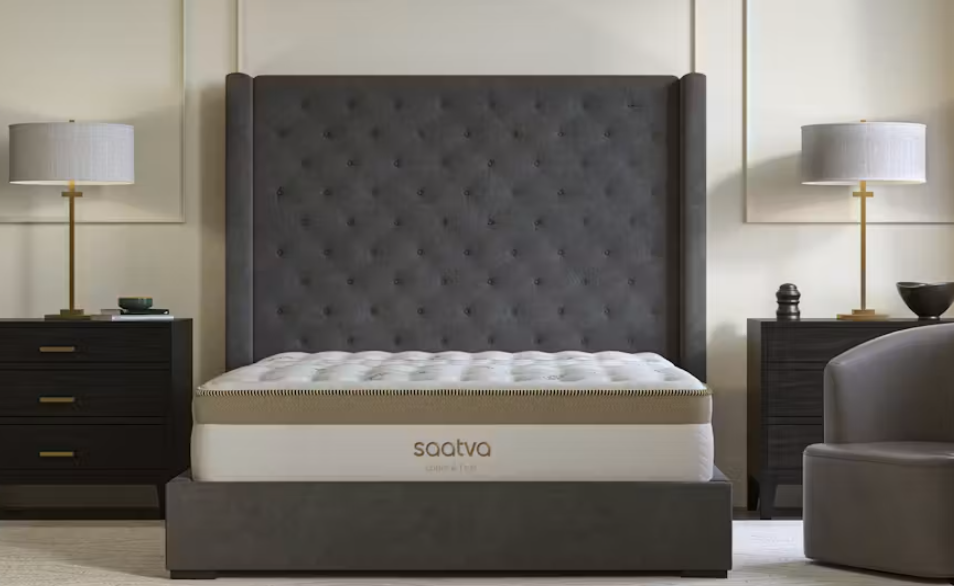
Saatva Loom & Leaf is the one that most compares to Tempur-Pedic if you want something that still feels premium but doesn’t have Tempur-Pedic’s high prices. It includes:
- An all-foam mattress with high-density foam
- A gel-infused memory foam comfort layer
- Spinal zone quilting
- Two firmness options: Relaxed Firm and Firm.
Saatva currently lists a 365-night home trial, free in-room delivery and setup, a lifetime warranty, and free mattress removal on the Loom & Leaf page. If you have back problems, moving a mattress around your house isn’t a small thing. White-glove delivery and old mattress removal aren’t glamorous features, but they’re useful.
Loom & Leaf doesn’t fully copy the TEMPUR feel. It has more of a premium memory foam feel than a precise Tempur-Pedic feel.
If you’ve slept on Tempur-Pedic and know nothing else works for you, Loom & Leaf may not meet that exact need. If you’re just looking for a high-quality foam mattress with strong pressure relief, it’s a reasonable comparison. The queen price is approximately $1,699–$1,999.
Best for Pressure Relief and Zoned Support: Amerisleep AS3
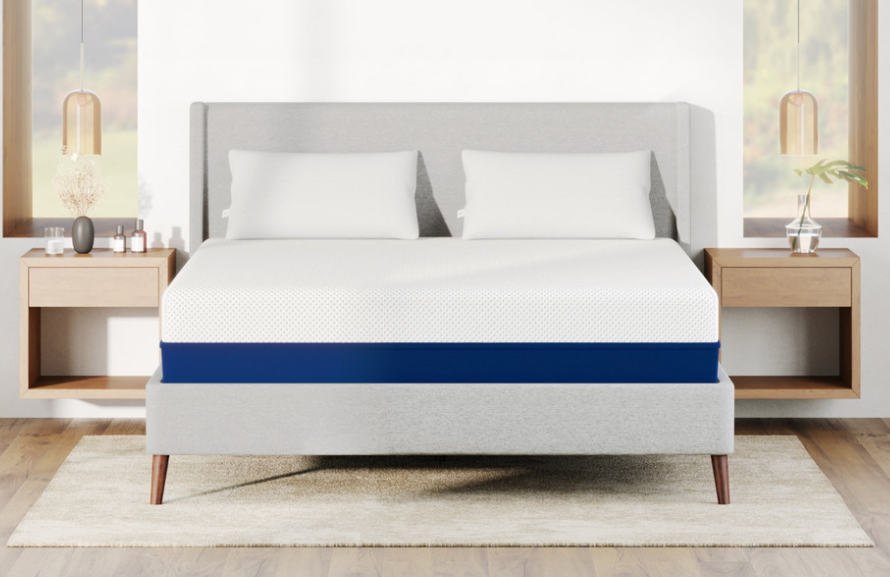
The Amerisleep AS3 earns its place here for its combination of pressure relief and zoned support. A mattress can feel comfortable for five minutes and still fail overnight if it lets your hips drop or your lower back tense up.
The AS3 uses Amerisleep’s Bio-Pur foam and HIVE zoning. Amerisleep describes Bio-Pur as a plant-based, more responsive foam, and the AS3 construction includes HIVE technology for targeted support. The company lists a 100-night trial and a 20-year warranty.
The main appeal here is that the AS3 should be easier to move on than a dense, slow-responding foam mattress. That’s useful if you switch positions during the night or if your back gets stiff when you stay in one position too long. The zoning is also relevant for people who need cushioning around the shoulders but more lumbar support.
This isn’t the deepest contouring option on the list. It’s more of a middle ground: foam pressure relief, medium feel, better responsiveness, and support that isn’t the same across the whole mattress. For people with back sensitivity who don’t want to feel trapped in the bed, that may be a better fit than trying to imitate Tempur-Pedic exactly. The queen price is approximately $1,099–$1,399.
Best Hybrid for Side Sleepers: Helix Midnight Luxe
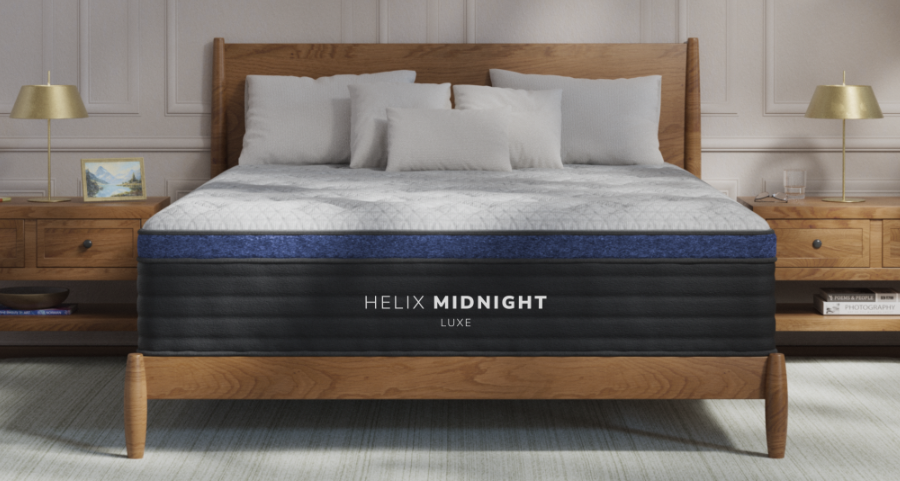
The Helix Midnight Luxe is one of the hybrids recommended for side sleepers, and the construction makes sense for that use. It uses a pillow-top comfort layer over zoned coils, so it gives cushioning at the shoulders and hips while keeping more support through the middle of the body.
Helix currently describes the Midnight Luxe as
- A medium-feel mattress designed for side sleepers
- Zoned lumbar support
- Pressure relief around the shoulders and hips
- A 120-night sleep trial
- A limited lifetime warranty.
For side sleepers with back sensitivity, the key issue is balance. Too firm, and the shoulder or hip can take too much pressure. Too soft, and the spine can fall out of alignment. The Midnight Luxe is trying to solve that with a plusher top and firmer support underneath. That doesn’t guarantee it’ll work for everyone, but it’s a sensible design for the problem.
It won’t feel like Tempur-Pedic. The coils give it more responsiveness, and the pillow-top gives it a softer surface feel rather than the slow, dense sink of TEMPUR material. If you toss and turn, that may be an advantage. If you want to be slowly absorbed into foam, probably not. The queen price is approximately $1,699–$2,099.
Best Value Pick for Firmness Flexibility: Layla Memory Foam
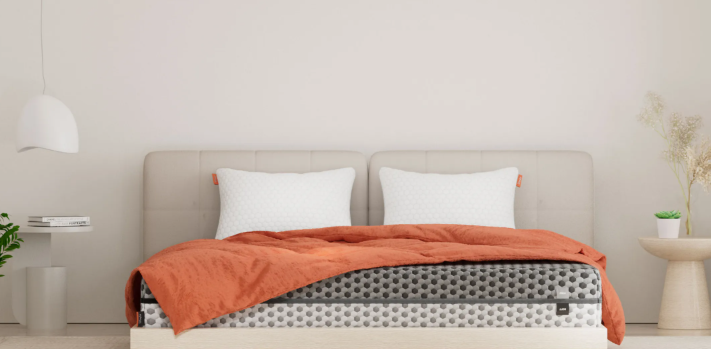
The Layla Memory Foam is useful because it gives you two firmness options in one mattress. It’s flippable, with a soft side and a firm side. That’s not just a gimmick if you’re genuinely unsure what firmness your back will tolerate. It gives you a second option without having to return the whole mattress immediately.
Layla’s own materials describe the mattress as flippable, copper-infused, and backed by a 120-night trial and lifetime warranty for the memory foam model. The copper-infused foam is meant to enhance temperature regulation and durability, though it’s wise to be realistic. It’s an all-foam mattress, so it probably won’t breathe like a hybrid.
The soft side is the closer Tempur-Pedic comparison because it gives more contouring. The firm side is better if you need a flatter, more supportive surface with less sinkage. For couples, or for people whose pain changes over time, that flexibility could be useful.
The downside is that a flippable mattress is still one mattress. If neither side works, the feature won’t save it. But at this price range, the ability to test two firmnesses is a real advantage. The queen price is approximately $899–$1,099.
The Value Question: Is Tempur-Pedic Worth the Price?
Tempur-Pedic can be worth it for a specific sleeper. If you’ve slept on TEMPUR material before and know that exact feel helps you sleep, there’s no need to pretend another mattress is the same thing. The ProAdapt is often considered the best value in the Tempur-Pedic lineup because it offers more of the full TEMPUR experience without going all the way to the most expensive models.
For everyone else, the value question is harder. The alternatives here aren’t identical, but they solve many of the same problems for less money. Some have longer trials. Some have better return terms. Some are better for cooling. Some are easier to move on. It really depends on what you need.
If you sleep hot, the Brooklyn Bedding Aurora Luxe is a good place to start rather than assuming the Breeze upgrade is the only answer. If you want a deep memory foam feel at a lower price, Nectar is the obvious starting point. If you want a more premium all-foam mattress with easier delivery and a long trial, Saatva Loom & Leaf is worth comparing. If your main issue is back support and you don’t want to feel stuck, Amerisleep AS3 makes sense. If you’re a side sleeper who needs cushioning but still wants support, Helix Midnight Luxe is one of the better hybrid options. If you don’t know what firmness you need, Layla gives you some room to figure that out.
At the end of the day, finding an alternative is less about finding the most impressive mattress and more about finding one that best addresses the specific factors affecting your sleep, right now.