

My husband and I recently decided it was time to find a new mattress. We’ve had our current one for five years, so not very long when you think about how most people we know have slept on the same mattress for 10-20 years. . . or sometimes even longer!
We had actually bought a Nectar when we first got married (our current mattress), and it’s not a bad mattress by any means; we are just in need of more support. We also didn’t really know what to look for in a bed at the time, and that not all mattresses are the same. Nectar mattresses have their pros and cons, which we know from personal experience. Would I choose a Nectar mattress again? Maybe. But I’ve also been considering another brand called Leesa.
Leesa Considerations

Upon first glance, I liked that you could immediately find where to shop for their sales. I would consider their mattresses to be in a medium price range; Affordable but not cheap. They also have mattresses for kids and plus-sized individuals, too.
They do have an option to compare their mattresses. I noticed that they have either hybrids or memory foams to choose from, and no innerspring. Innersprings are old school, or what all beds used to be before memory foam took over the market. (If you’re a Boomer, don’t come for me).
When we took their mattress quiz, it chose the Sapira Chill Hybrid for us because it’s cooling, pressure-relieving, and has edge support. We definitely need to be able to have edge support since myself or my husband tend to end up there when our baby or our pup sleeps with us.
I also noticed that once you click on the size mattress you want, you can customize it further to include your comfort level: Plush, Medium-Firm, or Firm. Nectar unfortunately, doesn’t offer that kind of customization. I do wish that they had an option for extra bedding (sheets, pillows, protector) like Nectar, though.
Nectar Considerations
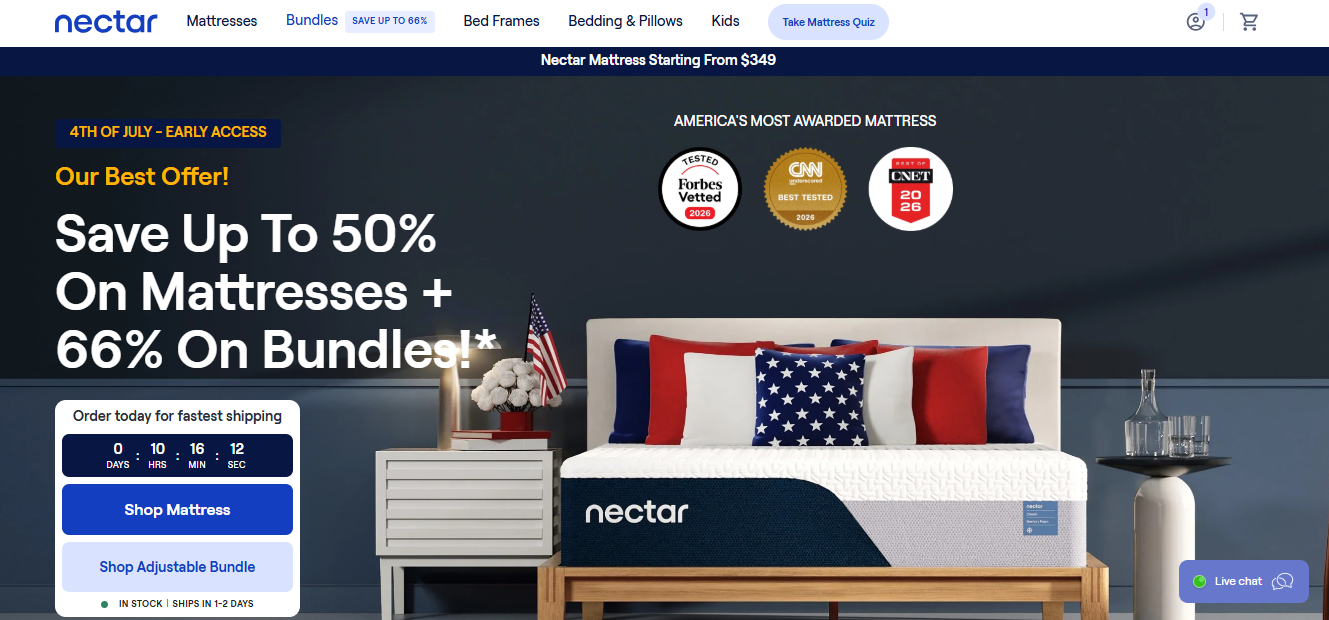
When I first clicked on Nectar’s website, they showed a sale happening (Memorial Day weekend sale) for both mattresses and bundles. Despite their sales, they are priced similarly to Leesa with a few differences.
If you end up choosing a Nectar mattress, I do recommend spending the extra $200 for the sheet set, mattress protector, and the two cooling pillows. We still sleep on the pillows we got with our Nectar because they are both cooling and really comfortable.
With each mattress, you can choose either memory foam or a hybrid. They also have mattresses specific for pressure relief, cooling, or ergonomic support (helps to keep your spine aligned).
This is the brand that I have personal experience with, so it makes sense for us to either try another brand (like Leesa) or a different mattress type than the one we currently have to improve and change our sleeping experience.
Warranty
Both Leesa and Nectar have warrantees on their mattresses. Nectar mentions a “forever warranty”, and Leesa has a “limited lifetime warranty”. So, what do each of those actually cover?
Leesa states that if it has a defect covered by the warranty, then they will replace or repair it, including any defective parts. This has no deductible.
It was difficult to find what exactly Nectar’s warranty covers. They mention that there is no expiration date for their warranty, hence “forever”.
Sleep Trial
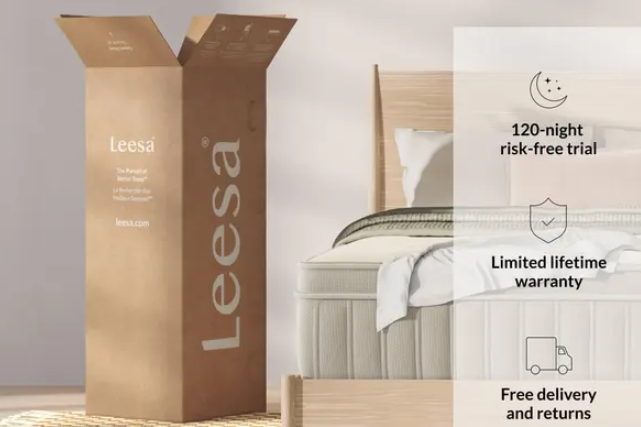
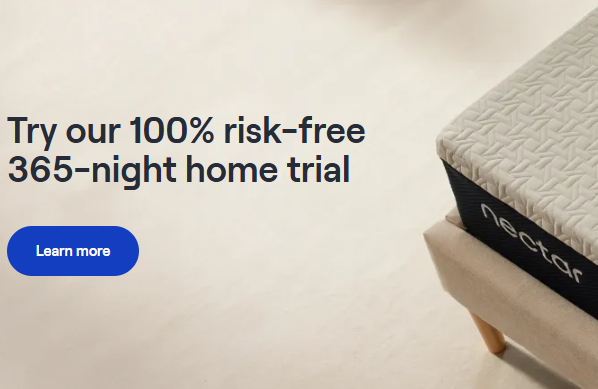
Leesa has a 120-night trial, which means you can try the mattress for up to 4 months, and if you are not satisfied during that time, then you are able to contact them to coordinate pickup with a full refund.
Nectar has a 365-night trial with free shipping and returns if dissatisfied with the mattress you chose.
Cost Breakdown
There are some great sales around the holidays. Currently, Nectar is offering up to 50% off of mattresses. Their price ranges from $349-$3,798 depending on what size you are buying (twin size up to a split king) and whether it is memory foam or a hybrid.
Leesa has 30% off of their mattresses at this time, and their prices range from around $675-$2,379. These prices are from twin sizes up to California king. As someone who values more natural options, I was surprised that their new Natural Hybrid Mattress (Leesa + West Elm) is affordable and on sale around $1,679 for a California king.
Types of Beds
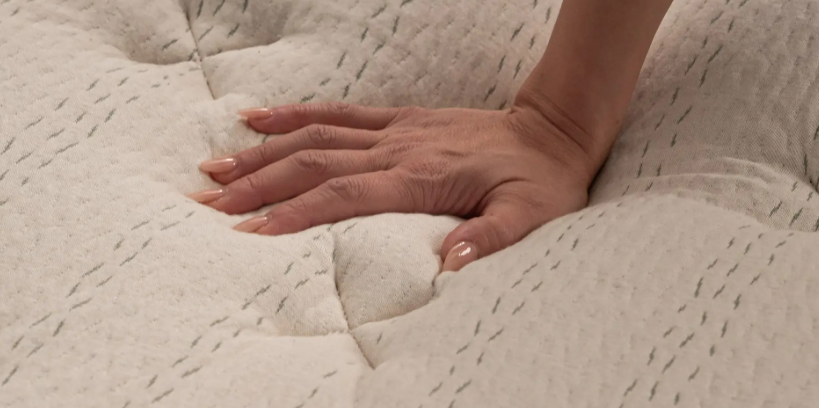
When going “bed shopping”, be aware that there are few different types, and they are meant to feel different too. The three main types are Innerspring, Memory Foam, and Hybrids.
Innersprings are exactly what it sounds like: beds that have coils or springs in the middle with little to no foam. This type of bed is considered “traditional”. Unlike memory foam or hybrids, they are sometimes made to be flipped.
Memory foam is known to “remember” or “conform” to one’s shape, almost as if it’s giving you a hug. This type of bed is made to respond to pressure and heat, which adds to its comfort.
Hybrids are a mix of both memory foam and innerspring. Most of the support comes from the coils, while the comfort comes from the thick memory foam top layers.
Innerspring Pros and Cons
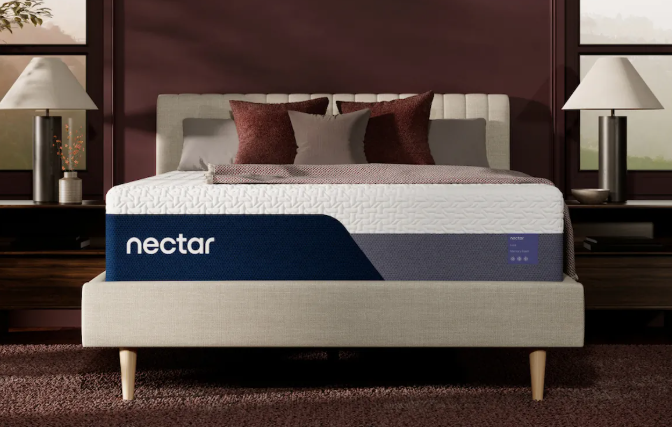
Neither Leesa or Nectar sell them, but Innersprings are known to last a really long time, typically 10 years or more. These mattresses are great for back sleepers since they tend to be firmer.
Although the coils or springs tend to feel firmer, they are not as comfortable since it has little to no foam padding. If you are looking for comfort or plush, this is not the type of mattress you would choose. Every innerspring I’ve ever been on is also noisy and does not isolate motion.
Memory Foam Pros and Cons
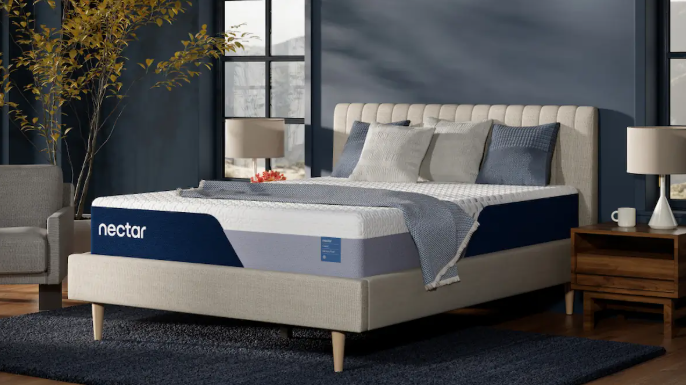
Our memory foam mattress from Nectar (Classic) is great at making you feel like you are laying on a cloud. It’s great for sleepers that enjoy more of a soft, comfy bed or one that molds to your shape. However, after these five years, it almost has too much give for us.
Unless you’re buying a firm memory foam mattress, it is not as supportive as innerspring or hybrids. We didn’t get to choose a level of firmness for our Nectar Classic, so I end up sleeping with a pillow tucked underneath my back while sleeping on my side for added support.
Hybrid Pros and Cons
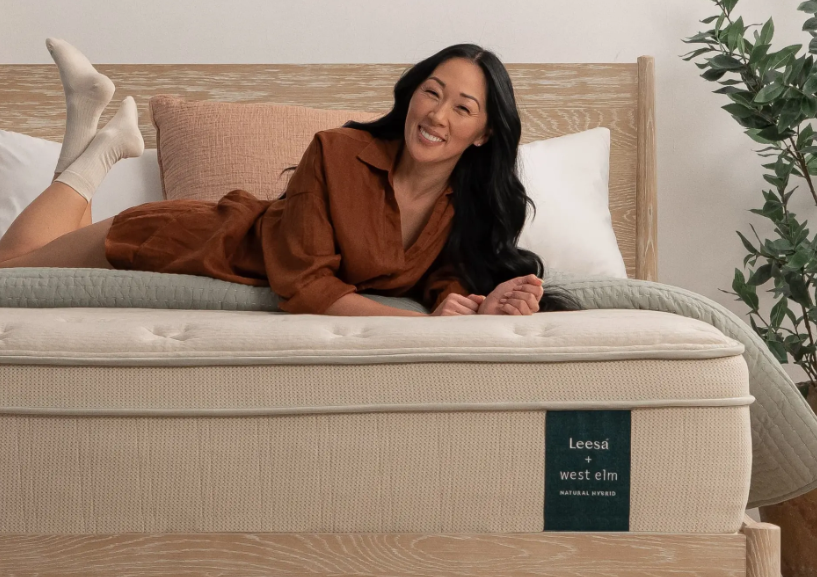
Hybrids can be great for improving spinal alignment since it isn’t typically as firm as an innerspring or as sinking as memory foam alone. They are also made to absorb motion and improve airflow so heat doesn’t trap as easily.
Hybrids tend to cost more than memory foam, and some people prefer no coils or springs and only memory foam. In a hybrid, you have both. If you’re looking for a firm bed as a back or stomach sleeper, you’re going to want the ability to choose firm. Or if you’re wanting to have that “wrapped-in-a-hug” feeling, this may not be the mattress for you.
Summary
I think Leesa wins for those of us who tried memory foam alone and would rather be able to sleep on top of our mattress, rather than sink deep into it. Nectar wins for that deep memory foam contouring.
We are hoping to find a bed that is comfortable, doesn’t wake us up with every move the other person makes, and can support our hips and joints. We might be under 30, but that doesn’t mean we don’t want a bed with the right kind of support!
Should you decide to choose a Nectar, I recommend either a Hybrid or one of their higher-end memory foam options since our Classic has been a little disappointing. If you’re going for a Leesa and you tend to sweat or get hot during the night, then you might want to consider the Sapira Chill options.