
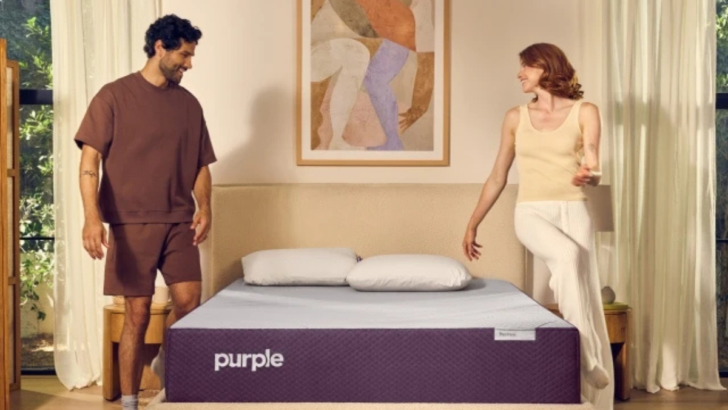

If you’re shopping for a new mattress right now, this is honestly one of the better times to do it. Most of the major online mattress brands run pretty aggressive sales throughout the year, especially around holidays, and there are more options than ever if you decide Purple is not quite the right fit.
Maybe you’re like me and have probably thought about the Purple mattress. I remember when I first saw an ad for it and thought, “Wow, now who would have come up with a literal purple mattress?”
A huge reason for that is the marketing. The bright purple color, the squishy grid demos, and those “egg test” commercials made the brand stand out immediately when most mattress companies were still blending together online.
But the bigger reason Purple became so popular is that it genuinely feels different from almost every other mattress out there.
Why Purple Became So Popular
Instead of relying mostly on memory foam or coils, Purple uses its proprietary GelFlex Grid, a stretchy polymer layer designed to flex under pressure points while staying supportive underneath the rest of your body.
The result is a floating, responsive feel that many sleepers either love immediately or need time to adjust to. But that unique feel is also why Purple tends to have very mixed opinions in reviews and Reddit discussions.
A lot of people absolutely swear by it for cooling and pressure relief, especially side sleepers and hot sleepers. Others say the grid feels strange, too springy, or simply not worth the higher price compared to more traditional hybrid mattresses.
Thinking About a Purple Mattress? Here’s What to Know First
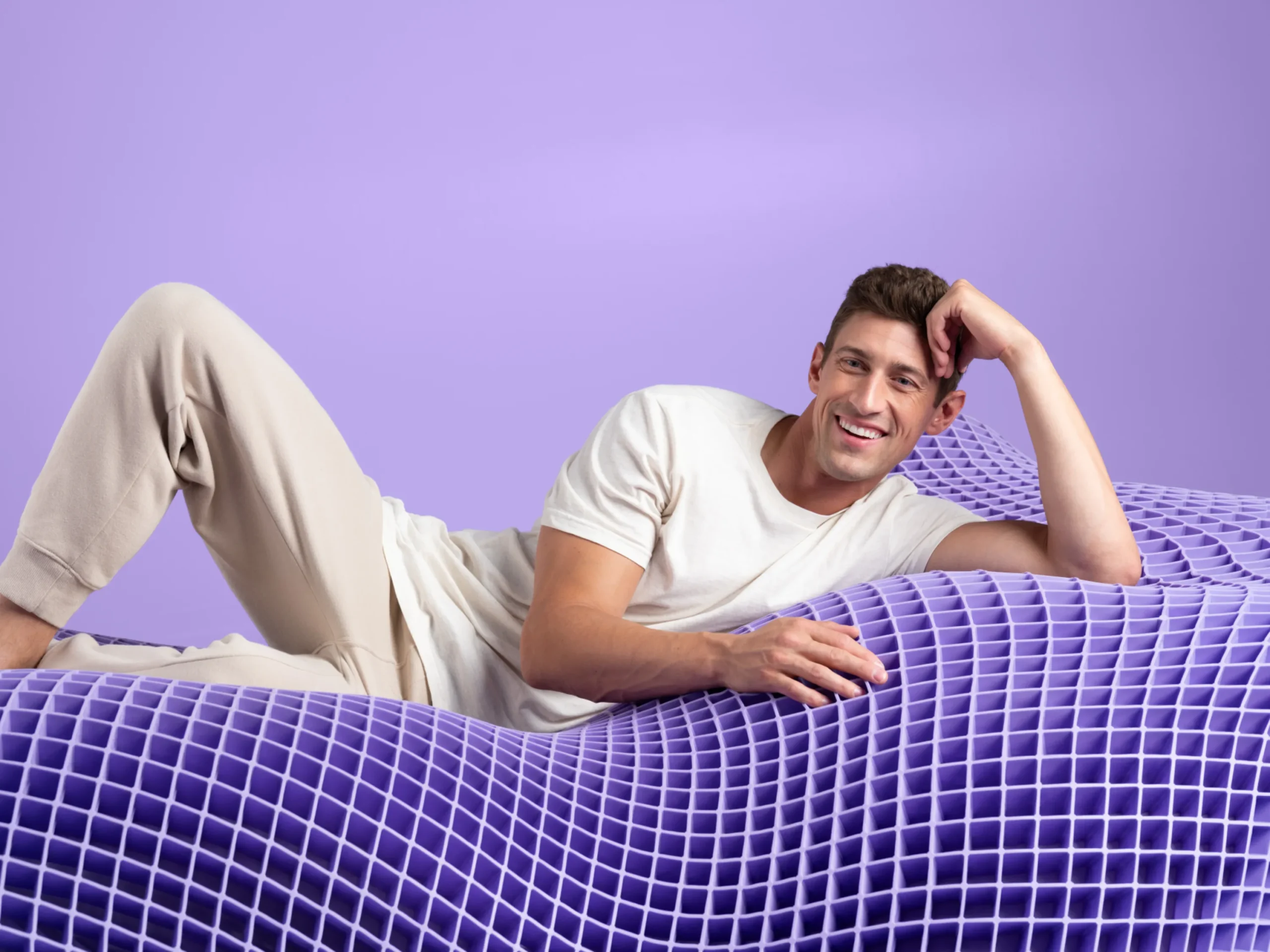
Purple’s biggest strength is cooling. The open-grid design allows much more airflow than traditional foam mattresses, which is why hot sleepers often notice a difference right away.
The grid also does a great job relieving pressure around the shoulders and hips. That is one reason Purple is especially popular with side sleepers and people who deal with joint discomfort.
Purple also includes free shipping and offers in-home setup on some models, which is a nice bonus considering how heavy many of their mattresses are.
At the same time, Purple definitely is not for everyone.
Where Purple Can Miss the Mark
The biggest complaint you’ll see in reviews is that the grid has an adjustment period.
Some people love the floating sensation after a week or two, while others never fully get comfortable with it. The mattress can feel softer and firmer at the same time, which sounds strange until you actually lie on one. A lot of reviewers describe it as feeling unlike memory foam or a traditional hybrid altogether.
Price is another downside. Even Purple’s more basic models often cost as much as premium hybrid mattresses from competing brands. Most queen-size Purple mattresses now fall somewhere between about $1,000 and $3,000 depending on the model and features.
Some shoppers also wish the trial period and warranty were more competitive. Purple offers a 100-night sleep trial and a 10-year warranty, which is solid but not especially generous compared to brands that now offer lifetime warranties or full-year trials.
That’s why many people eventually start comparing Purple to brands like Helix, Leesa, and Brooklyn Bedding. Those mattresses usually deliver a more traditional hybrid feel while still offering strong cooling, support, and pressure relief at similar or lower prices.
1. Helix: Best for Side Sleepers and Custom Firmness Options
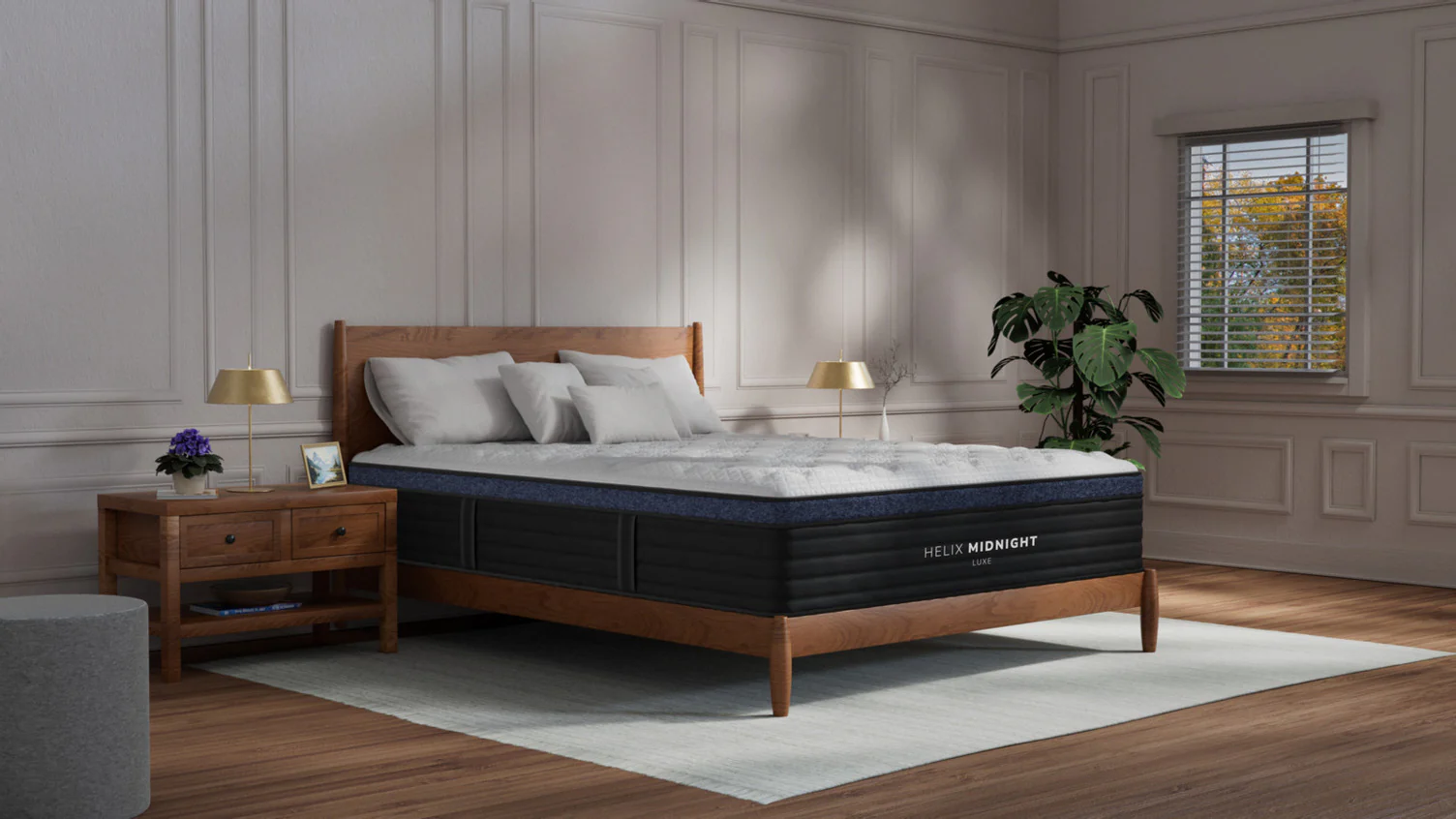
If I was going with a Helix, I’d choose either their Helix Midnight Luxe ($1,874 for queen size) or what my quiz paired me with: the Helix Twilight Elite ($2,998 for a queen size). The Twilight Elite has nine layers in total with five foam layers to make it firm, pressure point relief with back and hip support, and is supposed to stay cool through the night. It has a cooling cover to achieve that very purpose.
You can compare up to three mattresses on their website to see the similarities and differences in what you’re buying, which I appreciate from a buyer standpoint.
The Midnight Luxe is a little cheaper and has a medium feel. This is great for couples that tend to side sleep and prefer medium firmness with extra support. It also includes much needed lumbar support and has 6 layers in total. This mattress comes with a breathable cover or can be upgraded to the cooling one.
I think the only thing I’d worry about for the Twilight Elite is it possibly being too firm. If that was the case, they do offer exchanges for equal or greater value and a 120-night trial with free returns. As someone who looks for non-toxic products, I like that this brand is certified with no harmful chemicals.
2. Leesa: Best Budget-Friendly Alternative With a Balanced Feel
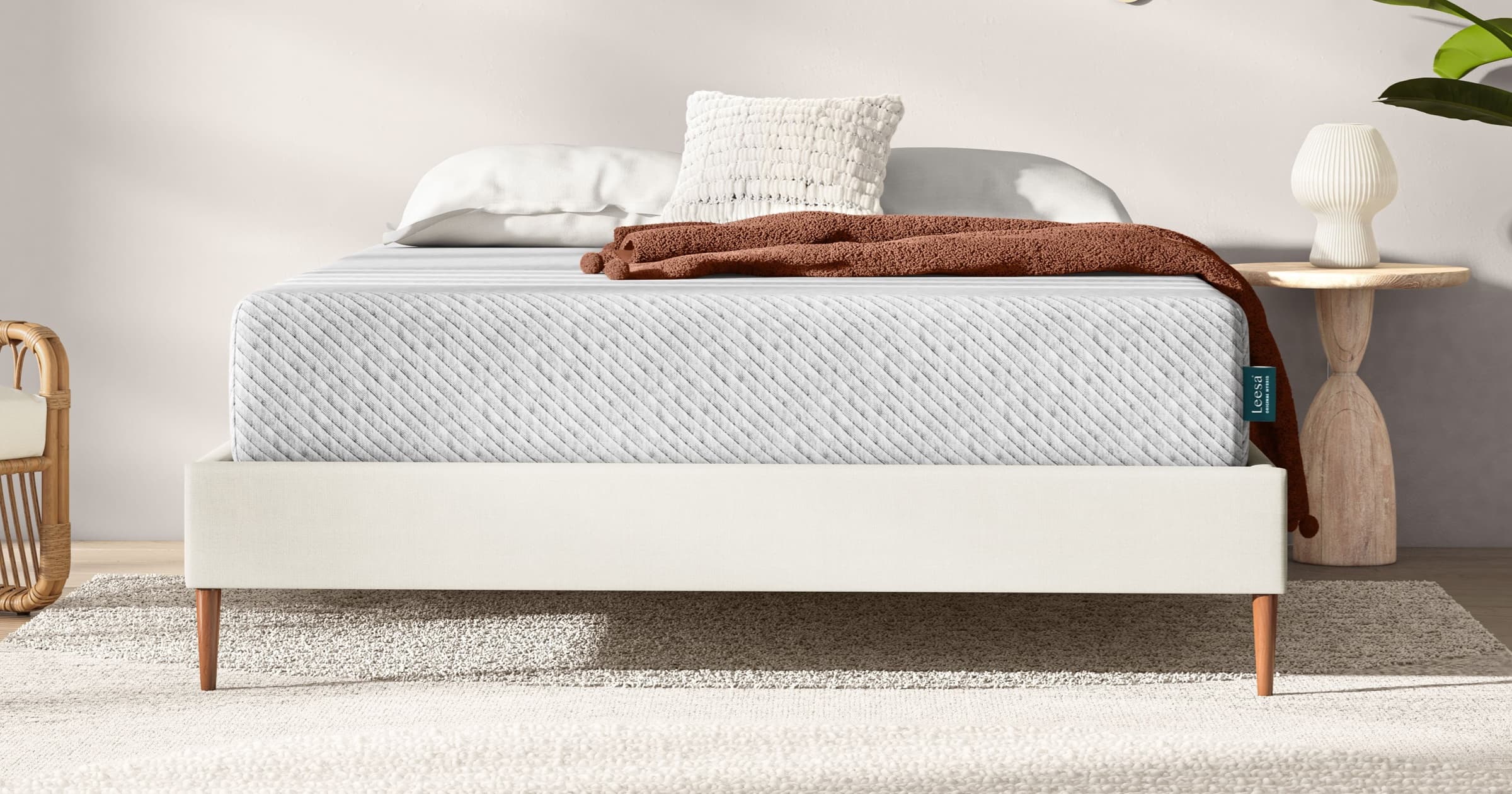
This brand is a great choice if you’re looking for something budget-friendly but still has the quality of a higher-end mattress. I also like that they include an eco-conscious or “natural” option that has organic cotton, organic latex, and New Zealand Wool. They call it the “Natural Hybrid Mattress”.
That is their most expensive mattress and is currently on sale for around $2,769 for a queen size. Their cheaper “Original” mattress is about $999 while on sale (as of now) for a queen size.
The philanthropist in me appreciates that Leesa has also donated over 43,000 mattresses to those in need and they partner with CleanHub/local communities in India to collect and recover ocean-bound plastic.
Although great for those of us that are looking for a mattress that won’t break the bank, they’re not as luxurious as some of the other brands. If you’re looking for white-glove delivery, they don’t offer that but do have another option; If chosen at checkout, the Ryder company will come set-up the mattress and remove your old one.
3. Brooklyn Bedding: Great Features Without Luxury Pricing
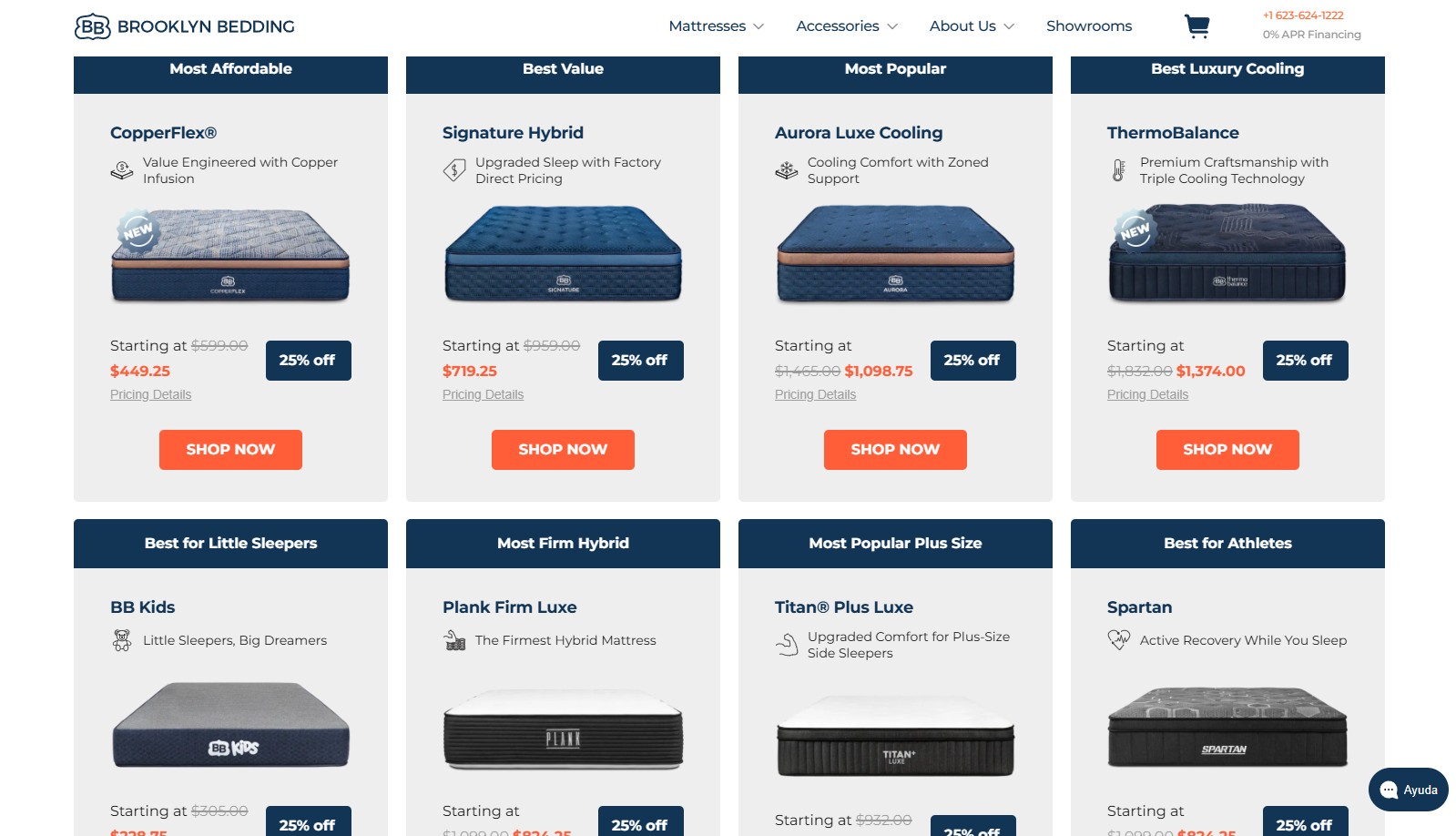
I don’t think they have anything to do with Disney, but they have a mattress named Aurora Luxe Cooling. This mattress is likely the one I would buy, not because of the name but it currently costs about $1,699 for a queen size, has options to choose firmness and make it more personalized based on our needs.
The motion isolation is a big deal for me. I wake up often in the night and not feeling my husband’s every move would be great! The medium feel is what I would choose as a mostly side sleeper with occasional combination of back sleeping. If you’re a hot sleeper, you can add the cloud pillowtop for extra cooling.
As an FYI, all Brooklyn Bedding mattresses come as a bed-in-a-box. Just like Leesa, they have a 120-night trial, free shipping, and a limited lifetime warranty. If you decide to return your mattress during the trial, there is still a $99 return fee for pick up.
I do wish that Brooklyn Bedding had a mattress quiz for when you just want to know which one goes best with your sleep preferences. If you have an RV, they include mattresses specifically for them!
How to Choose a Comfortable Mattress
This really all depends on how you sleep the most comfortably. Back sleepers need a mattress that is medium-firm to support the spine and its alignment. Medium-firm mattresses are made to relieve pressure and be supportive at the same time.
If you’re a side sleeper, then medium-firm would be best. Usually, I have pressure on my hips as I sleep so Memory Foam or Hybrids are typically what’s recommended.
Stomach sleepers would benefit from firmer mattresses. This seems counterintuitive to what I thought. I expected that soft-medium would be best but it can throw off spinal alignment if the bed sinks too much. If I slept on my stomach, then I would choose a latex, hybrid, or innerspring mattress.
Those with back aches and pains should consider medium-firm for lumbar support and pressure relief.
Final Thoughts: Don’t Overthink the “Perfect” Mattress
My advice? Start with the mattress quiz on the sites that offer them.
They really do help narrow things down based on how you actually sleep, not just what looks good online. If you already know you sleep hot, make sure you’re looking at mattresses that are built to stay cool through the night. If you wake up with aches, focus more on pressure relief and support instead of getting distracted by extra features you may not need.
And don’t stress too much about “getting it right” the first time. Most of these brands give you a trial period for a reason. Sleep on it, test it out, and if it’s not working for you, reach out and make the return or exchange. That’s what the trial is there for!
Budget matters, but so does long-term comfort. A mattress is something you use every night for years, so it’s worth paying attention to how it actually feels after a few weeks, not just the first impression.
And once you do choose a mattress, a small habit that often gets overlooked is rotating it every 6 to 8 months if the brand recommends it. It helps prevent uneven wear and can extend the life of the mattress, especially for hybrids and foam-based beds.
But most importantly, remember that the best mattress is usually the one that fits how you already sleep and holds up well over time.