


- Helix vs Saatva: Which One Suits The Way You Sleep? - May 4, 2026
- Helix vs Nectar: Which Mattress Will Give You A Better Sleep? - April 28, 2026
At one point in my life, I could sleep anywhere, through anything. Overnight on a couch with an action movie in the background, or on a nine-hour flight to Europe with a crying baby in the next seat. The noise did not stop me from falling (and staying) asleep.
But then, somewhere between reaching my thirties and becoming a mom, everything changed. I realized that uninterrupted sleep was actually a luxury. My once “high-end” IKEA mattress was no longer doing the job, and I’d wake up sore the next day. Then add a four-year-old into the picture, and a snoring husband (who took up 80% of the bed), and my sleep was really being put to a test.
There comes a time (perhaps with age and parenthood) when everyone’s sleeping preferences change. So, I needed to find a mattress that works for me, but also for my family.
I started researching various mattress brands and narrowed it down to two: Helix vs Nectar. After a quick scroll through their websites and social media, it was clear to me that both companies are top players in the mid-price mattress category, marketed as premium-quality products.
At the end of the day, it wasn’t about which mattress was better, but which one would actually give my family and me a better night’s sleep.
A Quick Comparison: One vs. the Other
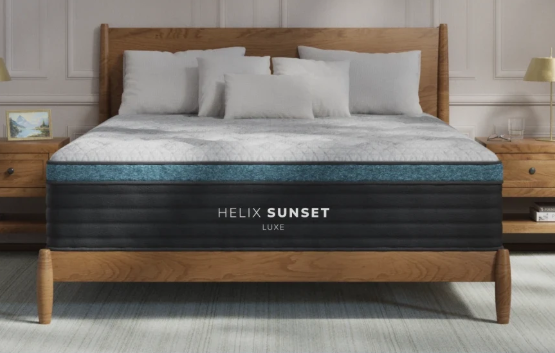
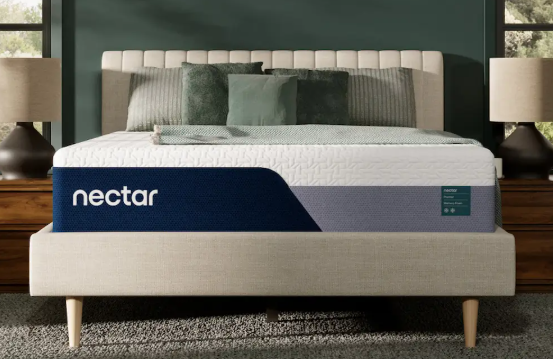
These two mattress brands take two different material approaches. Helix has a hybrid design with zoned coil support and a more lifted feel. It’s the kind of mattress where it feels like you’re sleeping on it.
Nectar, on the other hand, is an all-foam design with deep memory foam layers that gives a contouring, sink-in-like feel. It’s the kind of mattress that feels like you’re sleeping in it.
Both mattresses are high-quality options, but the decision comes down to:
- Preferred sleeping position
- Body weight
- Firmness preference
Why Do These Differences Matter?

I used to think that a mattress choice depended on just softness or firmness, and size. It’s not something I fully understood until I started waking up in the middle of the night from every little sound and ache.
My disrupted sleep nights made me realize that there are different mattress types that also cater to:
- Body pressure points
- Sleep movement
- Body temperature
- Spine support
Meaning, the type of mattress you choose and what it’s designed to support is just as important as comfort.
Sleeping On vs Sleeping In A Mattress
This is where the difference in mattress types becomes clearer. When you sleep “on a mattress”, your body feels lifted, responsive, and structured. When you sleep “in the mattress”, it feels soft, contouring, and immersive.
Again, neither is better. They just offer different sleeping experiences, and all depend on your preferences.
Still, this is exactly one of the points that sets Helix and Nectar apart. Both brands fall under the same price range and sell premium quality mattresses, but they take opposite approaches to how a mattress should feel to suit your needs.
Helix Feels More Personalized
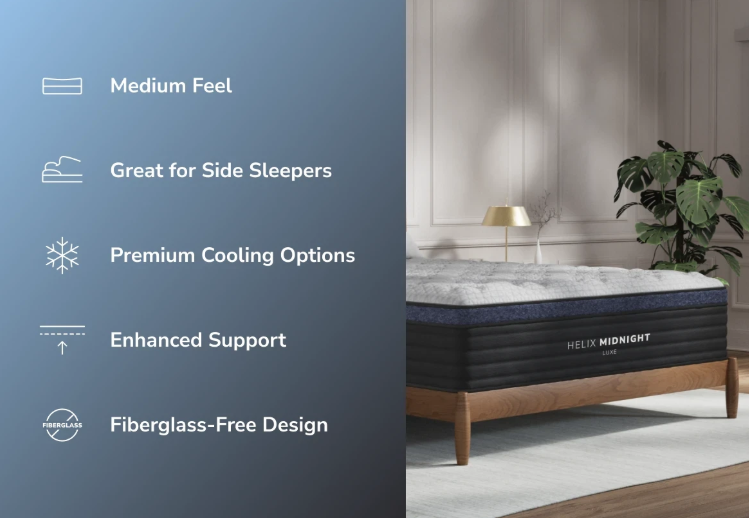
One of Helix’s unique selling points is how customized their mattresses are to you. They build an experience from the start because their mattresses don’t fall under a one-size-fits-all category.
Instead, they build profiles around sleeping preferences. For example, you can find a mattress based on whether you’re a side, back, stomach sleeper, or even your body type.
Honestly, I never thought that a body type or your sleeping position preference would be a determining factor in whether I buy a mattress or not. But it actually makes a lot of sense.
Think about it: a lighter person won’t sink into a mattress as much as a heavier person does. A side sleeper would need more cushion to support hip joints, while a back sleeper needs more spine support.
Add a partner into the mix, and now you need a mattress that works for both. Thankfully, my husband and I both fall under the side sleeper category, and like a medium firmness feel. But I’m the one with hip aches, and he’s the one with shoulder pain.
Helix designs their mattresses around the idea that no two people sleep the same way. Their mattresses are built with custom layer solutions to support your body throughout the night:
- The top layer determines how your body sinks in
- The comfort layers respond to pressure points
- The support layers determine alignment and how your body is lifted
- The coil system adds airflow and responsiveness
And their Luxe and Elite hybrid model mattresses include zoned lumbar support coils, which means it’s firmer under the hips, but softer under shoulders. This is exactly the personalized mattress solution I was looking for to accommodate our sleeping habits.
This layered approach for pressure and pain relief, body support, and temperature regulation is what helps Helix design mattresses that can adapt to different sleeping needs. Each layer has a specific role and creates a more tailored sleeping experience, rather than just having a generic mattress.
Nectar Offers Deep Contouring Comfort
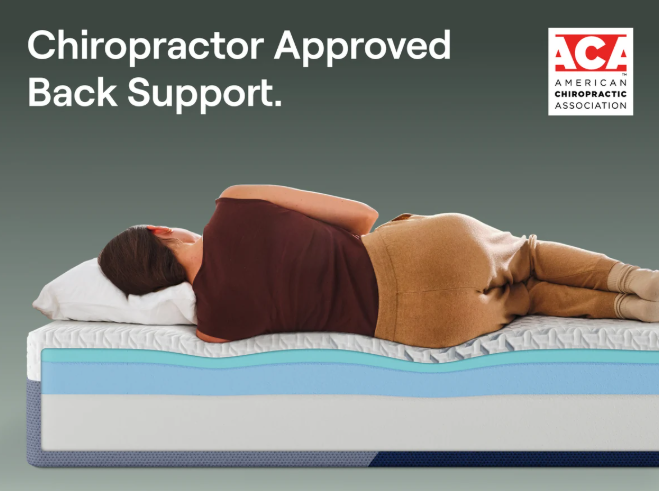
Instead of focusing on adaptability and sleeping profiles, Nectar’s mattresses focus on deep memory foam contouring; that “let me get into bed, melt, and sink into my mattress” kind of feeling.
The mattress’s foam layers adjust to your body; your shoulders sink in, your hips are cushioned, and your body feels wrapped and like it’s supported from all sides.
For those of you who are side sleepers, this can make you feel comfortable because your pressure points are absorbed. The mattress is cozy, soft, and holds you in place.
With this type of mattress, movement becomes slower. The softness settles you in, so changing positions quickly becomes a bit more challenging. For some people, this is exactly what they want. A cocoon-like sleep experience. But if you’re someone who moves at night, this can feel a bit more difficult.
Nectar’s mattress lineup is pretty simple. They offer two main mattress categories; memory foam and hybrid, with a few models in each. Instead of matching mattresses to sleeping profiles, they guide you based on comfort, cooling, and support levels. Each feature is rated on a scale from one to five for comparison.
Honestly, these are the main things people care about and already know. So, highlighting these points makes the selection process easier and more straightforward.
The Deciding Factors
At the end of the day, it really comes down to how you, personally, sleep. Helix and Nectar are both high-quality mattresses, but the decision comes down to what matters for your sleep; how the mattress feels, how it supports your body, and how responsive it is to movement.
Here’s a side-by-side comparison:
| Mattress Brand | Mattress Feel | Body Support | Movement |
| Helix | LiftedSupportedAligned | Slower repositioning, more motion absorption, gradual response to movement | Slower repositioning, more motion absorption Gradual response to movement |
| Nectar | Immersed Cradled “Sinked-In” | Full body contouring, Pressure absorption, Less targeted support | Targeted Support: Spinal alignment, Pressure point relief through layering |
Once you understand whether you prefer a softer, more supported, or contouring mattress, the decision will become more straightforward. And if you’re still unsure, a quick visit to a mattress store might make that choice easier.
The Winner (at 2AM)
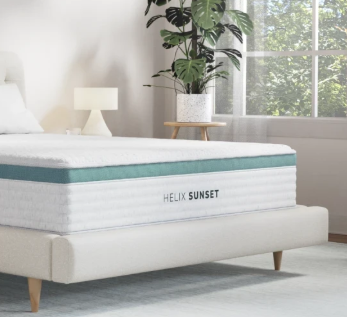
For me, sleep isn’t only about comfort, but about recovery. Between early mornings, sleepless newborn nights, and everything in between, I need something that works for me, not a mattress I have to adapt to. I went with Helix because it seems to be designed with real-life situations, profiles, and different sleeping habits in mind, which means I can expect to get that balance of structure and comfort I’m looking for.
While Nectar provides a cozy, sink-in experience, it may work for others, but not for me. What really puts this into perspective is how sleep actually functions. For most adults, that equates to roughly 1.5 to 2 hours of deepest sleep, or the window when your body is doing its recovery.
Helix supported how I personally sleep, especially when I have someone else tossing and turning at 2AM…and trying to take the whole bed with them.