


- Best Anti-Snoring Devices in 2026: An In-Depth Comparison - July 3, 2026
- Best Neurostimulation Devices for Sleep - April 6, 2026
- How to Sleep Through Menopause - December 31, 2025
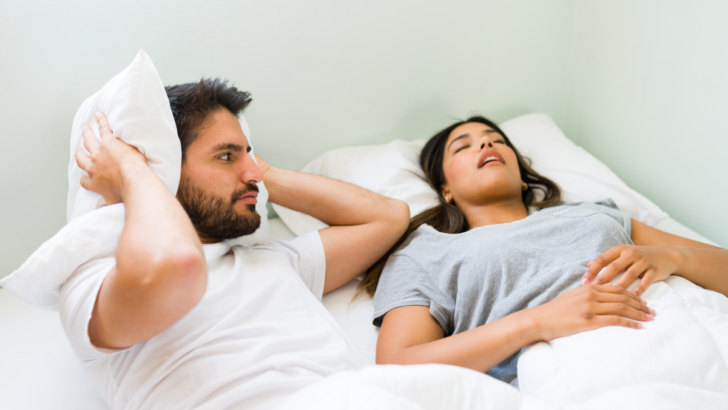
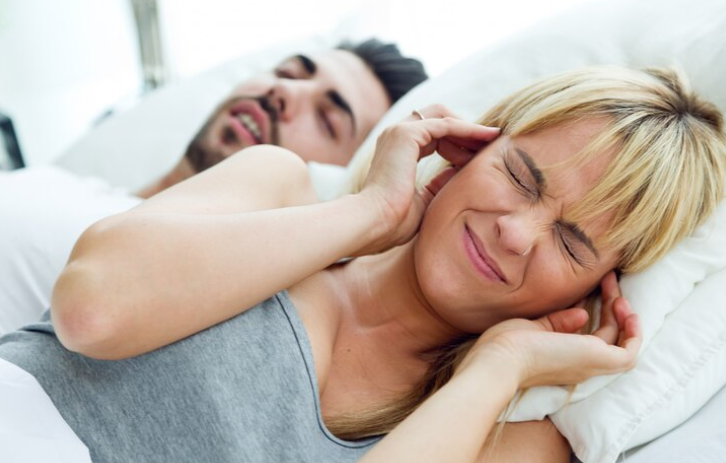
If you’ve ever woken up in the middle of the night, gasping for breath, or been nudged awake by your partner who is trying to sleep, you know it’s much more than just snoring. It can affect your sleep quality, daytime focus, energy, mood, and, most importantly, your relationship and peace of mind. Does this sound familiar? You’re not alone; approximately 30 to 60 million adults in the U.S. suffer from a mild to serious form of sleep apnea.
The most challenging part is that snoring is caused by multiple factors. For some, it can be nasal congestion or narrow nasal passages; for others, it can be due to sleeping on their backs or to muscle relaxation in the throat during sleep. Since the causes of snoring vary, the most effective solution is the one that addresses the underlying cause.
Luckily, today we have many anti-snore devices available. Whether it’s a mouthguard, nasal strips, EPAP devices, positional sleep aids, or daytime therapies like eXciteOSA, each is designed for different types of snoring. Based on my personal experience and research background, here’s the list of the best anti-snoring devices in 2026 that can help you find a solution that fits your needs.
FYI: It’s very important to get a sleep study done to diagnose the cause of your snoring first. Because conditions like sleep apnea can be serious if undiagnosed or untreated.
Key Features to Be Considered
Because all anti-snore devices work differently, I evaluated each option based on key criteria: effectiveness, comfort, cost, ease of use, and clinical evidence.
The device should effectively address the cause of snoring, and the users should know what results they can reasonably expect after use. It is also important to know that even the most effective devices won’t help you if they’re not comfortable to use daily.
The cost of the device needs to be transparent, showing both upfront pricing and any ongoing expenses. The device should undoubtedly be easy to use, wear, simple to set up, and maintain in the long term.
Last but not least, the product or device category should be supported by solid research, not just marketing claims. Together, these factors helped in finalizing this list of the best anti-snoring devices.
What to Know Up Front
The best anti-snoring device depends on what’s causing you to snore in the first place. If your snoring is caused by your tongue or soft tissues blocking your airway, a mandibular advancement device (MAD) is often the most effective option.
If the problem starts in your nose, nasal strips or nasal dilators can help improve airflow, while EPAP devices offer another option for keeping the airway open during sleep.
People who only snore on their backs may benefit from a positional sleep aid, and newer treatments like eXciteOSA work by strengthening the tongue muscles during short daytime sessions instead of being worn overnight.
Because snoring can sometimes be a sign of a more serious condition like obstructive sleep apnea, it’s a good idea to talk with a healthcare professional or consider a sleep study before choosing a device.
Now, let’s dive into each device type and a few brands you can check out:
1. Mandibular Advancement Mouthguards (MADs)
The most commonly used anti-snoring solutions available today are mandibular advancement devices (MADs). They move your lower jaw forward during sleep to keep the airway open and reduce the vibration of soft tissues that cause snoring. MADs work best for those whose snoring starts in the throat or those who snore more when they sleep on their backs.
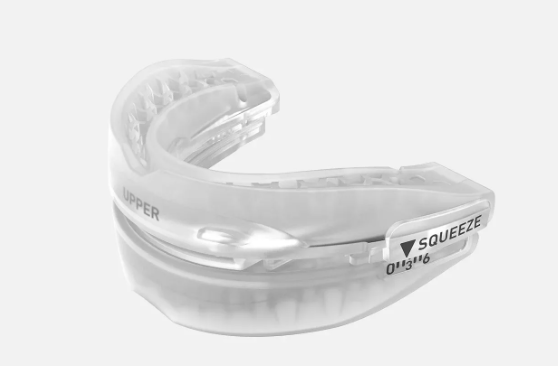
SnoreRx is one of the most recognized mandibular advancement devices that works on the famous boil-and-bite method (and it comes with adjustable jaw advancement settings). This allows users to customize the fit and positioning for comfort, making it a popular option for people seeking a more personalized approach to snoring relief.
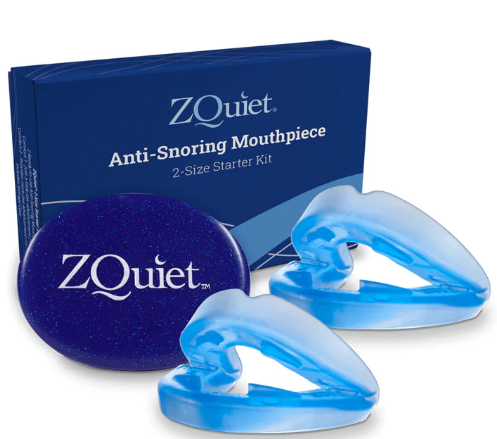
Although ZQuiet is also a mouth guard, it takes a different approach with a ready-to-use design that does not require molding. The device allows natural jaw movement while sleeping, making it more comfortable than other traditional mouthguards. Its simplicity and ease of use have helped make it a well-known choice among first-time users.
Who Might Use MADs?
MADs are a better fit for those whose snoring is caused by tongue or soft tissues in the throat partially blocking the airway during sleep. They may also be a suitable option for people with primary snoring or certain cases of mild to moderate obstructive sleep apnea who prefer a non-surgical, non-CPAP treatment.
MADs are a worse fit when snoring is primarily caused by nasal congestion, allergies, or structural nasal issues. They may also be uncomfortable for individuals with significant jaw pain, temporomandibular joint (TMJ) disorders, loose teeth, dentures, or other dental concerns.
2. Nasal Strips
As the name suggests, nasal strips are a simple, non-invasive approach to improving airflow through your nose. They lift the sides of the nose, widen the nasal passages, and reduce the airflow resistance during sleep.
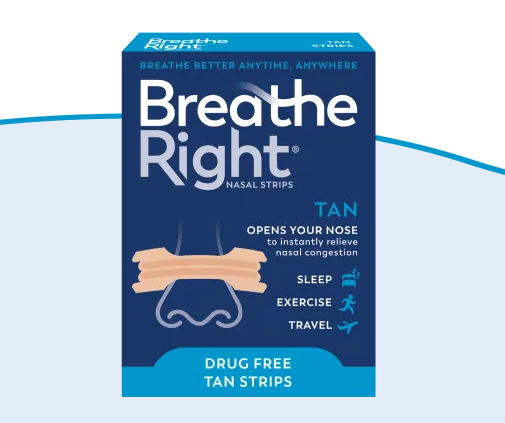
Breathe Right is an adhesive nasal strip that sits across the bridge of the nose and lifts the nostrils open to help air move freely during sleep. It works for mild, nasal-based snoring during allergy season or colds rather than throat or airway obstruction.
It is also a popular option among users looking for an easy, drug-free first step before trying more advanced devices.
Who Might Use Nasal Strips?
Nasal strips fit better for people whose snoring is due to nasal congestion, seasonal allergies, or naturally narrow nasal passages, since they work by improving airflow through the nose.
They have little or no effect on snoring caused by the throat or tongue collapsing into the airway, such as positional snoring or sleep apnea.
3. Nasal Dilators
Nasal dilators improve airflow by widening the nostrils either by sitting inside the nose or by supporting the nasal passages externally. Nasal dilators, like nasal strips, mainly address nasal-related snoring and may offer limited benefits for people whose snoring is related to throat or tongue-related airway obstruction.
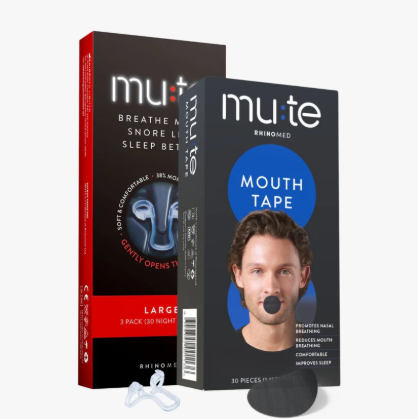
The Mute nasal dilator is a reusable, internal device that expands the nostrils from the inside and improves your airflow during sleep. It works for those with chronically narrow nasal passages who don’t get enough relief from external nasal strips like Breathe Right. It is available in different sizes for a better fit and comfort.
Who Might Use Nasal Dilators?
Nasal dilators work best for people who consistently struggle with nasal airflow due to naturally narrow nostrils or chronic congestion, rather than for short-term issues like a cold. They can also be helpful for those who need a stronger or more targeted alternative to external nasal strips.
They tend to be a worse fit for people who find internal devices uncomfortable or difficult to sleep with, as well as those whose snoring is caused by throat obstruction or sleep apnea.
4. EPAP Devices
Expiratory Positive Airway Pressure (EPAP) is a device that uses airflow resistance to reduce snoring by creating gentle pressure during exhalation to help keep the airway more stable throughout the night. These are compact, non-powered solutions for primary snoring or certain cases of mild sleep-disordered breathing.
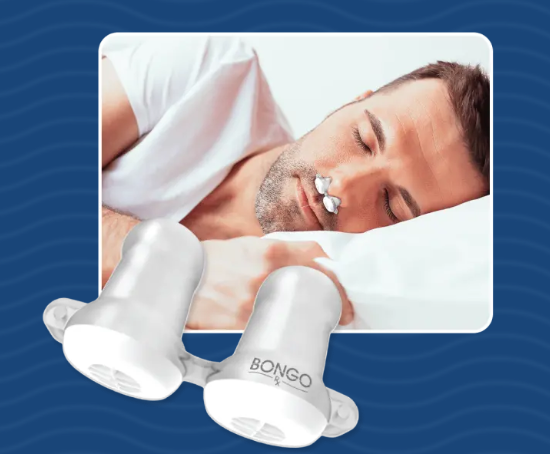
Bongo Rx consists of soft nasal inserts that create gentle resistance during exhalation to maintain airway stability during sleep. It is a compact, travel-friendly device that does not require electricity, making it appealing to users looking for a less bulky solution.
EPAP devices are usually a better fit for those who want a simple, non-powered alternative to CPAP (continuous positive airway pressure therapy) and are suffering from primary snoring or mild sleep-disordered breathing.
They are also small, portable, don’t require electricity or tubing, and are suitable for frequent travelers.
Who Might Use EPAP Devices?
These devices are a poor fit for people with significant nasal obstruction, since adequate nasal airflow is needed for comfortable use.
They may be less suitable for those with moderate-to-severe obstructive sleep apnea or for anyone who finds breathing resistance uncomfortable, especially during the adjustment period.
5. Positional Sleep Aids
Positional sleep aids are for those who mainly snore when sleeping on their backs, also known as positional snoring. When you lie supine, gravity can cause the tongue and soft tissues to move backward, narrowing the airway and leading to snoring.
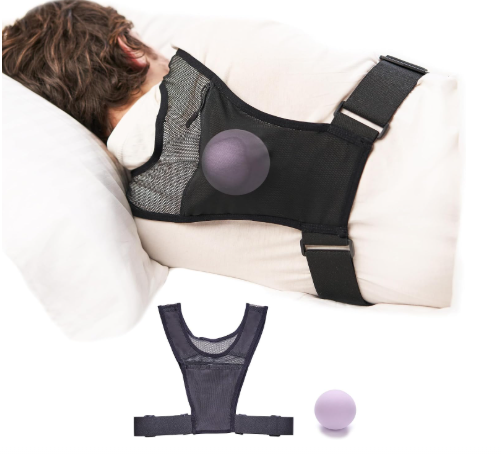
Positional sleep devices are supported by clinical evidence showing they can reduce snoring in people with positional sleep apnea by encouraging side sleeping and preventing airway collapse that occurs when sleeping on the back.
Commonly available options include positional belts, specialized sleep supports, and wearable trainers that encourage side sleeping through gentle vibration. Positional devices are non-invasive, easy-to-use devices that work best for targeting sleep position.
These can often be combined with other anti-snoring approaches. However, they are ineffective if your snoring is not linked to sleeping on your back.
6. Daytime Therapy
Daytime therapy is one of the newest approaches to treating snoring. Instead of managing symptoms while you sleep, it focuses on improving the strength and endurance of the tongue and upper airway muscles that help keep your airway open. It may be worth considering if you don’t like sleeping with a mouthguard, nasal device, or positional sleep aid.
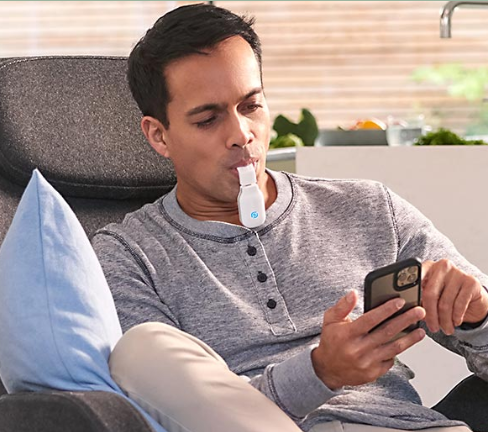
One of the best-known options in this category is eXciteOSA from Spring Sleep. The FDA-cleared device uses neuromuscular electrical stimulation (NMES) to gently stimulate the tongue muscles during a 20-minute daytime session.
The goal is to improve muscle tone over time rather than simply treating snoring while you’re asleep. The treatment plan typically involves one session each day for six weeks, followed by a maintenance schedule.
Clinical studies have found that many users experienced meaningful improvements, including a reduction in objective snoring time, with one study reporting improvements in about 90% of participants. Some users with mild obstructive sleep apnea also saw improvements, although results vary from person to person.
The device also includes a companion app for tracking treatment progress, is eligible for HSA and FSA spending, and offers discounts for military members.
Who Might Use Daytime Therapy Devices?
The device is a better fit for those with primary snoring or mild OSA, especially those seeking an alternative to CPAP or nighttime oral devices. It may be a good option for people who find traditional treatments uncomfortable, as well as for those whose snoring is disrupting their own sleep or creating challenges for their partner.
Like any anti-snoring treatment, daytime therapy isn’t the right choice for everyone. It’s generally intended for people with primary snoring or mild obstructive sleep apnea, so it’s still worth talking with a healthcare provider or getting a sleep study if you’re unsure what’s causing your snoring.
eXciteOSA might be a poor fit for those seeking quick fixes for snoring, as it requires consistent use to achieve results and comes at a higher upfront cost than other over-the-counter anti-snoring devices. The device is not intended for people with severe sleep apnea.
Choosing the Right Anti-Snoring Device
The right choice depends on what’s actually causing your snoring. A mouthguard won’t do much if nasal congestion is the problem, just as nasal strips won’t help if your tongue is blocking your airway during sleep.
Before buying a device, think about your symptoms and when your snoring happens. Do you mainly snore on your back? Is it worse during allergy season? Do you wake up with a dry mouth or notice signs that your breathing is interrupted while you sleep? Answering those questions can help narrow down which type of treatment is most likely to work.
Whatever option you choose, give it time. Most anti-snoring devices have an adjustment period, and consistent use is often the difference between seeing results and giving up after a few nights.
If you’re looking for a daytime alternative to mouthguards or nasal devices, eXciteOSA offers a different approach by strengthening the tongue muscles that help keep the airway open instead of treating symptoms only while you sleep. It may be worth considering for people with primary snoring or mild obstructive sleep apnea, but it still requires consistent use to be effective.
If your snoring is loud, happens every night, or is accompanied by choking, gasping, or excessive daytime fatigue, it’s worth talking with a healthcare provider or getting a sleep study before choosing a treatment. Snoring can sometimes be a sign of an underlying sleep disorder, and identifying the cause is the best way to find a solution that actually improves your sleep.