



- Copper vs Silver Pillowcase: Is One Actually Better? - July 17, 2026
- How To Help Your Partner Stop Snoring (Without a Fight) - July 8, 2026
- Eight Sleep vs Fitbit for Sleep Tracking: Which One Tells You More? - June 12, 2026
Understanding our nighttime biology has become an important part of your daily performance. While we might go to bed early, we may not know the quality of our sleep. That’s why millions of people have started turning to sleep-tracking technology for answers.
Two of the most popular choices are Fitbit and the Eight Sleep Pod. Fitbit built its reputation with accessible wrist-based wearables that combine daytime activity tracking with overnight sleep monitoring. For many people, it’s the first device they use to better understand their health and recovery.
The Eight Sleep Pod, in contrast, transforms your existing mattress into a smart sleep system that continuously monitors biometrics while actively adjusting temperature throughout the night.
Here, we are going to do a head-to-head comparison for those trying to weigh their benefits and understand their differences. We will evaluate their features, data accuracy, costs, and who should get each one.
What Fitbit Actually Does When You’re Asleep
Fitbit tracks sleep using two main inputs: optical heart rate sensors (a technology Fitbit has called PurePulse since 2014) and an accelerometer that detects movement. The optical sensors shine red and infrared LED light through your skin to detect changes in blood volume (a technique called photoplethysmography).
By analyzing your wrist movements and heart rate variability (HRV), Fitbit categorizes your sleep into specific stages, such as light sleep, deep sleep, and REM (Rapid Eye Movement). The result is a sleep score you can see every morning.
Their sleep score is a single number that goes from 1 to 100. Additionally, you get a breakdown of the time you spent in each stage, total sleep time, and sleep efficiency (the percentage of time in bed you actually spent sleeping).
As of May 2026, Fitbit significantly updated its sleep tracking, claiming a 15% accuracy boost and improved detection of full awakenings. Studies have also shown that Fitbit has 90-95% accuracy in tracking sleep cycles and time.
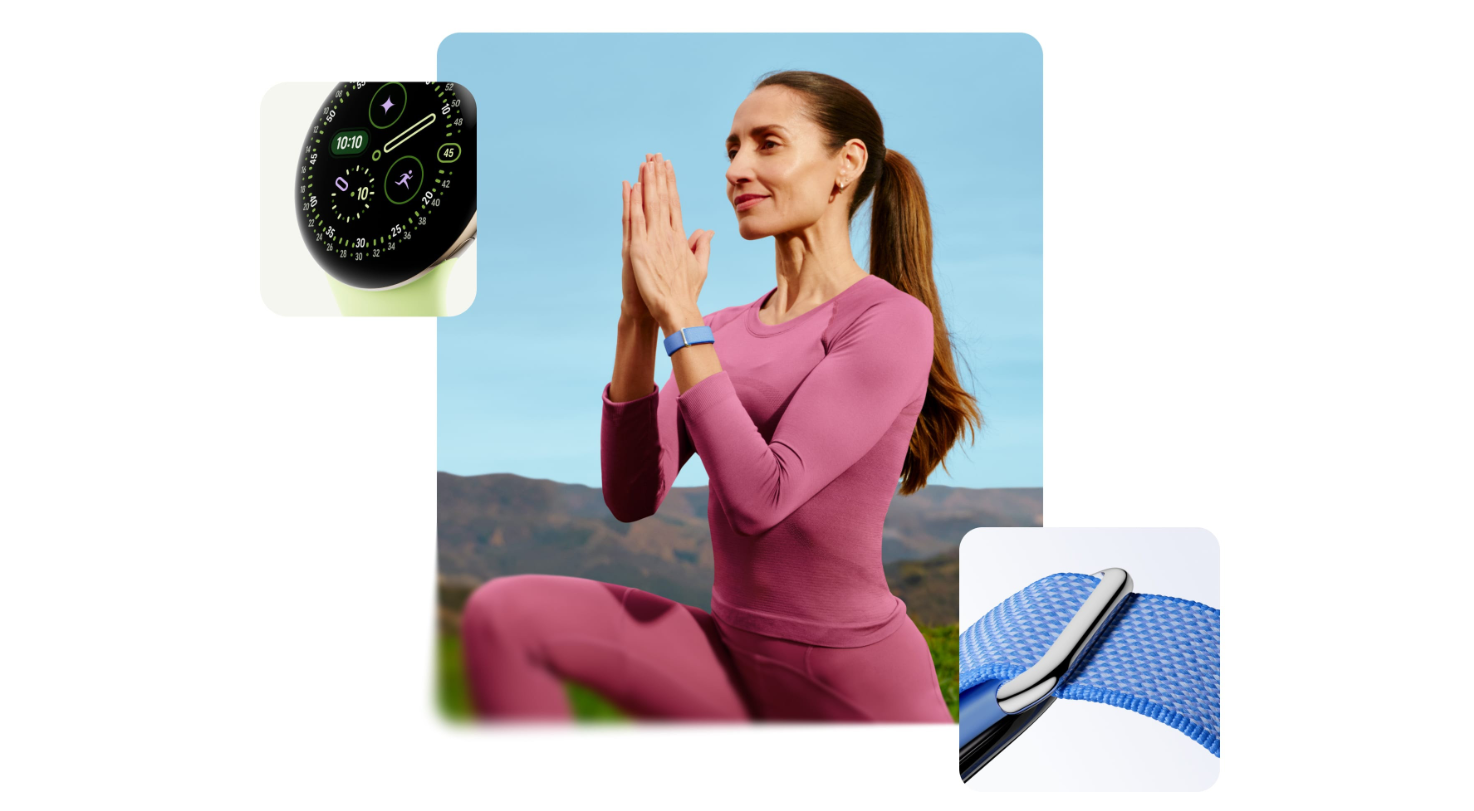
Another feature it measures is your SpO2, or blood oxygen saturation. However, keep in mind that not all their devices have this feature. This can help flag potential breathing disruptions, but keep in mind that it’s not designed to diagnose sleep apnea.
Now, unlocking the full potential of this data will require a Fitbit Premium subscription. So, what do you get out of the premium subscription?
- Access to the Sleep Profile feature, which requires you to use it at least 14 days per month.
- You are also categorized as a “Sleep Animal” based on your current sleep patterns.
- Access to advanced restlessness tracking and long-term trend analysis.
How Does the Eight Sleep Pod Monitor Sleep?
The Eight Sleep Pod works from your mattress rather than your wrist, and what makes it different is that it goes from passive observation to active sleep optimization.
The mattress cover has embedded sensors that track heart rate, HRV, respiratory rate, and movement. Unlike Fitbit, it doesn’t track it through light, but through physical detection of micro-movements and pressure changes against the mattress surface.
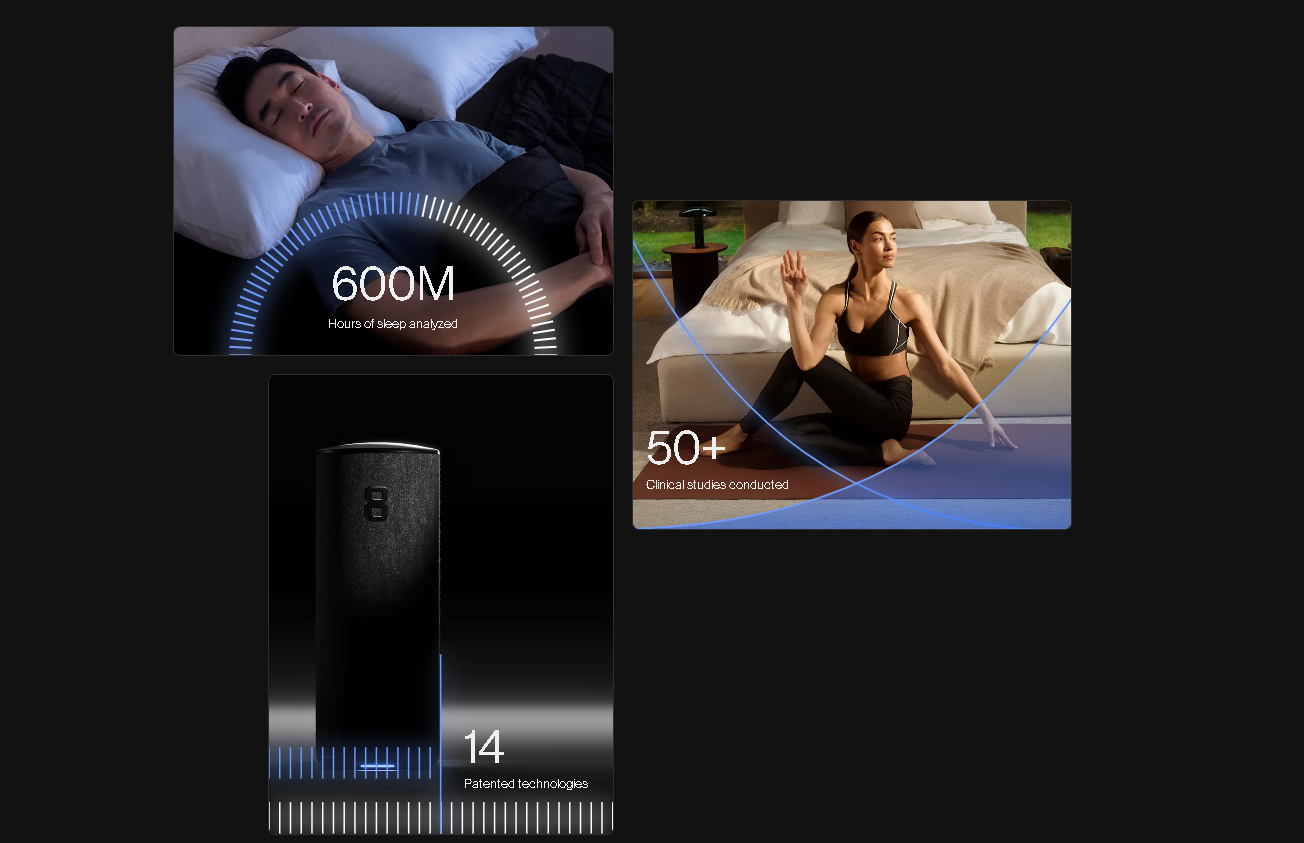
Eight Sleep measures your heart rate with a 99% accuracy compared to gold-standard electrocardiogram (ECG) devices, which wrist-based devices might not be able to achieve, especially during light sleep or restless periods when motion can interfere with optical readings.
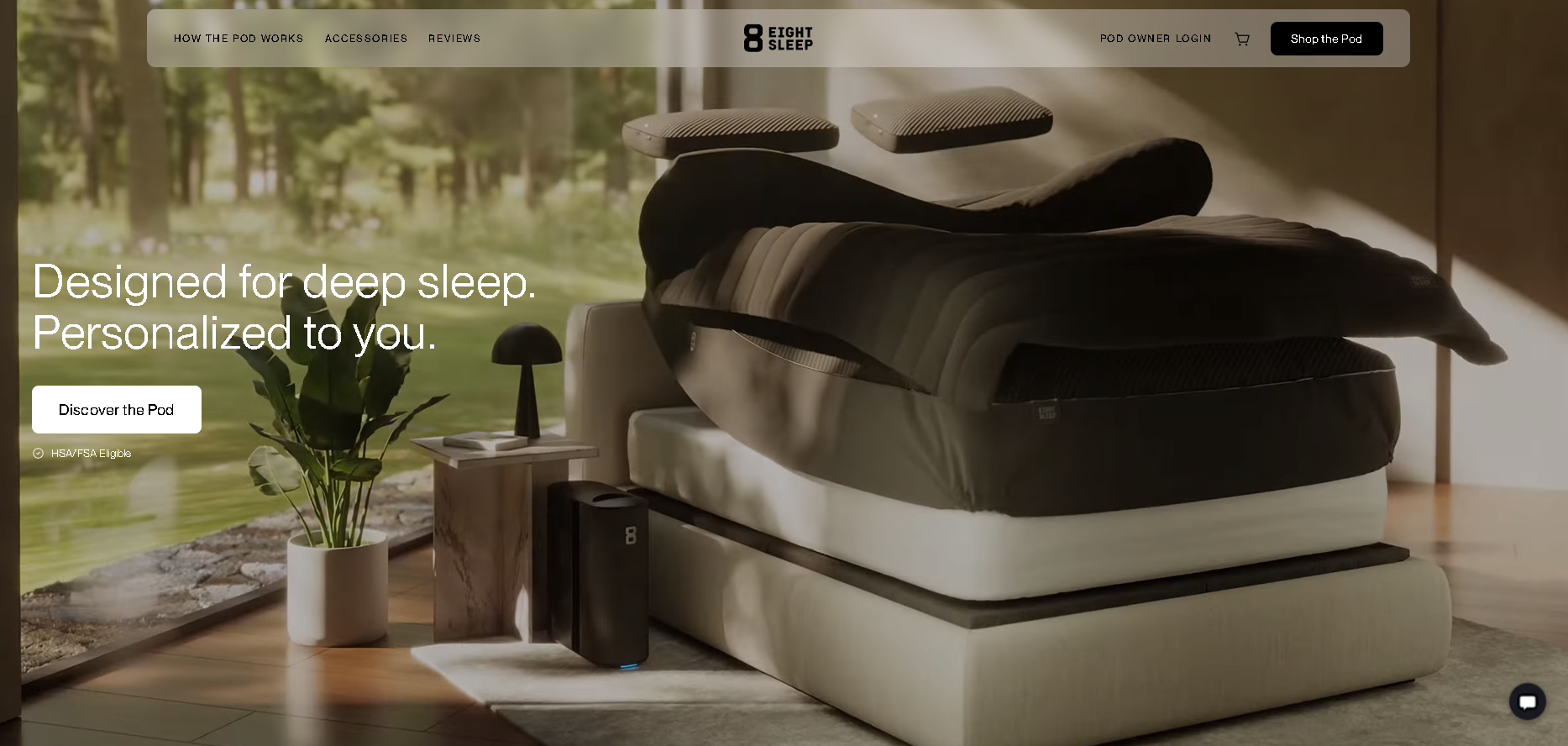
The biggest advantage of the Eight Sleep Pod is its ability to actively regulate bed temperature throughout the night. Temperature plays a major role in sleep quality, but the ideal sleeping temperature varies from person to person. Factors like biological sex, metabolism, body composition, and even where you are in your sleep cycle can influence whether you sleep better in a cooler or warmer environment.
What makes the Eight Sleep Pod unique is its Dual-Zone Temperature Control, which allows each side of the bed to be heated or cooled independently between 55°F and 110°F. This is especially useful for couples who prefer different sleeping temperatures.
The system’s Autopilot feature takes things a step further by automatically adjusting the bed temperature throughout the night. Using historical sleep data, real-time room conditions, and your current sleep stage, it continuously fine-tunes the sleep environment to help support deeper, more comfortable sleep.
What Are The Main Differences?
Wrist-Based vs. Mattress Sensors
Wrist-based optical sensors measure blood volume changes through the skin. While this is good for general consumer tracking, it is highly susceptible to movement changes.
For example, if you roll over and the band shifts, the sensor can lose contact with the skin, resulting in data gaps.
On the other hand, the Eight Sleep Pod relies on mattress sensors. These sensors can detect micro-vibrations generated by each heartbeat and breath. This can make it a more accurate option to measure heart rate and heart rate variability.
Analyzing the Form Factor
How a sleep tracker fits into your daily life can be just as important as the data it collects. After all, sleep tracking only works if you use it consistently over time. One night of data can be interesting, but the real value comes from spotting trends and patterns over weeks and months.
A Fitbit requires some daily upkeep. You’ll need to remember to charge it regularly, keep the wristband clean, and wear it every night for it to collect sleep data. For some people, this becomes part of their routine. For others, it’s one more thing to remember before bed.
The Eight Sleep Pod takes a more passive approach. Because the sensors are built into the mattress cover, there’s nothing to wear, charge, or activate before you go to sleep. You simply get into bed, and the system automatically begins tracking your sleep and adjusting the temperature throughout the night.
Unique Data and Insights
Fitbit excels at analyzing both nighttime data and daytime activity. Since the wearable tracks your steps, daytime workouts, and caloric burns, the app can draw correlations between an intense afternoon run and an increase in deep sleep.
The Eight Sleep Pod isolates the sleep environment. It surfaces unique environmental insights, demonstrating exactly how a drop in body temperature correlates with a spike in your HRV. Its app provides a highly specialized view of your recovery metrics, showing how thermal interventions directly affect your sleep overnight.
Passive vs. Active Intervention
If your Fitbit shows a poor sleep score due to frequent walking, the device cannot actively fix the problem while you’re asleep. You need to use the data to change your behavior the next day.
The Eight Sleep Pod provides active intervention. If the sensors detect that you are tossing and turning, the Autopilot recognizes this disruption and adjusts the water temperature flowing through the cover to help your body get back into a deeper sleep stage.
Daily User Experience
The daily experience of using a Fitbit involves tracking with a small screen, reviewing notification badges, and syncing data to your smartphone via Bluetooth. It is an active engagement process that blends into your waking hours.
The Eight Sleep Pod experience is more relaxed. Users interact with the Eight Sleep App primarily before bed to set thermal alarms or adjust base evaluations. Upon waking, users can review their health Check data, but the system operates autonomously in the background.
Additionally, the inclusion of thermal and vibration alarms also allows users to wake up naturally through gentle temperature increases and chest-level vibrations, replacing the daunting auditory alarms that can wake up in a jolt.
Health Coaching Integration
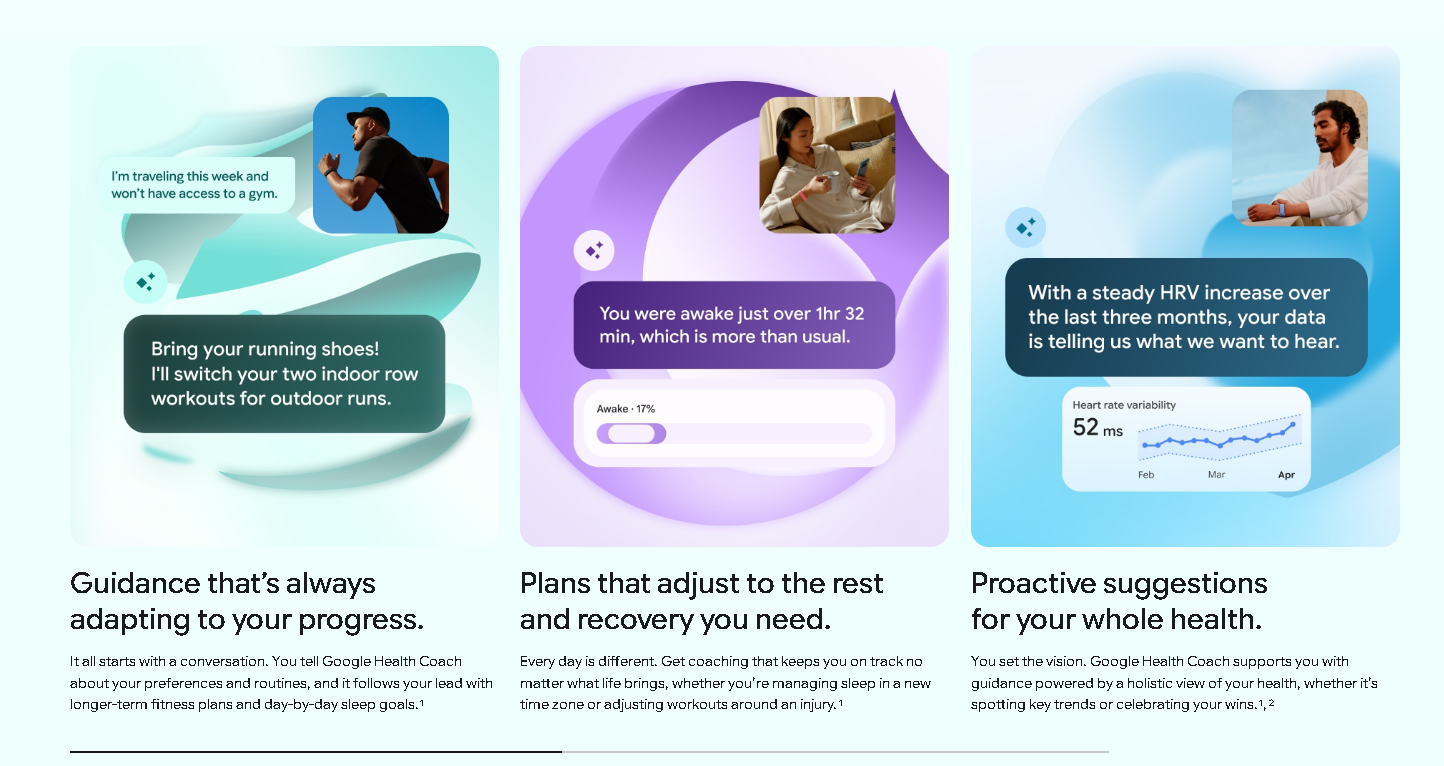
Fitbit Premium comes with Gemini-powered AI health coaching. It generates personalized guidance, you can link health records (for US users), and offers coaching responses based on your actual data rather than generic recommendations.
It’s important to note that the health coaching goes just beyond sleep, but with other lifestyle habits, making it a great option for those who want to work on health from a holistic perspective.
The Eight Sleep Pod comes with an integrated “sleep coach,” which, while it might not give you any messages, it does make changes while you are sleeping.
Let’s Talk About Costs
Fitbit devices represent an accessible entry point. Most Fitbit trackers range from $100 to $300 upfront. Users who want the complete analytical experience must also factor in the Premium subscription, which is $9.99 per month or $99 per year.
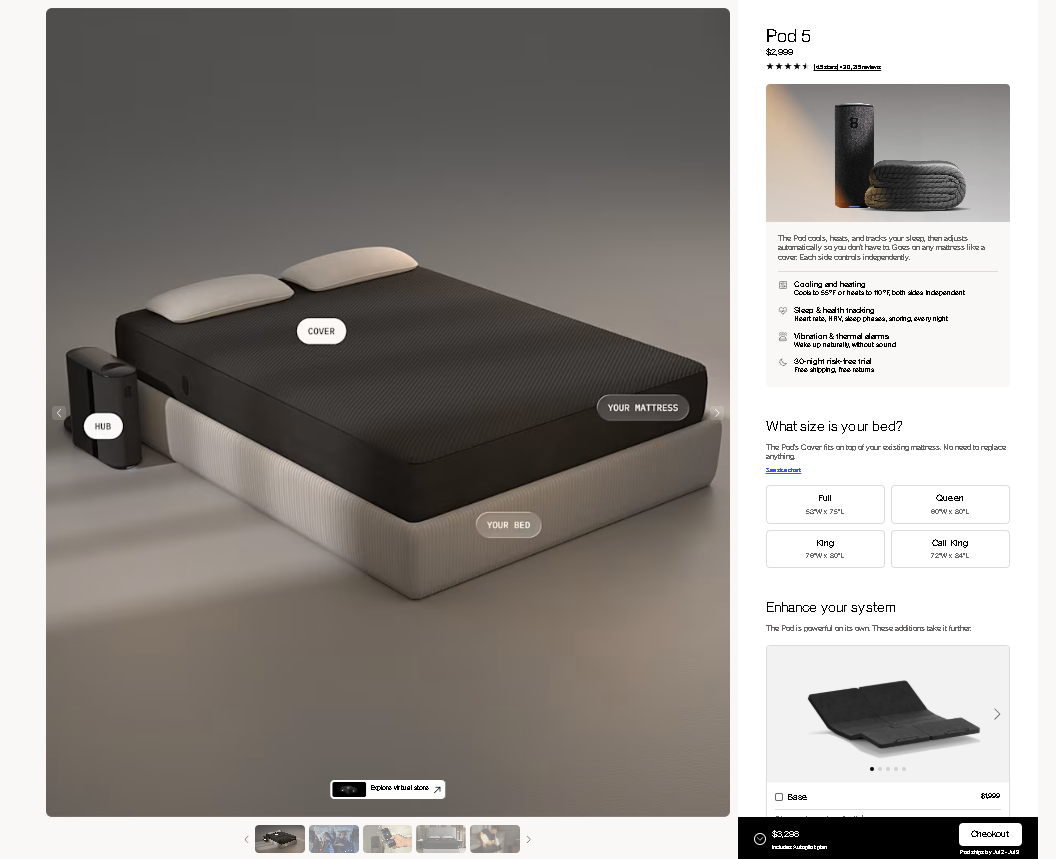
The Eight Sleep Pod represents a premium investment in your home environment. Purchasing the Hub and the Cover generally requires an investment exceeding $2,000, and optional items like the Base can increase the total.
The Pod also requires a subscription. The Standard subscription is set at $17 per month ($199 billed annually) while the Enhanced option is set at 25 per month ($299 billed annually).
A Fitbit purchase buys a personal data tracker, while the Eight Sleep Pod buys a comprehensive sleep environment optimization system designed to physically alter your mattress and actively regulate your temperature.
Making the Final Decision
Optimizing your rest is highly personal. What works for someone might not work for others. Fitbit provides an excellent, budget-friendly entry point for those who want to track their daytime fitness alongside basic overnight sleep stages. It’s a great tool to build sleep and overall health awareness.
The Eight Sleep Pod caters to those who want clinical-grade accuracy and active environmental control. If you struggle with temperature fluctuations, suffer from wearable fatigue, or want a system that autonomously works to improve your deep sleep and HRV, the Eight Sleep Pod can be a transformative experience.
In the end, the most effective sleep technology is the one that seamlessly integrates into your lifestyle. By evaluating your budget, your tolerance for wearables, and your biological need for temperature regulation, you can choose the tool that will best support your long-term health objectives.