

- Eight Sleep Pod 6 vs. Chilipad 2.0: Which Bed Cooling System Is Worth It? - October 15, 2026
- Eight Sleep Pod 6 Review: My First Impressions After Sleeping on It - September 25, 2026
- Sleep Routines for Hot Sleepers: How to Build a Cooler Night’s Sleep - September 24, 2026
If you wake up hot all the time, you may be fighting your environment, the weather, or the natural rhythm of your body. That’s why there’s no one surefire approach to avoiding an unpleasant 2 a.m. wake-up call; building a sleep routine is more of an experiment that you’ll inevitably piece together from several strategies.
With that in mind, let’s go over some of the most common contributors to warm sleeping and how to fight them.
Key Takeaways:
- Don’t assume that a cold shower is the answer: A warm shower or bath an hour or two before bed may help your body release heat afterward.
- Start cooling the room before bedtime: A bedroom that’s still holding onto the day’s heat can remain uncomfortable long after you lower the thermostat.
- Use bedding you can adjust easily: If your only choices are keeping every layer on or throwing everything off, it’s harder to make a small temperature adjustment in the middle of the night.
- Pay attention to what’s underneath you, not just what covers you: A mattress pad, topper, protector, or mattress itself can contribute to heat buildup.
- Active cooling can help when room temperature is not the whole problem: A temperature-controlled sleep surface can respond differently from a fan, lighter bedding, or a lower thermostat.
Watch What Leaves You Warm Two Hours Before Bed

It’s easy to treat overheating as an in-bed problem that you’d solve by turning down the thermostat, kicking off the comforter, and sticking one leg outside the covers. The problem is that temperature affects your sleep long before you reach that point.
You don’t need to overhaul your whole evening because you sleep hot, but it’s worth paying attention to the habits that tend to leave you warmer by bedtime.
For example, alcohol can make you feel warm as blood vessels near the skin widen, and it can also disrupt sleep later in the night. If a couple of drinks often lead to waking up warm and restless a few hours later, test a few nights without them and see whether your sleep changes.
Large meals close to bedtime can leave you feeling overly full or physically warm while digestion is still underway. If you sleep noticeably hotter after a big late dinner, try eating earlier.
A hard workout right before bed can leave you flushed and warm when you’re trying to fall asleep, so giving yourself enough time to shower, cool down, and settle before lights out can help keep that extra heat from following you into bed.
Surprisingly, what might help is a warm shower. This may sound backward if overheating is your problem, but warm water increases blood flow toward the hands and feet, which may help the body release heat afterward as core temperature begins to fall. That’s why a warm bath or shower taken roughly one to two hours before bedtime can make it easier to fall asleep and enjoy better sleep.
Cool the Bedroom Before You Get into Bed
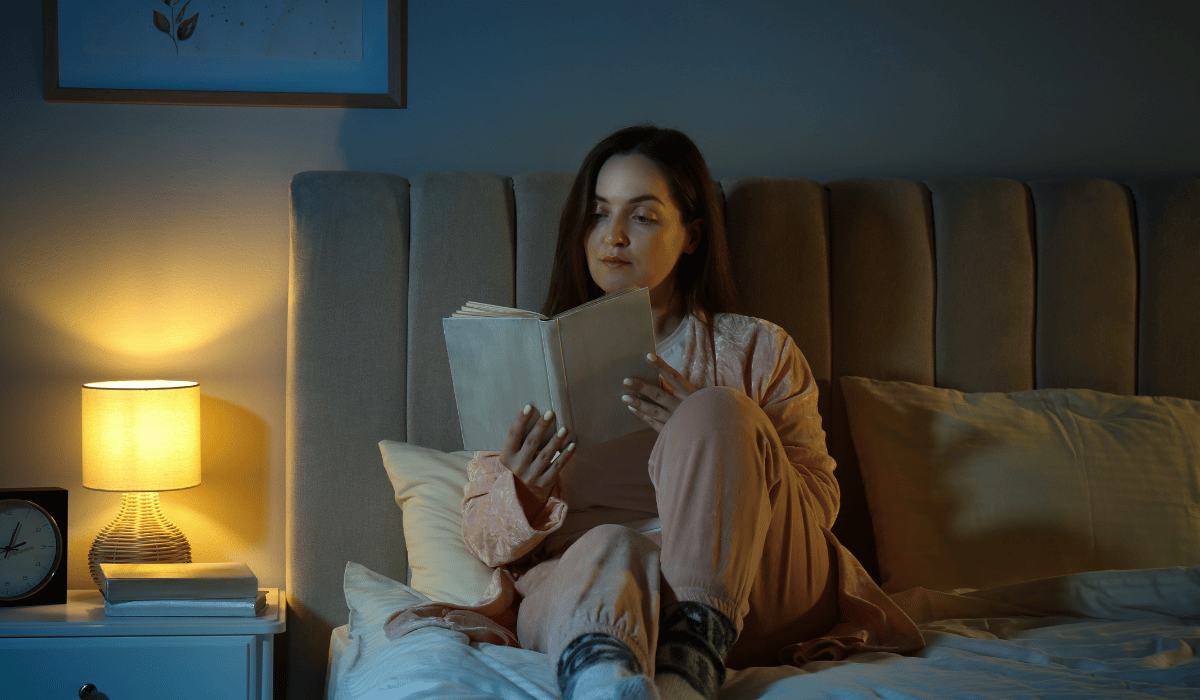
If your bedroom has been warm all afternoon, lowering the thermostat right before bed may not give the room or your bedding enough time to cool down before you get in.
If your bedroom tends to stay warmer than the rest of the house, start cooling it earlier instead of waiting until you’re ready for bed:
- Close blinds or blackout curtains before afternoon sun heats the room.
- Open a window ahead of bedtime when outdoor conditions allow.
- Run the ceiling fan before you climb under the covers.
About 68°F is a good starting point for a sleep-friendly bedroom, but plenty of people are comfortable a little warmer or cooler than that.
If you’ve already cooled the room and still feel hot once you’re under the covers, a fan can help by moving air across your skin and helping sweat evaporate. A ceiling fan works well for general circulation, while a smaller bedside fan can cool your side of the bed without making the whole room feel cold.
Swap Heavy Bedding for Lighter Layers
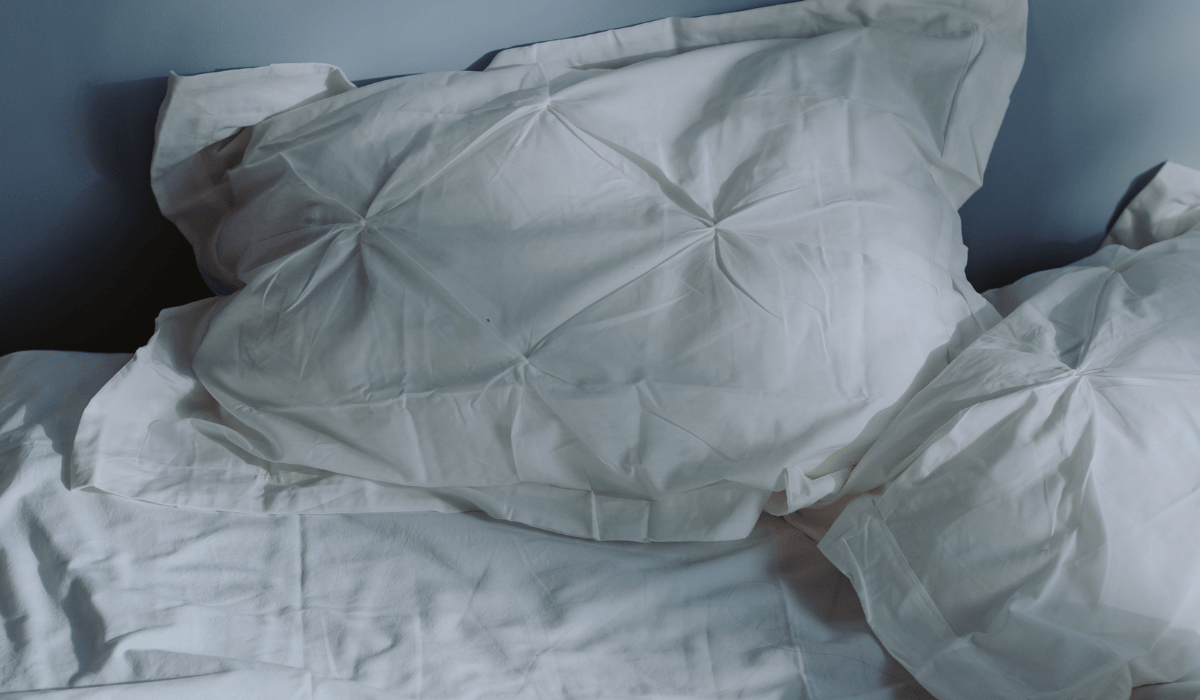
Hot sleepers tend to blame the sheets first, but I’d look at the whole bed before replacing anything. If you have a heavy comforter, another blanket on top of that, warm pajamas, and a thick topper underneath you, changing the sheets may not move the needle much because you’re still surrounded by layers that hold heat.
Start by taking something away. Use the lightest blanket you’re comfortable with, or split the bedding into a couple of lighter layers so you can push one off without ending up completely uncovered. If you sleep in pajamas, the same idea applies there too; heavy fleece or thick cotton can feel fine when you first get into bed and become way too much a few hours later.
Sheets are worth looking at, but I’d pay more attention to the weave and weight than the fiber name by itself. Cotton percale and cotton flannel are both cotton, but they don’t sleep the same at all. Percale is usually lighter and airier, while flannel is made to hold warmth. Linen can also work well for hot sleepers because it tends to feel breathable, but again, a thick set is going to feel different from a lighter one.
If you already have sheets you like, keep them for now and change the easier things first. Take off a blanket, switch to a lighter comforter, or sleep in lighter clothes for a few nights.
Check What’s Holding Heat Under You
You can throw off a comforter when you get too warm, but you can’t do much about the mattress underneath you in the middle of the night. Thick foam toppers, waterproof protectors, and some mattress pads can hold heat closer to your body or reduce airflow, especially if you’re already someone who sleeps warm.
Here’s where the advertising can really throw you off: “Cooling” on the label doesn’t automatically mean the bed will stay cool for hours. Some products use gel, breathable fabrics, or other materials meant to reduce heat buildup, but the thickness and construction of the topper, protector, or mattress still affect how warm the bed feels after you’ve been lying on it for a while.
If you use a thick foam topper, try sleeping without it for a few nights and see whether you notice a difference. The same goes for a protector; if you started sleeping hotter after adding one, check what it’s made from and, if your mattress warranty allows it, test the bed without it for a few nights.
Plan for Temperature Changes Through the Night

The temperature that helps you fall asleep isn’t always the one that keeps you comfortable all night. For example, you may love a warm bed when you first get in and still wake up a few hours later feeling too hot. I personally like a cold bedroom but hate getting into cold sheets, so for years, I used heated mattress pads and electric blankets. They were great for taking the chill out of the bed at first, but I’d usually end up too warm later and wake up needing to turn something down or move bedding around.
The problem is changing your environment in the middle of the night without actually waking up. That’s where active bed cooling is really helpful, as it changes the temperature of the bed itself instead of relying only on the thermostat, bedding, or a fan. Some systems use air to move cooled or warmed air through the bed; other systems circulate water through a cover that sits over the mattress.
The BedJet 3 is a good example of the former. It sits under the bed or at its foot, with a hose that directs air under your sheets or comforter, so the air around your body keeps moving and doesn’t let heat and moisture build up under the covers. It works with any mattress and your existing bedding, and you can program different temperatures for each hour of the night.
Eight Sleep’s Pod 6 takes the latter approach, with a Hub that pumps temperature-controlled water through a Cover that fits over your mattress like a fitted sheet. You can climb into warm sheets, have the bed cool later while you’re sleeping, and even set a different temperature for when you wake up. Its Autopilot features can also make those adjustments automatically based on things like the room temperature, your sleep patterns, and how you tend to use the bed. So even if you haven’t manually planned out every temperature change for the night, the bed can still adjust as you sleep. Each side of the bed can be controlled separately too, which helps when two people sharing the bed want very different temperatures.
Keep Middle-of-the-Night Fixes Within Reach
If you regularly wake up hot, it helps to decide ahead of time what you’re going to change in the moment. Otherwise, a brief wake-up can turn into five minutes of checking your phone, changing the thermostat, rearranging blankets, getting water, turning on a fan, and then getting distracted by your phone because you’re already holding it.
Keeping your top blanket easy to fold down, placing the fan control within reach, and leaving water by the bed if you tend to want it can reduce how much you have to do before settling again. If you use active bed cooling, many have physical controls that let you change the temperature without opening your phone.
Change One Variable at a Time
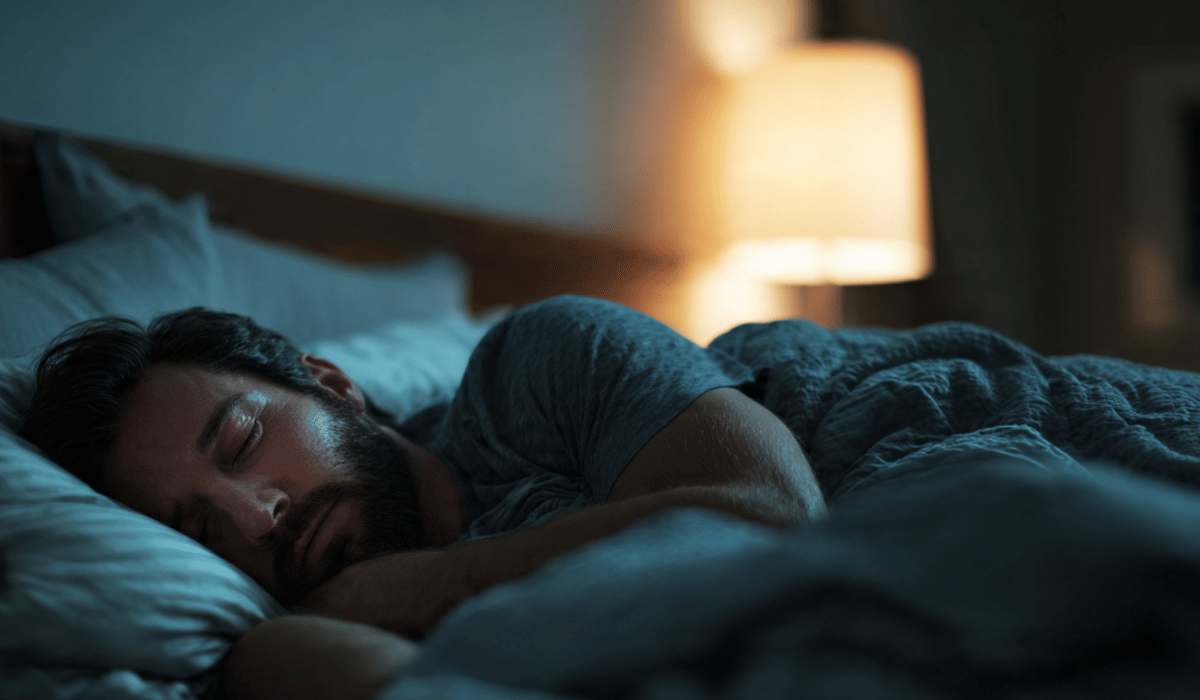
There are enough products labeled “cooling” to replace your sheets, pillow, mattress, blanket, pajamas, and half the HVAC system in one shopping trip, but changing everything at once makes it almost impossible to know which change helped.
Start with one variable, such as lowering the room temperature, changing the comforter, removing a mattress topper, adjusting something in your evening routine, or changing the airflow, and give the change several nights when possible because weather, stress, alcohol, exercise, and other factors can make a single night atypical.
A simple note on your phone can be enough:
| If you notice… | Try changing first… |
| You’re hot as soon as you get into bed | Pre-cool the room and lighten the bedding |
| You fall asleep comfortably but wake up hot later | Reduce insulating layers or look at mattress heat retention |
| Your partner is comfortable but you’re overheating | Try a localized fan or dual-zone bed cooling |
| You wake sweaty after alcohol or late meals | Test moving or skipping them for several nights |
| The room is cool but the mattress feels warm | Remove thick toppers or protectors before replacing the mattress |
| You alternate between too hot and too cold | Use lighter removable layers instead of one heavy blanket |
Know When to See a Doctor
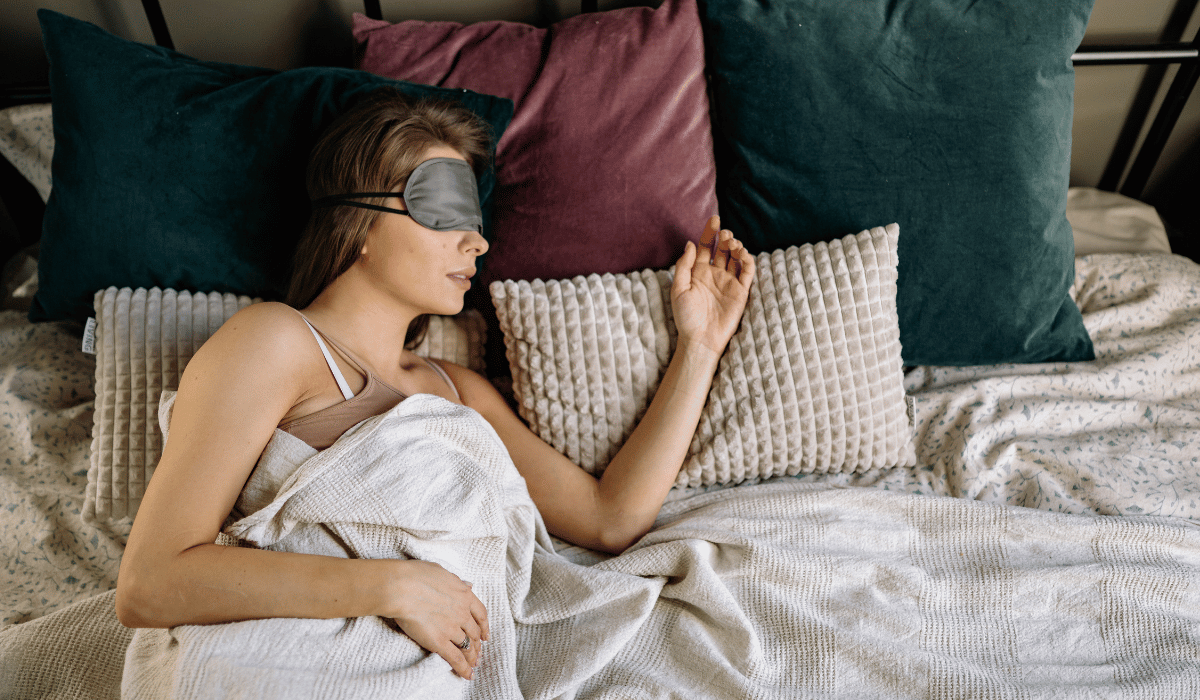
Sleeping under too many blankets and waking up sweaty is different from repeatedly soaking your clothes or bedding for no obvious reason.
Your overheating woes may actually be night sweats: repeated episodes of heavy sweating during sleep that can soak nightclothes or bedding. These episodes can have many causes, including medications and medical conditions. Talk with a healthcare professional when night sweats happen regularly, interrupt sleep, or occur alongside additional symptoms.
If the room is too warm, cooling it down can help; work through the room, bedding, and routine changes above. On the other hand, heavy nighttime sweating that’s new, persistent, or accompanied by other symptoms deserves to be treated as a health question rather than another reason to buy cooler sheets.