


- Helix vs. Sleep Number: Which Mattress Is Right for You? - September 7, 2026
- Tencel vs Cotton Sheets: Which Bedding Material Is Right for You? - March 8, 2026
If you’ve narrowed your mattress search down to Helix and Sleep Number, congratulations! You’ve survived at least some of the mattress-shopping torment. At this point, you’ve probably encountered enough terms like “zoned support,” “cooling technology,” and “responsive air” to wonder whether you’re buying a new mattress or a new piece of tech equipment.
The interesting thing about these two brands is that they approach mattresses from completely different directions. Helix takes a more traditional approach, while Sleep Number builds adjustability into the mattress itself.
So rather than comparing every specification, let’s look at the things that actually matter when you’re deciding between them: how they feel, how they support you, how they handle temperature, what they cost, and how much technology you actually want involved in your sleep.
What’s the Biggest Difference Between the Two?
The easiest way to understand these mattresses is to look at what would be underneath you.
Helix is a traditional hybrid mattress, which basically means it combines individually wrapped coils for support with layers of foam for cushioning and pressure relief. The current lineup includes Core, Luxe, and Elite collections, with individual models designed around different sleeping positions and firmness preferences.
The standard Helix mattresses combine supportive coils with foam that cushions your body, giving you that familiar balance of support and pressure relief. The Luxe and Elite collections build on that basic construction with thicker, more premium materials and additional support, giving them a plusher feel. Because Helix uses a traditional combination of foam and coils, there’s no pump, air chamber, or electronic system to maintain. Once the mattress is set up, there’s not much else to think about.
Sleep Number works differently. Its mattresses use adjustable air chambers, and you change the amount of air in those chambers to increase or decrease the firmness. On a two-person mattress, each sleeper can control their own side, which means two people with completely different preferences don’t necessarily have to compromise.
That adjustable system does come with a few more components to keep track of, though. Sleep Number mattresses use a pump, air hoses, and electrical connections, and the company recommends periodically checking that the connections are secure and the hoses aren’t kinked or damaged.
And that’s really the fork in the road between these two brands.
With Helix, you’re essentially saying, “I know what kind of mattress I like, so I want to find the right version for me, set it, and forget it.”
With Sleep Number, you’re saying, “I want the ability to change how my mattress feels, even if it takes a little extra work.”
If you’re simply looking for a comfortable upgrade and already know what kind of mattress you like, Helix may be the more straightforward choice. But if you like the idea of being able to adjust your mattress over time, Sleep Number gives you that flexibility.
Helix Offers the Traditional Feel
Helix brings a straightforward approach to buying: You choose the mattress that fits your preferences. That’s it!
If you’ve slept on hybrid mattresses before and like how they feel, Helix gives you several ways to customize that experience without completely changing how a mattress works. The current Core collection includes models ranging from soft to firm, with options geared toward different sleeping positions and preferences.
The Luxe collection takes that same basic idea and adds a thicker, quilted top layer, which gives the mattress a more cushioned feel when you first lie down. It also adds additional support underneath, so you get more of that luxurious feeling without sacrificing support.
A side sleeper who likes a medium feel, for example, might look at a model such as the Midnight, while someone who prefers a firmer mattress might gravitate toward the Dawn. The point is that you’re able to choose a mattress that already feels closest to what you want.
There’s also something to say about the simplicity of Helix mattresses. They don’t need to be plugged into an outlet to work, and there are no pumps, air chambers, or apps involved. You choose your mattress, set it up, and sleep on it.
For someone whose ideal mattress technology is “none,” the choice could be a no-brainer.
Sleep Number Offers Adjustability
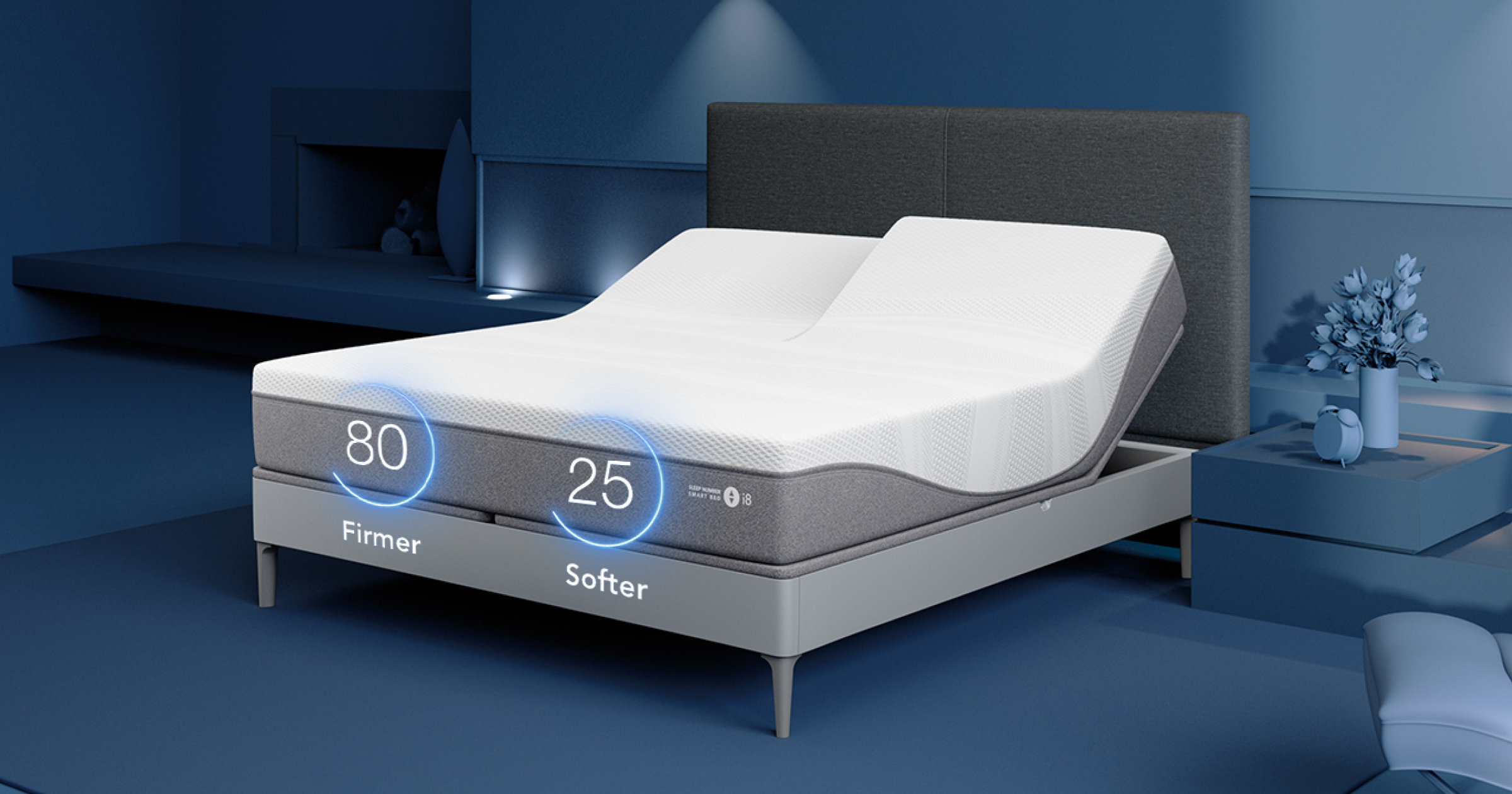
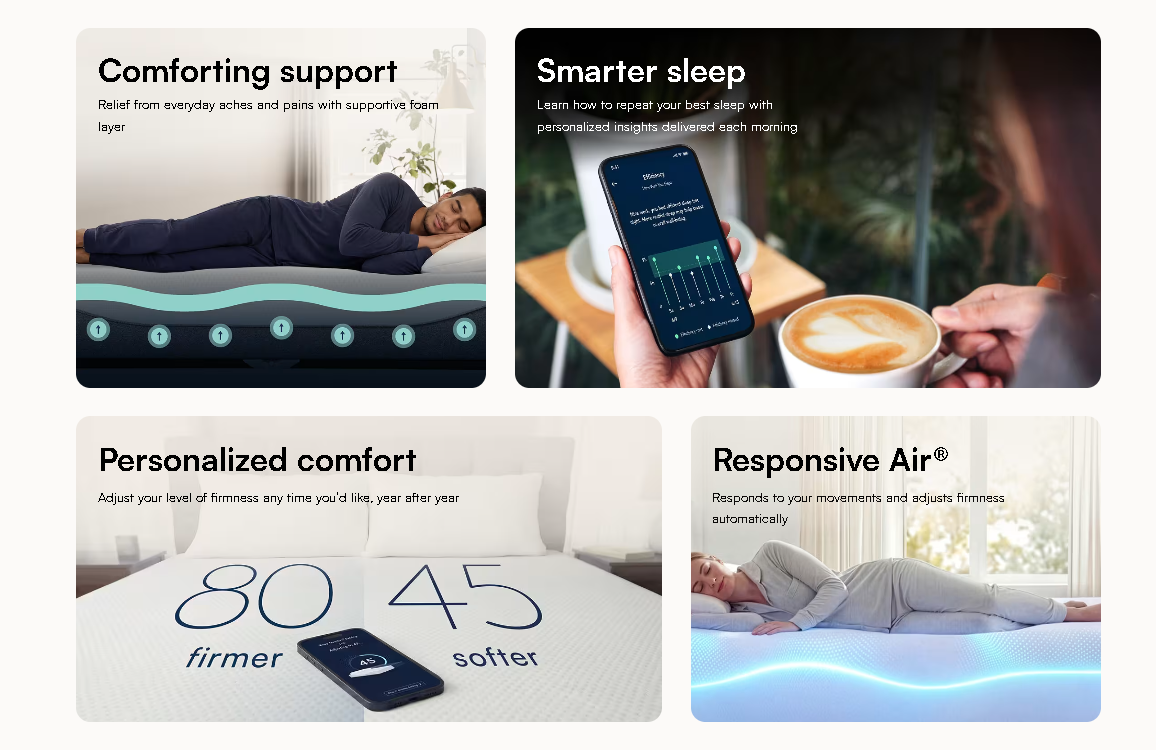
Sleep Number’s biggest selling point is the ability to change the mattress after you buy it. Instead of committing to one firmness, you can adjust the air chambers using the included remote or the Sleep Number app.
Simply raise the setting to add air and make the mattress firmer, or lower it to release air and make it softer. The adjustment only takes a few taps, so you can change the feel without physically rearranging or modifying the mattress.
Now, Sleep Number’s system does need electricity to make these adjustments, so you’ll need access to an outlet near the bed. Once you’ve found your preferred setting, though, the mattress maintains that level of firmness. Just plug it in and you’re good to go.
Some current Sleep Number models also include Responsive Air technology, which can automatically adjust the air pressure as you move during the night. The mattress can respond to changes in your sleeping position instead of leaving you with the same firmness all night. For example, if you roll onto your side, the system can adjust to help maintain the support and comfort you chose before you went to sleep.
This flexibility can be especially useful for couples. If one person likes a soft mattress while the other prefers something firm, each side can be adjusted independently. Instead of arguing over a compromise that leaves both people slightly unhappy, each person can choose the setting that works for them. It’s basically one less thing to argue about before you even get to the question of who gets the bigger half of the blanket.
It can also be useful if your own preferences change. Maybe you normally prefer a firmer mattress but want something softer on certain nights. With a traditional mattress, you’re stuck with the feel you purchased. With Sleep Number, you have room to experiment.
The tradeoff? Sleep Number is a more involved system, and that system does require a certain level of maintenance. Sleep Number mattresses use a pump, air hoses, and electrical connections, and the company recommends periodically checking that the connections are secure and the hoses aren’t kinked or damaged.
Some people will see the maintenance as no big deal and all the perks as the reason behind why they chose a Sleep Number. Others may look at their mattress and wonder why it would ever need an app in the first place.
What About Support?
Assuming that one construction type is automatically more supportive than another is tempting, but that’s not really how mattresses work. A soft mattress can still provide adequate support, while an extremely firm mattress isn’t necessarily the right choice for every sleeper.
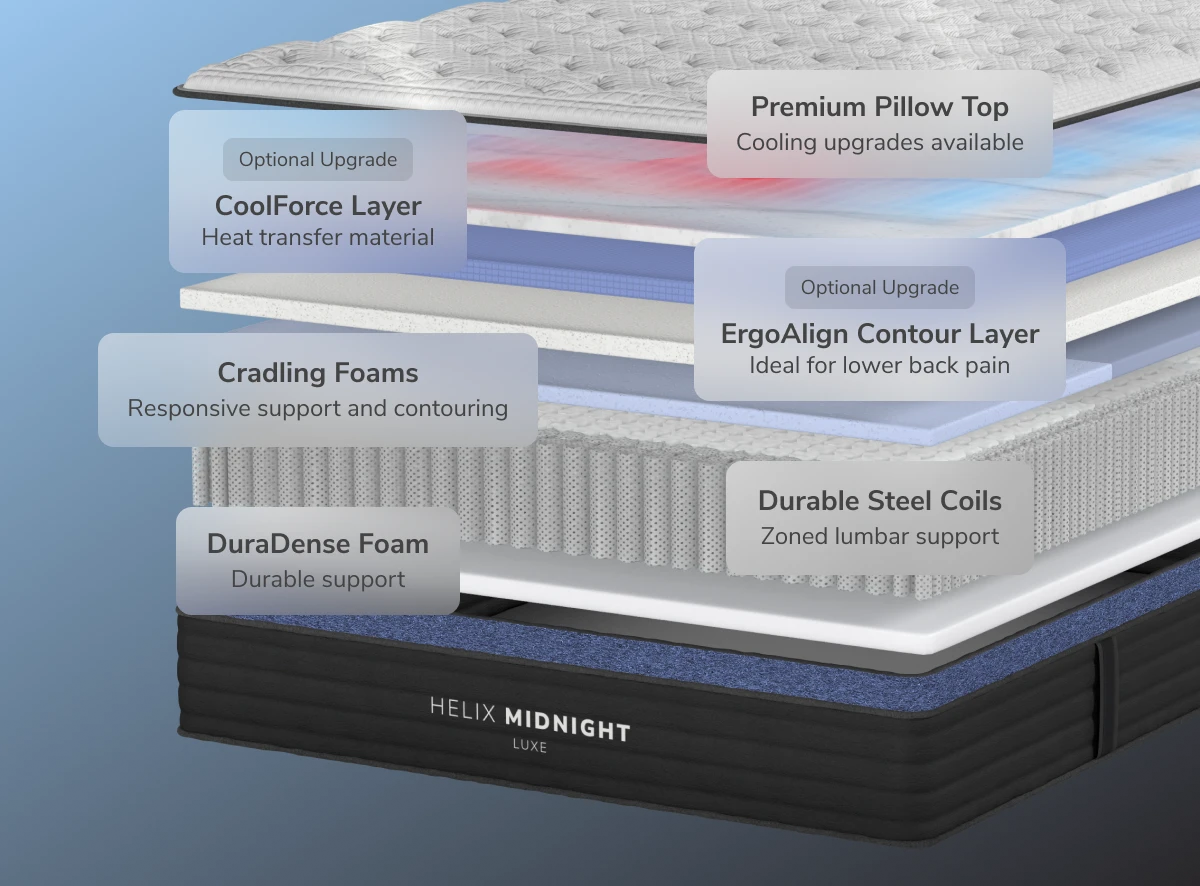
Helix uses a combination of foam and coils, with some models incorporating zoned support. Rather than using the same level of support across the entire mattress, zoned coils are designed to respond differently in certain areas of the bed.
Helix’s Luxe models, for example, use firmer coils around the lumbar area to help keep your midsection from sinking too deeply while allowing more cushioning around areas like your shoulders and hips. On a mattress without zoned support, the underlying support system is generally more uniform from head to toe, so your body doesn’t get that same targeted support.
Think of it as the mattress recognizing that your shoulders, hips, and midsection don’t all necessarily need the same thing.
Sleep Number takes a different route with its adjustable firmness, but there is a catch compared to the Helix: You can’t independently spot-adjust certain areas, like making the area under your shoulders, hips, or head specifically firmer or softer. Instead, you can just adjust the overall support level of your side of the bed.
In short, Sleep Number lets you change the feel of the mattress as you use it, while Helix lets you choose the construction and support style that’s right for you from the start.
Which Is Better for Hot Sleepers?
Both Helix and Sleep Number offer mattresses designed to help with temperature regulation, but they take very different approaches to the process.
Helix primarily relies on breathable materials and airflow to help heat escape rather than build up around your body. Some models can also be upgraded with GlacioTex, a cooling fabric used in the mattress cover that’s designed to draw heat away from your body and disperse it across the surface.
The Luxe collection also offers cooling-focused mattress cover options for sleepers who tend to feel warm at night. In practical terms, these features are meant to help prevent that “why am I sweating?” feeling that hot sleepers know all too well.
Sleep Number’s Climate collection, on the other hand, takes temperature control a bit further. Instead of simply using materials that feel cooler or allow for more airflow, the system can actively heat or cool your mattress. Each side’s temperature can also be controlled independently, similar to the firmness.
If you simply tend to get a little warm at night, a cooling-focused Helix model may be enough. If temperature is one of your biggest sleep problems and you’re willing to spend more to help solve it, Sleep Number’s Climate collection offers a much more advanced solution.
The catch to consider is the price. Sleep Number’s Climate collection costs several times more than Helix’s cooling-focused options, so you’ll want to decide how much solving your heat problem is actually worth to you.
How Much Do They Cost?
This is where the differences between the two brands become much easier to see.
For a queen-size mattress, Helix currently ranges from about $1,478 for its Core collection to $4,370 for its Elite collection, with its Luxe models sitting in the middle at around $2,498.
Sleep Number’s current queen-size mattresses range from $1,599 for the ComfortMode collection to $10,249 for the Climate collection.
| Collection | Helix | Sleep Number |
| Entry | Core: $1,478.75 | ComfortMode: $1,599 |
| Mid | Luxe: $2,498.66 | ComfortNext: $2,999 |
| Premium | Elite: $4,370 | Climate: $10,249 |
Both brands do regularly run promotions, so finding a sale could help you not break the bank, but keep in mind that optional upgrades, adjustable bases, and other accessories can also increase the final price.
Note that these two brands are not dramatically different at the entry level. Sleep Number’s pricing really starts to grow away from Helix’s as you move into higher-end models, especially if you’re looking at the Climate collection.
In other words, you won’t necessarily pay a huge premium buying a base-level Sleep Number mattress, but you will be paying significantly more if you want the extra technology that comes with the upscale models.
Is There a Trial Period?
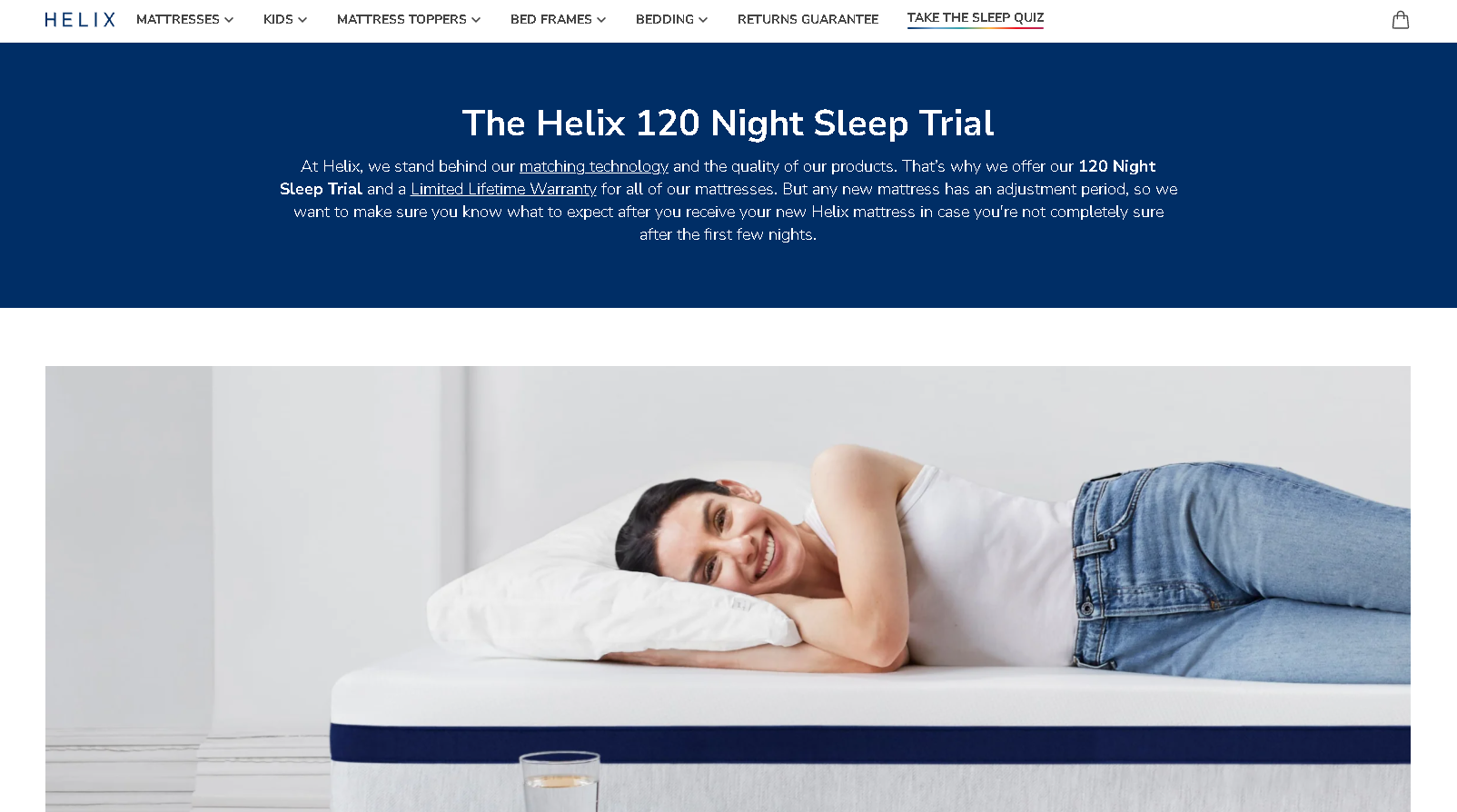
A generous at-home trial matters with either brand because, let’s be honest, lying on a mattress for 10 minutes in a showroom while a salesperson watches is not exactly the same as sleeping on it for eight hours.
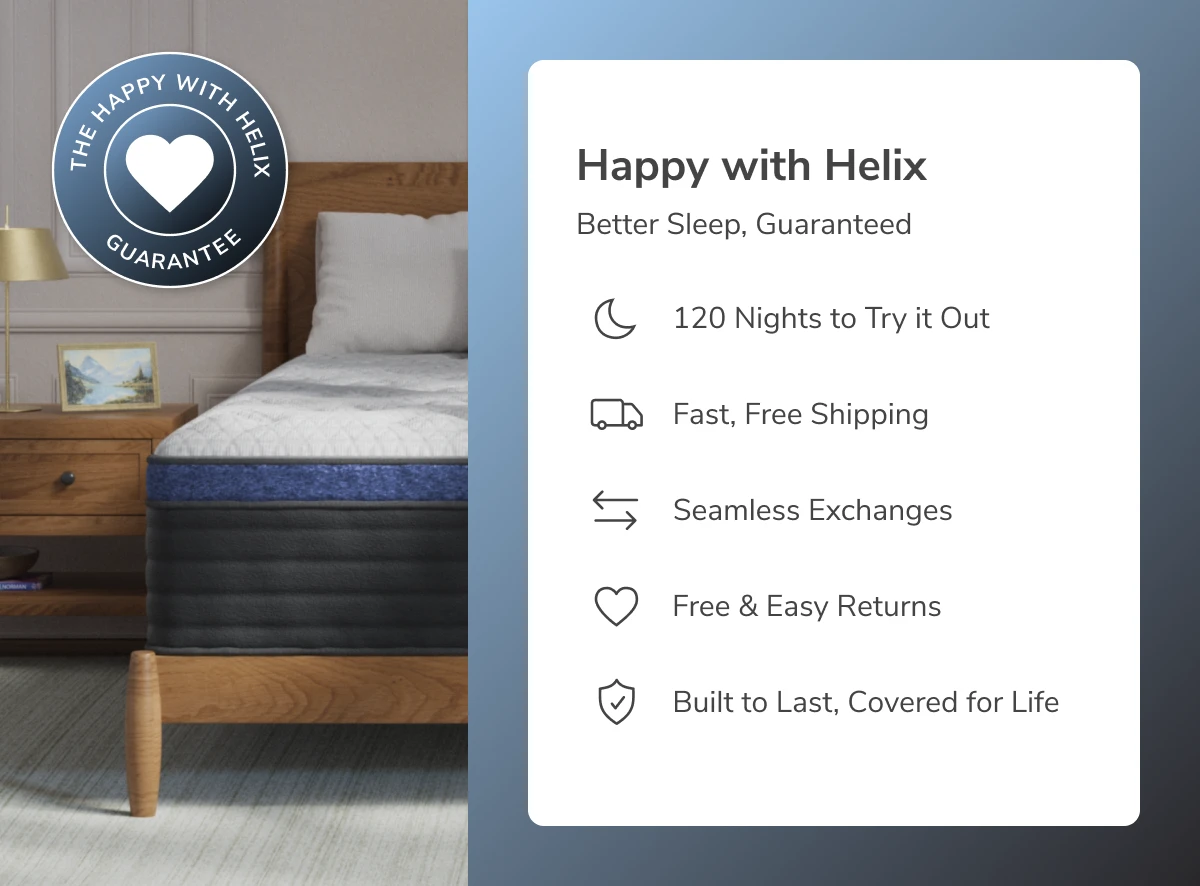
Helix currently offers a 120-night sleep trial and asks customers to give the mattress at least 30 days before initiating a return or exchange. If it isn’t working for you during the eligible trial period, Helix offers exchange and return options subject to its current policy.
Sleep Number currently offers a 100-night in-home trial on its mattresses. If you decide the mattress isn’t right for you, you can contact Sleep Number during the trial period to arrange an authorized return.
Exchanges are also available, but the replacement mattress is considered final sale and does not come with another 100-night trial. Some products, including adjustable bases, are excluded from the trial and are considered final sale as well.
Overall, both brands offer relatively generous sleep trials, giving you a reasonable amount of time to decide whether your new mattress is right for you. Neither brand leaves you completely on your own after the initial purchase.
Helix vs. Sleep Number: Which Should You Buy?
At the end of the day, this isn’t really a question of which mattress is universally better. It’s a question of how much flexibility you’d like to have when it comes to your bed.
Helix gives you plenty of choices without making the buying process overly complicated. You can choose a mattress based on your sleeping position, preferred firmness, and budget; set it up; and get on with your life.
Sleep Number is the better answer when the adjustability is what you’re after. If you and your partner can’t agree on firmness, you want to be able to change your mattress setting over time, or you’re interested in active temperature control, the additional cost may be worth it.
The better choice comes down to which sounds more appealing when you’re ready to go to bed: having options or not having to think about your mattress at all.