


- Eight Sleep Pod 6 Review: My First Impressions After Sleeping on It - September 25, 2026
- Sleep Routines for Hot Sleepers: How to Build a Cooler Night’s Sleep - September 24, 2026
- Sateen Sheets vs Satin Sheets: What’s Actually the Difference? - September 7, 2026
I have always preferred sleeping in a cold room, and growing up in Michigan probably had something to do with that. We heated our house largely with a wood stove, so the main rooms would be nice and warm while the bedrooms stayed pretty chilly. I never minded that part. What I hated was getting into a freezing bed at the end of the day and lying there waiting for the sheets, my feet, and eventually the rest of me to warm up.
Then one Christmas, my family got electric blankets, and I was sold. Being able to climb into an already-warm bed while the room itself was still cold felt ridiculously luxurious, and apparently I never grew out of it. I still sleep with an electric blanket year-round, even when the air conditioning is running.
That basic problem has a lot more solutions now. Electric blankets and heated mattress pads are still around, but you can also warm the air under the covers, circulate heated water through a mattress cover, preheat each side of the bed separately, or use a system that warms you in January and cools you in July.
For someone like me who wants the room cool but absolutely does not want to get into an icy bed, these are the options I’d look at.
A Quick Look at the Best Bed Warmers
| System | Best For | How It Warms | Dual-Zone? | Approx. Price |
|---|---|---|---|---|
| Eight Sleep Pod 5 | Year-round temperature control | Water-based mattress cover | Yes | Around $3,000 + required first-year Autopilot |
| BedJet 3 | Fast warming without water | Warm air under the covers | Yes, with dual setup | Starts around $499; dual setup higher |
| Chilipad 2.0 | Water-based control without a subscription | Water-based mattress pad | Yes | Starts around $1,599 |
| Perfectly Snug Smart Topper | Heating and cooling with less external hardware | Heated and ventilated topper | Yes on larger sizes | Around $1,499 |
| Heated mattress pad or electric blanket | Straightforward, inexpensive warmth | Electric heating wires | Often | Usually well under $200 |
Eight Sleep Pod 5: The One Bed System I’d Use Year-Round
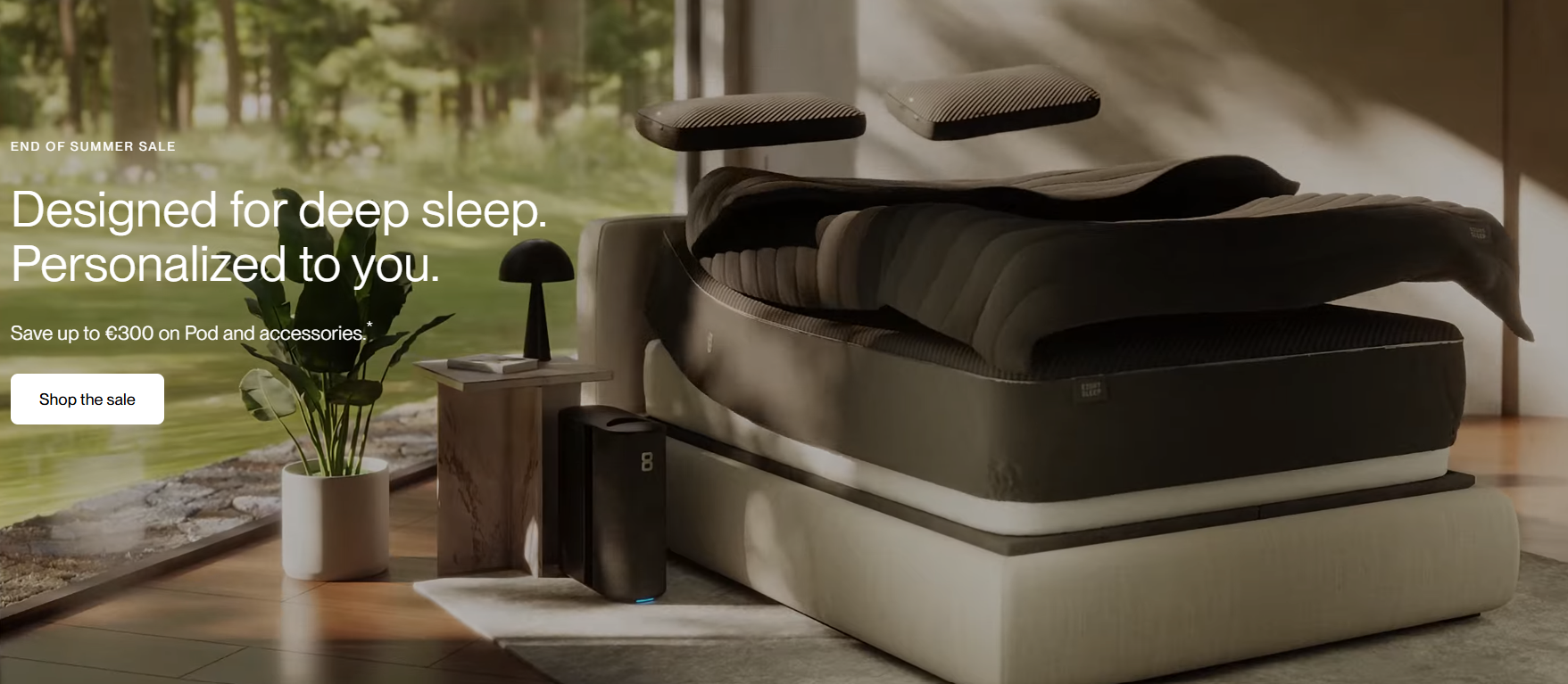
If I were spending serious money on bed temperature, I would want it to help me for more than a few months of winter, and that’s exactly what this brand does.
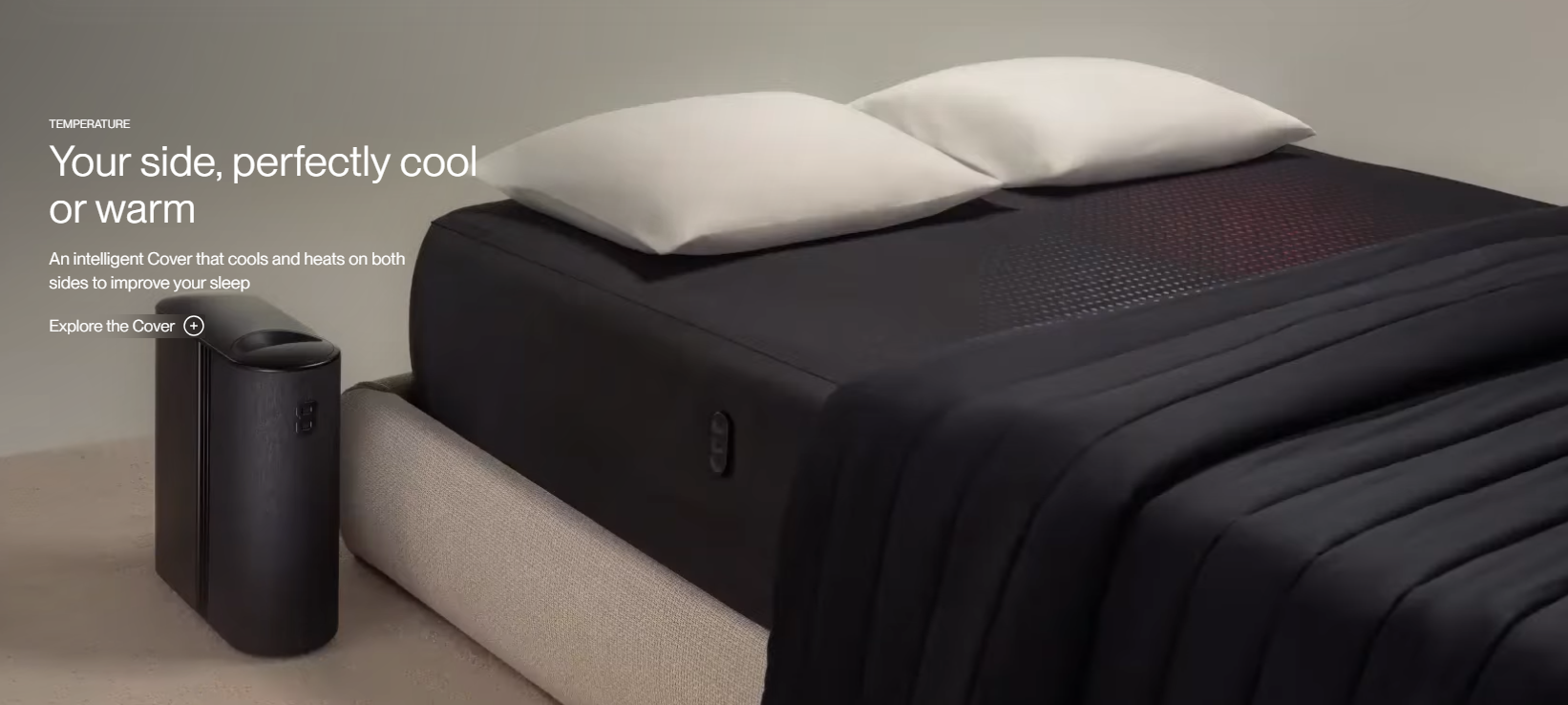
The Eight Sleep Pod 5 goes over your existing mattress and circulates temperature-controlled water through the Cover. It can heat to 110°F or cool to 55°F, and each side operates independently. That dual control is probably the feature I’d appreciate most.
I’m the person who can turn the air conditioning down and then climb under an electric blanket, which my husband understandably finds a little ridiculous. Dual-zone control sounds excessive until two people are trying to sleep in the same bed with very different ideas of comfort.
With the autopilot feature you can also change the bed temperature through the night instead of holding one setting until morning. I love getting into a really warm bed, but I’m also someone who can wake up a few hours later suddenly too hot. Being able to start warm and have the bed adjust after I fall asleep is much more appealing to me than picking one temperature and hoping I still like it at 3 a.m.
At around $3,000 before you factor in Autopilot, I would not buy the Pod solely because I hated getting into cold sheets. The price starts to make more sense if you also want cooling, independent temperature control, and automatic adjustments throughout the night. Autopilot membership is required for the first year, and the water system uses a maintenance insert that periodically needs replacing.
Earlier Pod generations had complaints about leaks. Eight Sleep fixed this by redesigning the internal tubing layout and adding automatic daily priming, which reduces the pressure and stress points that cause leaks.
Eight Sleep also sells an optional hydro-powered Blanket, but I would start with the Cover. I think I would want to see how much I liked the system on its own before adding another layer to it.
BedJet 3: The One for Warming the Bed Fast
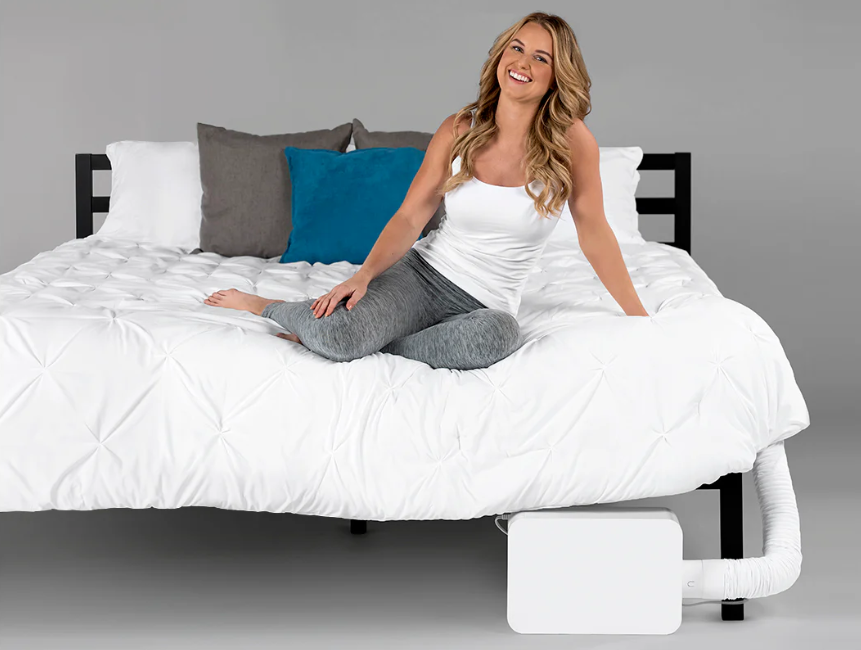
BedJet uses air instead of water. A small unit sits underneath or beside the bed and sends heated or cooled air beneath the covers through a hose, so you are not adding a water-filled layer or thick topper to the mattress.
The biggest appeal for me is speed. There are plenty of Michigan winter nights when I am already tired, my feet are freezing, and I don’t want to remember to turn something on half an hour before bed. I want to hit a button while I brush my teeth and climb into warm sheets a few minutes later.
BedJet’s temperature range is 66°F to 109°F, and Turbo mode is designed for a quick burst of high heat. Even if I ran it for the full ten minutes, the electricity cost would only be a few cents at typical residential rates, which is not something I would lose sleep over.
The couple setup does require a little more hardware. One BedJet can treat the whole bed, or it can work with the company’s Cloud Sheet to direct air to one side. If both sleepers want fully independent temperatures, you need two BedJet units.
That means more hardware and two hoses around the bed. I am not excited about making the bedroom look more mechanical, but I could forgive quite a bit in January if my feet are warm.
The price range really depends on the features you get but it starts at $499 and goes up from there. Maintenance is simple: periodically rinse and dry the washable air filter. There is no water reservoir to refill.
Chilipad 2.0: Similar Idea, No Membership
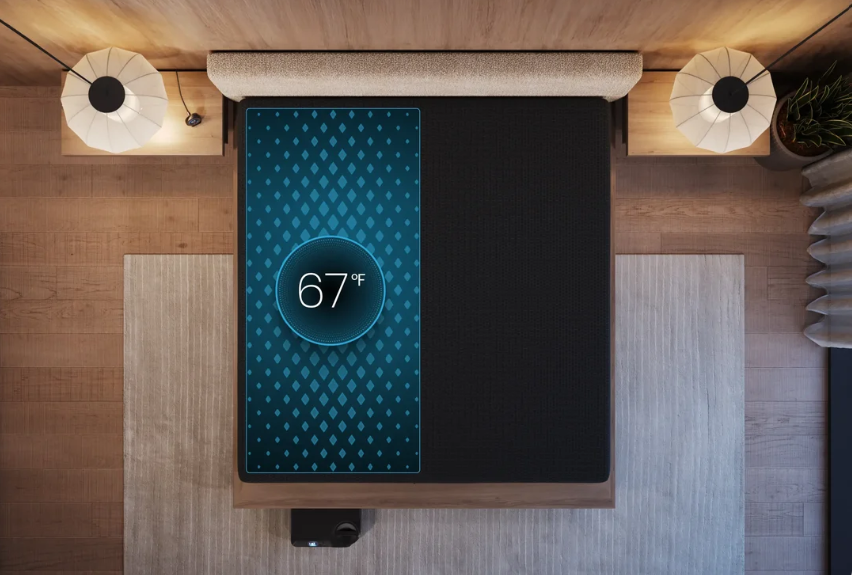
Chilipad 2.0 uses circulating water to heat or cool the mattress surface, with a temperature range of 55°F to 115°F. It starts around $1,599, can be configured for one or two sleepers, and there is no subscription fee.
I deal with chronic migraines and neck pain, so I do like that the phone is not the only way to control it. There is an app for schedules, controls on the Dock, and a separate nightstand remote with a physical dial. If I wake up uncomfortable in the middle of the night, the last thing I want is to find my phone, light up the room, open an app, and start navigating settings. A physical dial is basic in the best possible way.
You are still adding a water loop to the bed, which means filling it with distilled water, adding the recommended system cleaner, and occasionally topping off the reservoir. The newer Dock has a larger reservoir to cut down on refills, but it is still more upkeep than plugging in an electric blanket.
The 115°F maximum is the warmest published setting among these full climate systems. For me, the bigger draw is precise heating and cooling without an annual membership.
Perfectly Snug: Less Stuff Around the Bed
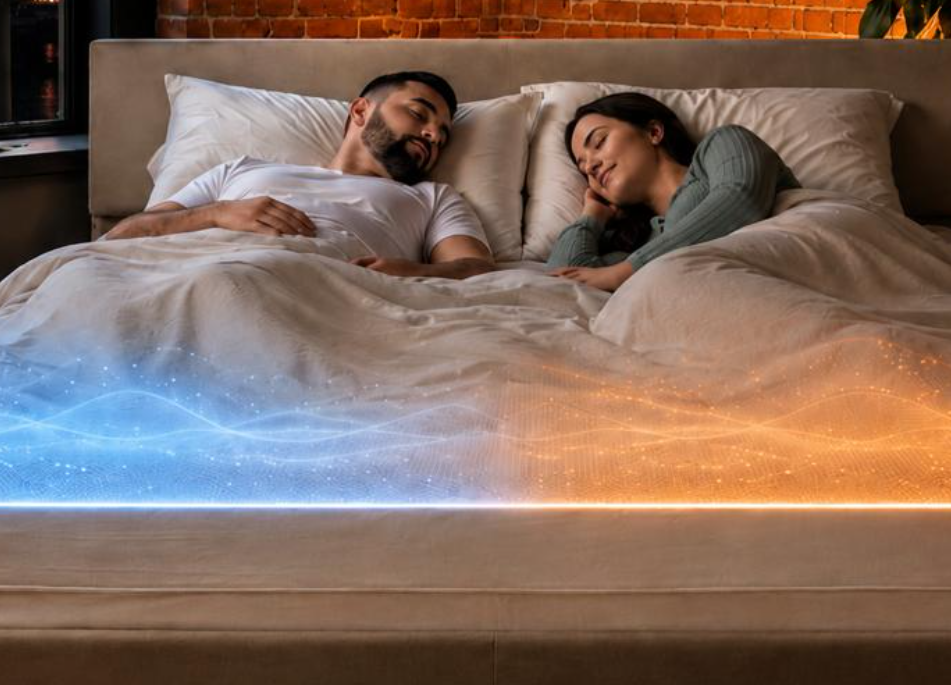
Perfectly Snug takes a different approach. The heating and active-air cooling components are built into the topper itself, so there is no external water tank or climate unit sitting next to the bed. Queen, king, California king, and split king versions can have separate zones for each sleeper.
Rather than choosing a literal water temperature, you adjust the system warmer or cooler relative to body temperature. It includes preheating and a foot heater, which feels almost unfairly targeted to someone like me. I can be perfectly comfortable everywhere else and still have feet that feel like ice.
The Smart Topper is around $1,499, with no subscription and no routine water maintenance. The manufacturer reports very low average power use, although I treat manufacturer energy estimates as a general guide because real use depends on settings and how long you run it.
My hesitation is the topper itself. It’s around two inches thick and adds foam and airflow structure to the bed. My neck is annoyingly sensitive to changes in my sleep setup, so I notice pretty quickly when a mattress and pillow combination feels different. I’ve spent enough time getting my bed comfortable that I would not casually add two inches just because I liked the temperature features. For someone less sensitive to mattress feel, the all-in-one design may be a much bigger advantage.
Why I Still Love an Electric Blanket
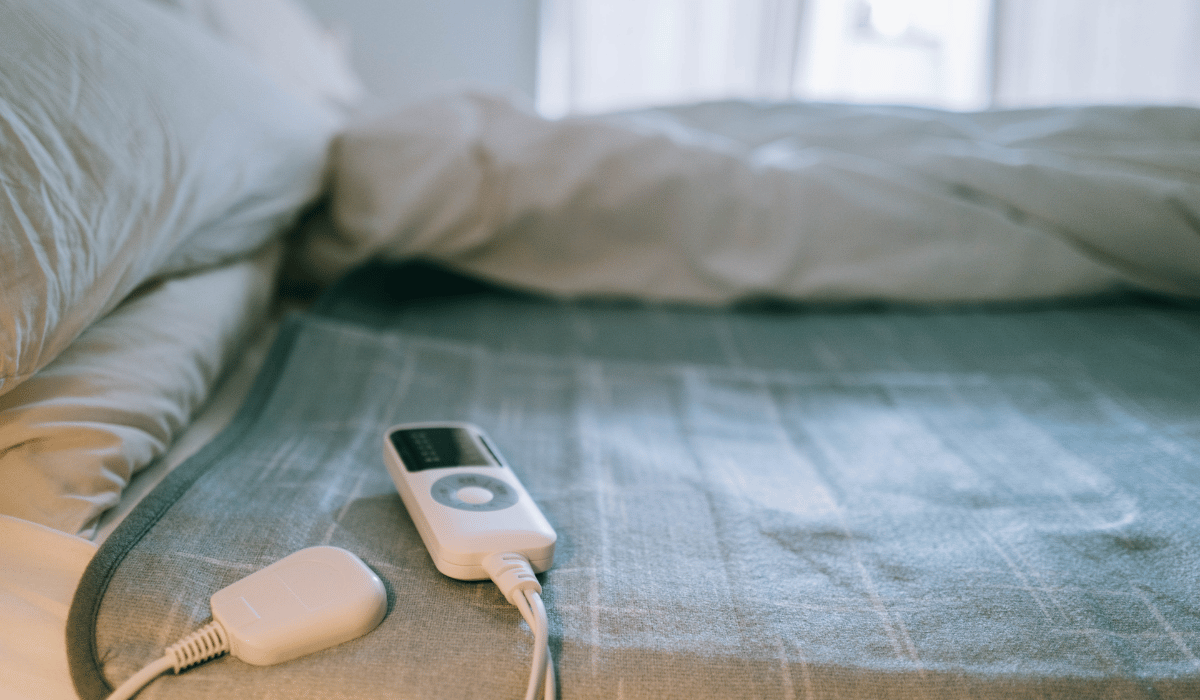
After all the smart systems, I still have a soft spot for a basic electric blanket. Newer versions come with multiple heat settings, automatic shutoff, and dual controls on many larger sizes, and they’re washable once you remove the controls. It’s familiar technology, and a fraction of the price of everything above.
A heated mattress pad is probably the better choice if your main complaint is cold sheets. The heat comes from underneath you and stays fixed in place. But, I happen to prefer top-down warmth, so I remain an electric-blanket person. There is something about pulling a warm blanket around me that I like more than simply having the mattress warm.
I also notice the wires more in a mattress pad. Most brands will tell you they’re designed so you barely feel them, and that may be true at first, but inevitably I seem to notice where they are once I have slept on one for a while. If you are already sensitive to the way your mattress feels, that’ll be a red flag.
The other limitation is precision. You are choosing a numbered heat level rather than a specific temperature, and the blanket cannot cool you later or adjust itself as you sleep. You also need to inspect heated bedding periodically for damage, remove controllers before washing, and make sure everything is completely dry before reconnecting it.
However, if someone told me they had around $100 and never wanted to climb into cold sheets again, this is where I would send them first. You do not need a four-figure sleep system to solve a very basic winter problem, but if you ever feel like leveling up and can swing it, that’s when something like the Pod starts to make sense.
What Running These Systems Costs
For most people, electricity is not going to be the deciding factor. Electric blankets and heated mattress pads typically cost only a few cents a night to run at average U.S. electricity rates. Once you move into the more advanced systems, you’re still only looking at $2-$15 more depending on how long you run it.
If you’re curious about your exact cost, use this simple formula from EDF Energy:
- Divide your bed warmer’s wattage by 1,000 to get kilowatts.
- Multiply by the number of hours you use it per day.
- Multiply by the number of days in a month.
- Multiply by your local electricity rate (cost per kWh, found on your utility bill).
I think the bigger question is less about what they add to the electric bill more about which system fits how you want to use it.
For example, Eight Sleep‘s Autopilot membership and maintenance inserts come with a system built to track your sleep and fine-tune temperature automatically through the night. Chilipad skips the subscription and relies on a water system. Perfectly Snug has no water loop or subscription, though the foot heater needs 30 to 60 minutes to preheat. It’s better to figure out which kind of system you’re drawn to, health and sleep tracking, water cooling, or air-based cooling, than to chase a few dollars a year in electricity savings.
Which Type of Warmth Feels Best?
After looking at all of these, I think the biggest difference is less about the temperature and more about how you want the warmth to feel. I like an electric blanket because the heat comes down around me, while other people may prefer a warm mattress underneath them, heated air moving through the covers, or a system that’s quietly learning their sleep and adjusting through the night without them having to think about it. That is probably something I would think about before I worried too much about which system has the longest feature list. What do you need it to do?
For me, the goal has never been a hot bedroom. Give me cold Michigan air, a warm bed, and a way to stop thinking about the temperature once my head hits the pillow.