



- Elevating Recovery: Mattress Toppers Every Athlete Should Consider - March 6, 2026
- The Best Natural Menopause Sleep Aids: A Psychotherapist’s Take - February 12, 2026
Few things beat crawling into bed after a long day and waking up refreshed. But a bad night’s sleep? That’s a special kind of misery; brain fog, constant exhaustion, everything feeling like a slog the next day… and it’s not just annoying. Poor sleep affects our mood, mental sharpness, and even our physical health.
In my psychotherapy practice, insomnia comes up all the time. Not getting enough Z’s really takes a toll on our well-being, so it’s key to deal with anything that stands in the way of getting sufficient shut-eye. As a psychotherapist supporting women through menopause – and as a gal who is quickly approaching this time of my life – I’ve made it my mission to discover the best natural sleep aids for menopause.
So why am I on the hunt for the best natural menopause sleep aids? Because, while prescription sleep meds can help, they often come with unwanted side effects and the risk of dependency. And honestly, I don’t love the idea of relying on heavy-duty pharmaceuticals just to fall asleep. I want to feel in control of my sleep, and I want anything I use to support my overall well-being, not take away from it.
When people think about natural menopause sleep aids, they usually picture supplements or calming teas. And those can definitely help! But there are actually many other options worth considering. Below, I’ve rounded up some of the best natural menopause sleep aids.
Best Natural Menopause Sleep Aids at a Glance
| Best Natural Menopause Sleep Aid | How it works | Pros | Cons |
| Acupuncture and Acupressure | Stimulates nervous system, reducing stress, balancing hormones | Minimal side effects and risks Reduction of hot flashes and night sweats | Time and financial commitment Relies on ongoing treatment for prolonged symptoms |
| Aromatherapy | Balances hormones, stress relief, improves mood | Affordable, easy to use, a nice complementary sleep aid | Potential side effects: skin irritation, allergies, endocrine disruption |
| Cannabidiol (CBD) | Calming effects- induces sleep, helps to stay asleep, alleviates stress, reduces anxiety | Helps regulate sleep cycle Promotes deeper sleep | No info on long-term effects of use Possible mild side effects, tolerance and dependence |
| Cognitive Behavioural Therapy (CBT-I) | Build skills to manage sleep disturbances | No reliance on external remedies and long-term results | Accessibility and cost Delayed results, high effort commitment |
| Dietary Supplements | Induces relaxation, improves sleep onset, enhances sleep quality, reduces night sweats | Fewer risks than pharmaceuticals, and a variety of options that are relatively affordable | Supplement industry not well regulatedPotential for some risks and side effects |
| Sleep Hygiene | Regulates circadian rhythm, creates positive sleep experiences, reduces sleep disruptors | Free, self-directed and can tailor plan to unique needs | Time and high effort commitment Can’t resolve hot flashes, night sweats |
| Sleep Technology: Phone Apps (i.e. Calm, Chorus Sleep, Sleep Reset…) | Regulates hormones, calm the nervous system and release physical tension | Affordable, accessible and easy to use Counteracts stress associated with hormonal changes | Doesn’t address root physiological causes of sleep disturbances Personal data privacy concerns |
| Sleep Technology: Wearables (i.e. headbands, masks, rings…) | Optimizes brainwave activity, regulates circadian rhythm | Helps monitor physiological markers during menopause Regulates circadian rhythm | Lots of notifications, frequent charging due to small batteries Cost, and can be uncomfy to wear |
| Sleep Technology: Active Cooling Mattresses, Beds and Smart Systems (i.e. Sleep Eight, Bedjet…) | Controls temperature to keep you cool | Regulates body temp to resolve night sweats and hot flashes | Cost can be prohibitive |
Acupuncture and Acupressure
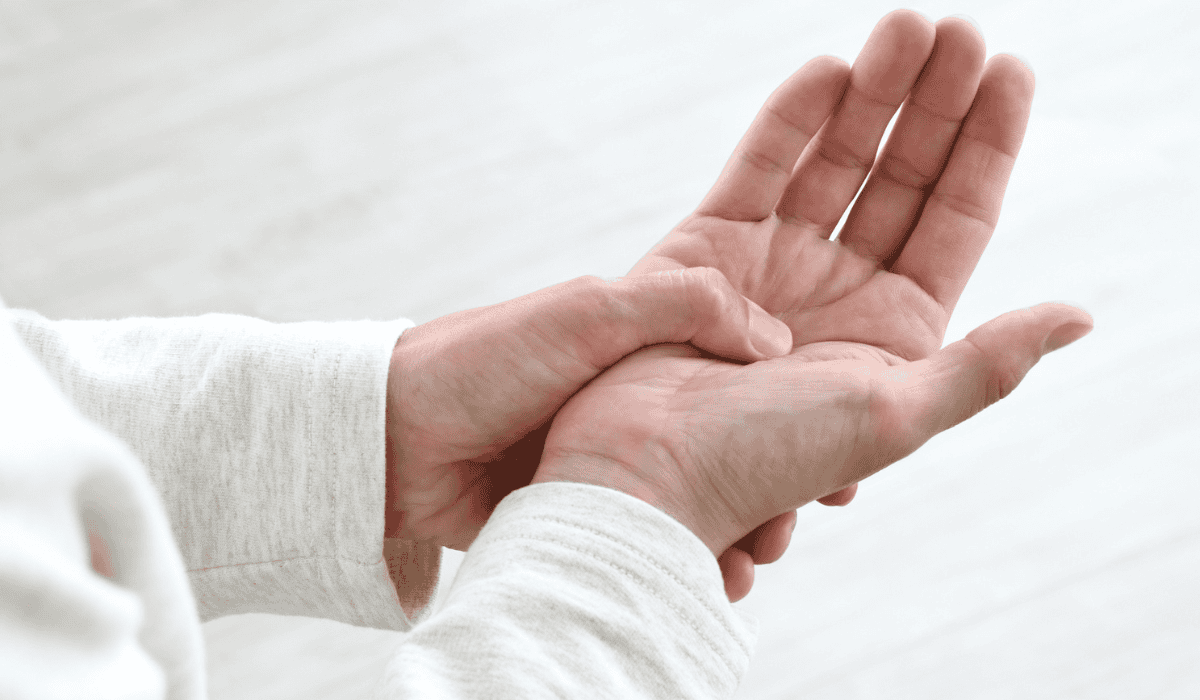
I think acupuncture is a really neat natural menopause sleep aid. It comes from traditional Chinese medicine where very thin needles are inserted into specific points on the body. The idea is that attending to these points help balance your body’s energy, or qi (pronounced “chi”), which can get blocked or unbalanced due to different conditions… like menopause. By restoring that balance, acupuncture is thought to support healing and overall well-being. Sessions usually last about 30–60 minutes and are often done once or twice a week for several weeks.
From a Western medicine perspective, acupuncture works by stimulating the nervous system, which helps release endorphins (the body’s natural painkillers) and improve blood flow.
- Acupressure is a similar approach, just without needles. It uses steady pressure applied on the same points, kind of like a focused massage.
- Both methods are used for a wide range of health issues, and newer studies suggest they can help improve sleep for women dealing with menopause symptoms.
- Why people like it: treatments are generally low-risk, have few side effects, and are relatively affordable.
I treat myself to acupuncture every two weeks, and it’s seriously one of my favorite forms of self-care. I stretch out on the table, and let those tiny needles work their mysterious magic (it feels far more satisfying than it sounds, I promise!). By the time I leave, I’m stress-free, calm and refreshed. As far as natural menopause sleep aids go, this one gets my glowing recommendation.
Aromatherapy
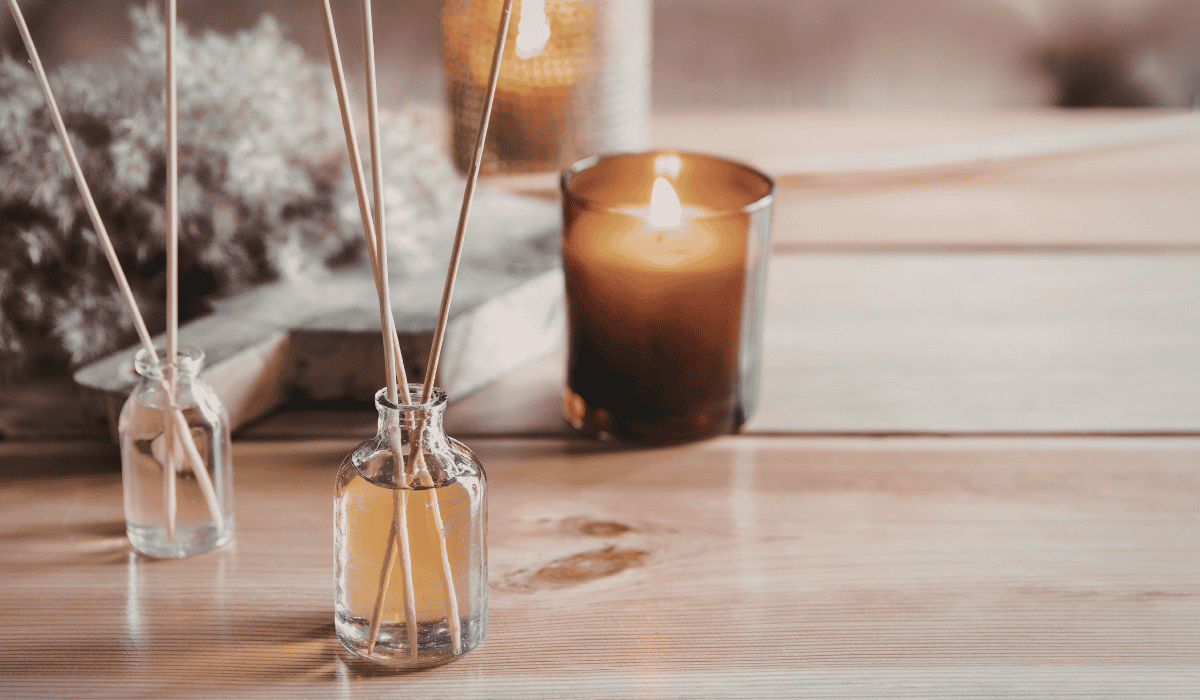
As a gardener and lover of all nature’s delights, I’m a big fan of aromatherapy as a natural menopause sleep aid. It uses aromatic essential oils, derived from different types of plants, to support mood, sleep, and overall sense of wellbeing.
Fun facts: the term “aromatherapy” was coined in 1937 by a French chemist, but people have been using plant-based compounds for holistic healing and health benefits for thousands of years. So this natural menopause sleep aid has really withstood the test of time, giving it some pretty serious street cred!
And aromatherapy doesn’t just tickle the nostrils with its splendid smells. Studies show that it reduces anxiety and enhances relaxation, taking the edge off menopause symptoms. In terms of using essential oils as natural menopause sleep aids, crowd pleasers include lavender, chamomile, valerian, geranium, ylang ylang, and bergamot.
And using essential oils is super simple and easy to fit into a sleep routine:
- Massage them into your skin with a carrier cream or oil
- Add a few drops to a warm bath and have a soak
- Breathe them in with steam
- Or let a diffuser do the work while you do… absolutely nothing
My personal favorites are lavender and geranium. One whiff and I almost immediately shift into relax-and-unwind mode. One of my all time favourite rituals is sinking into a hot bath, with a good book, and a few drops of essential oils at the end of a long day.
One thing to keep in mind: while essential oils can help ease some menopause symptoms that cause sleep disturbances, they rarely perform best as a solo act. They do better when paired with other natural sleep aids.
Cannabidiol (CBD)
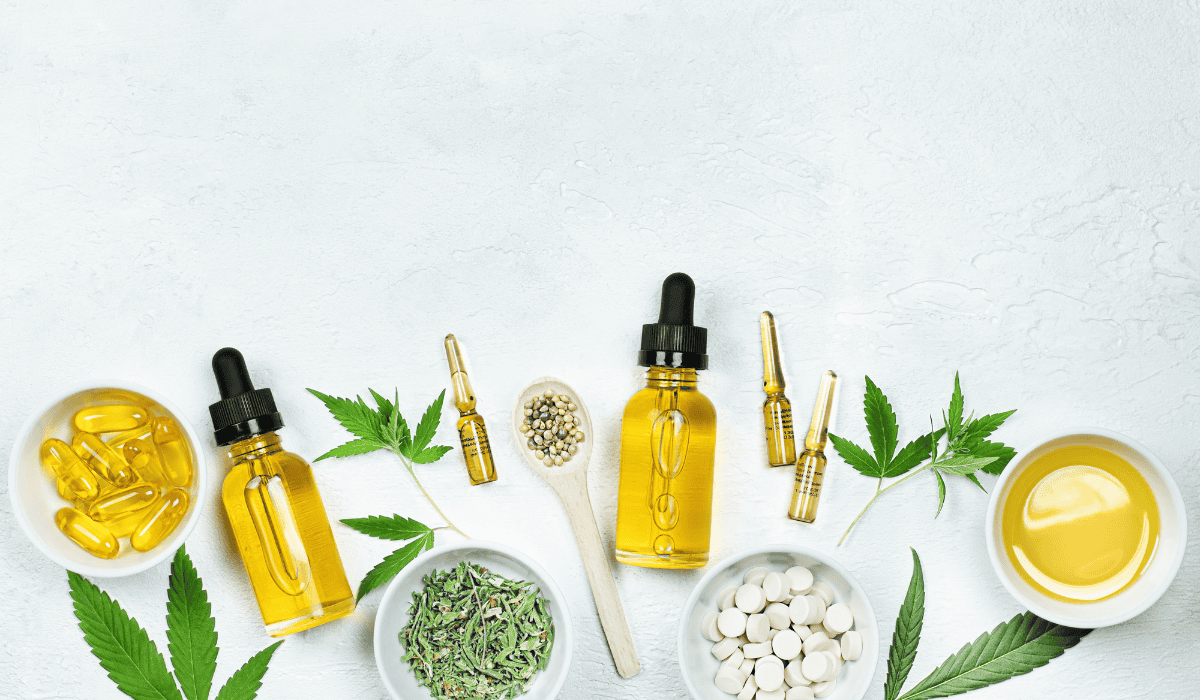
With the cannabis industry boom, these products aren’t just for long-haired hippies and high school stoners anymore. Thanks to the cannabis craze, CBD has become a common go-to as a natural menopause sleep aid. For those who aren’t in the know about this calming compound, here’s the downlow:
CBD 101
- CBD is a non-intoxicating compound from the hemp or cannabis plant
- You don’t get “high” from using it, just calm and relaxed
- You can get it in various forms- tinctures, oils, capsules, creams, and even patches
- It’s generally safe to use, but more research is still needed on long-term effects of use
Why is it great as a natural menopause sleep aid?
- Helps you fall asleep faster and stay asleep
- Eases anxiety and reduces inflammation-related aches
- Can help manage other menopause related symptoms like mood swings and stress
During especially stressful seasons, I’ve turned to CBD to aid my sleep. I can genuinely say that it helped. I try to use it mindfully and avoid relying on it too often, since regular use can lead to tolerance or dependency. That said, the research so far is promising, and CBD is shaping up to be a helpful natural menopause sleep aid option. CBD is not a magic cure, but for many women, it’s an increasingly popular way to achieve the chill needed for a good night’s sleep.
Cognitive Behavioural Therapy for Insomnia (CBT-I)
CBT-I is one of the most effective ways to improve sleep. It’s a short-term program (usually 4 to 8 weeks) led by a trained counsellor, offered one-on-one, in groups, or online. There are even self-guided programs and apps if that’s more your style.
CBT-I gives you practical, easy-to-use tools to sleep better, like building healthier sleep habits, calming racing thoughts, and learning relaxation techniques to help you fall asleep easier.
As a psychotherapist, I believe in getting to the root of the problem so results actually last. It does take some time and effort, but the payoff is absolutely worth it.
Dietary Supplements
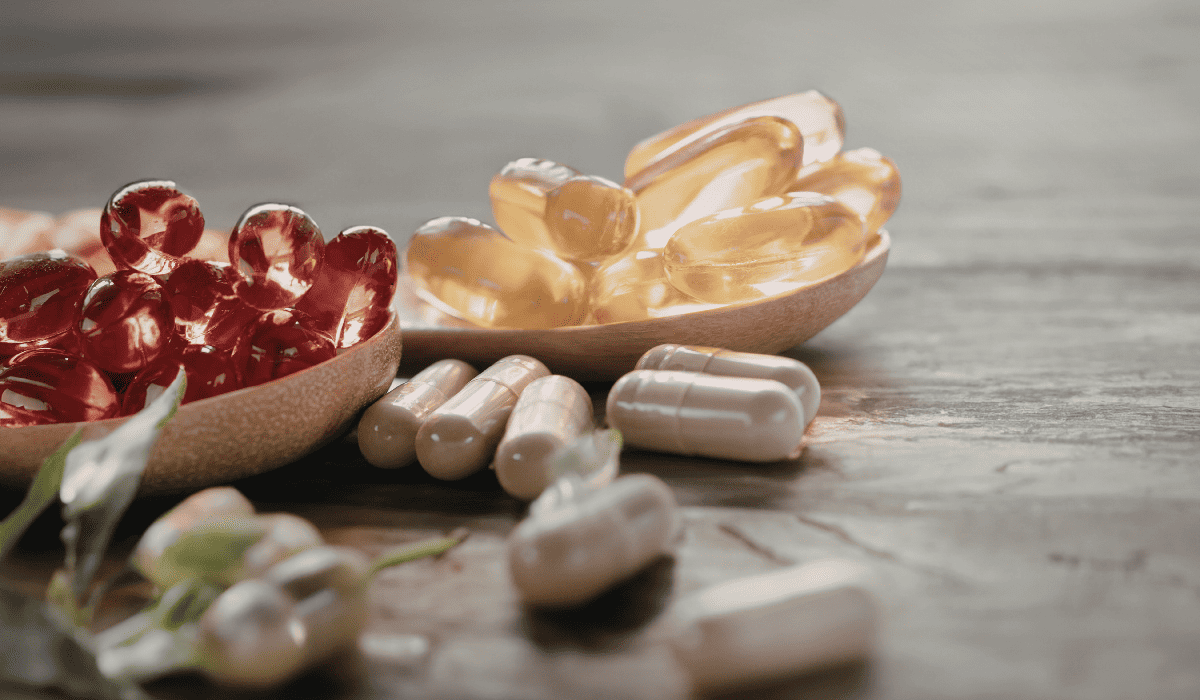
While there’s no shortage of supplements claiming to fix your sleep, research only backs a select few- particularly when it comes to dealing with symptoms causing sleep disturbances during menopause. The ones that show the most promise tend to either help you fall asleep or alleviate menopause symptoms that mess with your rest in the first place.
Supplements with the most promise:
- Melatonin
- Vitamin B6
- Omega-3 fatty acids
- Vitamin D
- Magnesium
- St. John’s Wort
- Valerian root
- L-theanine
Many women reach for over-the-counter supplements because they feel gentler than prescription sleep meds. And in many cases, they are! But “natural” doesn’t automatically mean without risk. Some supplements can cause allergic reactions, interact with medications, or be a no-go with certain health conditions. So a quick check-in with your doctor before starting a new supplement is always a smart move.
It’s also worth being picky about brands. Supplements aren’t closely regulated, so making sure you are getting quality products really matters. You may want to do a deep dive into the brand you are buying before forking over that hard earned cash.
I personally work with a naturopathic doctor who helps me sort through which supplements are actually worth taking (and which ones to skip). After just a couple of months of B12, omega-3s, and vitamin D, I noticed a big boost in my mood, energy, focus… and yes, my sleep too! This experience has definitely made me a believer in the right supplements. My only advice is to loop in a medical professional and be choosy about the products you use.
Sleep Hygiene
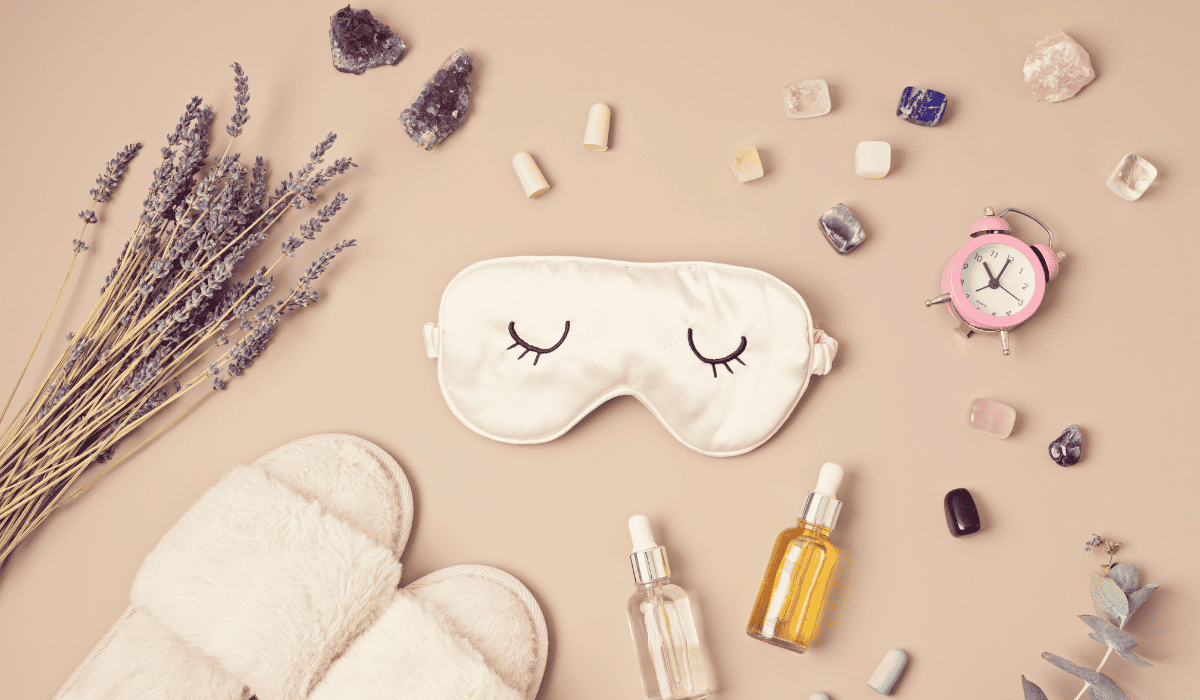
Sleep hygiene is just a fancy term for the everyday habits and environmental factors that help your body sleep better naturally.
To put it simply:
- Go to bed and wake up at the same time
- Skip long naps and wind down before sleep
- Go easy on caffeine and booze and avoid heavy late meals
- Move your body, keep your bedroom cool and quiet
- Leave screens out of bed
Sounds fun, right?
To me, sleep hygiene sounds like a lot of rules. But during menopause, it really can make a difference in reducing nighttime disruptions. One major plus is that it’s free and completely within your control. The trade-off? It takes some seriously dedicated effort and consistency to build and maintain those habits.
I do my best to stick to good sleep hygiene, but with such a busy life, consistency can be tricky. If you’re trying it as a natural menopause sleep aid, I would suggest starting small and building one habit at a time. Slow and steady really does win with this one!
Sleep Technology
There are some pretty impressive things happening in the sleep tech world right now! Thanks to tech advancements, women now have more sleep-assisting devices than ever to deal with their menopause-related nighttime turmoil. From apps and gadgets to smart systems and cooling beds that fine-tune your sleep environment, sleep tech is all about tracking patterns, collecting helpful data, and creating better sleep conditions.
Sleep Apps
Apps like Calm, Sleep Reset, Stellar Sleep, and Chorus Sleep are some of the most popular tools for getting a better night’s rest. They do a lot more than just track sleep. They offer bedtime stories, relaxing music and sounds, guided meditations, and even personalized sleep plans. Some also track resting heart rate and sleep stages, and provide coaching or advice to help you sleep smarter, not harder.
Wearables and Smart Devices
Next up is wearables and smart gadgets. Think headbands, earbuds, rings and sleep masks that use sensors to monitor brain activity and regulate your circadian rhythm. Backed by neuroscience, these devices aim to improve sleep quality by optimizing brainwave activity, basically nudging your brain toward deep, restorative sleep.
Active Cooling Mattresses and Beds
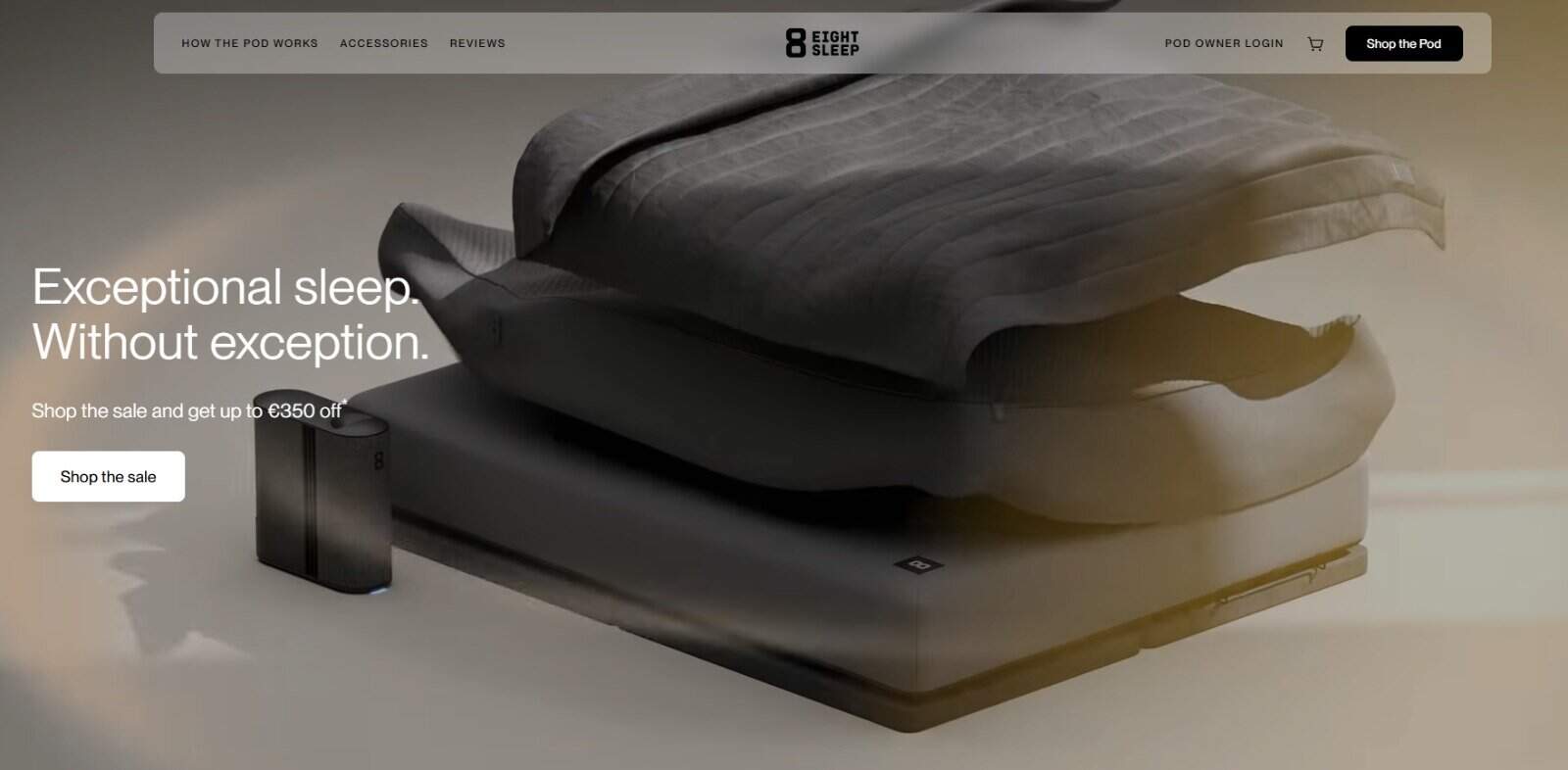
While apps and devices are great, they don’t fully tackle menopause’s toughest sleep disruptors: the dreaded night sweats and hot flashes. That’s where active cooling mattresses and smart beds come in. Brands like Eight Sleep use water-based cooling systems to regulate your body temperature throughout the night, helping you stay cool when those hot flashes try to turn up the heat.
In my opinion, an added benefit of the active-cooling sleep system is that biometric tracking is built right in. No gadgets required. I prefer to feel light and free while I sleep, and the idea of wearing a mask or headband just isn’t my vibe. But, that’s just me!
How to choose what’s right for you?
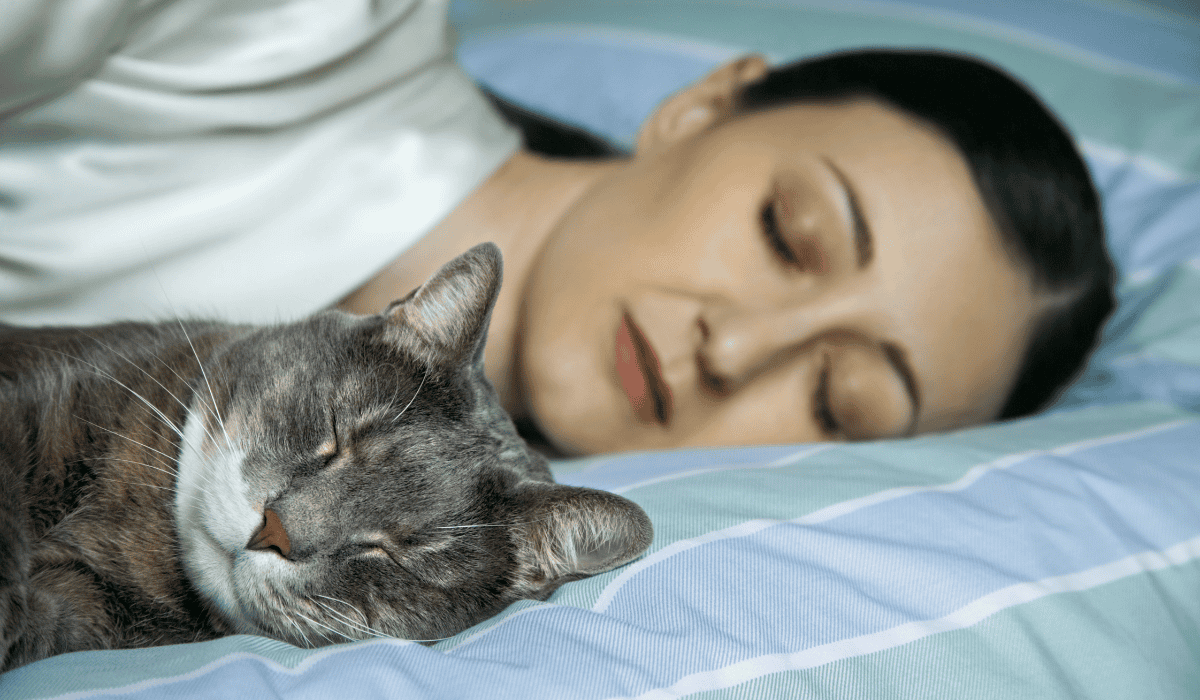
Finding the best natural menopause sleep aids can make all the difference in the world. There’s a whole toolbox of options: herbal remedies, supplements, lifestyle tweaks, therapies, and an array of sleep tech. You can try them on their own, but mixing and matching will probably yield the best results.
Different tools tackle different sleep struggles:
- CBT-I is great if mood swings or anxiety are keeping you up at night
- Acupuncture can help balance hormones and calm the nervous system
- Vitamins & supplements can ease stress or boost sleep-friendly hormones
- Sleep hygiene habits like bedtime routines and a cool, quiet bedroom, help manage stress, insomnia, and fatigue
- Sleep apps & smart devices like Calm, Sleep Reset, or biometric trackers, make relaxation and sleep monitoring easy
- Active cooling beds like Eight Sleep, tackle hot flashes head-on by keeping your body cool when hot flashes hit
With the right combo of natural menopause sleep aids, women can put the miserable sleepless nights of mid-life behind them, to wake up feeling refreshed and at their best every day.
Sweet dreams!