


- MoonSpoon vs bbhugme: Which Body Pillow to Choose? - July 19, 2026
- The Best Luxury Mattresses: From Entry-Luxe to Ultra-High-End - July 14, 2026
- The Best bbhugme Alternatives for Different Sleep Styles - June 11, 2026
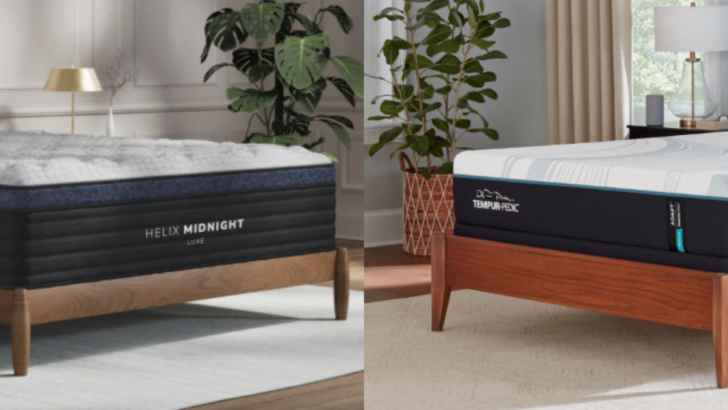
I remember lying on a Tempur-Pedic ActiveBreeze in-store (the most premium mattress of the lot) for the first time and thinking, “okay… this is nice, but is it ‘thousands more’ nice? And is it worth it?” The mattress has a slow, sink-in feeling, which can be polarizing; people either love or immediately side-eye it. You don’t lie on it so much as into it.
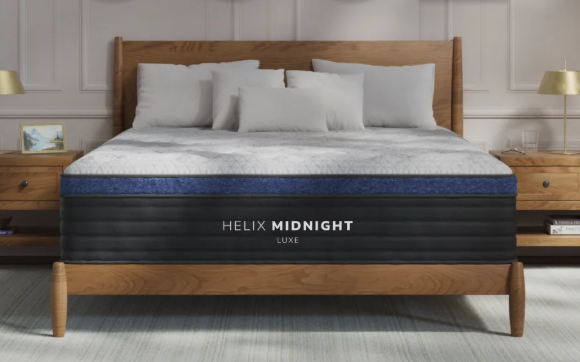
Then, I returned to trying a Helix mattress in-store, and it felt normal again, and in a good way. The mattress felt supportive, responsive, and easier to move on.
When it comes to buying a new mattress, this distinction is a good guide. Are you paying for a better night’s sleep, or for a very specific feel?
At a Glance
| Category | Helix | Tempur-Pedic |
| Price (Queen) | From $2,400–$2,600 | From $1,999–$10,398 |
| Core feel | Hybrid (foam and coils) | Dense, slow-response memory foam |
| First impression | Familiar and balanced | Deep sink, very distinct |
| Pressure relief | Contouring but responsive | Deep, full-body absorption |
| Cooling | Good airflow and upgrades | Improved, but still retains some heat |
| Motion isolation | Strong | Exceptional |
| Responsiveness | Easy to move | Slower, more “stuck” feeling |
| Trial | 120 nights | 90 night |
Comparing Helix and Tempur-Pedic
This isn’t purely a mattress comparison; it’s a price-to-experience question. Let’s dive into some of the factors you’ll want to consider when it comes time to pull the trigger on a new mattress.


1. Comfort and Overall Feel
Helix is built to feel balanced. Foam layers contour around your body, while coils underneath keep everything lifted and aligned. You get pressure relief, but you’re still very aware that you’re lying on a mattress, not sinking into it.
Tempur-Pedic is the opposite. The TEMPUR material reacts slowly to your body heat and weight, which creates a deep, molded feel. You lie down, and within a few seconds, it starts forming around you like memory foam turned up to max.
I’ve spent nights on both (I have a Helix Midnight Luxe, and my one friend owns a Tempur-Breeze Collection mattress), and the difference is fairly immediate. Helix feels easy, like your body just settles and you’re done. Tempur feels more immersive. The first few nights, I kept noticing this, which can either be a good or bad sign depending on what you want.
When it comes to feel, if you’re chasing that classic memory foam experience, go with a Tempur mattress. But if you just want comfort pure and simple, Helix is easier (and more familiar) to live with.
2. Pressure Relief

Tempur-Pedic built its reputation on pressure relief, and it shows. The material absorbs pressure instead of pushing back, which can feel incredible if you deal with joint pain or wake up with sore shoulders and hips.
Helix still does this well, especially in softer or Luxe models, but it’s more balanced. You get contouring, but also support from the coil system underneath.
The difference is subtle…until it isn’t. On Tempur, you can expect to feel like pressure just disappears. On Helix, it feels like pressure is managed. For some people, that deeper relief is worth the price, and for others, it starts to feel like too much sink, especially over a full night.
3. Cooling and Temperature
Helix has a clear advantage here. Because it’s a hybrid, air can move through the coil layer, and higher-end models add cooling covers to help regulate temperature. It’s not cold, but it doesn’t trap heat the way traditional foam beds can.
Tempur-Pedic has improved cooling over the years, especially with the Breeze line, but it’s still dense foam. And dense foam, by nature, holds heat longer. I noticed this more than I expected. I didn’t overheat, but I felt that slightly warmer, “held” feeling through the night. So if you sleep even a little hot, this becomes one of the deciding factors pretty quickly.
4. Movement and Responsiveness

Helix is easy to move on. You can roll over, shift positions, or get out of bed without thinking about it. The foam responds quickly, and the coils push back just enough to keep things feeling light.
Tempur-Pedic is slower. That’s part of its appeal since it absorbs movement and molds around you, but it also means you feel more “in” the bed. Turning over takes a bit more effort, and you’ll notice it more if you move a lot at night or if you have sore joints. I had one night where I woke up half-asleep, trying to switch sides and genuinely thought, “Why does this feel like a workout?”
If you’re a combination sleeper, Helix is just easier.
5. Motion Isolation
Tempur-Pedic wins here, no question. The dense foam absorbs movement almost completely, which is why it’s so popular with couples. If your partner gets up, shifts, or moves around, you’re far less likely to feel it.
Motion isolation with a Helix mattress is still very good, and it’s better than most hybrids, but there’s a slight bounce from the coil system.
If you’re a light sleeper sharing a bed, Tempur has the edge. If you’re not especially sensitive, Helix is more than enough.
6. Price and Value
Helix queen mattresses often sit around the $2,400–$2,600 range before promos, depending on the model and collection. Tempur-Pedic queen mattresses range much wider, from around $1,999 for the TEMPUR-Cloud to $10,398 for the TEMPUR-ActiveBreeze smart bed.
With Helix, your money goes toward a premium hybrid mattress with personalized comfort, coil support, cooling options, and strong everyday usability. With Tempur-Pedic, the lower-end models are cheaper than Helix pricing, but the brand’s luxury and cooling collections climb fast.
That’s why Helix still wins on value for most shoppers. You’re getting a high-end, responsive hybrid feel without being pushed into the upper-luxury price range. Tempur-Pedic makes more sense if you specifically want its slow-response foam feel or one of its advanced cooling/smart bed models.
7. Setup, Trial, and Long-Term Experience
Helix is straightforward. It arrives compressed, you set it up, and you’re done. The 120-night trial gives you time to figure it out without pressure. Tempur-Pedic is more of a traditional luxury experience with delivery, setup, and a slightly shorter 90-night trial window.
In terms of long-term use, Helix feels consistent and low-maintenance. Tempur feels more “premium,” but also more specific: if your preferences change, the mattress doesn’t adapt much.
Who Each Mattress Makes More Sense For
The way you actually sleep, your position, how much you move, and whether you wake up sore, tends to matter more than any spec sheet. And this is where the difference between a slow-response foam bed and a hybrid really shows up over a full night.

Side Sleepers
Tempur-Pedic can feel incredibly good for side sleeping, especially if you deal with shoulder or hip pressure. The material compresses slowly and deeply, so those heavier areas sink in without pushing back too quickly. On nights when my shoulder and hip were acting up, this was the one setup where I noticed I wasn’t constantly adjusting to get comfortable.
Helix still handles side sleeping very well, particularly models like the Midnight or Sunset. You get enough cushioning to relieve pressure, but the coil system underneath keeps your body more lifted overall. The difference is that Helix feels more balanced, while Tempur feels more immersive.
If you want deeper pressure relief, Tempur-Pedic has the edge. If you want support that feels easier to move around on, Helix tends to be the better fit.
Back Sleepers
This is one of the more even matchups, but the feel is still very different. Helix gives you a more structured, slightly lifted position. Your hips stay supported, your lower back doesn’t collapse, and your weight is distributed across the mattress rather than absorbed into it. It feels stable in a way that’s easy to trust, especially if you’ve had issues with lower back support in the past.
Tempur-Pedic adapts more closely to your shape, which can feel great at first. It fills in the curve of your lower back nicely, but depending on the model, it can also feel softer overall. I noticed that on longer nights, it sometimes felt like I was settling deeper than expected (which made turning over to get up more challenging).
Stomach Sleepers
Helix is the safer and more consistent option here. Stomach sleeping puts more pressure on your midsection, so you need a mattress that keeps your hips from sinking too far. The hybrid construction in Helix does a better job of holding that line. Firmer models especially feel stable and supportive without forcing your body into an awkward angle.
Tempur-Pedic can work, but it’s much more dependent on the firmness you choose. Softer models tend to let your hips dip, which can throw off alignment pretty quickly. I found myself noticing this more after a few hours rather than right away.
Combination Sleepers
Helix tends to work better if you change positions throughout the night, and it’s the responsiveness that makes a difference here. You can roll from your side to your back (or vice versa) without feeling like you’re pushing against the mattress. It’s subtle at first, but over a full night, it adds up to less effort and fewer micro-adjustments.
Tempur-Pedic is more restrictive in comparison. That slow-response foam that feels great for pressure relief also resists quick movement. I remember waking up mid-turn and being very aware of the mattress catching up to me.
So, is Tempur-Pedic or Helix More Worth It?
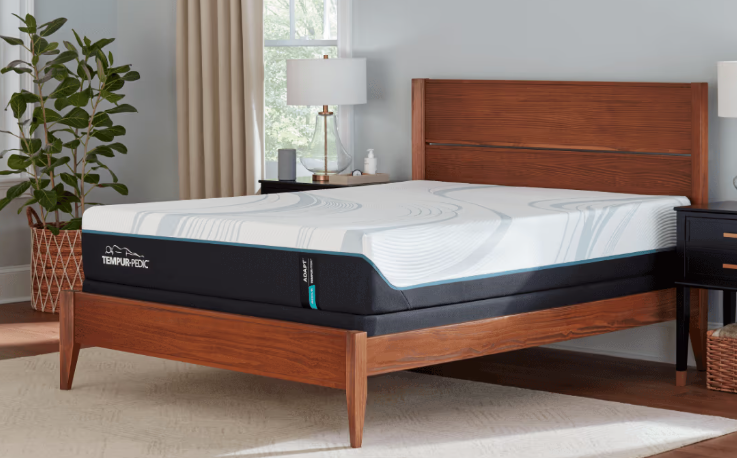
If you’ve always sought that classic memory foam feel (the kind where you sink in and stay put) Tempur-Pedic still does it better than almost anyone. That’s really what you’re paying for, and if that specific experience matters to you, it can absolutely be worth it.
But if your goal is simply to sleep well night after night, not chase a particular feel, Helix makes more sense for most people. It’s cooler, easier to move on, and more adaptable across different sleep styles without asking you to commit to one very specific experience.
For a lot of people, the difference isn’t only about better sleep; it’s about a different kind of comfort. And once you see it that way, Helix ends up being the option that fits more easily into real life.