



- Orion Sleep System vs. Eight Sleep: Which One Actually Improves Sleep Night After Night? - February 3, 2026
- Your Complete Guide to Night Sweats Relief: Causes, Fixes, and Smart Cooling Solutions - January 1, 2026
- Best Pillow for Acid Reflux: What Finally Helped Me Sleep Through the Night - September 25, 2025
Night sweats can feel like your body is betraying you during the exact hours you’re supposed to rest. One moment you are drifting off, and the next you are wide awake, overheated, and peeling damp sheets away from your skin.
When it happens often enough, you start to dread bedtime because, for you, it’s sweat time.
If that sounds familiar, you are not alone.
Night sweats affect millions of people, regardless of age, gender, or climate. They can sneak into your life for reasons that range from hormonal changes to room temperature problems to simple genetics.
The good news is that relief is absolutely possible. Once you understand why your body overheats at night and how your sleep environment contributes to the cycle, you can start making changes so you don’t have to “sweat it” anymore.
Let’s go through everything you need to know, from physiology to bedding choices to technology that can keep your sleeping space consistently cool.
What Counts as “Night Sweats,” Really?
You might think any nighttime heat or perspiration qualifies, but night sweats have a few specific characteristics. They typically involve repeated episodes of sweating that wake you up and often force you to change clothes or bedding.
True night sweats also tend to happen even when your room is cool, your bedding is breathable, and you are not working through a fever. In other words, they arrive without an obvious environmental reason.
Night sweats can be linked to many medical triggers. These include perimenopause and menopause, thyroid disorders, sleep apnea, certain medications, low blood sugar, infections, or variations in stress hormones.
Sometimes there are a mix of factors happening at once. You may experience hormonal fluctuations on a night when your mattress traps heat, and the combination becomes overwhelming. Even snoring may increase the likelihood of night sweats.
It is also worth saying this gently. If night sweats are new or more severe for you and are accompanied by other symptoms, such as weight loss or fever, consult a healthcare provider. Most of the time, night sweats have benign explanations, but it is good to rule out anything that needs medical attention.
Why Your Body Overheats at Night
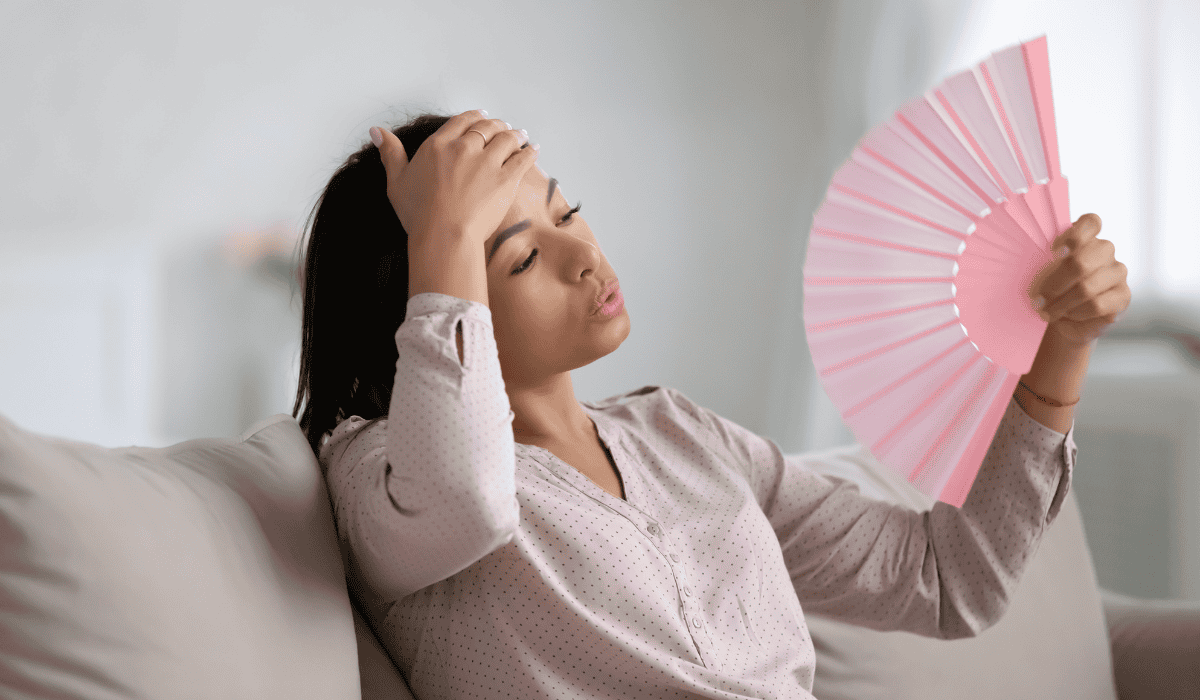
Your body is basically a giant thermostat, regulating your temperature, even when you sleep. In fact, your core body temperature drops slightly as part of the natural process of falling asleep, which is why having a cooler room temperature helps you sleep better. That dip helps you transition into deeper stages of rest.
When something interrupts your body’s ability to release heat, it tries to compensate. Sweating becomes one of the main tools it uses to defend your internal temperature.
Here are a few common reasons you might overheat when you sleep:
1. Hormonal Shifts
Hormones influence temperature regulation, cranking up the heat. If you are moving through perimenopause or menopause, you might experience vasomotor symptoms like hot flashes or sudden heat waves that hit you at night.
Men can also experience hormonal temperature sensitivity, especially during periods of stress or testosterone dips or when they have accompanying conditions like diabetes.
2. Cortisol Changes
Your cortisol levels naturally cycle throughout the night. If they spike because of stress, poor sleep hygiene, or inconsistent routines, your sympathetic nervous system becomes more active. That activation can raise your internal temperature and lead to sweaty nights.
3. Metabolic Heat
Your body produces heat when it is digesting food, repairing tissue, or processing the day’s activities. A heavy meal too close to bedtime can raise your internal temperature without you realizing it.
4. Circadian Rhythm Disruptions
Research from the past few years indicates that even minor disruptions to your circadian rhythm can lead to issues with your heat production and regulation, leading to night sweats and poor sleep. If your sleep schedule is inconsistent or you are dealing with chronic stress, your thermoregulation system can become reactive.
5. Your Bedding Is Holding the Heat In
This is one of the most overlooked reasons people sweat at night. Even if your bedroom is cool, the microclimate around your body can become warm, humid, and stagnant. When heat gets trapped between your skin and your bedding, sweating becomes almost inevitable.
The Microclimate Problem: It Is Not Just the Room, It Is the Bedding System
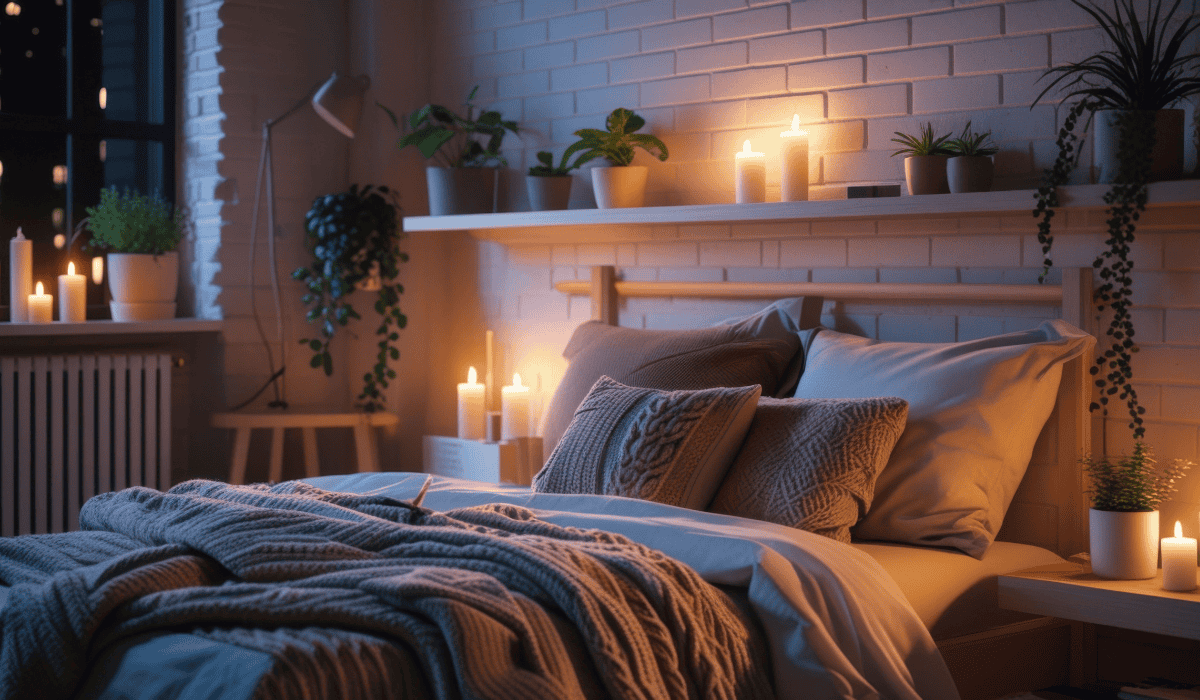
You can set your room to the perfect temperature and still overheat. That is because the area immediately surrounding your body, called the sleep microclimate, plays a bigger role in temperature control than people realize. Your mattress, sheets, duvet, and sleepwear all interact to either release heat or trap it.
If your mattress has dense foam, it might retain heat even if it is technically a breathable model. If your duvet is too heavy or your sheets are made from synthetic blends that trap moisture, your microclimate will warm up over the night.
Once the space becomes too warm, your body starts sweating to cool itself. Sweat collects in your sheets, which increases humidity, making it harder for your skin to release heat. The cycle repeats until you wake up feeling uncomfortable and frustrated.
This is why night sweats relief requires you to think in terms of systems rather than one-off products. When you build a cooler sleep environment layer by layer, the whole setup works together.
Practical, Evidence-Based Night Sweats Relief Strategies
The following strategies are backed by research and clinical understanding. You can start applying them tonight.
Cool Your Core Before Bed
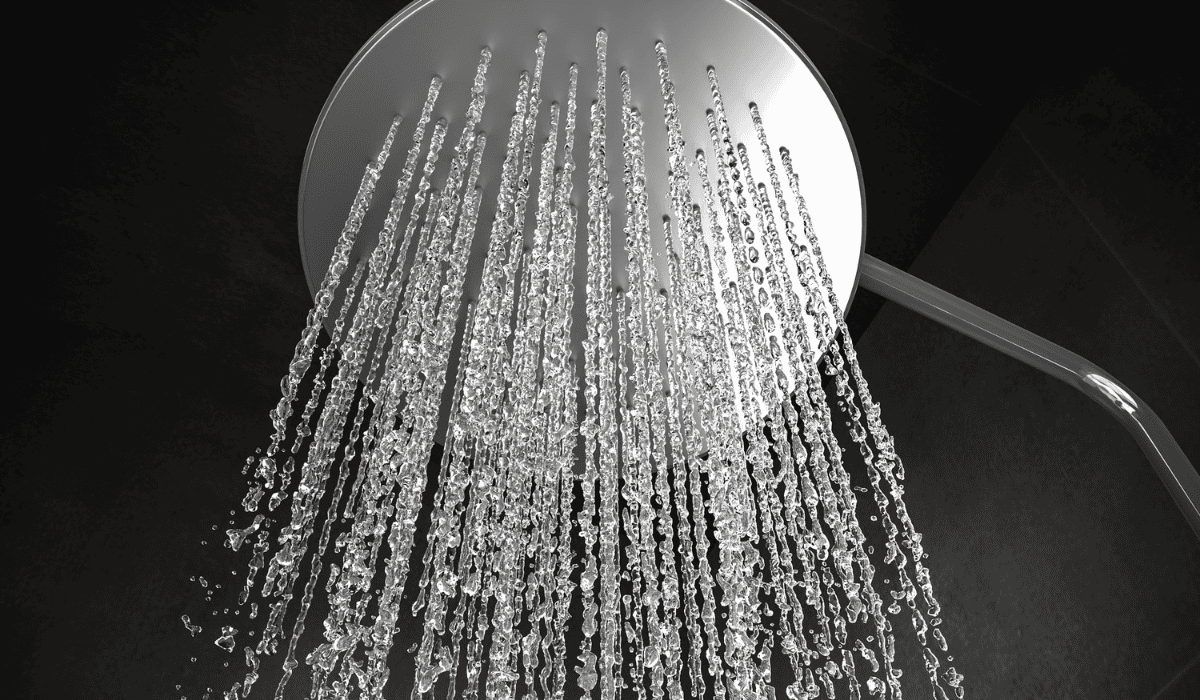
Your body needs to shed heat as you prepare for sleep. A warm shower about an hour before bed can help because the warm water brings blood to the surface of your skin.
Once you step out, your body cools more quickly. Light stretching in the evening, cool water with electrolytes, and avoiding heavy meals within two hours of bedtime can also make a meaningful difference.
Support Your Nervous System
A spike in stress hormones can raise your temperature, even if everything else in your bedtime routine is perfect. Slow breathing exercises, grounding routines, gentle reading, and keeping lights warm and low help your body shift into rest mode. Try to avoid doom scrolling or high-stimulation content before bed.
Keep a Sweat Log
It may sound gross, but this simple log helps you identify patterns. Write down when the sweats happen, what you ate, what your stress level was, what your cycle is doing, and whether your environment changed.
Patterns emerge more quickly than you would expect, and you will start to understand which triggers hit you the hardest.
Bedding and Clothing Fixes That Actually Matter
Fabrics don’t behave uniformly. Some allow moisture vapor to escape, while others hold it against your skin.
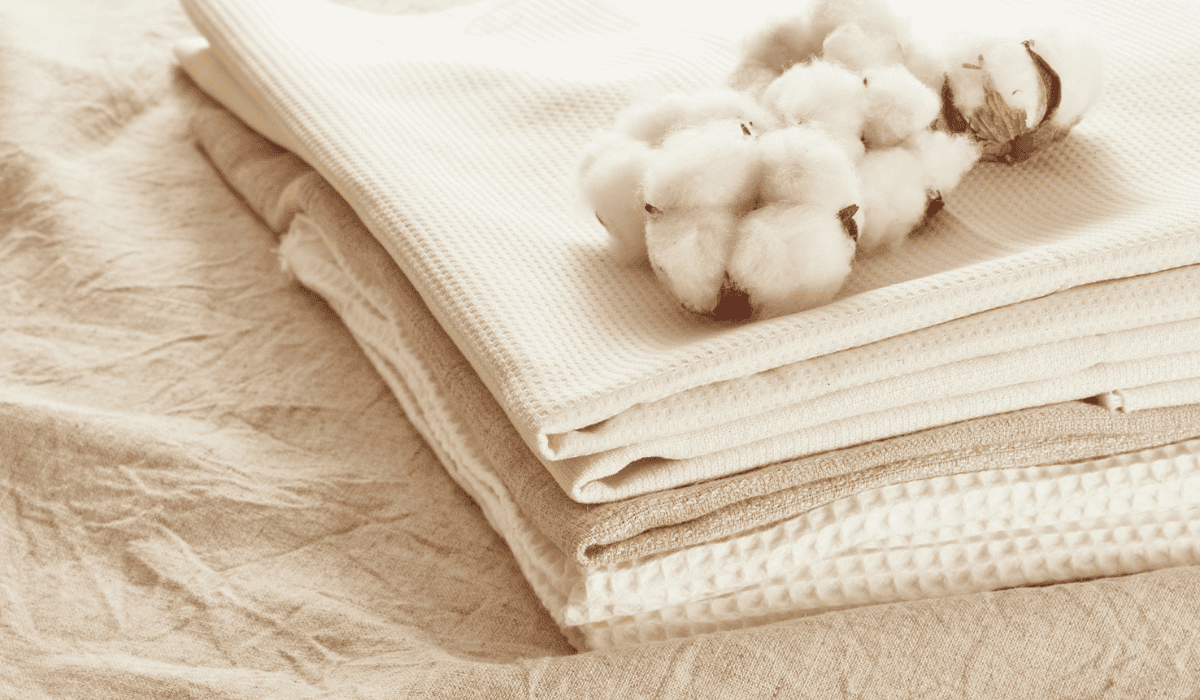
Choose Materials That Help Regulate Temperature
Cotton, linen, bamboo-derived rayon, and Tencel are your friends. These fibers absorb moisture quickly and release it back into the air, which prevents humidity from building up in your sheets.
Linen is especially good at balancing temperature because of its natural airflow and wicking performance. Avoid heavy synthetic blends and microfiber sheets because they trap humidity and make you feel warmer.
Build a Layered Bedding System
Think of your bed as a set of components that work together. You can try:
- A breathable mattress protector
- Lightweight sheets made of cotton, linen, or Tencel
- A duvet insert that matches your climate rather than the one-size-fits-all version
- A pillow that does not trap heat
Try reducing your layers as well. Many people sleep with duvets that are too heavy for their needs. You might find that a breathable blanket gives you all the comfort you want without the insulation.
Technology-Based Night Sweats Relief: Smart Ways to Cool Without Overcomplicating Things
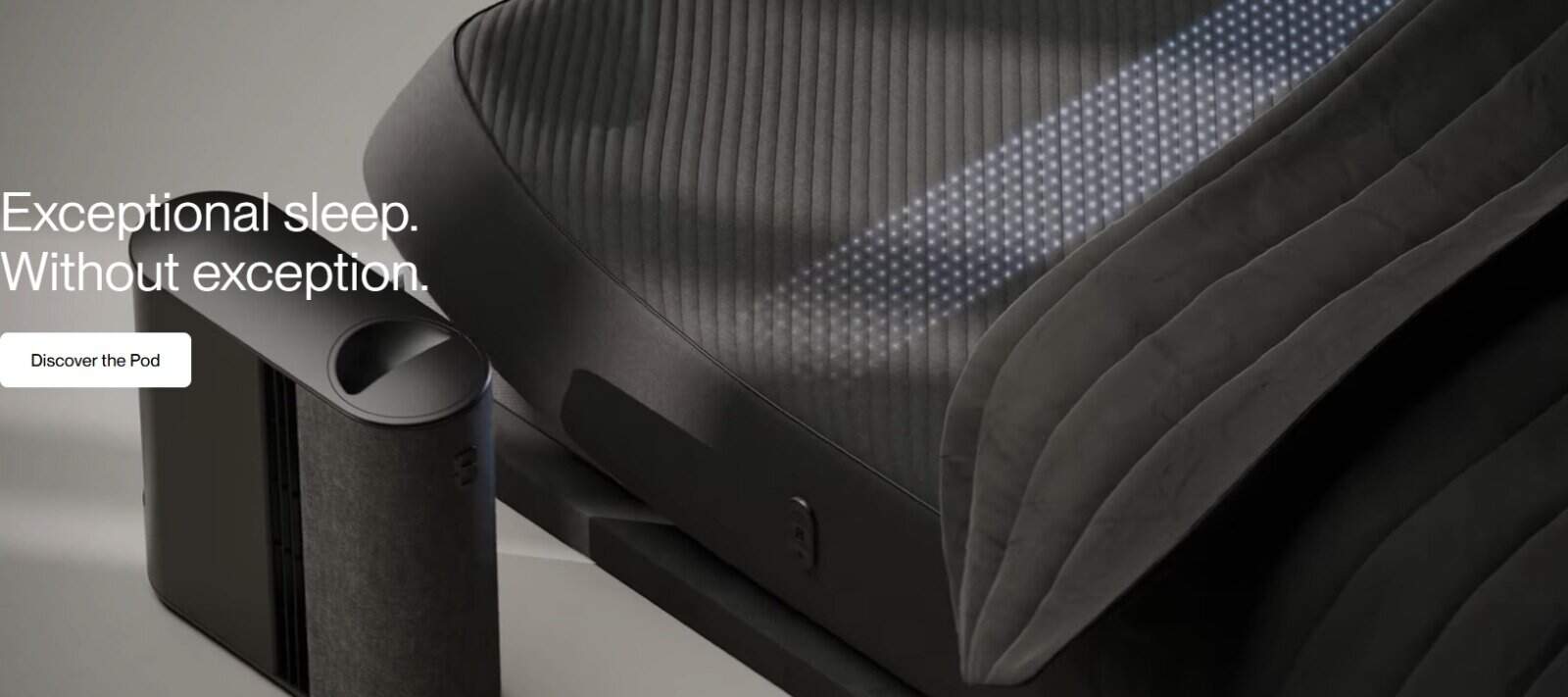
If your body runs hot or you are dealing with hormonal changes, you may need extra help controlling the temperature around your body. While lifestyle changes and sleep hygiene strategies help, you may also need some high-tech solutions.
Cooling technology has improved a lot over the years, and you now have reliable options that make your sleep environment more consistent.
Eight Sleep Pod
The Eight Sleep Pod is one of the most effective active-cooling systems available. It adjusts the temperature of your sleep surface based on your preferences, and it does this dynamically throughout the night instead of staying locked at a single setting.
If you deal with night sweats, this ability to cool your microclimate on demand can create a dramatic change in how quickly you fall asleep and how deeply you stay asleep.
Many people worry about water-based systems leaking, but the Eight Sleep Pod doesn’t leak. It is designed as a sealed, reliable cooling system and has internal safeguards that prevent the issues older hydro-based devices struggled with.
Here are a few reasons the Eight Sleep Pod is an ideal relief tool for night sweats:
- It cools the bed on both sides, so each sleeper can choose a personalized temperature.
- It adjusts throughout the night based on your sleep stages, not just on a timer.
- It provides detailed sleep tracking, which can help you identify patterns behind your night sweats.
- It keeps the mattress surface consistently cool instead of warming up after a few hours.
- It prevents heat buildup in the microclimate around your body, which reduces wake-ups from overheating.
Cooling Sheets With Phase-Change Materials
Cooling sheets made with phase-change materials absorb your body heat when you start to warm up and release that heat as you cool down. They help reduce microclimate swings and can be very effective if you overheat early in the night.
Brands to consider include:
- Sheex Arctic AireMax use proprietary fibers designed to absorb heat and release it gradually. They feel cool to the touch and stay breathable across seasons. You can choose sheet sets, quilted covers and more.
- Slumber Cloud Performance Sheets are built with Outlast technology, which was first developed for NASA temperature-regulation needs. The sheets help maintain a neutral temperature around your body.
- Brooklinen’s Temperature Regulating Sheets use natural thermoregulating fibers woven with flax, giving a smooth finish while still helping to dissipate heat.
These sheets do not replace active cooling, but they significantly improve breathability and humidity control.
Moisture-Wicking Sleepwear
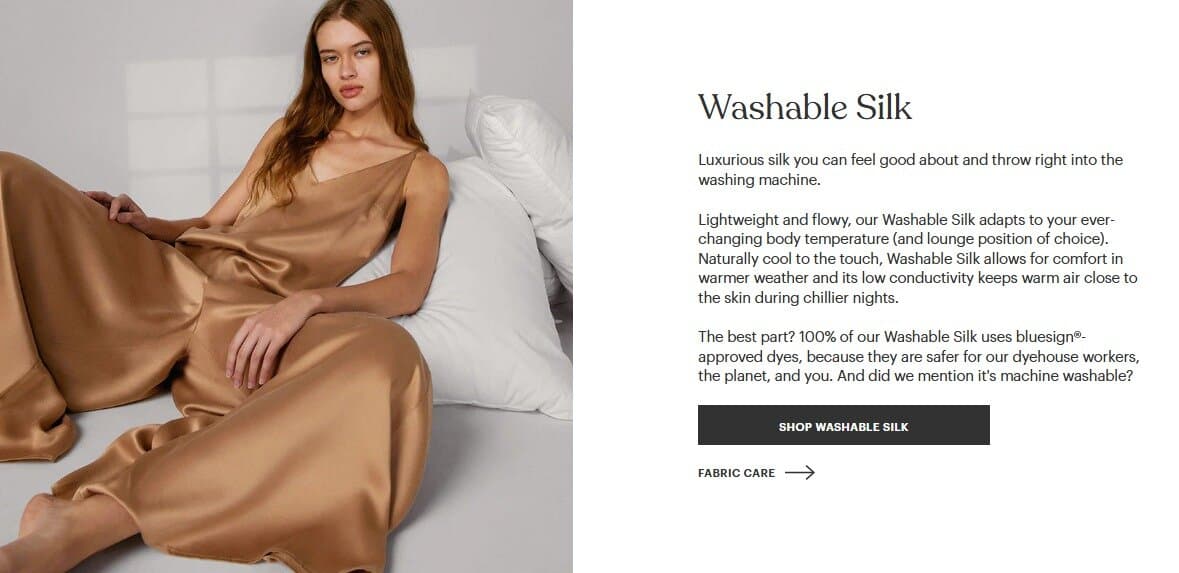
High-quality moisture-wicking fabrics take sweat away from your skin and dry quickly, preventing humidity from collecting around your body. They feel more comfortable than standard cotton sleepwear when you sweat often, especially during the first half of the night.
These are not gadgets, but they behave like performance gear for sleep, which can help restore comfort fast.
Brands that offer reliable moisture-wicking sleepwear include:
- Cool-jams Sleepwear, which is designed specifically for people dealing with night sweats. These pajamas wick moisture and dry quickly.
- Lunya Cool Collection uses breathable natural fibers, such as silk, combined with cool-touch finishes. They are soft and comfortable while helping reduce heat retention.
Cooling Mattress Protectors With Breathable Membranes
New membrane technologies help move heat and moisture away from your body while still protecting your mattress. These protectors offer far better airflow than older waterproof versions.
They work especially well if your mattress tends to trap warmth, since they create a more breathable surface between you and the mattress.
Good options include:
- Protect-A-Bed Therm-A-Sleep Snow Protector uses cooling copper fibers to draw heat away from the body.
- Slumber Cloud Dry Line Protector uses the same NASA-developed Outlast technology as their sheets. Helps manage both heat and moisture.
- Cozy Earth Cooling Mattress Protector is made from rayon (from bamboo) to improve airflow and reduce humidity buildup under your sheets.
Clip-On or Bedside Airflow Systems
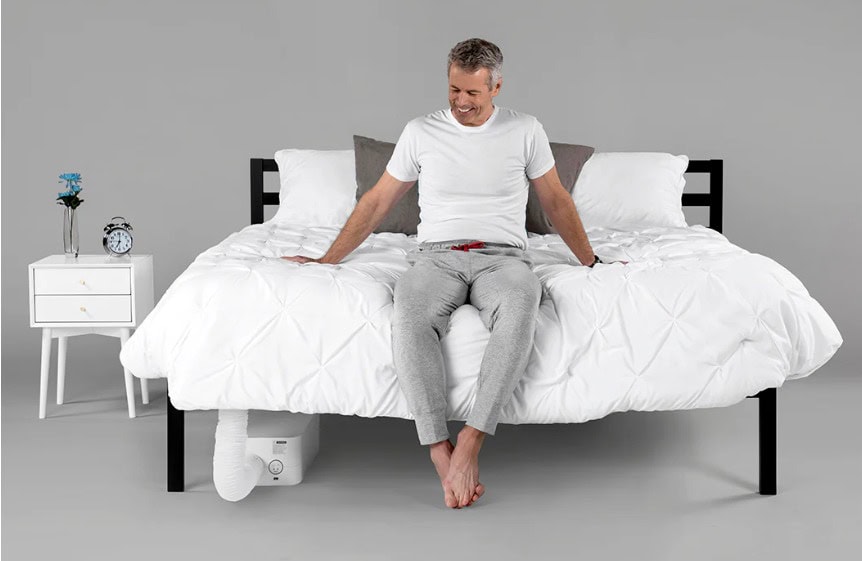
These devices create steady airflow across the sleep surface, which helps remove moisture and humidity from beneath your sheet. They focus on the problem area rather than cooling the entire room.
Options include:
- BedJet 3 Climate Comfort Sleep System, which lows a gentle, temperature-controlled stream of air under your bedding. It’s not a water-cooled system, so it stays simple and reliable.
- BreezeWell Bedside Air Cooler Systems provide directional airflow where heat accumulates most, which helps regulate humidity without cooling the whole bedroom.
These systems work best for people who want airflow without altering the temperature of the room or investing in a full active-cooling mattress topper.
Putting It All Together: Your Personalized Night Sweats Relief Plan
You can create a plan that targets both the internal and external factors affecting your sleep.
Here is a simple framework.
| Personalized Sweat Relief Plan | ||
| Tonight | This Week | This Month |
| -Lower your room temperature slightly -Take a warm shower about an hour before bed -Use breathable sleepwear -Remove any unnecessary bedding layers | -Switch to breathable sheets -Add a lightweight duvet or blanket -Adjust your evening routine to reduce stress -Start your sweat log to find patterns | -Build a full bedding system that supports airflow -Try cooling technology if you still overheat -Talk to your doctor if symptoms are persistent -Create a consistent sleep schedule that stabilizes your circadian rhythm |
Relief does not come from one dramatic change. It comes from layering smart habits and thoughtful tools until your body feels supported.
Finally, Cooler Nights Are Possible
Night sweats can take a real toll on your energy, confidence, and sense of rest. You deserve nights that feel calm, not chaotic.
When you understand how your body regulates heat and how your bedding affects your microclimate, you can deliberately shape your sleep environment.
Whether you start with breathable sheets, improve your evening routine, or choose cooling technology like the Eight Sleep Pod, you have options that can make your nights noticeably more comfortable.
The path to relief is rarely instant, but it is absolutely achievable with the right combination of awareness, adjustments, and consistency.