


- Best Neurostimulation Devices for Sleep - April 6, 2026
- How to Sleep Through Menopause - December 31, 2025
- Women’s Sleep Science: Guide to Better Sleep Overall - December 8, 2025
Most of us want to get those extra hours of sleep in the morning – maybe because we didn’t sleep well the night before, or woke up in the middle of the night. But what we don’t realise is that poor sleep is more common in women, as research shows women have a 58% higher chance of getting insomnia compared to men.
We are biologically very different from men; our hormones fluctuate every month, affecting our physical and mental well-being. Apart from the hormones, there are other factors such as pregnancy, menopause, age, and stress that can be responsible for our sleep disorders.
In this comprehensive guide, I will share my expertise as a scientist and experience as a woman in her early 40s. You will learn about the science behind a woman’s sleep, and solutions that actually work to improve your sleep and overall well-being, regardless of your age.
Quick Preview
- Women have a 58% higher chance of suffering from insomnia due to hormones, stress, pregnancy, and menopause.
- Hormonal fluctuations in estrogen & progesterone cause sleep changes throughout the menstrual cycle, pregnancy, perimenopause, and menopause.
- Insomnia, sleep apnea, restless leg syndrome, and circadian rhythm misalignment are some of the common sleep disorders in women.
- Menopausal symptoms like hot flashes, night sweats, mood changes, and hormonal shifts disrupt sleep. Using temperature-controlled bedding like the Eight Sleep can help regulate body temperature and reduce night sweats.
- Women are more sensitive to stress, leading to chronic sleep problems.
- Sleep tips:
- Fixed sleep schedule; limit screens, caffeine, alcohol.
- Comfortable sleep environment with optimum temperature.
- Exercise regularly (but not right before bedtime).
- Talk about hormonal changes; consult specialists if needed.
- Consider CBT or medical treatments for chronic issues.
Bottom line: Awareness of hormonal changes, stress management, good sleep hygiene, and tools like Eight Sleep can improve sleep for women of all ages.
Before I give you my tips to sleep better, let’s understand the science behind our sleep.
How Hormones Shape Women’s Sleep

Your sleep patterns are not the same, and they keep changing during your lifespan due to fluctuating cycles of hormones, estrogen, and progesterone. At the start of your menstrual cycle, these hormones are low, and their levels rise as you reach the ovulation stage (when your body prepares for pregnancy).
Just before your period, you might wake up often at night, have a light sleep, and feel tired during the day. On the other hand, some women may experience sleep disturbances during the ovulation stage when the hormones are on the rise.
Remember, we are all different, and it may vary from one person to another.
Progesterone is your sleep-promoting hormone because it produces a brain chemical called GABA (gamma-aminobutyric acid), which relaxes and calms you down. But progesterone also stabilizes your mood and interferes with your sleep. So, fluctuations in progesterone levels during your menstrual cycle can affect your sleep quality.
It’s not just the sleeping pattern; our hormones also affect our sleep structure. Progesterone may boost the small brain waves that help us learn and remember things during our sleep. Moreover, our dreaming and alertness are impacted by changes in body temperature, which is also regulated by progesterone and estrogen.
Circadian rhythm is your body’s clock, which tells you when to sleep, wake up, and be active during the day. This body clock regulates your sleep through hormones like melatonin, cortisol, body temperature, and even your menstrual cycle. Moreover, the sleep hormone, melatonin, also regulates estrogen and progesterone.
In short, your sleep quality and structure can vary as your hormone levels go up and down every month.
Common Sleep Problems Women Face
Would you believe that newborn boys and girls show differences in their sleep? Yes, that’s true, but the differences disappear later, and come back during puberty. The rising sex hormones can affect your body’s internal clock and sleep patterns.
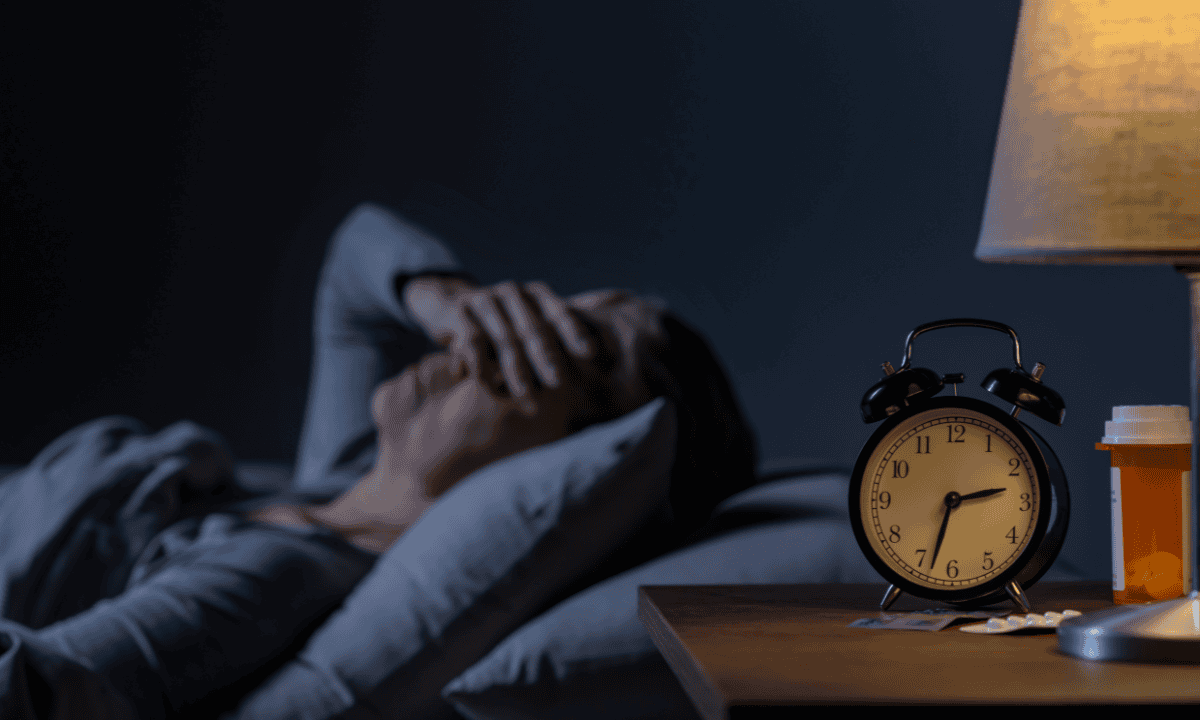
Here’s a quick guide to common sleep problems faced by women:
- Insomnia: Difficulty falling or staying asleep. Girls show higher rates of insomnia after they reach puberty due to hormones and stress. Insomnia in girls continues as they reach adulthood due to hormonal changes during puberty, menstrual cycles, pregnancy, menopause, and post-menopause.
- Sleep-related breathing disorders (SRBDs): Repeated interruptions in breathing during sleep. Obstructive Sleep Apnea (OSA) is a type of SRBD, and is more prevalent in women who suffer from polycystic ovary syndrome (PCOS).
- Circadian-Rhythm Sleep Disorders in Women: When the body clock is not aligned to the day and night cycles. If you’re a healthy woman, the quality and consistency of your sleep remains stable across your menstrual cycle, but your REM sleep (where we dream) may decrease, leading to tiredness and daytime naps at the start of your period.
- Sleep-Related Movement Disorders: Repetitive movements during sleep, leg cramps, the urge to move the legs, and uncomfortable sensations that become worse at night. Restless Leg Syndrome, or RLS, is more common in women than in men due to hormonal fluctuations, pregnancy, and menopause.
I am in my early 40s and experiencing some of these sleep issues and symptoms similar to menopause. So let’s understand the connection between sleep and menopause.
Perimenopause and Menopause: Understanding the Sleep Shift
Statistics show that sleep disorders affect about 16% to 47% of women during perimenopause, and 35% to 60% of women during menopause.
If you’re wondering what happens in your perimenopause, or menopausal transition, that disrupts your sleep, this is for you:
- A gradual decrease in the functioning of your ovaries, resulting in fluctuations in your estrogen, progesterone, and testosterone levels.
For those who are wondering, we have testosterone in small amounts that helps regulate our sex drive, energy, and bone health.
- Your menstrual and anovulatory cycles (menstrual cycles where you don’t release eggs) become irregular.
- You may experience hot flashes, night sweats, mood changes, and changes in your vagina and sexual function.
- Urogenital symptoms such as drying and thinning of your vagina, a burning sensation when you pee, urge to pee often, urine leakage, and even painful sex.
- You may have psychological issues such as depression, anxiety, and a high chance of dementia (memory problems).
All of the above-mentioned symptoms affect how well and how long you sleep.
But most women state hot flashes as one of the most common reasons why they wake up at night and have trouble going back to sleep. So, let’s understand hot flashes better.
Vasomotor symptoms (VMS), or hot flashes, occur when you feel extremely hot, sweaty, and flushed in your face, neck, and chest. You may also experience anxiety and palpitations during hot flashes.
Hot flashes are caused by temperature-mediated changes and hormonal fluctuations during your perimenopause or menopause. The hormone estrogen regulates the hypothalamus (the brain’s temperature control center), which keeps our body temperature within a stable range. So, fluctuations in estrogen during menopause can lead to sudden hot flashes and chills.
In addition, lower estrogen levels alter the activity of norepinephrine and serotonin (brain chemicals that regulate temperature), leading to impaired temperature regulation and, in turn, hot flashes.
Stress and Mental Load Affect Women’s Sleep

It is well known that stress impacts our sleep quality and duration. However, the effects of stress on sleep are more profound in women than in men. Research suggests that sleep disturbances in women younger than 46 are attributed to stress, often due to school, career, work, pregnancy, children, home responsibilities, and postpartum changes. I think we can all agree on that.
One possible explanation is that we respond to stress differently compared to men. Often, we are unable to sleep at night, and tend to dwell on the problems for a long time. These are some of the common reasons why we have stress-induced sleep problems.
As we age, between 45 and 55 years, the stress-induced sleep problems increase due to hormonal fluctuations, menopause, and emotional and physical changes associated with menopause.
Whether the stress is acute or chronic also plays a role here. If you are suffering from chronic stress, then you are more likely to have sleep problems, such as poor sleep quality, insomnia, and disturbances in sleep. This is regardless of your past sleep issues, recent life events, depression, marital status, or even your BMI.
In short, women are more vulnerable to suffering from stress-mediated sleep disorders right from an early age till we reach midlife.
Guide to Sleep Better
Now that you understand the science behind women’s sleep, here are my tips to help you sleep better and longer:
1. Follow Healthy Sleep Habits
- Go to bed and wake up at the same time every day, even during weekends.
- Avoid screen time before sleeping.
- Limit your intake of caffeine in the late afternoon or evening.
- Eat a light dinner and avoid alcohol before sleep.
Centers for Disease Control and Prevention (CDC) recommends these good sleep hygiene practices for all, including women.
2. Create a Sothing and Quiet Place
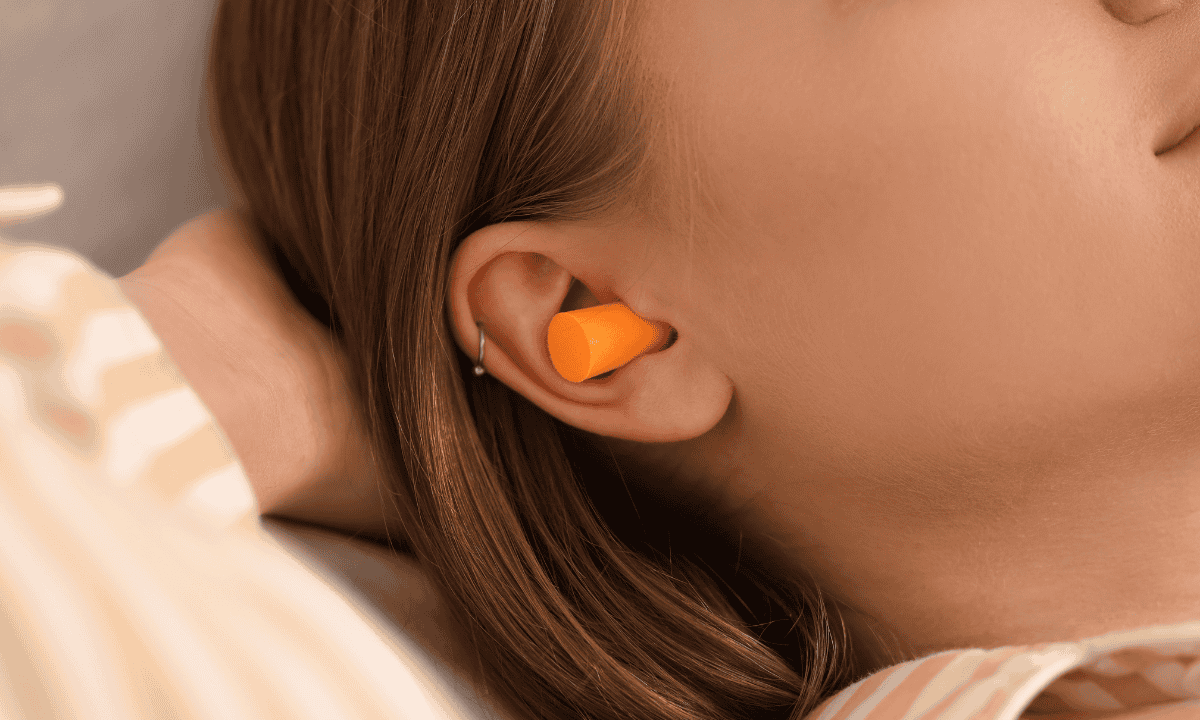
- Wear earplugs to block any kind of noise.
- Use blackout curtains to block out all the light.
- Play white noise while sleeping to block all background sounds, calm your mind, and reduce nighttime awakenings.
You can try playing white noise on your mobile or try Eight Sleep’s integrated surround sound feature that offers white noise, nature noise, and many more options that increase your sleep duration.
3. Include Exercise in your Routine
- Be physically active to reduce the chances of insomnia.
- Choose what works for you to manage sleep disorders related to your hormonal changes – aerobic exercise, strength training, yoga, or breathing practices.
- Avoid doing any form of exercise close to your bedtime (preferably 3-4 hrs before sleeping).
Research shows that exercise lowers cortisol (the stress hormone), manages estrogen and progesterone balance, increases endorphins (your feel-good hormone), helps thyroid function (which can cause insomnia when poor), and reduces menopausal symptoms such as hot flashes.
4. Identify your Ideal Sleep Temperature
- Adjust the room temperature to avoid sweating during hot flashes.
- Wear light pajamas to stay cool and comfortable.
- Choose mattresses, pillows, and covers that are made of breathable fabric to ensure good sleep.
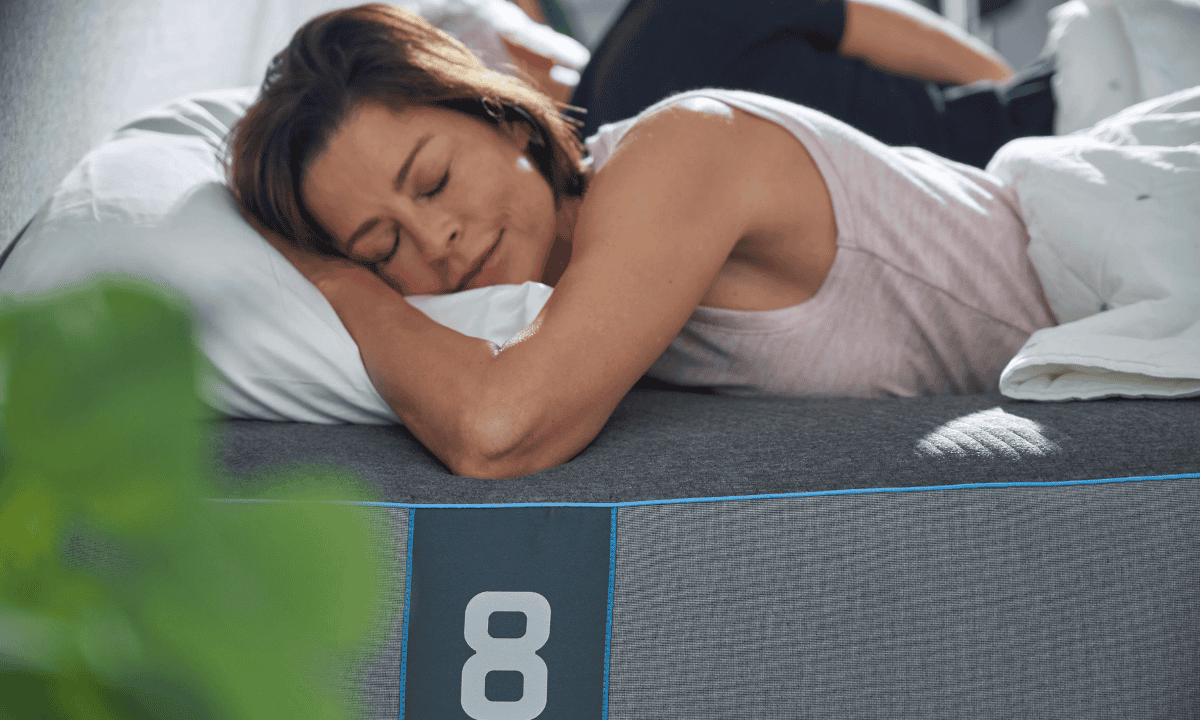
Consider using Eight Sleep’s cover that cools and heats on both sides of the bed, adjusting temperature from 12 to 43°C. It also includes a pillow and blanket that keep the temperature optimum for you during your perimenopause and menopause phase.
5. Understand your Hormonal Shifts
- Talk to your gynecologist to understand your hormonal changes, whether it is during puberty, menopause, or postpartum.
- Consider getting Cognitive Behavioral Therapy (CBT) for chronic sleep problems, which includes sleep education, optimizing sleep hygiene, cognitive restructuring, and relaxation techniques.
- Keep in mind that women don’t show the usual signs of sleep apnea, such as loud snoring, which means it can often go unnoticed.
Awareness of your body’s changes and clear communication with your doctor can help manage the sleep disorder better.
6. Seek Help and Take Medications
- Don’t hesitate to consult a specialist if nothing works for you.
- Find out what will work for you. Hormone therapy, anti-depressants, sleeping aids, anti-histamines or supplements.
- Understand that the sleep aids available without a prescription provide only temporary relief, so talk to an expert.
My Final Thoughts
Next time you wake up feeling hot, thinking it’s just work stress, pause and reflect. Remind yourself that it could be your hormones.
As a scientist, I would suggest Eight Sleep to give you some relief, as they have proven their claim through an independent, peer-reviewed study. Using their temperature-regulated mattress cover (the Eight Sleep Pod) for a week improves your sleep and cardiovascular recovery. Yes, it is science-backed. Many women are choosing Eight Sleep to control their hot flashes and night sweats. The bonus is that the mattresses heat and cool on both sides, so your partners don’t need to compromise their sleep.
If you’re among those who are productive despite sleeping less, and want to track your sleep, then you can try Eight Sleep for this too. Its sleep-tracking feature monitors your sleep stages, sleep duration, heart, and breathing rate with just an app.
For some of us, implementing lifestyle changes such as Eight Sleep’s temperature-controlled mattresses can do the trick. But, for those suffering from chronic sleep disorder, consulting an expert and taking prescribed medications might be the right solution.
Be mindful of your body changes, talk with your peers, and consult a specialist when needed to choose what’s best for you.