

A self-described lifelong bad sleeper, Lauren brings a personal, practical lens to her work with strong opinions about fitted sheet labels, envelope pillowcases, and the underrated joy of sleeping on the cool side of the pillow.
When she's not putting the latest sleep tech through its paces, you'll find her hosting dinner parties, watching live music, or working in the garden.
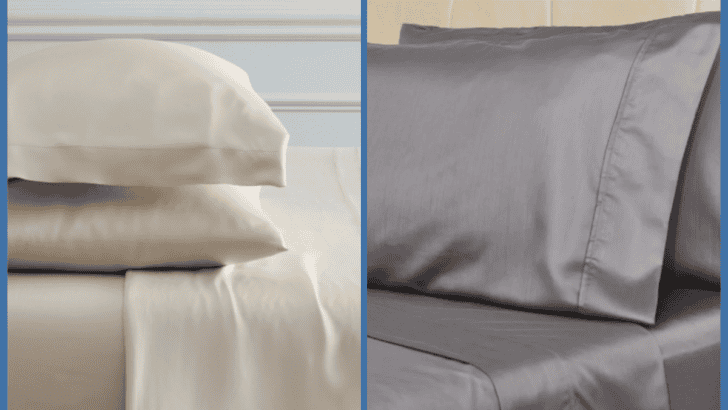
Choosing the right sheets can feel deceptively simple. At a glance, most bedding looks similar: neatly folded sets, soft color palettes, thread counts splashed across packaging. But once you actually sleep on them, the differences become obvious. Some sheets feel cool and breathable all night, while others trap heat, wrinkle easily, or start to feel stale after just a few uses.
That’s why the conversation around Tencel vs. cotton sheets has become so popular in recent years. Cotton has long been the go-to choice for bedding, trusted for its durability and comfort. Tencel, a newer fabric in the mainstream bedding world, has gained attention for its cooling performance and eco-friendly production. At the same time, a newer wave of performance-enhanced cotton sheets has emerged, incorporating innovations like antimicrobial fibers and airflow-focused weaves.
So which fabric actually makes sense for your sleep style? Below, we’ll break down how Tencel and cotton compare, how performance cotton fits into the conversation, and which sheet sets are worth considering if you’re ready to upgrade your bedding.
Why Fabric Choice Matters More Than You Think
Sheets aren’t just about softness. The material you sleep on affects:
- How hot or cool you feel throughout the night
- How well moisture is managed if you sweat while sleeping
- How often your sheets need to be washed
- How long they last before thinning, pilling, or losing shape
For people who sleep hot, share a bed, live in warmer climates, or simply want a cleaner-feeling sleep surface, fabric choice can make the difference between restful sleep and constant tossing and turning.
This is where Tencel, traditional cotton, and performance-focused cotton options start to separate themselves.
Tencel vs. Cotton: A High-Level Comparison
Before diving into specific brands and products, it helps to understand how these fabrics behave in real-world use.
Cotton sheets are breathable, familiar, and versatile. High-quality cotton can last for years and gets softer with time. However, cotton tends to absorb moisture rather than actively pulling it away from the body, which can leave sheets feeling damp or warm overnight.
Tencel sheets are known for their smooth, cool-to-the-touch feel and superior moisture-wicking abilities. They’re often recommended for hot sleepers and people with sensitive skin. The tradeoff? Tencel sheets can feel very drapey and delicate, which isn’t everyone’s preference.
Performance cotton sheets aim to bridge that gap. Some brands incorporate design features like airflow-optimized percale weaves or antimicrobial fibers to improve freshness and reduce odor buildup, while still maintaining the structured feel many sleepers associate with classic hotel bedding.
What Are Tencel Sheets?
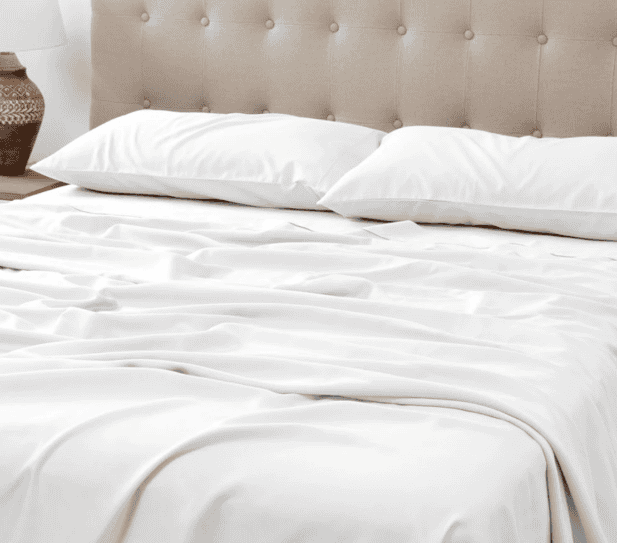
Tencel is the brand name for a type of lyocell fiber made from sustainably sourced eucalyptus wood pulp. The production process uses a closed-loop system that recycles most of the solvents involved, making it one of the more environmentally conscious textile options available today.
From a sleeper’s perspective, Tencel sheets are prized for several reasons:
- Exceptional smoothness: The fibers are naturally round, creating a silky surface that feels gentle on skin.
- Cooling performance: Tencel excels at moisture management, pulling sweat away from the body and allowing it to evaporate quickly.
- Breathability: Air flows easily through the fabric, helping regulate body temperature.
- Low irritation: Tencel is often recommended for people with sensitive skin or allergies.
Tencel sheets are commonly woven in sateen or percale styles. Sateen Tencel feels especially smooth and luxurious, while percale Tencel offers a slightly crisper, lighter feel.
That said, Tencel sheets are not without drawbacks. They often require gentler washing, lower heat drying, and can feel too slippery or delicate for sleepers who prefer structure in their bedding.
What Makes Cotton Sheets So Popular?
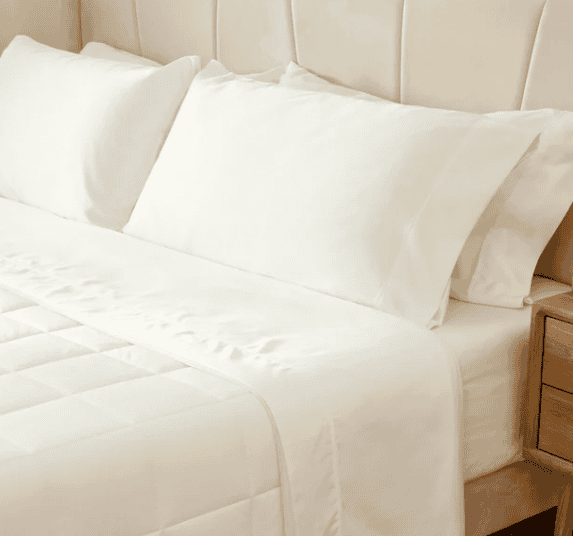
Cotton has remained the standard in bedding for generations, and for good reason. It’s durable, breathable, and widely available across a huge range of price points.
The quality of cotton sheets depends heavily on:
- Staple length: Long-staple cotton (Egyptian, Pima) is smoother and stronger than short-staple cotton.
- Weave: Percale is crisp and breathable, while sateen is smoother and warmer.
Finishing: Well-finished cotton resists pilling and holds its shape longer.
Cotton sheets are loved for their:
- Familiar, classic feel
- Ability to soften over time
- Easy care and durability
- Wide selection of styles and budgets
However, traditional cotton sheets absorb moisture instead of actively managing it. Over time, this can contribute to heat retention and odor buildup, especially for people who sweat at night.
How Performance Cotton Is Evolving
In recent years, several brands have introduced cotton sheets designed to address common complaints about overheating and sheet freshness.
Some incorporate silver-infused fibers intended to help inhibit odor-causing bacteria. Others focus on lighter percale constructions that maximize airflow. The goal is similar to Tencel’s appeal: better temperature regulation and a cleaner-feeling sleep surface — without abandoning cotton’s structured feel.
For example, Miracle Brand offers silver-infused cotton sheets designed to reduce bacterial buildup between washes. In practice, this may translate to sheets that feel fresher for longer and require less frequent laundering.
Unlike Tencel, performance cotton options maintain a crisp, hotel-style structure rather than a fluid, drapey feel. For sleepers who prefer a more tailored bed aesthetic, this can be a significant advantage.
Texture, Weave, and Thread Count: What Actually Matters
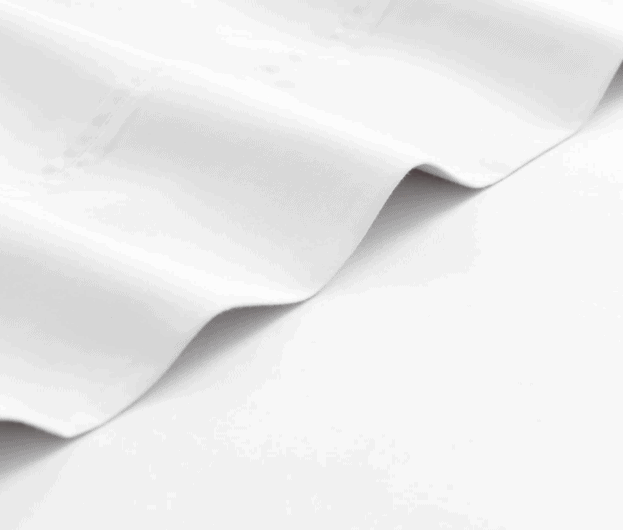

While fabric type is important, weave and construction play a major role in how sheets feel.
Tencel sheets are often lower thread count than cotton but still feel smooth due to the fiber structure. Thread count alone isn’t a reliable indicator of quality here.
Cotton sheets vary widely. Percale cotton offers a crisp, breathable feel, while sateen cotton feels smoother and slightly warmer.
Many performance cotton sheets use a percale-style weave to emphasize airflow, structure, and durability. The result is bedding that feels freshly made rather than limp or clingy.
Tencel vs. Cotton vs. Performance Cotton: Key Differences That Matter
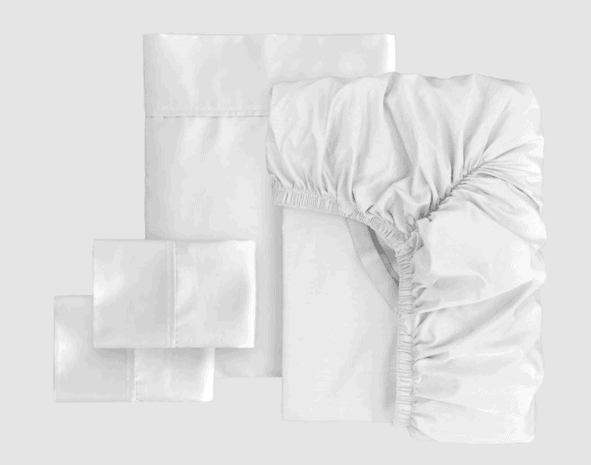
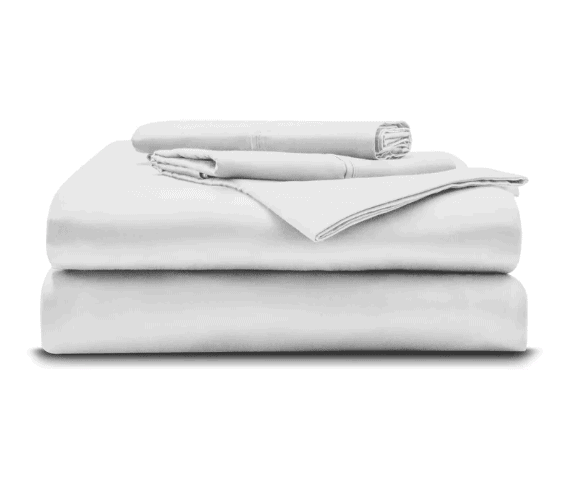
Feel and Comfort
- Tencel: Silky, fluid, cool to the touch
- Cotton: Crisp, breathable, softens over time
- Performance cotton: Structured, hotel-like, often designed for airflow
If you love soft drape and a luxe feel, Tencel shines. If you prefer clean lines and a classic bed feel, cotton and performance cotton are often better fits.
Cooling and Moisture Management
Tencel: Actively wicks moisture and disperses heat
Cotton: Breathable but absorbs moisture
Performance cotton: Breathable cotton with added airflow or antimicrobial features
Many people assume cooling sheets must feel silky. In reality, temperature regulation can also come from airflow and freshness, not just moisture-wicking fibers.
Cleanliness and Odor Resistance
- Tencel: Naturally more resistant to bacterial growth than standard cotton
- Cotton: Can develop odor over time if frequently exposed to sweat
- Performance cotton: Some options include antimicrobial treatments or fibers
For sleepers who dislike washing bedding multiple times per week, performance cotton options may offer practical advantages.
Durability and Care
- Tencel: Durable but often prefers gentler care
- Cotton: Very forgiving and long-lasting
- Performance cotton: Typically built for regular washing
Cotton remains one of the most low-maintenance sheet materials overall.
Sustainability
- Tencel: Strong eco credentials through closed-loop processing
- Cotton: Can be resource-intensive unless organic
- Performance cotton: Sustainability varies by brand and construction
Shoppers prioritizing environmental impact may want to look for organic cotton certifications or brands transparent about sourcing.
Best Tencel and Cotton Sheet Sets to Consider
Best Tencel Sheets
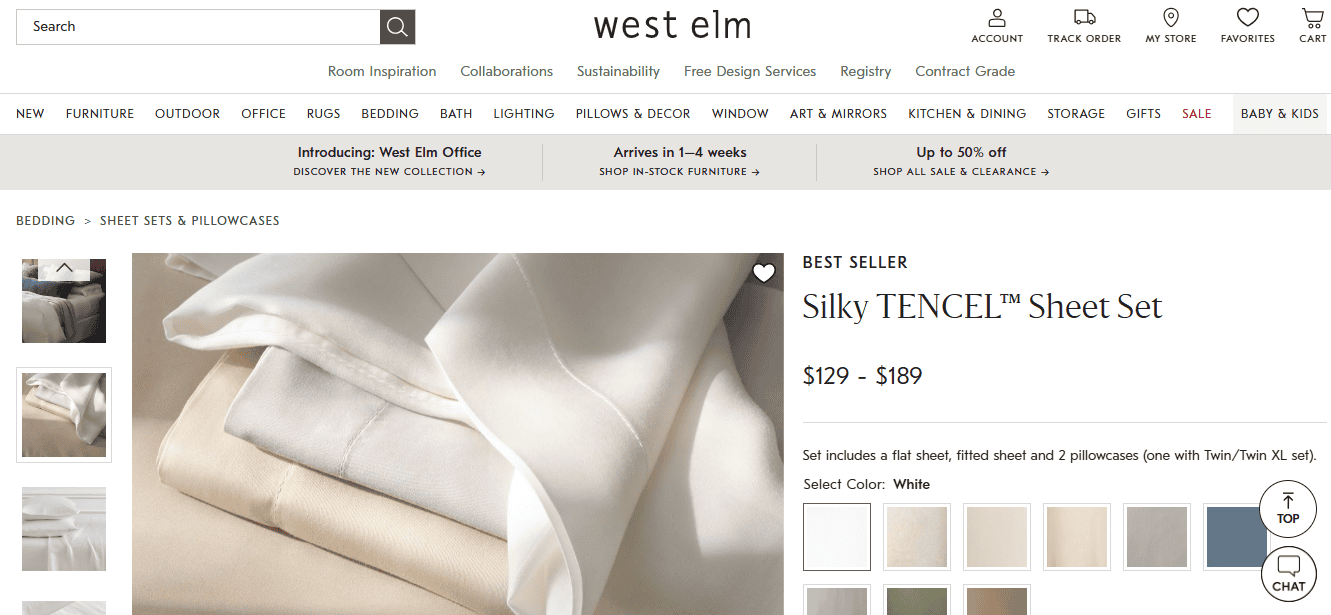
- West Elm Silky Tencel Sheet Set
A premium, ultra-smooth Tencel option with a luxurious feel and strong moisture-wicking performance. - Nest Bedding Tencel Sheet Set
A more accessible introduction to Tencel bedding with balanced cooling and softness. - Pottery Barn Tencel Sheet Set
High-end construction and durability, ideal for shoppers seeking long-term luxury.
Best Classic Cotton Sheets
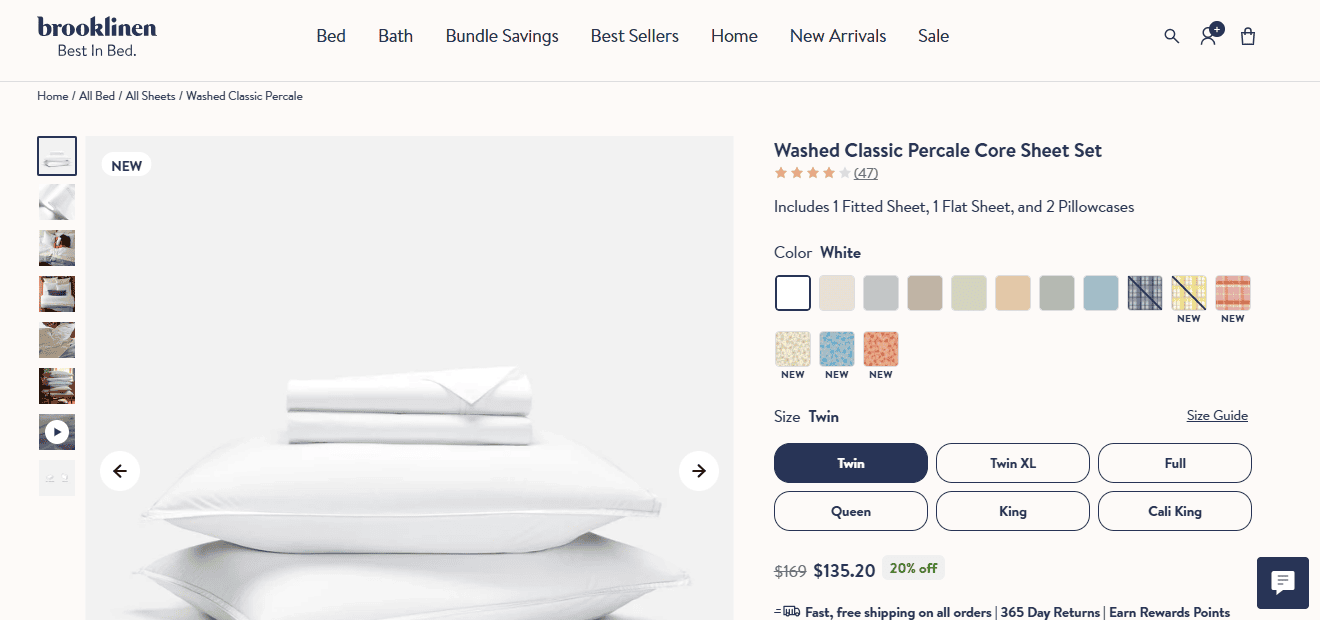
- Brooklinen Classic Percale Sheets
Crisp, breathable percale cotton that softens over time. - Parachute Percale Sheet Set
Lightweight and airy, ideal for sleepers who want a fresh hotel feel. - Boll & Branch Signature Hemmed Sheets
Organic cotton option with a smooth, substantial finish.
Best Performance Cotton Sheets
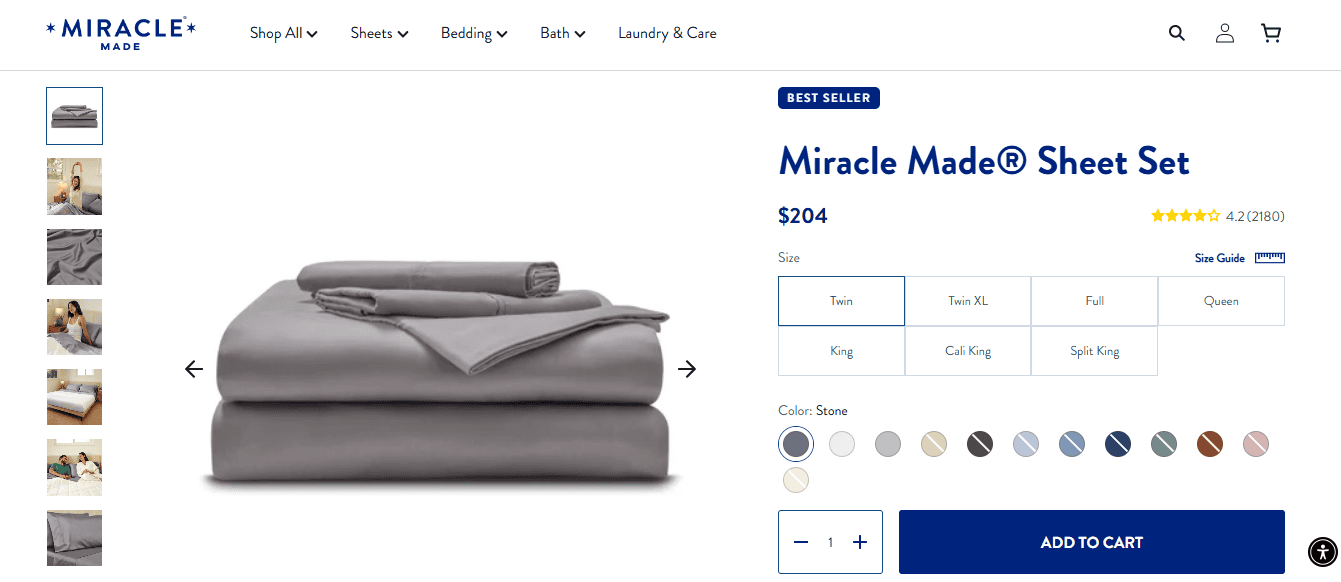
- Miracle Brand Silver-Infused Sheet Set
Cotton sheets are designed with antimicrobial fibers to help reduce odor and maintain freshness between washes.
Which Sheets Are Best for Your Sleep Style?
- Hot sleepers: Tencel or lightweight percale cotton
- People who sweat at night: Tencel or performance cotton
- Those who want low maintenance: Cotton or performance cotton
- Luxury softness lovers: Tencel
- Hotel-bed enthusiasts: Percale cotton or performance cotton
Budget-conscious shoppers: Cotton or cotton blends
Final Verdict
Tencel and cotton both have clear strengths, and neither is inherently better for everyone.
Tencel excels at moisture management and silky softness, making it a strong choice for hot sleepers who love a smooth, fluid feel. Cotton remains a reliable classic, valued for durability, structure, and versatility across price points.
Performance-focused cotton options add another layer to the decision. By incorporating airflow-optimized weaves or antimicrobial fibers, some brands aim to deliver added freshness and cooling without dramatically changing the feel of traditional cotton sheets.
Ultimately, the right choice comes down to texture preference, care routine, and how you personally experience temperature at night. Whether you opt for Tencel, classic cotton, or a performance-enhanced option, upgrading your sheets is one of the simplest ways to improve sleep comfort and overall bedroom experience.