




- Real Relief From Hot Flashes: What Actually Works - December 15, 2025
You are soundly asleep. But, all of a sudden, you feel a wave of intense heat spreading through your chest, neck, and face.
Your heart starts racing, your skin turns red, and you break out in a sweat. And that beautiful night of sleep just becomes unbearable, because just as quickly as it arrives, it’s gone. The only thing is that now you are feeling chilled and damp.
If you are in menopause, you know what I’m talking about.
Hot flashes, or if they happen at night, night sweats.
Waking up several times at night drenched in sweat can leave you feeling exhausted, irritable, and unable to function during the day. This cycle of poor sleep can affect your mood, concentration, and even your physical health.
The problem is that searching for relief can be a frustrating journey from kicking off the blankets to sticking a foot out, to trying every type of natural relief, only to find that there you have no luck with each new attempt.
Here, we are going to go over the causes of hot flashes and some effective strategies (both short and long term) to help you manage hot flashes and reclaim your sleep.
What Causes Hot Flashes?

Hot flashes are a very common side effect of menopause. In fact, studies show that over 80% of women experience them.
Understanding what causes your hot flashes is the first step to knowing how you can control them. While they are most famously associated with hormonal changes, there are other factors that can trigger them.
Hormonal Changes
The main culprit behind your hot flashes is the hormonal fluctuation you experience during perimenopause and menopause, especially when we are talking about estrogen.
This hormone is in charge of regulating the body’s thermostat, which is located in a part of the brain called the hypothalamus. When estrogen levels decline, the hypothalamus becomes more sensitive to slight changes in body temperature.
As a result, you can mistakenly sense that your body is too hot (even when it’s not). This can trigger a chain reaction to cool you down as quickly as possible. So, the blood vessels near your skin’s surface dilate (open) to release heat, your heart pumps faster, and your sweat glands go into overdrive.
Other Triggers
While your hormones are the main reason you are getting those hot flashes, there are other factors that can trigger or worsen them. When you identify them, it can help you make the best decisions to reduce their intensity and frequency.

- Spicy Food: Capsaicin (the compound that gives chili peppers their heat) can trick your body into feeling hot and trigger a hot flash.
- Alcohol: Drinking alcohol, especially red wine, can cause the blood vessels to dilate (open) and may lead to a hot flash.
- Caffeine: Caffeine is a stimulant that can increase your heart rate and body temperature.
- Stress and Anxiety: Emotional stress can activate your body’s “fight or flight” response, which can lead to increased heart rate and body temperature that can set off a hot flash.
- Hot Environments: When you are in a warm room, taking a hot shower, or even using your hairdryer can be enough to trigger an episode.
- Certain Medications: Some medications (like antidepressants, steroids, and drugs for osteoporosis) can increase the risk of hot flashes as a side effect.
Since there are different reasons why you can get a hot flash, the best way to understand what triggers them in your body is to keep a journal. Write down what you are eating, drinking, or doing right before a hot flash happens. This information can empower you to make the best decisions to reduce this unwanted side effect.
Immediate Relief for Hot Flashes
When a hot flash strikes, you want relief, and you want it as soon as possible. You want that uncomfortable feeling to go away.
While you might not be able to stop one in its tracks, there are some techniques that might help you cool down quickly and minimize the discomfort.

Deep Breathing Exercises
When you practice paced, deep breathing, it can help calm your nervous system and may reduce the severity of a hot flash. When you feel that one is starting to arise, try this simple exercise:
- Sit or stand in a comfortable position.
- Inhale slowly and deeply through your nose for a count of five.
- Exhale slowly and completely through your mouth for a count of five.
- Continue doing this for 5-10 minutes.
You can try practicing twice a day, even when you are not having a hot flash, which can help reduce their overall frequency.
Cooling Methods
Having a “cool-down kit” ready can make a huge difference. Keep a small fan on your desk or by your bed. A spray bottle filled with cooled water and a few drops of refreshing essential oils (like peppermint or chamomile) can provide a soothing mist for your chest and body.
You can also try running cool water over your wrists or placing a cold pack on the back of your neck, since these areas have blood vessels close to the skin’s surface.
Lifestyle Adjustments
There are some simple changes that you can make to help you manage the heat. Dress in light, breathable layers that you can easily remove when you start to feel warm. Also, try choosing natural fibers like cotton or linen over synthetic materials that can trap heat.
Try sipping on cool water or ice chips throughout the day to help you regulate your body temperature from the inside out. If you are having trouble drinking water, try adding slices of fruit or vegetables, such as cucumber, lemon, or lime.
Long-Term Solutions for Hot Flashes
While there is no cure for hot flashes, there are some things you can do to help manage them long-term.
Hormone Replacement Therapy (HRT)

For many women, hormone replacement therapy (HRT) is the most effective treatment to manage moderate to severe hot flashes. It works by replacing the estrogen in your body to help address the hormonal imbalance.
However, HRT is not suitable for everyone, and it does come with some risks and side effects. That is why it’s important to have a thorough discussion with your healthcare provider to weigh the benefits and risks based on your personal health history.
Alternative Therapies
If you find that HRT is not the right option for you, there are other, natural approaches that have shown promise:
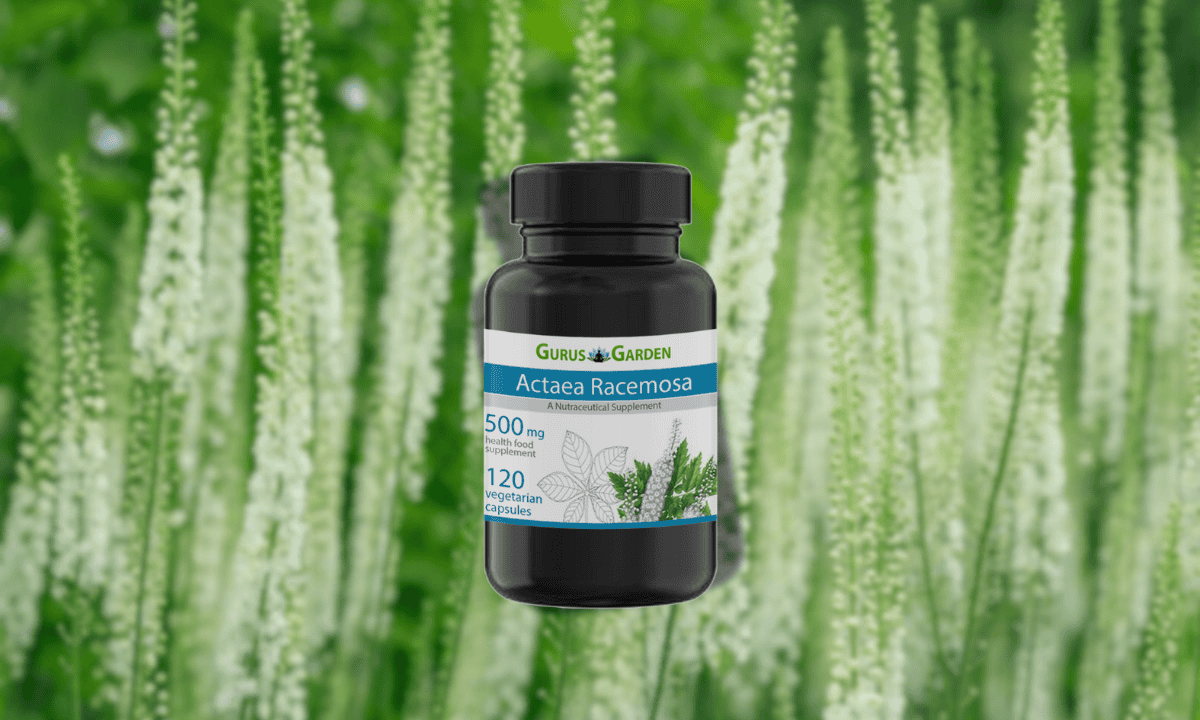
Black Cohosh
This herbal supplement is a popular choice for managing menopausal symptoms. You can get it both in capsule and tea form, and it seems that it might be able to bind to estrogen receptors or stimulate serotonin receptors.
However, the studies are still mixed, and there is no conclusive evidence to support its role in managing hot flashes.
Phytoestrogens
These plant-based compounds may mimic the effects of estrogen in the body. Since it has a similar structure to estrogen, some studies have shown that it might have a similar effect in the body.
You can get phytoestrogens from soybeans (like tofu or edamame), chickpeas, and flaxseeds.
Acupuncture
Some evidence suggests that acupuncture may help reduce the frequency and severity of hot flashes for some women. Remember to always talk with your healthcare provider first before starting any new supplement or therapy to make sure it’s safe for you.
Dietary Changes
What you eat can have a significant impact on your body’s temperature regulation. Make sure you avoid common trigger foods like spicy food, alcohol, and caffeinated beverages.
Instead, focus on a diet rich in fruits, vegetables, lean proteins, and whole grains. Keep yourself properly hydrated by drinking at least half your body weight (pounds) in ounces of water. You can also try including soy and other sources of phytoestrogens.
Exercise
Regular physical activity can play a key role in helping you manage your hot flashes. It can help regulate hormones, improve mood, and reduce stress levels.
You can try different activities like walking, yoga, swimming, or strength training since each one offers different benefits for your health. Aim for at least 30 minutes of moderate exercise most days of the week and make sure you stay hydrated to help your body keep its temperature balance.
Optimizing Your Sleep Environment
Creating a cool, comfortable bedroom is one of the most powerful things you can do to fight night sweats and improve your sleep quality.
Choosing the Right Mattress and Bedding
Your mattress and bedding materials can either trap heat or help reduce it. Memory foam mattresses are known to retain heat, which can be an issue if you suffer from night sweats. In this case, you can consider a hybrid or innerspring mattress that allows you to have better airflow.
When it comes to your bedding, choose natural, breathable fabrics. You can choose options like cotton, bamboo, and linen sheets, which are breathable and can wick moisture away from your skin. Make sure you avoid synthetic fabrics like polyester, which can trap heat and make you feel clammy.
Creating the Optimal Environment
Set your thermostat to a cool temperature, ideally between 60°F and 67°F (15-19°C). You can use a fan to help circulate the air and create a cooling breeze or use an air conditioner.
If your bedroom gets a lot of sunlight during the day, try using blackout curtains to keep it from overheating and help you keep it cool in the evening.
Working With Technology
If you are seeking a more advanced solution, there are different innovative technologies that can help control your sleep temperature. For example, the Eight Sleep Pod system is a great option for restful nights.
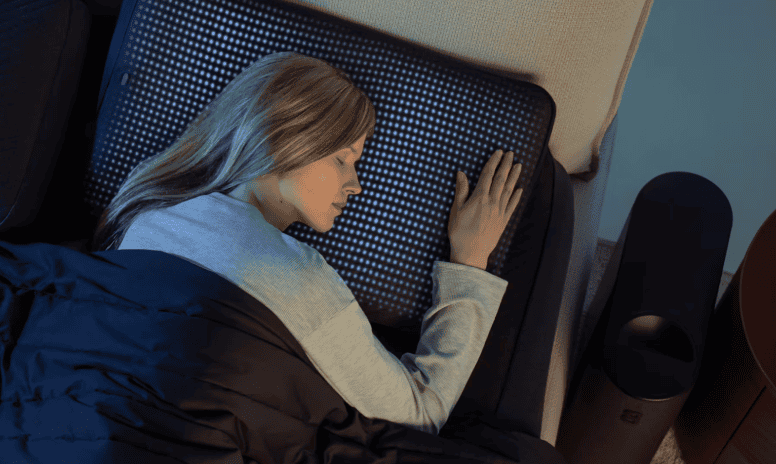
The system consists of a mattress cover with a grid of thin, water-filled tubs that are connected to a small hub that sits beside your bed. This actively cools (or heats) the water, circulating to help you keep a desired temperature throughout the night.
What sets it apart is that it’s free of the risk of leaks. It’s designed to be a closed-loop, non-leak system, allowing you to have peace of mind with personalized comfort (you don’t want to worry about your bedding as you stop worrying about your hot flashes).
Additional Sleep Aids
Besides temperature control, there are other strategies that can help prepare your mind and body for a peaceful night.
- Supplements: Options like ashwagandha, magnesium, and valerian root are all natural supplements that can help reduce stress and promote a good night’s sleep. While some people recommend melatonin, keep in mind that this should not be a long-term strategy since it can create dependency.
- Relaxation techniques: Practice things like meditation, gentle yoga, somatic workouts, or listening to calming music before bed to help reduce stress and prepare your body for sleep.
- Aromatherapy: There are some essential oils that can help you relax and promote a good night’s sleep. Try misting some lavender, chamomile, or bergamot on your pillow to create the perfect relaxing environment.
If your hot flashes and poor sleep are significantly impacting your life, don’t hesitate to seek professional help. A sleep specialist or a menopause-certified practitioner can offer personalized advice and treatment options.
Final Words
Managing your hot flashes and achieving a restful sleep is not a one-size-fits-all approach. It’s about building a personalized toolkit of strategies that work for you.
From breathing exercises to adjusting your lifestyle choices, there are different ways to help you achieve a good quality of life.
Start by identifying your triggers and optimizing your sleep environment. Then, you can consider long-term solutions like hormone replacement therapy with your doctor.