



- Best Hybrid Mattresses - April 3, 2026
- Best Mattresses for Seniors Compared - March 30, 2026
- 5 Things You Can Do Today to Keep Your Sheets Bacteria-Free - February 8, 2026
Most people only wash sheets every two to three weeks, far from the recommended weekly routine.
I’ll admit it, with no shame, that washing my sheets as often as they should be was never high on my to-do list. Life gets busy. Work, kids, dinners, emails; the list goes on. Stripping the bed, washing, drying, and remaking it? That often gets pushed aside.
That changed the day I stumbled across some disturbingly gross info: how bacteria, dust mites, and all the ways our skin and oils accumulate in our bedding while we sleep. I practically wrinkled my nose reading it, and before I knew it, every sheet in the house was going through a very aggressive wash cycle.
I remember one Saturday afternoon, already exhausted from the week and the kids bouncing around, letting them jump on the unstripped bed. The mix of sweat, lotion, and general “life” hit me instantly, and I thought, “Okay, maybe this chore deserves more attention than I’ve been giving it.”
It wasn’t that I was doing laundry wrong; it was just a habit I could rethink. Understanding what actually builds up in our sheets helps us make smarter, easier choices. Even small tweaks to how we handle bedding can make a surprisingly big difference for hygiene and comfort.
1. Why Your Sheets Need a Weekly Date With the Washer

Sounds simple enough, right? Technically, it’s what’s recommended, but honestly, if the sun’s shining on the weekend, I’d rather take my kids to the beach or spend time in the garden than haul bedding through two loads of laundry. I get it, a weekly routine can feel unrealistic, and if it isn’t feasible one week, then rotating pillowcases midweek can help.
Even so, a small habit here goes a long way. Keeping up with a weekly laundry routine:
- Minimizes sweat, oils, and residue from skincare products that can irritate your skin, helping reduce nightly flare-ups and keeping sensitive areas calmer
- Reduces those musty, sour smells that sneak in after a few days, so your bed smells inviting every time you crawl in
- Tackles dust mites, which thrive on the millions of skin cells we shed overnight, making it a small step that can actually help with allergies, sneezing, or irritation.
- Keeps sheets looking fresher and brighter, which makes the whole bedroom feel cleaner without extra effort
- Builds a small, consistent habit that improves hygiene without stress
For anyone with sensitive skin or eczema, this step alone can make a noticeable difference.
And remember, you don’t have to be perfect. I’ve started setting a little reminder on my phone to strip the beds every Saturday morning. One weekend, I ignored it, and by Sunday night, I could feel the difference. The sheets felt heavier, and the smell was slightly sharper.
But getting back on schedule the next week quickly restored that freshness. And that tiny reminder makes all the difference now.
2. Heat vs Grime: Why Hot Water Wins
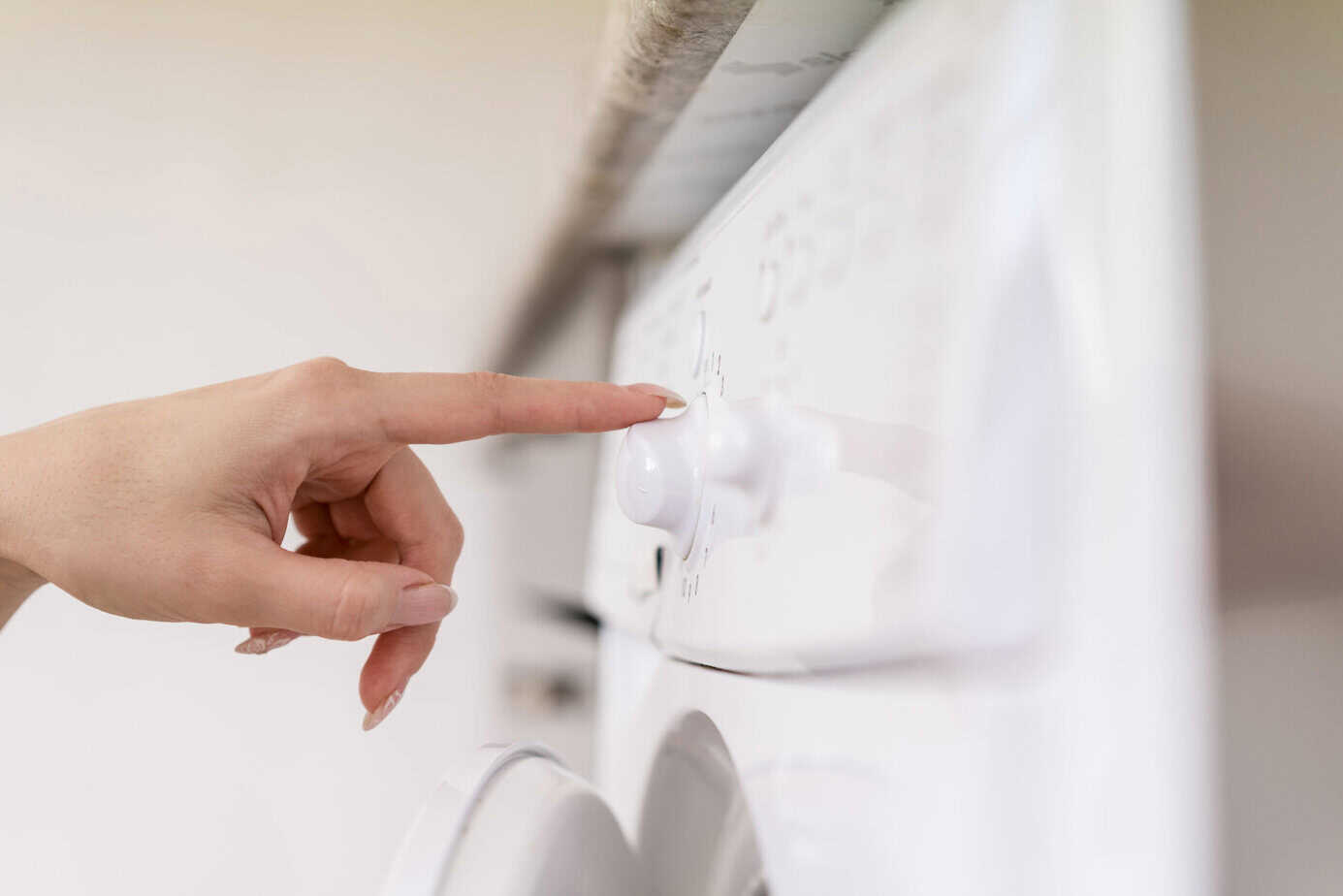
This one made me pause. I rarely use hot water when I do laundry, except when someone in the family has been sick, and I’m pretty sure I am not the only one. I’ve had clothes shrink, fade, or get permanently wrinkled in the past, so I mostly steered clear.
But really, hot water is important for hygiene. It kills many bacteria and dust mites that have taken up residence in your sheets. Think of it like giving them a sauna they can’t survive.
Naturally, you should check the care labels on your fabrics first, but don’t worry – doing that wasn’t something I ever did until now, so you’re not alone if you didn’t before.
We already trust heat in other areas: we wash dishes in hot water, clean floors with hot solutions, and even steam our faces during at-home spa nights. So why not our sheets?
Using hot water also helps:
- Remove sweat, oils, and residue from nightly skincare products, keeping sheets feeling fresher and reducing the chance of smells building up between washes
- Brighten sheets for a crisp, clean look, so your bed feels inviting even after a long week
- Kill bacteria and dust mites that love to hide in warm, damp sheets, helping to protect sensitive skin and prevent sneezes and irritation
- Make laundry more effective without adding extra steps, supporting a more hygienic routine
I’ll admit, the first time I really tried this, I noticed a difference. The sheets felt cleaner, brighter, and somehow lighter. Now, I alternate hot water for cottons and whites, and cold water for more delicate fabrics. The first time I switched my cotton sheets to a hot wash, I was still worried about shrinking.
Instead, they came out smelling fresher, softer, and even seemed to brighten a little. It was like they had a little spa day of their own.
Small adjustments like that feel totally manageable, even in a busy household.
3. Softener? Skip It.
Skip it, I say? I know. A bold statement coming from someone who always used fabric softener on sheets. Softener, after all, is supposed to make everything cozy and gentle on the skin.
I assumed it was a non-negotiable. Turns out, it’s not helping against bacteria at all.
In fact, it can make things worse. Most fabric softeners leave behind a thin, slightly waxy coating on the fibres of our sheets. That residue makes it harder for sheets to absorb sweat and oils, which means moisture and buildup linger, which is exactly what bacteria and dust mites love.
Plus, that trapped moisture can hold onto body oils, skincare products, and everyday grime, which may irritate skin over time. The irony is not lost on me: the very product we use to make sheets feel softer and more skin-friendly can actually make them less breathable and less hygienic.
What worked for me:
- I stopped using softener on sheets. At first, I expected stiffness or scratchiness, but after a few washes, the sheets felt lighter, fresher, and cleaner. Not slippery or perfumed, but surprisingly softer. Like a little laundry miracle.
- For a naturally softer feel without the residue, I added a splash of white vinegar to the rinse cycle. It leaves the sheets feeling gentle and bright without any coating that traps moisture.
- For those who do use a dryer, wool dryer balls are a great way to naturally soften sheets while helping reduce static, without the residue that fabric softener leaves behind
It’s one of those small changes that doesn’t feel dramatic in the moment, but over time, it really adds up. Especially if you’re trying to reduce bacteria and keep your sheets feeling better between washes.
4. Dry Sheets = Happy Sheets
Most of the time, my sheets come off the line bone dry.
I don’t have a dryer, so I rely on sunshine, fresh air, and a bit of patience. But real life doesn’t always cooperate. Rain rolls in unexpectedly, or I know I won’t have time the next day. That’s when sheets come off the line slightly damp and end up draped over door frames or folded for later. Basically, a makeshift laundry obstacle course I call ‘the damp sheet shuffle’.
Air drying is generally great. Sunlight has natural antibacterial properties, and airflow helps fabric dry gently without static. A light breeze and some sunshine? Perfect. But the key is to make sure your sheets are fully dry.
Even a tiny bit of left behind moisture is an open invitation to bacteria, dust mites, and even mold. Damp sheets allow germs to keep growing, which can lead to musty smells, skin irritation, and sneezes you can’t explain.
Tips that helped me:
- Make sure sheets are completely dry before storing or using. I’ve learned the hard way that what felt “mostly” dry still caused that faint, musty smell the next night
- Air drying outdoors? Sunshine + airflow = ideal. Nothing beats the combination of fresh air and a bit of sun.
- Air drying indoors? Keep a fan on or windows open. Sometimes the weather or timing doesn’t cooperate. A little airflow indoors makes a huge difference, and I’ve found it keeps the sheets from feeling damp or heavy.
- Using a dryer? Finish on low heat to ensure sheets are crisp without damage. If you do have a dryer, a gentle low-heat cycle helps get sheets fully dry, prevents lingering moisture, and avoids shrinking or stiffening sheets.
Dry sheets aren’t just more comfortable. They make it much harder for bacteria to settle, giving your hygiene and sleep quality a boost.
5. Silver Linings (in Your Sheets)
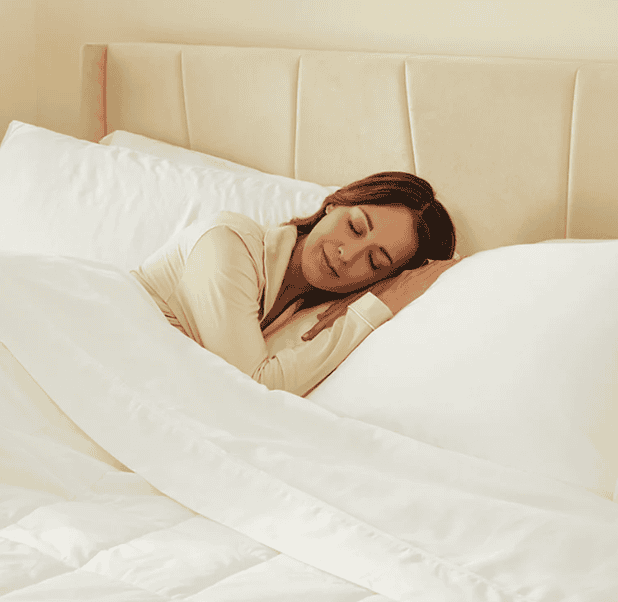
Not every solution has to involve more effort or more laundry. Some work quietly in the background, even between laundry days. During one of my deep dives into how to keep sheets fresher for longer, one idea kept coming up: silver-infused sheets.
That’s where Miracle Sheets entered the picture for me.
Silver has been used for centuries for its natural antibacterial properties. Woven directly into fabric, it disrupts bacteria’s ability to survive and multiply, making your sheets a much less welcoming place for germs from sweat, skin cells, and everyday life, like a tiny invisible bodyguard for your sheets.
What I love most is that the silver is part of the sheet itself; it doesn’t wash out over time. So while I’m sleeping, the sheets are passively helping prevent bacteria from building up, no extra effort required.
Why it worked for me:
- Sheets stayed fresher for longer during busy weeks. Even when I didn’t get to wash them right on schedule, the sheets didn’t feel heavy or musty like they used to. It made those hectic days feel a little less stressful.
- It reduced smell and grime buildup, and the sheets felt cleaner and more inviting every night, without having to worry about lingering smells from sweat and oils.
- The silver in the sheets does the hard work for me, making it harder for germs and dust mites to settle in, as it restricts the growth of bacteria between washes
- It supports my habits passively, without extra effort like extra laundry days or steps. It works in the background.
For anyone with sensitive skin, night sweats, heavier skincare routines, or simply a packed schedule, this passive protection can be a game-changer. It’s not about skipping laundry altogether. It’s about giving our sheets a little backup when life gets busy.
And honestly, that breathing room made the habit change feel much more doable for me. I stopped seeing clean sheets as a stressful chore and more as a few small, manageable routines that actually stick.
Small Habits, Big Difference
So, this self-confessed lazy launderer has embarked on a mission to become a clean sheet queen. The key? Start small.
Pick one habit to start: washing weekly, skipping fabric softener, making sure sheets dry completely – and build from there. I like to think of it as giving myself a little win each week rather than trying to be perfect overnight. Once that one habit stuck, the rest followed naturally. The sheets felt lighter, smells stayed away longer, and even small daily stresses felt a little softer. Clean sheets happen when we make a few better choices and repeat them when we can.
Now, that moment at the end of the day when the house settles, and I’m able to slip into fresh sheets, feels intentional rather than just routine. It’s one of those surprisingly satisfying victories in a busy household, like a tiny spa moment before bed.
Knowing there’s nothing unwelcome making itself cozy alongside me? Absolute peace of mind. That’s what makes these small habits feel so worth it.