




- Best Neurostimulation Devices for Sleep - April 6, 2026
- How to Sleep Through Menopause - December 31, 2025
- Women’s Sleep Science: Guide to Better Sleep Overall - December 8, 2025
Every woman is aware that menopause is an inevitable natural change in their body, but it’s the fear of coping with it that makes them anxious. Menopause is not just about weight gain, hot flashes, and mood swings; it is more than that. Menopausal transition also triggers disturbed sleep, which can disrupt your life, affect your concentration, focus, and overall well-being.
Although less well known than other changes, sleep disruption is more common during menopause. Research confirms that women transitioning through different phases of menopause are likely to have higher chances of insomnia, obstructive sleep apnea (OSA), and sleep-disordered breathing (SDB). In short, you get poor sleep quality.
You can find a lot of information on the best way to sleep during menopause, but it may not be scientifically proven or effective for everyone. I will share some science-backed tips for sleeping through menopause, drawing on my expertise as a biomedical scientist and health writer and my personal experience as a woman in her early 40s.
Quick Preview
- Menopausal symptoms include hormonal changes such as hot flashes, night sweats, mood shifts, and sleep disruption that can be severe in some cases.
- Sleep problems that are common during menopausal transition include insomnia, obstructive sleep apnea, snoring, REM-related sleep-disordered breathing, and restless leg syndrome.
- Science-backed solutions that can improve sleep: cognitive behavioural therapy, lifestyle adjustments, sleep-friendly habits, temperature-regulating sleep tech such as the Eight Sleep Pod.
- Some conditions may require treatments like continuous positive airway pressure (CPAP), hormone therapy, or medication, so consulting a physician is important.
- You can navigate menopause and reclaim restful sleep if you have the right support and strategies.
Different Stages of Menopause

You go through four phases in your menopausal transition: premenopausal, perimenopausal, menopausal, and postmenopausal.
Premenopausal is still your reproductive period, and the typical symptoms of menopause have not yet started. Of course, you’re experiencing some hormonal changes. The age this takes place varies; for some, it begins at age 30 and lasts until age 40.
Perimenopause starts at different ages, mid to late 30s, 40s or even late 50s. The onset of perimenopause in women can depend on their lifestyle, diet, and ethnicity. However, for most of us, it occurs after age 40. You experience irregular periods, muscle pain, headaches, and vasomotor symptoms, such as hot flashes, mood changes, dryness in the vagina, and even sleep disturbances. At the end of the perimenopause, your reproductivity declines due to hormonal changes.
You’re at your menopause when you’ve had no periods for exactly twelve months, and it happens mostly after the age of 50. Vasomotor symptoms, including hot flashes, intensify and may even worsen during this period. You can also get premature menopause due to your metabolic condition, genetic factors, pre-existing autoimmune diseases, or if you’ve had your uterus or ovaries removed surgically.
Postmenopause is the stage that comes after menopause, and it is difficult to differentiate it from menopause.
Remember: As you transition into your menopause, the hormonal changes can make you more susceptible to sleep problems, metabolic disorders, osteoporosis (when your bones become weak), and even cardiovascular disease (a condition that affects your heart and blood vessels).
If you’re wondering how the hormones actually shape your sleep, go ahead and click here for more insights.
Managing Sleep During Menopause
As we know, every woman differs in their body type, diet, lifestyle, and ethnicity. But does that mean the sleep problems we encounter during our menopausal transition also differ?
Researchers sought to address this in a recent study, which identified the most common sleep problems associated with menopause across all ethnicities in women.
Here’s how you can manage sleep during menopause if you’re suffering from some of these common sleep disorders.
Cognitive Behavioural Therapy (CBT)

Cognitive Behavioural Therapy (CBT) guides you with better sleep hygiene practices, fixes your sleep routine, relaxation techniques, lifestyle changes, and other interventions that can help you sleep better.
CBT can address your insomnia issues, such as difficulties in sleeping or staying asleep, long-lasting fatigue, daytime sleepiness, and mood swings.
Cognitive behavioural therapy can work for you if your sleep problems are persistent, or if you don’t want to rely on sleeping medicines due to their side effects, or if they’re ineffective.
Continuous positive airway pressure (CPAP)
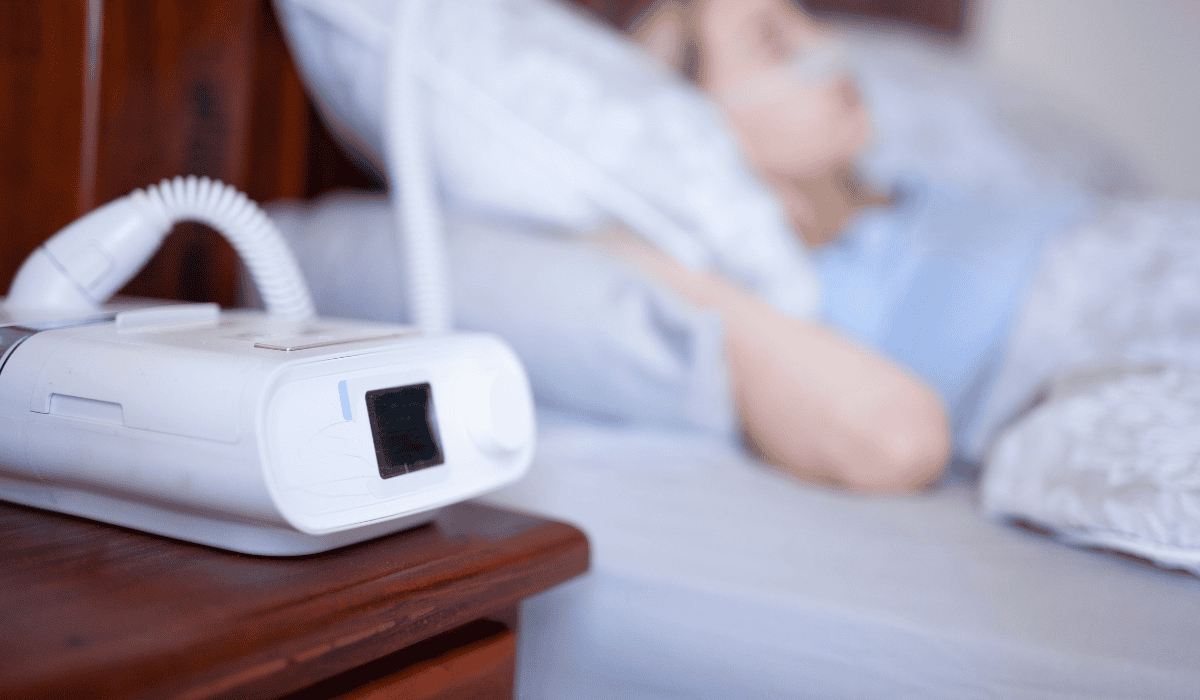
Continuous positive airway pressure (CPAP) is a technique that provides mild air through a mask so that the airways open. It can manage breathing difficulties. As a result, you don’t have to pause for breathing, ensuring better sleep and daytime productivity.
CPAP can address breathing difficulties in obstructive sleep apnea (OSA).
Note: If you are waking up frequently, pausing for breathing, and gasping for air during sleep, you may be suffering from OSA. It is a type of SDB (Sleep-disordered breathing), where you tend to have night sweats, fatigue, depression, anxiety, and difficulty concentrating.
Hormonal Replacement Therapy (HRT)

Hormonal therapy, such as estrogen or estrogen-progesterone can help you manage your sleep during menopause. It restores your declining level of hormones with pills, patches and gels, improving your sleep.
HRT can address menopausal insomnia, vasomotor symptoms (hot flashes and night sweats), nighttime awakenings, depression and anxiety associated with menopause.
Dopamine and Iron Supplements

Dopamine is a brain chemical that helps you control your muscle movement. Iron regulates the production and functioning of dopamine, so you can manage RLS (Restless Legs Syndrome) with dopamine or iron supplements.
As the name suggests, RLS is characterized by restlessness during sleep. You’ve an irresistible urge to move your legs that causes sleep disruption. Even though it is not directly linked to menopause, hormonal changes, insomnia, and night sweats can trigger RLS.
Trying to create the perfect sleeping environment may also alleviate the symptoms of RLS. For example, optimum temperature, quiet surroundings, white noise, and blackout curtains can help you sleep comfortably.
Lifestyle Changes
Lifestyle changes, such as adjusting your sleeping position, regulating your body weight, and identifying your ideal sleep temperature can address sleep issues related to insomnia, OSA, REM SDB, and snoring.
You tend to snore more frequently and loudly during your menopause transition. Noisy breathing, restlessness at night, and waking up with dry mouth and headaches are some signs of snoring. Snoring is also common if you’re suffering from sleep apnea. Notably, it affects not only you but also your partner’s sleep.
Sleeping sideways, elevating head position, and maintaining weight can help you control snoring.
RLS can be managed by creating a perfect sleeping environment. For example, optimum temperature, quiet surroundings, white noise, and blackout curtains can help you sleep comfortably.
For more tips on good sleep hygiene practices and lifestyle changes, click here.
Remember: While lifestyle changes can make a difference, some sleep disorders need medical intervention. So don’t hesitate to talk to your physician.
Sleep Tracking and Sleep Products (Eight Sleep)
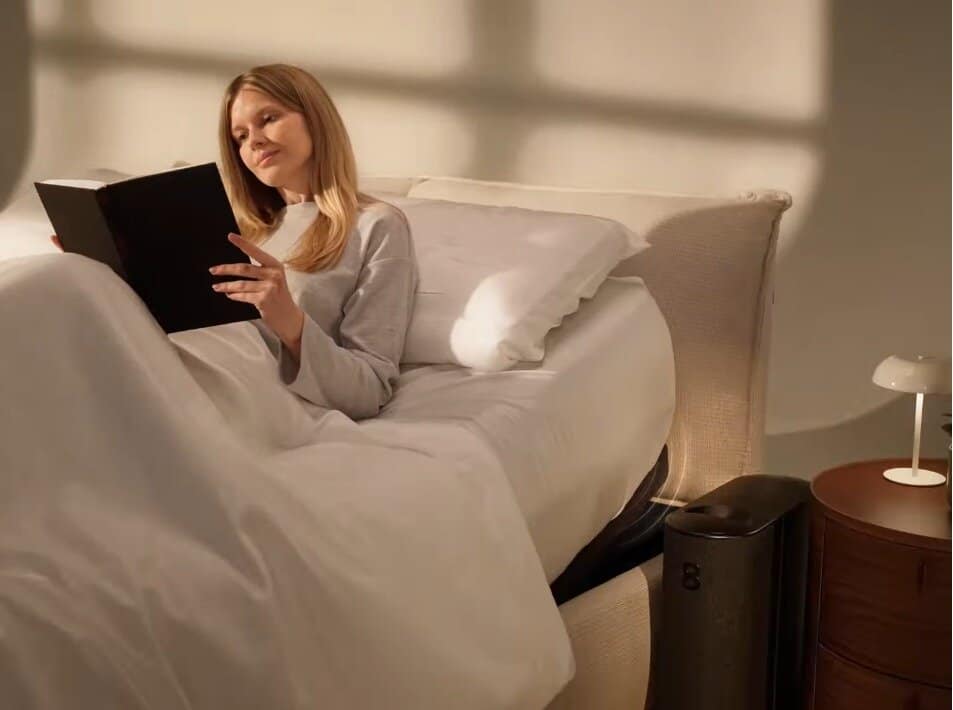
There are many ways to track the vitals during your sleep, but they are not so effective or comfortable. The embedded non-wearable sensor in the eight sleep pod can track your heart rate, breathing, and sleep stages and store all the data in their app for future diagnosis and treatment, all while keeping you cool and comfortable.
Sleep tracking can address REM SDB (Rapid Eye Movement Sleep-Disordered Breathing). It is more common in women than in men due to hormonal shifts during menopause. Symptoms of REM SDB occur during REM sleep, so they are often underdiagnosed. Regular monitoring of sleep stages and duration, heart rate, and breathing patterns during sleep can help in early intervention for heart disease or hypertension.
Products such as sweat-friendly beddings, and breathable blankets can help you with your night sweats. For example, the Eight Sleep Pod Cover can be fitted over your regular mattress, cooling it up to 13 °C. It can adjust the temperature automatically at night to make sure you have a continuous and deep sleep. Since it heats and cools independently on both sides, it can help tackle your hot flashes, and your partner can stay nice and toasty!
The Eight Sleep Pod has an integrated surround sound feature with white noise that can block the surrounding noise and help you fall asleep.
Additionally, the Eight Sleep pod automatically adjusts your sleeping position, reducing snoring for you or your partner and improving sleep for both. This smart sleep solution is better than over-the-counter aids, such as nasal strips or mouthguards.
While many vouch for sleep tech such as the Eight Sleep Pod for improved sleep and better productivity, it can be costly for some. But the fact that they now offer an extended warranty of 5 years, shows that they are constantly improving their products. A bonus is that you have a 30-day trial period, so you can give it a try and return it if it’s not something for you.
My Final Thoughts
Sleep is important for all of us, regardless of gender and age. But for women, sleep is even more crucial. Women have unique health needs such as regulation of hormones (cortisol, estrogen and progesterone) during pregnancy and menopause, managing menstrual cycles, fertility and mood. Additionally, we have to handle our anxiety and stress that comes with the hormonal changes, boost our immunity, protect our heart, and maintain a healthy metabolism. A good sleep is like a magic pill that helps us handle most of these, if not all. Personally, I can’t be productive at my work or be my usual self at home if I haven’t slept well the night before. I think we can all relate to that.
Menopausal sleep disorders can vary for each of us, in terms of severity and frequency. Most importantly, you can’t rely on quick fixes and over-the-counter drugs. Trust the information that is science-backed and has been validated. For mild sleep disorders during menopause, implementing lifestyle changes can work remarkably. I recommend smart sleep solutions like the Eight Sleep Pod for your night sweats, hot flashes and snoring because they are evidence-backed. What I like is that they have conducted independent research to prove their claims. However, if you’re suffering from chronic sleep disorders, it is important to get them diagnosed and get proper medical intervention. Of course, you can still implement good sleep hygiene practices.
Don’t wait for your sleep problem to worsen; get help and try what works for you. Happy Sleeping. everyone!