



- 5 Effective Alternatives to Nasal Strips for Snoring - December 24, 2025
- The 5 Best Anti-Snoring Devices in 2025 - December 17, 2025
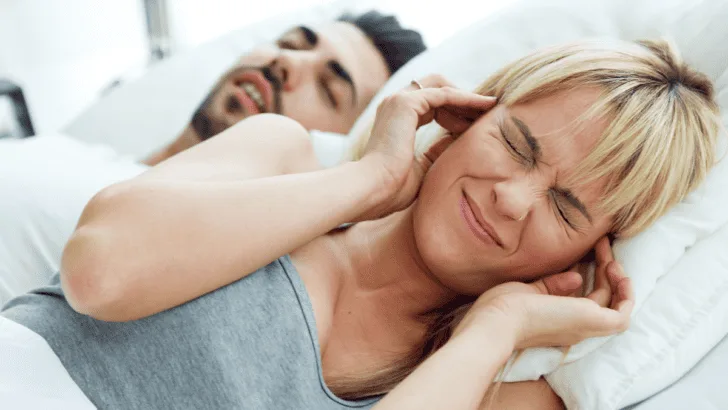
Both my partner and I had major snoring issues for years. It was the type of snoring that often led to one of us lying awake for hours, listening to the other’s full-throated rumbles and snorts, followed by resentful glares over our morning coffee. It wasn’t pretty, and it wasn’t sustainable.
So over the years, we’ve done a lot of research to find an effective solution that didn’t involve surgery. We’ve each tried probably a dozen methods (some promising, some disappointing) and spent hours poring over reviews and testimonials in our search for relief.
Here are our results — five anti-snoring solutions that have had positive results for us and for others. Hopefully, this list can help other couples have more restful nights and happier mornings.
Note: Before you start shopping around for anti-snoring solutions, book a sleep study appointment. Sleep apnea can be deadly, and if that’s the root of your problem, that’s something you need to know ASAP.
SomnoDent Mouthguards
A high-quality mouthguard can offer relief from snoring, sleep apnea, and bruxism (teeth grinding). But not all mouthguards are created equal.
SomnoDent’s mouthguards are professional-grade and produce more reliable results than the cheaper boil-and-bite mouthguards you find on Amazon. They’re custom-made for your mouth using dental impressions and scans, which means they support your teeth and adjust your jaw more comfortably than other options.
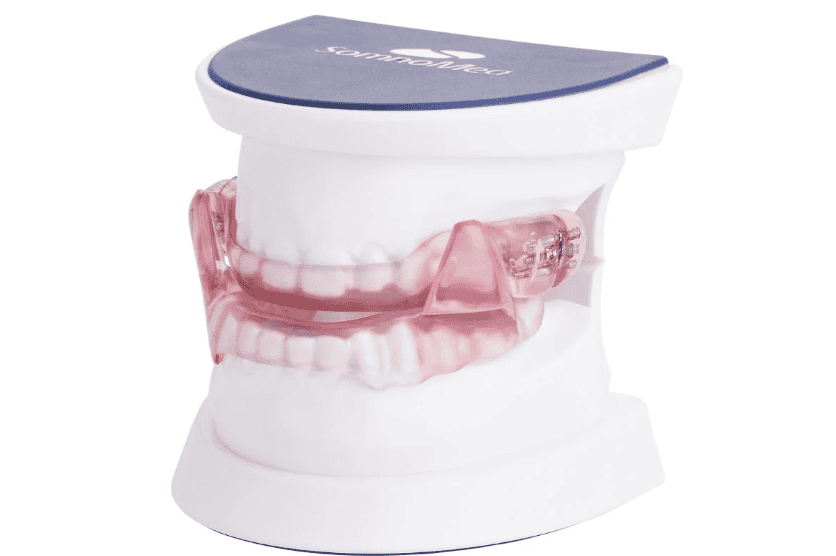
All models include SomnoMed’s proprietary b-flex Comfort Liner, which cradles your teeth and keeps the appliance firmly in place as you sleep. I used their Flex model, which I found very comfortable (after the initial adjustment period that comes with any mouthguard). And if you find it really difficult to sleep wearing a mouthguard, their Avant model is marketed as their most comfortable one yet, designed to keep your mouth closed as you sleep and eliminate both snoring and dry mouth.
My husband reported a reduction in the frequency and volume of my snoring while I was wearing my mouthguard. So while I eventually moved on to a different solution, I do recommend SomnoDent.
One potential barrier is that SomnoDent appliances do require a prescription. Ideally, your device will be fitted by a dentist trained in sleep medicine, so check in with them and request a referral if necessary.
Pricing varies between models, but expect to pay at least $1,000.
eXciteOSA
The eXciteOSA uses electrical stimulation therapy to safely activate nerves and train your tongue and upper airway muscles for 20 minutes a day (rather than jamming anything in your mouth at night). It’s also clinically tested and the only FDA-cleared daytime therapy that treats the root causes of snoring without surgery.
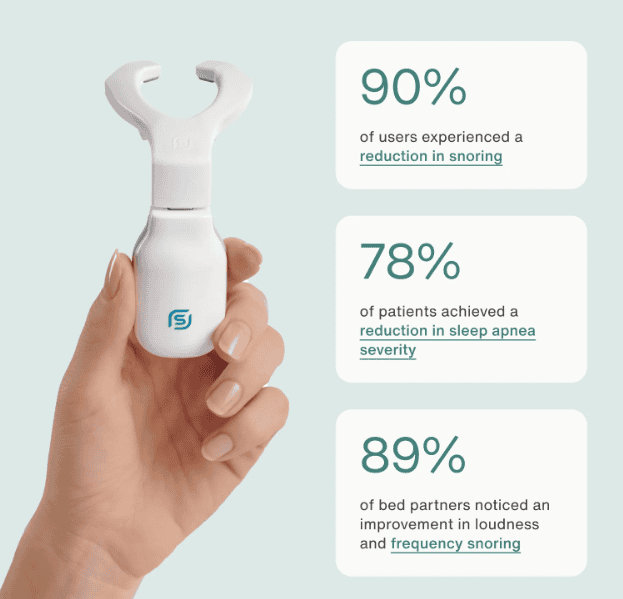
The thought of putting anything electric in your mouth can be off-putting at first, but both my husband and I find the device to be somewhat soothing — though it did take a few sessions to get used to it. Think a ticklish buzzing, not anything painful. Using it while reading a book helped to take my mind off it, and eventually, it just turned into another mundane daily habit (though you’ll need to watch out for drool).
We were both very happy with our results. The eXciteOSA has dramatically reduced our snoring in less than two months, and after six weeks, the therapy tapered down to just twice a week.
The eXciteOSA requires a prescription, costs $1,650, and comes with a 90-day money-back guarantee. However, the device is HSA/FSA-eligible, which means you can save up to 30% on it. Just note that you’ll also need to replace your mouthpiece every three months to ensure its performance and safety — each one costs $150 (you can save a little here by subscribing to regular deliveries), but we consider this a small price to pay for the ability to sleep throughout the night.
Zeus
Unlike many other anti-snoring devices that you wear in your mouth or nose, the Zeus is worn beneath your chin, making it one of the more comfortable wearables on this list. It sticks to your skin using a hydrogel pad, which keeps it in place and secure as you sleep — though it may take a little bit of practice to stick the device in the right location.
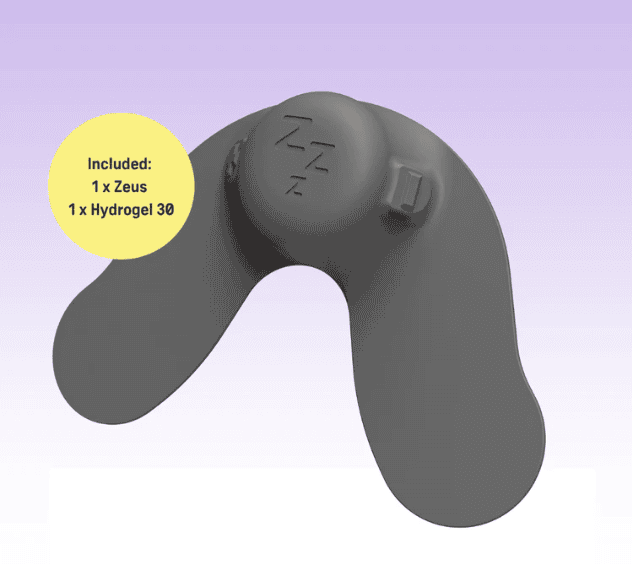
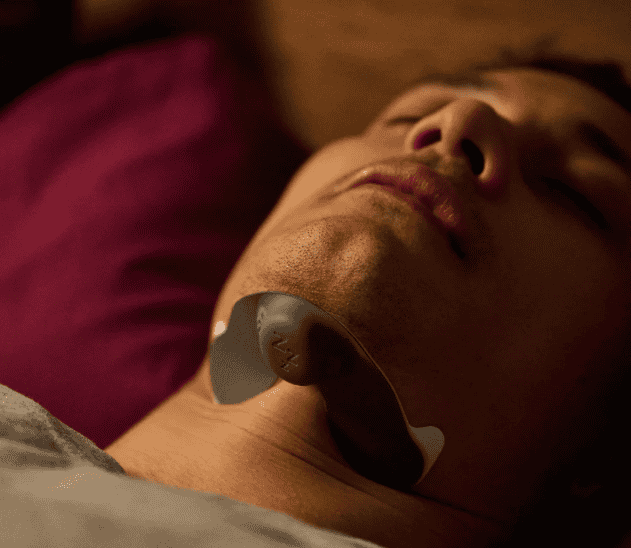
The Zeus works by using TENS technology (which is commonly used to treat chronic pain conditions) to stimulate your tongue’s hypoglossal muscle and maintain muscle tone in your airway, reducing blockage and vibrations.
It’s recommended for:
- Tongue-root snorers (where the base of the tongue obstructs the airway)
- Throat or soft-palate snorers
- Multi-factorial snorers (a combination of tongue, throat, and other mild causes)
It’s not, however, suitable for:
- Nasal snorers (where blockage occurs in the nasal passageway rather than the throat)
- Individuals with pacemakers or heart arrhythmias
- Users with beards, as facial hair prevents proper adherence of the device
- Those with certain medical conditions (see full safety guidelines before use)
At $400, the Zeus comes with 30 hydrogel pads, with 30-unit refills available on their website for $48.
ZQuiet
ZQuiet’s mouthguards cost less than $100, making them an affordable and accessible way to see if mouthguards will work for you. Like other mouthguards, they push the lower jaw forward, helping to open up your airway while you sleep.
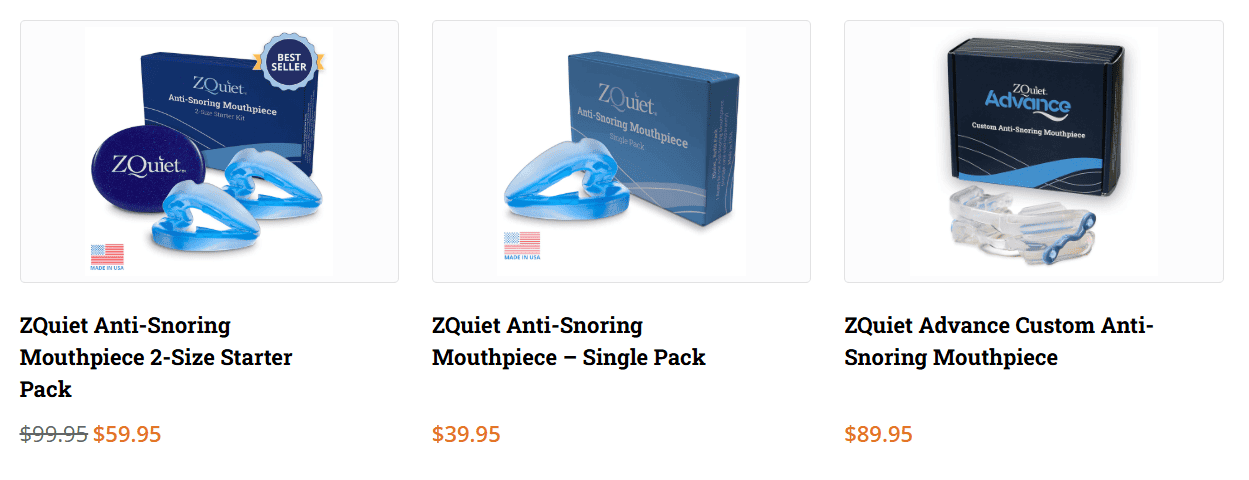
While their base offering isn’t customized to your mouth, it’s offered in two different sizes. The first size advances your jaw by 2 millimeters and is recommended for people with a normal bite or an overbite and those who struggle with light to moderate snoring. The second size advances the jaw by 6 millimeters and is recommended for people with an underbite or heavy snorers.
The dentist-designed ZQuiet Advance, on the other hand, is an adjustable custom mouthpiece. One of its biggest selling points is that it’s remarkably slim, unlike other boil-and-bite mouthguards that can feel uncomfortably bulky. It offers built-in tongue support that keeps it from falling back and obstructing the airway, as well as a contactless design that reduces pressure on the front teeth. This custom option gets a lot of praise for its comfort and effectiveness, but some customers report that they needed to replace their device sooner than the recommended 4–6 months.
The basic mouthguards cost $40 each, while the Advance costs $90. But since ZQuiet backs its devices with a 60-day money-back guarantee, you can test all options risk-free.
Bongo Rx
Bongo Rx devices are small, flexible, easy-to-clean seals that are worn in your nostrils while you sleep. They use a technology called expiratory positive airway pressure (EPAP), which works similarly to CPAP machines.
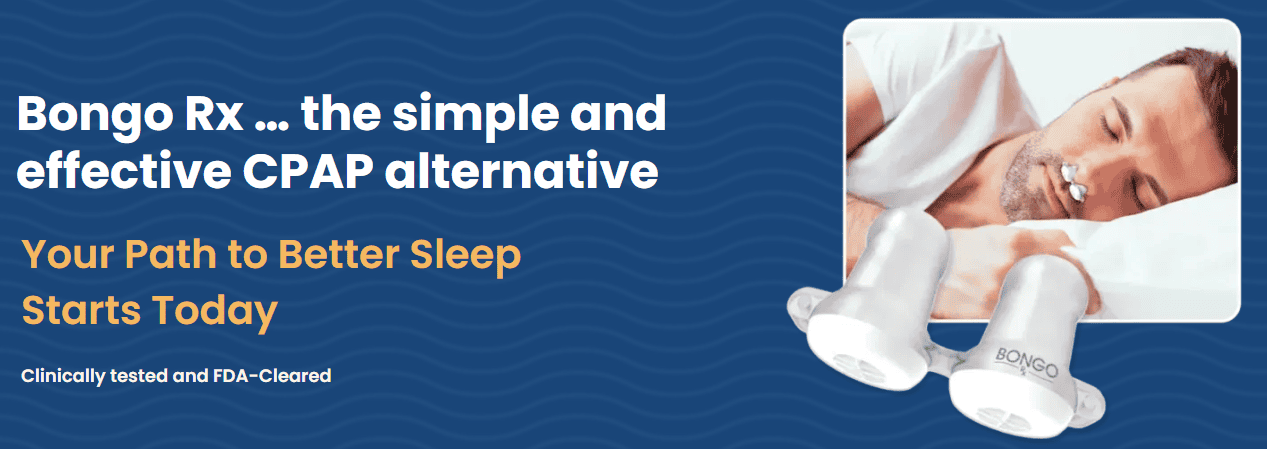
But while CPAPs provide positive airway pressure on both inhales and exhales, EPAP devices only create pressure on exhales. So when you breathe in, the valves open to let in a full breath. When you breathe out, the valves close and redirect air out through special vents. The result is a positive airway pressure, keeping your airway open until you inhale again.
Bongo Rx is FDA-cleared and has demonstrated some positive clinical findings. But while many of their customers report reduced snoring and find the device comfortable to wear, others complain that they regularly find it under the pillow or buried in the sheets the next morning.
The devices aren’t custom-fit, but the starter kit does come with four different sizes, so some experimentation may be necessary.
Picking the Right Anti-Snoring Therapy: A Cheatsheet
If you’re still unsure which option to try first, here’s a handy cheatsheet:
SomnoDent
- Pros
- Fully customized
- May be covered by insurance
- Manufactured to medical standards
- FDA-cleared for snoring and mild OSA
- Cons
- Prescription required
- Expensive
eXciteOSA
- Pros
- Extremely comfortable
- Addresses the root of snoring issues
- Used during the day rather than at night
- Significant results in six weeks
- Companion app
- The only FDA-cleared daytime tongue-muscle stimulation therapy for primary snoring and mild OSA
- Cons
- Prescription required
- Ongoing costs
- Expensive
Zeus
- Pros
- Extremely comfortable
- Unlikely to fall off
- Non-invasive
- Companion app
- Cons
- Ongoing costs
- Not ideal for people with beards
- Not suitable for people with certain medical conditions
- Not useful for certain types of snoring
ZQuiet
- Pros
- More comfortable than many other mouthguards
- Affordable
- Multiple options
- FDA-cleared for snoring
- Cons
- Uncomfortable for some people
- Worn down quickly by tooth-grinding
Bongo Rx
- Pros
- Easy-to-clean
- Affordable
- FDA-cleared for snoring and mild to moderate OSA
- Cons
- May be uncomfortable for some people
- May fall out at night
It will likely take you more than a few frustrating nights to find a solution that works for your body and wallet, but this list should give you a few good starting points.