



Many stare at their ceiling at 2 a.m., waiting for the melatonin gummies to make them fall fast asleep, finally. You’re not alone. In fact, one-third of U.S. adults rate their sleep quality as only “fair” or “poor”, according to the Gallup State of Sleep Report — and many turn to over-the-counter melatonin to make it better.
But melatonin isn’t the miracle solution people think it is. For some, it isn’t reliable. They might also experience morning grogginess instead of addressing the reason the brain won’t transition into deep, restorative sleep. Since melatonin is a natural hormone, taking large amounts of it isn’t necessary or even practical.
The good news? There are still options. Non-chemical, non-drug alternatives to melatonin exist to support your natural sleep system rather than just overriding it. Unlike supplements that lose their effectiveness over time, some of these strategies—including Somnee’s Smart Sleep Headband—work better with consistent use.
We’ll take a look at:
- Why melatonin isn’t a reliable choice
- 9 clinically supportive alternatives to melatonin
- How Somnee compares to other supplements
- How to decide which option is best for your sleep type
Let’s get started.
Why Look Beyond Melatonin?

The body naturally produces melatonin, which plays a small role in sleep. The hormone signals the body when it’s time to fall asleep. But it doesn’t put you to sleep, deepen your sleep, or prevent you from waking up throughout the night.
Melatonin also works better when hormone levels are already low, can lead to grogginess the day after, varies in dose between brands, and it isn’t a fix for an overactive mind, stress, or disrupted sleep patterns.
Many people buy melatonin because they’re avoiding prescription sleeping pills and their long-term side effects. That’s why non-chemical solutions gain traction today— especially approaches that strengthen your natural sleep system instead of artificially sedating your brain.
Below are the top melatonin alternatives backed by experts and real-world experience.
Top 9 Non-Chemical Alternatives to Melatonin
1. Somnee’s Smart Sleep Headband (Best Data-Based Natural Option)
Melatonin signals the brain to sleep. But Somnee teaches your brain how to sleep better— using your own EEG patterns as the map. Somnee uses gentle transcranial electrical stimulation (TES) tailored to your unique sleep patterns and rhythm. Somnee promotes your natural restorative sleep rather than forcing the brain to sleep. This flow helps you:

- Fall asleep faster
- Stay asleep longer
- Experience deeper and more restorative sleep
- Reduce nighttime wake-ups
Why It’s an Excellent Melatonin Alternative
Supplements don’t work directly to help you sleep. Instead, they signal higher levels of melatonin levels to sedate. Their effect is temporary and unreliable. But TES affects your sleep architecture by altering your brainwave rhythms.
Supplements can’t induce deep sleep with stable slow-wave patterns. They’re made in the brain, and TES can directly alter this process. Users are likely to experience
- Falling asleep in half the time
- ~30 more minutes of sleep on average (with users reporting even more)
- 33% fewer wake-ups
- 1.5x more effective than Ambien
- 4x more effective than melatonin
- 2x more effective than CBT-I
Best for: People who want a non-chemical, personalized, and still highly effective solution to build up their sleep system over time.
2. Cognitive Behavioral Therapy for Insomnia (CBT-I)
CBT-I is backed by expert opinion as a supportive insomnia treatment. It works differently from TES by retraining the brain’s associations with sleep to correct sleep habits. It also lowers hyperarousal at night.

Research shows CBT-I may impact sleep by:
- Helping you fall asleep faster
- Lessening nighttime awakenings
- Improving sleep quality long-term
Why It’s an Excellent Melatonin Alternative
Melatonin only works by telling your body when it should fall asleep. However, CBT-I targets the thoughts and behaviors that keep you awake.
Best for: People living with chronic insomnia and racing thoughts at night.
3. Magnesium Glycinate or Magnesium L-Threonate (Mineral Support)
It’s not a sedative or a hormone. But magnesium plays a vital role in relaxing the muscles and regulating the nervous system. Magnesium glycinate may help to:
- Boost GABA activity
- Relax the mind and body
- Reduce muscle tension
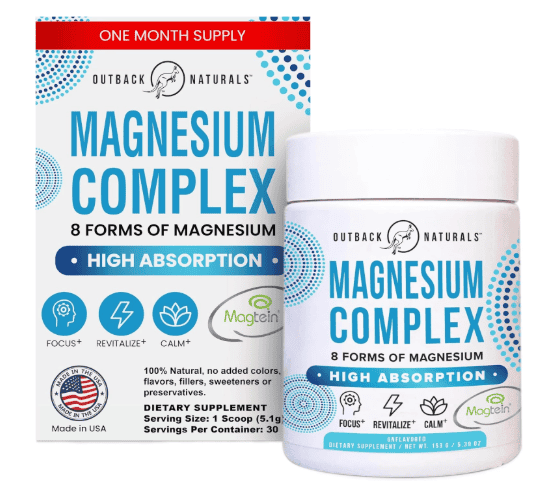
Magnesium L-threonate
This other form of magnesium promotes relaxation at the cellular level. It goes deep into the brain to support calmness and mental clarity—no hormones needed.
Best for: Those living with sleepless nights related to muscle tension, stress, and restlessness.
4. Valerian Root (Herbal Calming Aid)
For centuries, people have been using valerian root to help with sleep. Like Magnesium, it naturally enhances GABA to calm the nervous system. But there are pros and cons to using this sleep aid, and research is inconsistent on its actual effects.

Pros
- Mild calming effect
- Doesn’t cause hormone fluctuations
- Helps those sensitive to melatonin
Cons
- Not as fast-acting as device-based options like Somnee
- Less precise in how it works compared to targeted sleep technologies
- Supplement strength can vary from product to product
Best for: Those who’re looking for botanical solutions with only mild trouble falling asleep.
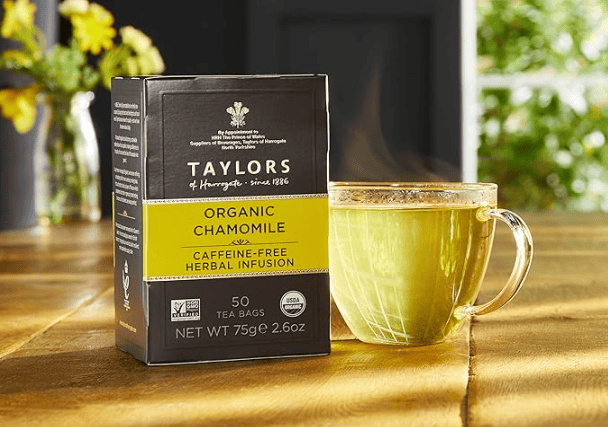
5. Chamomile (L-Apigenin)
Chamomile tea and extract contain apigenin. This flavonoid binds to the brain receptors while promoting calmness.
What It Helps With
- Lowers brain overactivity
- May help you fall asleep faster
- Easy to take every night
Why It’s an Alternative
Chamomile doesn’t work to sedate you. Instead, it gently reduces your mental stress, making sleep easier.
Best for: Winding down before bed or to stack with other healthy bedtime habits.
6. Tart Cherry Juice (Natural Source of Trace Melatonin)
Tart cherries contain a tiny, but natural amount of melatonin. It’s closer to what our bodies naturally produce.

Benefits
- Supports circadian rhythm
- Contains antioxidants that reduce inflammation
- Gentle and food-based
Why People Choose It
Some foods contain natural melatonin. That prevents the hormone from overriding your sleep system, as high-dose supplements tend to do.
Best for: People looking for a gentle, nutrition-based sleep enhancer.
7. Breathing Techniques & Parasympathetic Activation
The mind sometimes won’t allow you to sleep. Sometimes, the brain stays in “fight or flight” mode, and no supplement will fix it. Instead, consider technicals like:
- 4-7-8 breathing
- Diaphragmatic breathing
- Box breathing
- Extended exhales

Breathing techniques like these activate the vagus nerve, shifting your nervous system into a restful state.
Why it Helps
Deep breathing slows the heart rate and lowers stress hormone levels. It also signals the brain that it’s safe to sleep.
Best for: People whose minds race at night or experience tension before bedtime.
8. Light Therapy for Circadian Rhythm Support
Our internal clocks might be off. When it happens, melatonin won’t solve the root problem.
Morning light exposure (or a bright light therapy lamp) can:
- Improve your sleep cycle
- Boost your energy
- Support natural melatonin production at night
Why It Works
Light can directly affect the circadian rhythm. Sometimes, even minutes in the morning can shift the quality of your sleep.
Best for: When your sleep schedule is delayed, or you’re experiencing seasonal affective symptoms. It also helps with inconsistent sleep timing.
9. Temperature & Environment Optimization
Melatonin responds to the temperature of your environment. It increases naturally when your body temperature drops. You can mimic this without taking a supplement. Try:
- Keep your room between 60–67°F
- Take a warm shower 1–2 hours before bed
- Use breathable bedding
- Avoid heavy meals within 3 hours of sleep

Why It’s Effective
A simple temperature change triggers your body’s circadian rhythm.
Best for: Optimizing your sleep environment is ideal for anyone. It can help improve nearly every sleep profile.
Somnee vs. Supplements: Why Many Are Switching
As humans, we want deep, restorative sleep without taking medication or hormones. Studies tell us how traditional sleep drugs can suppress slow-wave sleep, alter REM sleep, and create lingering side effects.
Melatonin may help mitigate this effect, but it doesn’t solve the fundamental problem. Your brain needs to know how to fall into a good sleep pattern on its own. Somnee builds the sleep architecture by:
- Reading your brain’s natural electrical winding-down triggers
- Promotes better patterns for deep, restorative sleep
- Personalizing nightly improvements based on your brain waves
Somnee works with your biology instead of against it. Users report consistent improvements with routine use.
Which Melatonin Alternative Is Right for You?
Think about your sleep habits, history, and needs to find the right melatonin alternative for you:
If You Can’t Fall Asleep:
- Somnee
- CBT-I
- Chamomile
- 4-7-8 Breathing
- Light therapy
If You Wake Up Through the Night:
- Somnee
- Magnesium
- Temperature optimization
If Your Mind Won’t Shut Down:
- Somnee
- Breathwork
- CBT-I
If You Want a Non-Chemical Option:
Somnee can consistently outperform melatonin, prescription sleep aids, and CBT-I in internal research. That makes it the most comprehensive non-chemical alternative out there.
The Bottom Line
Melatonin helps some people with sleep. But it’s inconsistent for many and leads to grogginess. It simply doesn’t address the root of the sleep problem. The good news is that the most effective tool may not be chemical.
From magnesium supplements and breathwork to more clinical approaches like CBT-I and light therapy, you have many options to address deep sleep issues. But if you’re looking for a natural solution that actually strengthens your brain’s ability to sleep, Somnee stands apart.
Somnee learns more about your individual sleep patterns with each session. It helps guide your brain into the restorative rhythms your body is missing with each sleep, something melatonin simply can’t do.