


- VitalSleep Alternatives: Why Mouthguards Work for Some and Not for Others - May 19, 2026
- Electronic Sleep Aids in 2026 - March 31, 2026
- Can’t Shut Your Brain Off at Night? Here’s Why It Happens and How to Stop It - January 6, 2026
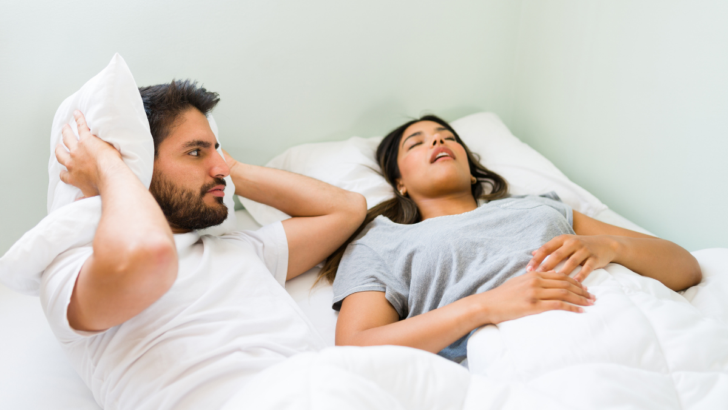
I’m a nurse with a background in health research and clinical experience in sleep‑related care, so I’ve worked with enough sleep patients to know that when a mouthguard fails, most people assume they did something wrong.
They re-read the instructions, adjust the fit again, and give it another few weeks. But after years of seeing this play out clinically, the issue almost always comes down to anatomy.
Mouthguards like VitalSleep work by repositioning the jaw to open the airway. For patients whose snoring is caused by that specific kind of obstruction, they can be genuinely effective. But the airway is not one-size-fits-all, and neither is snoring. What is happening in one person’s body at 2am can be completely different from what is happening in another’s, and a device built around one mechanism is not going to solve every version of the problem.
This guide breaks down why mouthguards work for some people and not others, and what to consider if you are still looking for something that sticks.
Why Snoring Solutions Don’t Always Work
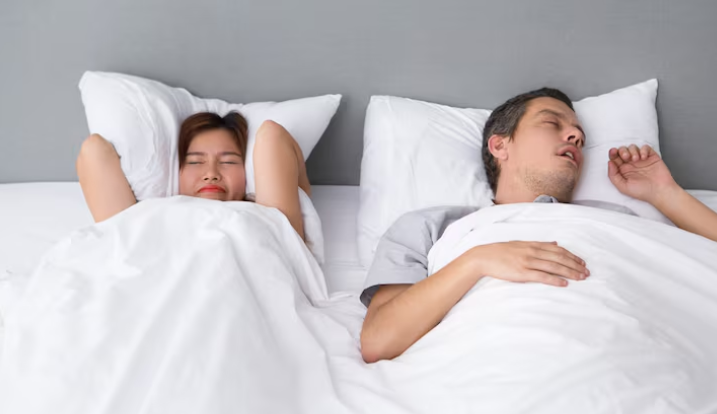
Snoring is a sign of turbulent airflow. As we fall asleep, the muscles in the upper airway relax. That relaxation narrows the passage through which air moves, and the surrounding soft tissues begin to flutter. Those vibrations create the familiar sound of snoring.
What is less obvious is why the airway narrows. For some, it is a jaw‑position issue: the lower jaw shifts backwards during sleep, allowing the airway to collapse slightly. For others, it is more about muscle tone and tongue posture. The tongue drifts backwards or loses tension, which can narrow or block the airway. Many people have a combination of both influences.
Sleep itself also changes through the night. As we move between stages, muscle tone drops further. In deeper sleep, that relaxation can make the airway narrower. This is one reason some people snore more at certain points of the night or on some nights more than others.
How Mouthguards Like VitalSleep Work
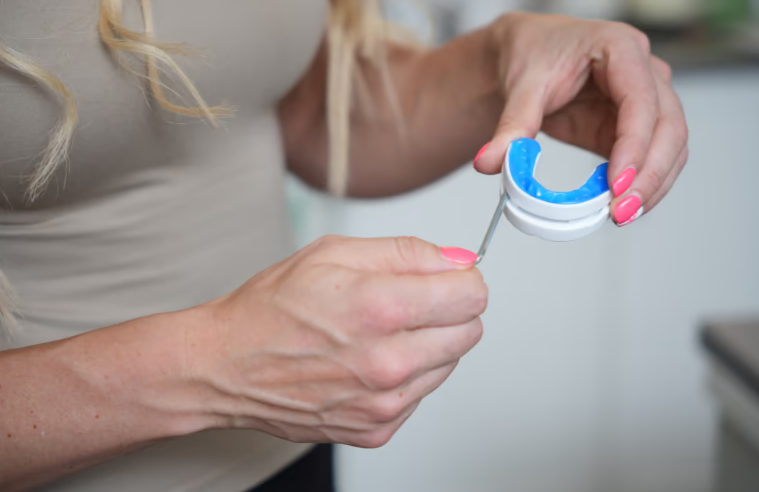
Mouthguards such as VitalSleep belong to a group called mandibular advancement devices (MADs). They work by gently guiding the lower jaw forward to create more space behind the tongue and make airflow smoother.
Most are adjustable, allowing users to fine‑tune the advancement a millimeter at a time until breathing feels easier. When fitted correctly, this mechanical change can significantly reduce snoring for people whose main issue involves jaw position.
MADs are used for simple snoring and also for some cases of mild obstructive sleep apnea (OSA). They are typically molded at home, affordable compared with custom dentist‑made versions, and non‑invasive. They are appealing to many people because the effect can feel immediate once the right position is found. The quick feedback they provide can make them easier to stick with at first.
Still, jaw advancement alone does not address every cause of airway narrowing. Many users describe consistent use but mixed results – better some nights, unchanged on others. That usually points to a different cause, such as changes in tongue position or muscle tone.
When Mouthguards Are Not Enough
In deeper sleep, the tongue’s supporting muscles can relax more than usual. When that happens, the tongue can fall backward toward the throat and narrow or obstruct the airway. Moving the jaw forward may open some space, but it does not retrain the tongue’s behaviour.
Factors such as age, fatigue, medication use, and body position all play a role. People with naturally narrower airways or larger tongues can be more prone to obstruction.
Over time, many people become attuned to their own patterns. They notice that snoring worsens after poor sleep, illness, or stress, all of which can affect muscle tone and airway behavior.
If weakened muscle tone rather than jaw position is the main contributor, a mouthguard can fit well but still produce little change. That does not mean it failed; it simply means it is targeting the wrong mechanism for that person.
A Different Idea: Strengthening the Airway Itself
Traditional snoring solutions often focus on holding the airway open by moving structures or maintaining airflow with devices like CPAP. More recently, research has explored whether improving the muscles that keep the airway open could make the airway more stable during sleep.
This is where Neuromuscular Electrical Stimulation (NMES) comes in. It is a long‑standing technique used in rehabilitation to activate and strengthen muscles. Applied to the tongue and upper airway, the goal is similar: train those muscles so they stay more responsive when we rest.
Evidence supporting this approach continues to grow. Studies show that regular daytime NMES sessions can improve tongue endurance and reduce snoring, especially when reduced tone or tongue‑based obstruction plays a major role. In practice, it represents a shift from managing airway collapse mechanically at night to improving muscle function during the day.
It also reflects a broader way of understanding sleep‑disordered breathing, not only as a structural problem but as one linked to how effectively the airway muscles adapt and maintain tone over time.
Where Spring Sleep’s eXciteOSA System Fits
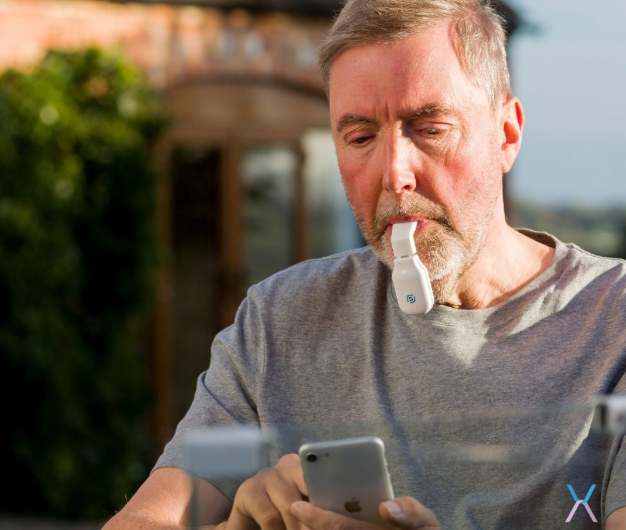
Spring Sleep, a family‑owned medical solutions company, offers the eXciteOSA System, an NMES‑based therapy developed for snoring and mild OSA. It is a clinically tested, FDA‑cleared therapy supported by research and developed for these groups, but it is not indicated for severe sleep apnea and is not a cure.
The system includes a soft, medical‑grade silicone mouthpiece that sits comfortably around the tongue. During a 20‑minute daily session, gentle electrical pulses stimulate key tongue muscles to help build endurance and responsiveness. It is usually used for about six weeks and then maintained with periodic sessions.
Clinical research has found notable improvements in snoring time and mild OSA measures for many users. Outcomes vary, but findings suggest NMES can be especially relevant when snoring is driven by tongue behavior or lower muscle tone rather than jaw alignment.
For some people, the routine of a short daily session also feels more predictable than adjusting a device overnight, especially if sleep is already fragmented.
Importantly, eXciteOSA is:
- FDA‑cleared for snoring and mild OSA (not severe OSA)
- A daytime, non‑invasive treatment
- Supported by clinical research, not a cure
- Available through Spring Sleep, which provides guidance and a 90‑night money‑back guarantee
Many users appreciate the convenience of therapy that happens during the day. It avoids wearing an appliance at night while focusing on strengthening the airway instead of simply holding it open.
Choosing the Approach That Fits You

The question is not which product is best, but which mechanism matches what is happening in your airway. Matching the solution to what is actually occurring is usually where progress begins.
When deciding what to try, it helps to think about patterns rather than products.
- If snoring improves when the lower jaw is moved forward, jaw position is likely a factor, and a mandibular advancement device may help.
- If snoring varies from night to night or worsens when you are especially tired, muscle relaxation in the tongue or airway may contribute more. Approaches that strengthen airway muscles may be worth exploring in that case.
- If snoring occurs alongside pauses in breathing, gasping, or marked daytime fatigue, a medical assessment is essential. These signs can indicate sleep apnea that requires structured evaluation and treatment.
Comfort and habit matter as well. Some people adapt easily to wearing a device overnight, while others never quite get used to it. Sleeping with something in the mouth can feel intrusive, even when it fits well. Daytime therapy requires consistent use but leaves sleep uninterrupted.
Persistent daytime sleepiness, frequent waking, or witnessed pauses in breathing always warrant discussion with a healthcare professional. Considering the full picture, including weight, airway anatomy, and sleep‑stage behavior, makes any treatment plan more effective.
What Research Suggests About Combining Approaches
Clinicians sometimes find that improving airway muscle tone can complement other treatments.
A person may use a mouthguard while also engaging in targeted muscle therapy during the day, helping improve tolerance or response to existing interventions. This approach reflects a broader movement in sleep medicine toward treating the airway as a dynamic system rather than a static structure.
Snoring is common, but the causes vary from person to person. Two people may sound alike at night yet have completely different underlying anatomy and muscle behavior.
Mouthguards like VitalSleep can be highly effective when jaw position is the main factor. For those whose snoring comes from tongue relaxation or reduced muscle tone, a muscle‑focused option such as Spring Sleep’s eXciteOSA System may align more closely with the cause.
Understanding why your airway narrows is the real turning point. Once that is clear, your choices, whether mechanical, muscle‑based, or a combination, begin to make more clinical sense. That understanding often turns a cycle of trial and error into a path toward quieter, healthier sleep.