

While his specialty is sports rehabilitation, his diverse patient base pulled him into an unexpected focus: sleep quality. From obstructive sleep apnea to chronic insomnia, Trevor has committed himself to understanding the conditions that steal restful nights, because sleep doesn’t discriminate. It affects everyone, from the stay-at-home parent squeezing in weekend workouts to the elite athlete chasing peak performance.
When he’s not treating patients or reviewing sleep solutions, Trevor is with his family, coaching soccer, or spending time at the beach. His best sleep hack? Keep a consistent wake-up time, even on weekends. Your body’s internal clock thrives on routine, and once it locks in, falling asleep starts to feel like the easy part.
- Best Inspire Alternatives - August 31, 2026
- Best Tongue Stabilizing Device for Mild Sleep Apnea - April 13, 2026
- Tongue Strengthening Device vs Mouthguard: Which One Actually Fixes Snoring? - April 13, 2026
Untreated mild sleep apnea is linked to high blood pressure, heart disease, stroke, and diabetes, so addressing it at the source can protect your long-term health.
“Tongue stabilizing devices” (TSDs) are a broad category of products that help support your tongue while you sleep. Some hold the tongue in place while you sleep, while others strengthen it so it can stay forward on its own.
The reason these products target the tongue is because (during sleep) it relaxes, and in people with obstructive sleep apnea (OSA), this can block the airway, causing snoring or pauses in breathing. The genioglossus muscle is key. When it is strong, it keeps the tongue forward all night; when weak, gravity takes over.
Active neuromuscular therapy is the newest approach and may be the best upfront option for many people with mild sleep apnea. Devices like eXciteOSA use small electrical pulses to strengthen the tongue during the day (so it stays forward at night without a device). Sessions are short, easy to fit into daily routines, and supported by FDA clearance and clinical results showing meaningful reductions in snoring and mild OSA.
The rest of this guide will cover other TSD options, including passive tongue devices, tongue and airway exercises, mandibular advancement devices, and surgical interventions, so you can understand how each works and which may be right for you.
Category 1: Passive Tongue Retainers
These are the original TSDs. They look like a bulky pacifier. You insert your tongue into a silicone bulb, squeeze out the air to create suction, and the device holds the tongue forward while you sleep. The airway stays more open because the tongue can’t fall back.
The clinical research on passive TSDs is mixed but generally positive for the people who can tolerate them. Some people show reductions in AHI (the number of breathing interruptions per hour) and improved oxygen levels. Which both sound great, but the problem is tolerance.
In a 2021 study published in the Journal of Clinical Sleep Medicine (Alshhrani et al.), only 53.8% of patients prescribed a TSD accepted the therapy long-term, with the rest dropping out due to tongue soreness, excessive drooling, and the device dislodging overnight. That’s a tough dropout rate for something you need to wear every single night.
AveoTSD
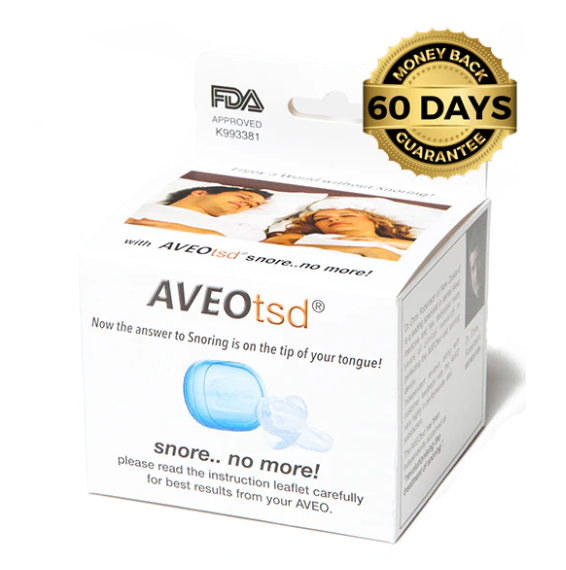
One of the first TSDs on the market, developed over 15 years of research by Dr. Chris Robertson in New Zealand. Medical-grade silicone. Three sizes. The longer sleeve design gives the tongue some protection from tooth pressure, which is a common complaint with cheaper alternatives. No prescription needed. About $140.
Good Morning Snore Solution (GMSS)
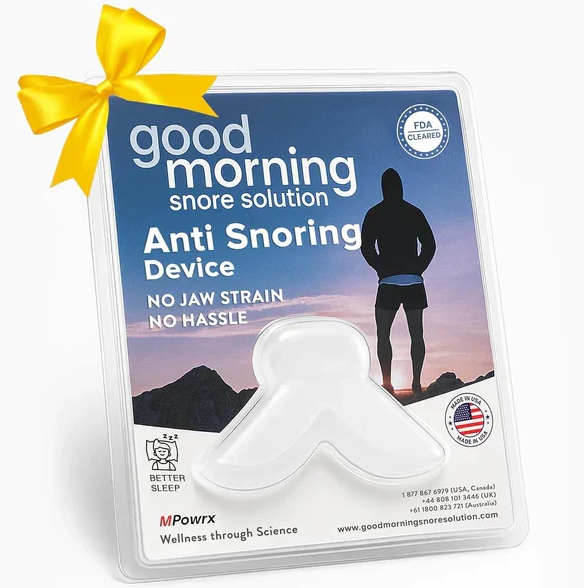
Designed by Canadian dentist and sleep researcher Dr. Leslie Dort. Thinner and slightly smaller than the AveoTSD. FDA-cleared, with a published double-blind, placebo-controlled study behind it. Comes with a 30-day money-back guarantee, which is a nice safety net for a product that has a real learning curve. Around $100.
Generic Amazon TSDs
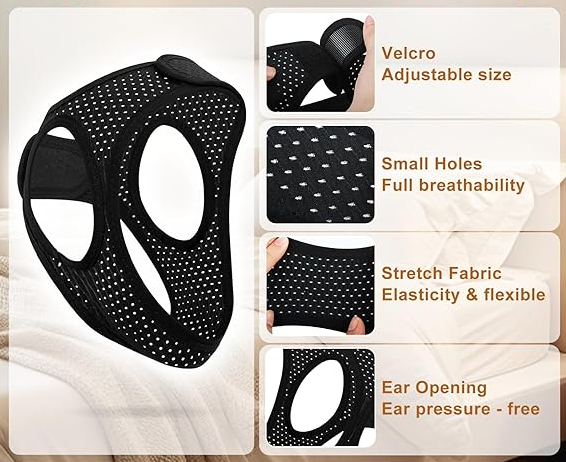
There are dozens of knockoffs in the $10 to $30 range. No published research. No guarantee on material quality. Some users report that they work fine. Others report silicone that tears within weeks or suction that doesn’t hold. It’s a gamble, and not one I’d take with something that goes in my mouth for eight hours.
The Good and the Bad of Passive Retainers
What Works:
Low cost. No prescription. No jaw repositioning, so you avoid the TMJ pain and bite changes that come with mandibular advancement devices. They’re small, portable, and usable even if you have dentures or dental issues. For someone who just needs a basic, nightly solution for mild snoring, they can get the job done.
What Doesn’t:
Comfort is a genuine barrier. The drooling alone turns some people off in the first week. If the suction fails at 3 a.m., you’re unprotected for the rest of the night, and you won’t know it until your partner tells you. And the biggest limitation is philosophical as much as practical: you’re not getting any stronger.
Category 2: Active Neuromuscular Therapy
This is the newer category, and it flips the entire model. Instead of propping the tongue forward during sleep, active devices strengthen the tongue muscles during the day so they can do the job on their own at night.
This neuromuscular electrical stimulation (NMES) is small electrical pulses to cause the tongue muscles to contract, building endurance and tone over a structured treatment period. If you’ve ever used an EMS unit on a sore quad or a weak shoulder in a PT clinic, it’s the same technology, just scaled down and applied inside the mouth.
eXciteOSA
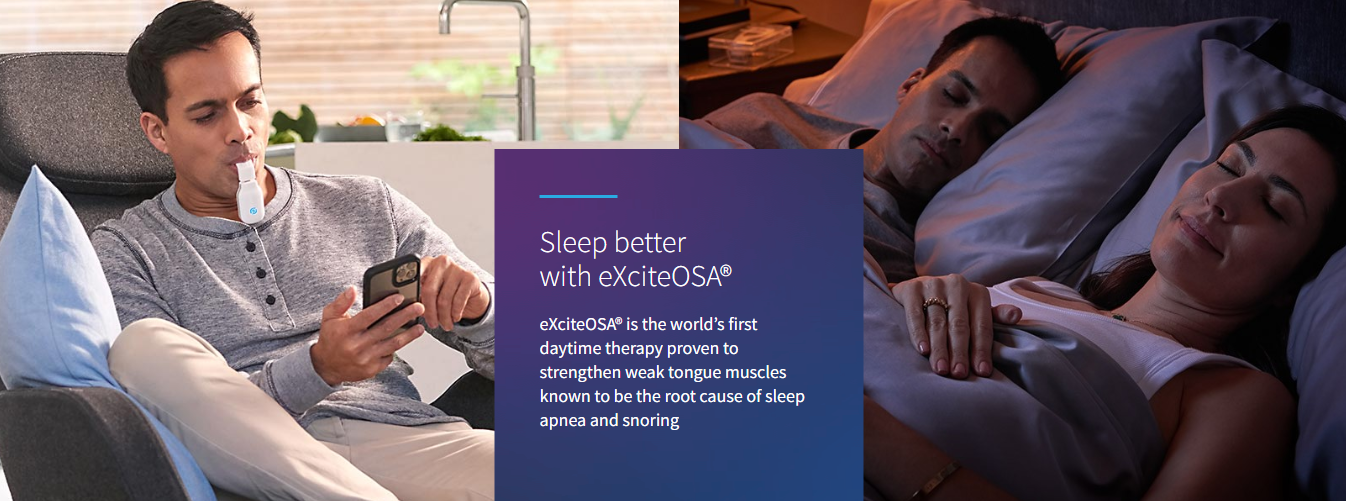
Right now, the only active tongue-training device with FDA clearance is eXciteOSA, made by Signifier Medical Technologies. It is typically distributed and sold through authorized partners such as Spring Sleep.
The device itself is a silicone mouthpiece that wraps around the tongue and connects to a small handheld controller. There’s a companion app that lets you adjust stimulation intensity and track sessions. Each session runs 20 minutes. For the first six weeks, you do it daily. After that, two to three times a week is supposedly enough to maintain results.
Typically, each session happens during the day, while reading, working at your desk, folding laundry, or really… whenever.
The Numbers
A 2021 clinical study in the Journal of Clinical Medicine looked at 115 snoring patients, 48 of whom also had mild OSA. After the six-week treatment protocol plus a two-week break (no device use at all), here’s what they found:
- Average AHI in the mild OSA group dropped 48%, from 10.21 to 5.27.
- 75%+ of all snoring patients had a 20% or greater reduction in snoring above 40 dB (the threshold where snoring starts wrecking your partner’s sleep).
- 89% of bed partners said the snoring was noticeably better.
Limitations and Cost
Both devices only work as long as you actually use them, and compliance seems to be a strength. After 10,000 patient activations, adherence was above 80% during the initial six-week protocol. Compare that to CPAP, where non-adherence runs between 25% and 46% depending on the study, and people with mild OSA are a third less likely to stick with it than those with severe cases. The best therapy in the world doesn’t help if the device lives in a drawer.
eXciteOSA is indicated for primary snoring and mild OSA only. It’s a prescription device, so you’ll need a provider involved. Luckily, they provide that for you if you qualify, through a telehealth visit at springsleep.com. The clinical trials excluded patients with a BMI over 35. It’s $1,650 upfront, not covered by most insurance, but eligible for FSA/HSA. Replacement mouthpieces cost about $150 every three months.
Passive vs. Active: The Differences That Matter
- Mechanism: Passive retainers use suction to hold the tongue forward during sleep. eXciteOSA uses electrical stimulation to strengthen the muscles during the day.
- Timing: Passive devices are worn all night, every night. eXciteOSA is a 20-minute daytime session with nothing worn at night.
- How long the results last: Remove a passive TSD, and symptoms return immediately. eXciteOSA’s effects persist beyond the treatment window, maintained with a couple of weekly sessions.
- Prescription: Passive TSDs are mostly over the counter. eXciteOSA requires one, which means a provider is monitoring your care.
- Price: $10–$140 for passive. $1,650 for eXciteOSA (FSA/HSA eligible).
Tongue and Airway Exercises (Orofacial Myofunctional Therapy)
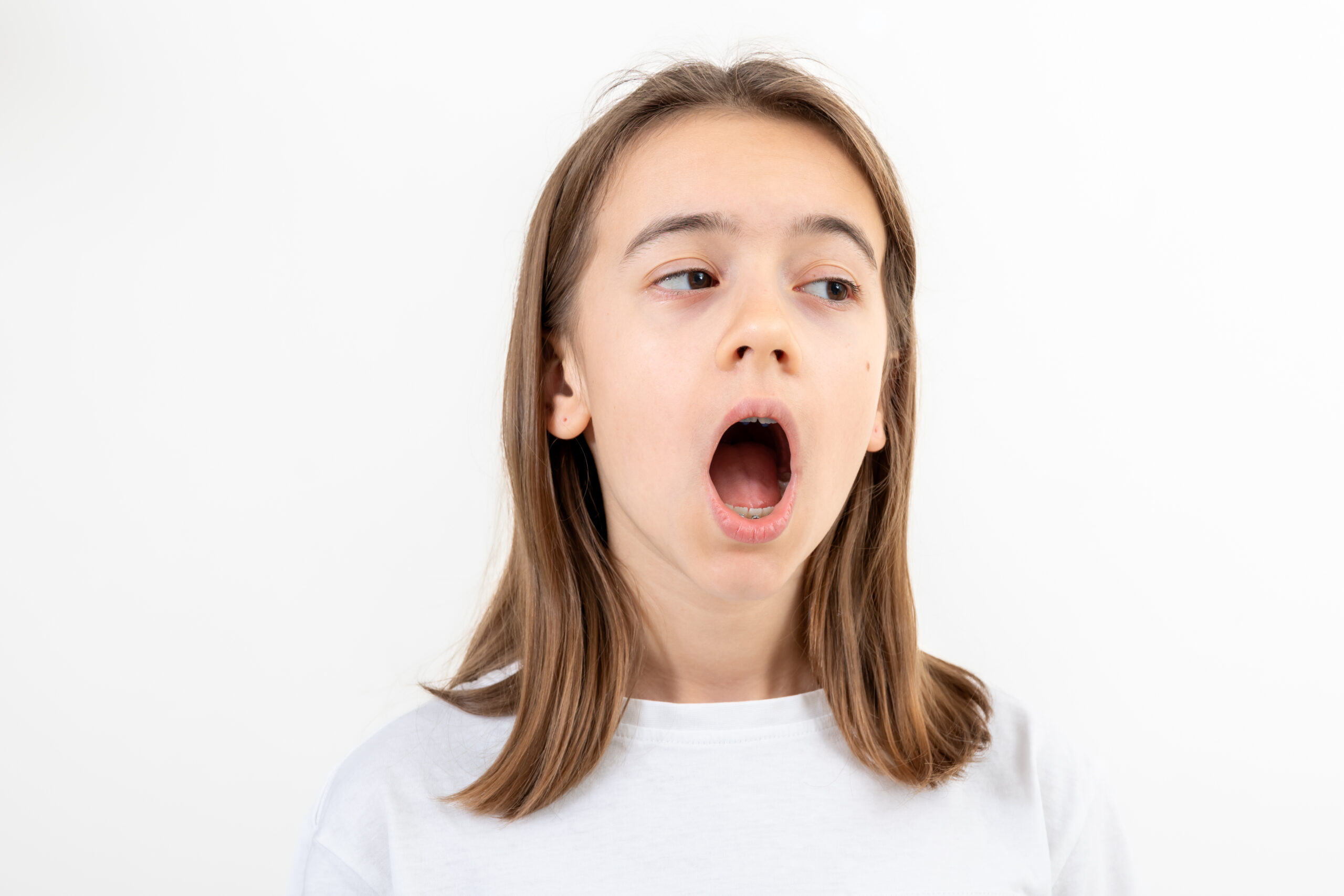
OMT is a set of structured exercises, think tongue push-ups, swallowing drills, and palate contractions, designed to build the same muscle groups that NMES targets. It’s supported by research and costs almost nothing. The trade-off is time and willpower. You’re looking at 10 to 15 minutes a day, every day, for months. It works for disciplined people.
Inspire (Surgical Implant)
Inspire is a surgically implanted neurostimulator that activates the tongue muscles in sync with your breathing during sleep. It’s FDA-approved for moderate to severe OSA in patients who can’t tolerate CPAP. Highly effective. Also highly invasive, with a price tag to match. This is end-of-the-line territory, not a first option.
Mandibular Advancement Devices (MADs)
MADs are a wide variety of products that reposition the jaw, not the tongue directly, but the forward jaw pull drags the tongue base along with it. SnoreRx is one of the more popular models. They’re effective for many people but carry a risk of TMJ problems and bite changes over time, especially with nightly use.
Choosing the Right Tongue Device: What Actually Works
There is no “best for everyone.” Your ideal device depends on your diagnosis, your budget, and how you want to live with treatment long term. If you haven’t been diagnosed yet, a sleep study or at-home test can give you a baseline and show whether you are dealing with simple snoring, mild OSA, or something more serious. Without that information, any choice is a guess.
Here are some options based on your situation:
- Simple snoring or tight budget: Passive tongue stabilization devices (TSD) like the GMSS ($100) or AveoTSD ($140) are reasonable first steps. If tongue positioning reduces your snoring, you have confirmed the source and can decide if nightly use is sustainable.
- Mild OSA or dislike nightly devices: eXciteOSA strengthens tongue muscles during the day. It is FDA-cleared and clinically supported, but the upfront cost is higher.
- Moderate to severe OSA: Tongue-focused devices are usually not enough. Consult a sleep specialist about CPAP, surgical options, or a combination approach.
The biggest mistake is treating all tongue devices as interchangeable. A $20 suction bulb and an FDA-cleared neuromuscular stimulator will have wildly different results, benefits, and drawbacks. Know what you are buying, understand why it works, and rely on real results, not just reviews.