
- Best Neurostimulation Devices for Sleep - April 6, 2026
- How to Sleep Through Menopause - December 31, 2025
- Women’s Sleep Science: Guide to Better Sleep Overall - December 8, 2025
The issue with struggling to stay asleep often lies with the underlying neurological mechanisms that drive sleep. From a research perspective, sleep is not just a habit, but a regulated brain state governed by complex interactions between neural circuits, neurotransmitters, and electrical activity.
As someone with a background in biology and a focus on evidence-based interventions, I approached neurostimulation with the question: Can we influence the brain directly, in a controlled and measurable way, to support better sleep?
The answer, increasingly supported by emerging research, is yes (but only if you understand how these technologies actually work).
The challenge is that “neuroscience-backed” has become a broad (and often misleading) marketing claim. Neurostimulation devices vary significantly in both mechanism and effectiveness. Some act directly on neural activity through electrical or magnetic stimulation, while others influence the nervous system more indirectly (for example, through sensory pathways or vagal nerve modulation).
These distinctions matter because the wrong mechanism for your specific sleep issue is unlikely to produce meaningful results. So, let’s talk about the core types of neurostimulation used for sleep, how each one interacts with the brain and nervous system, and what to realistically expect from them.
The Best Neurostimulation Devices at a Glance
- Somnee Smart Sleep Headband: Best if you’re looking for science-backed and personalized brain stimulation to strengthen your brain’s natural sleep abilities and improve your sleep for a lifetime.
- Frenz Brainband: Best if you’re looking for an indirect device that offers personalized CBT and audio-guided sleep, adapting to your brain signals.
- Pulsetto: Best if you want to support your sleep by indirectly relaxing your vagus nerve and helping you unwind using gentle vibrations.
- Alpha Stim: Best if you have stress-related sleep issues and chronic pain and want a combination of MET and CES.
- Therabody Sleep Mask: Best if you want something simple and uncomplicated with gentle vibrations and soothing audio to relax your muscles and mind before sleep.
Direct Devices
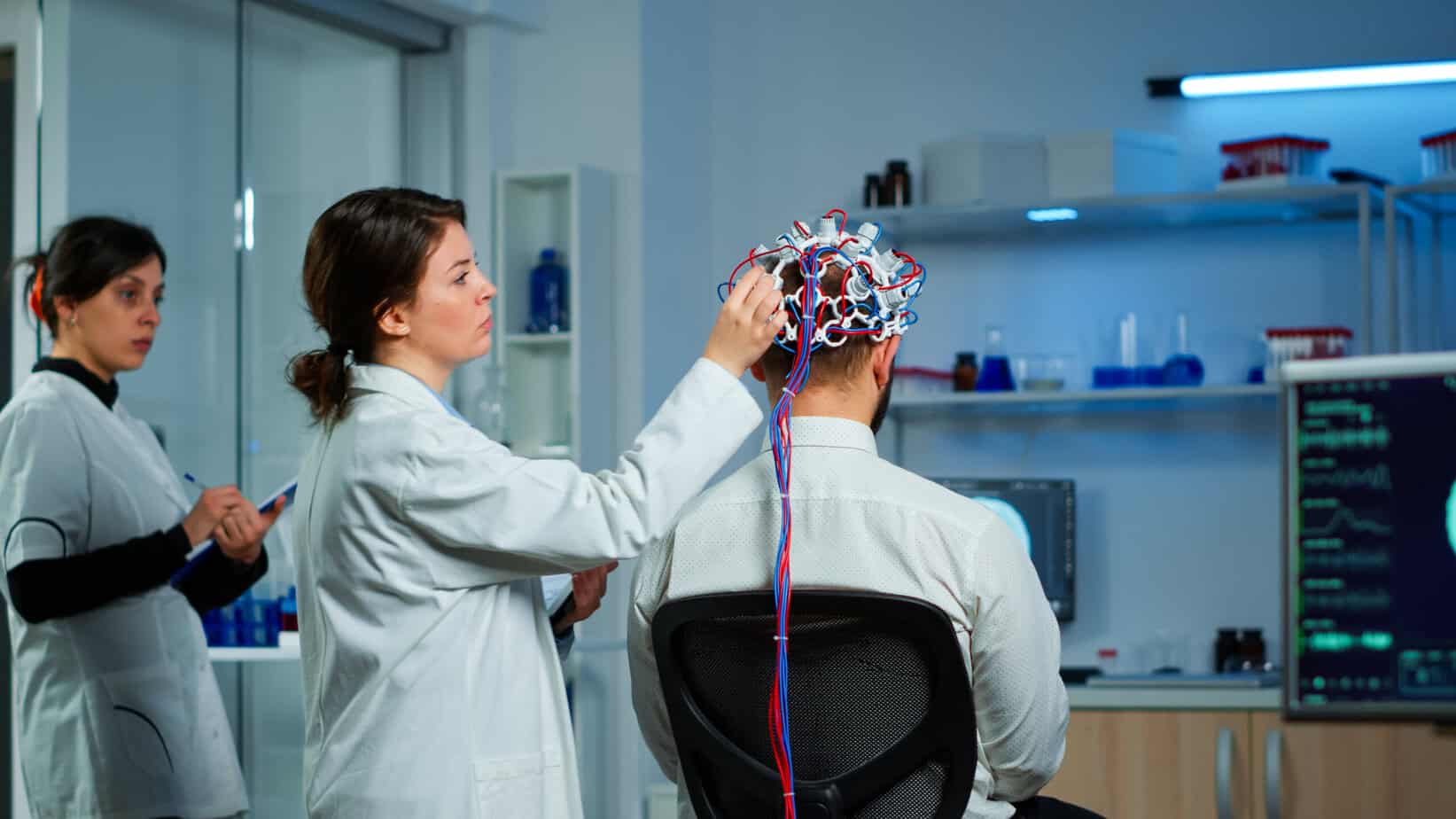
Direct devices use noninvasive brain stimulation to influence brain activity.
One of the most common methods is Transcranial Electrical Stimulation (tES), which delivers a gentle electrical current to the brain through the scalp (no surgery required).
This can be done using a steady, low-level current (tDCS) or a mild alternating current (tACS), applied to specific areas of the brain through electrodes placed on the scalp.
During sleep, this type of stimulation can change how easily neurons (brain cells that send and receive signals) become active in targeted regions. Because different parts of the brain are connected, these effects can extend more broadly, helping support healthier sleep patterns.
Some devices use magnetic fields instead of electrical currents, but the goal is similar (to gently influence brain activity in a controlled way).
Indirect Devices
Indirect devices work by calming and regulating the nervous system rather than stimulating the brain directly. They use methods like microcurrents, cranial electrotherapy, sound, or behavioral guidance to help the body transition into sleep.
For example, microcurrent electrical therapy (MET) and cranial electrotherapy stimulation (CES) deliver very low levels of electrical current through the earlobes or scalp. This helps reduce stress and calm the nervous system, making it easier to fall asleep.
Some devices also target the vagus nerve (often through the ear or neck) using a method called transcutaneous auricular vagus nerve stimulation (taVNS). This can shift the body into a more relaxed state and support brain areas involved in reducing anxiety and promoting sleep.
Other approaches include sound-based stimulation and cognitive behavioral therapy (CBT) delivered through apps or wearables, which help guide the brain toward more restful sleep patterns over time.
While these methods don’t act on the brain as directly as tES, they still influence the systems that control stress, relaxation, and sleep (making it easier for your brain to settle into deeper, more consistent sleep).
Key Device Features to Look For
Before I list the best neurostimulation devices, let’s see what criteria (beyond the pros and cons) we need to look for:
- Mechanism
- Scientific support
- Customization/Personalization
- Practical effectiveness
Here are my top picks:
1. Somnee Smart Sleep Headband
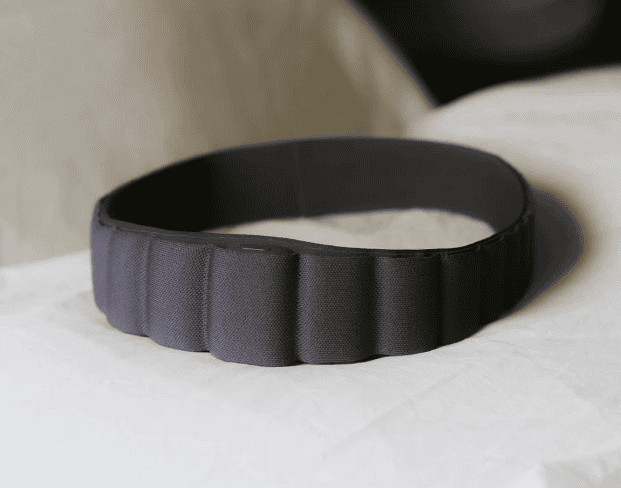
Somnee is an innovative sleep wearable backed by the world’s leading neuroscientist that enhances your body’s natural ability to sleep over time with over 22 sessions. The device works by first creating your brainprint using EEG and AI machine learning modelsML, decoding your brain’s unique sleep-promoting pattern.
Mechanism:
After collecting all the data from your pre- and post-sessions, Somnee delivers gentle electrical stimulation (tACS) to the sleep centers of your brain, informed by its EEG readings and map of your brain, syncing your neurons to prepare you for an optimal night of sleep. At the end of the sessions, your neural pathways will realign naturally, and your sleep strength will be retained.
Scientific Support:
The device is not only backed by expert neuroscientists but is also validated by a scientific study that shows people are sleeping faster and longer (available to read on their website). It has also shown positive effects in people with insomnia.
Customization/Personalization:
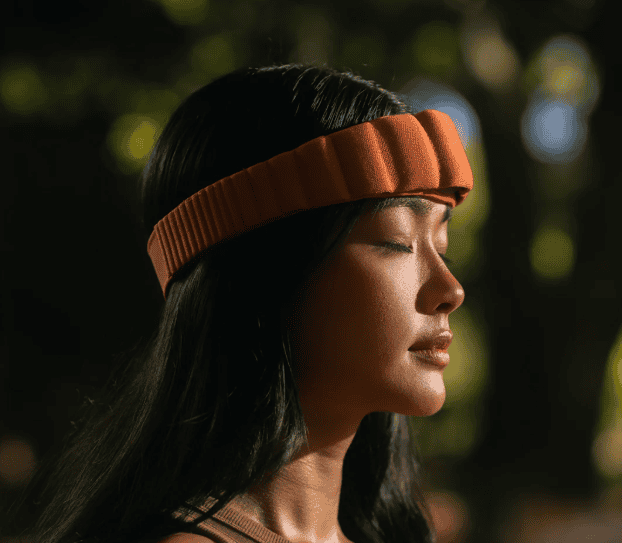
This is the only device on my list that offers closed-loop personalization using AI and ML. Rather than choosing from preset or fixed settings, you can have tACS adjusted to match your natural sleep rhythms and promote optimal sleep.
Practical Effectiveness:
Somnee has positive reviews from users who report falling asleep quickly and staying asleep longer using this safe and non-invasive sleep aid. Somnee offers lifetime learning and builds long-term sleep strength, which is another reason for its practical effectiveness and something no other device offers.
2. Frenz Brainband (Earable)
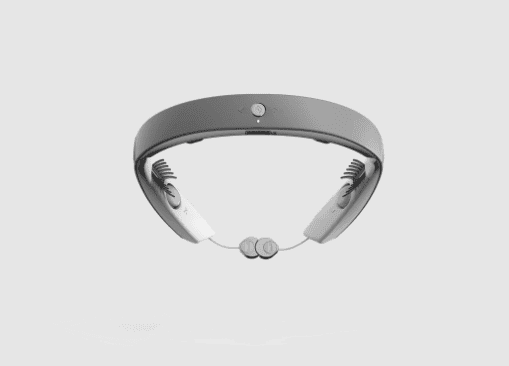
Frenz Brainband is an indirect sleep device that tracks your sleep data accurately in real time, including EEG brain signals, eye and facial muscle movements, SpO₂ (oxygen in your blood), and heart rate.
Mechanism:
After collecting the data, it plays meditation, nature sounds, or music (CBT) at different stages of your sleep to stimulate your brain and collect data (using AI) on how your brain reacts to them. The device is now ready to help you ease your midnight wakeups, sleep faster, and sleep better throughout the night.
Scientific Support:
CBT has been shown to reduce insomnia and improve sleep quality by focusing on stress, reducing wake-ups that disrupt sleep, and addressing bad sleep habits. Audio delivery of all this makes it more convenient and accessible, enabling you to follow it consistently at bedtime.
Customization/Personalization:
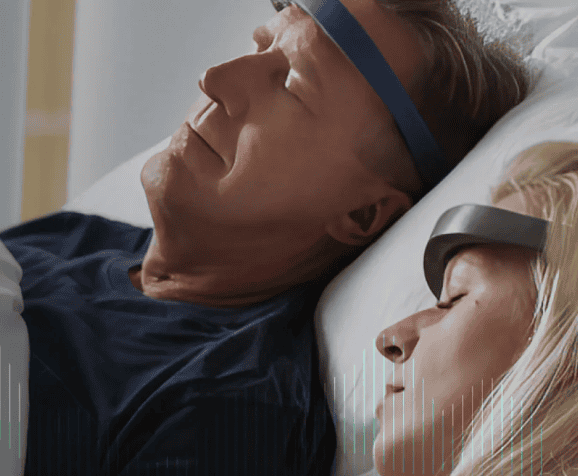
You can adjust the stimulation intensity and session duration based on the brain data collected by the Frenz Brainband to suit your needs. You can also review your sleep data to get a clearer picture of your sleep trends and improve your sleep habits.
Practical Effectiveness:
Users have reported falling asleep faster, getting deeper sleep, and waking up refreshed after using Frenz Brainband. The device is portable and easy to use, making it convenient to carry and use while traveling.
3. Pulsetto
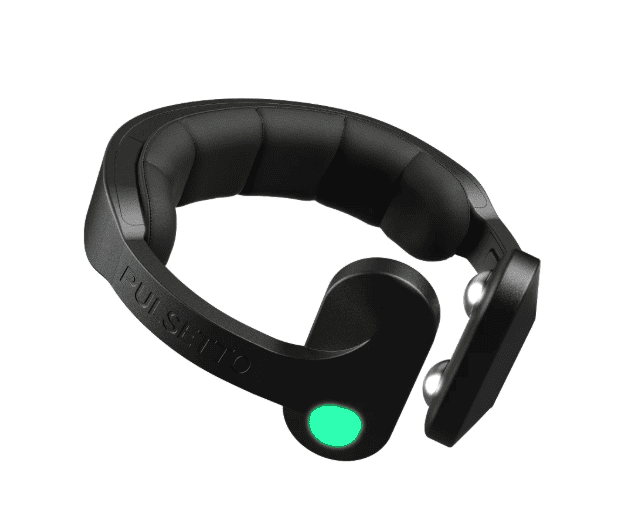
Pulsetto is a neck band that uses vagus nerve stimulation (taVNS), which feels like a light and pleasant vibration on your neck.
Mechanism:
It addresses your overactive nervous system, your vagus nerve to be precise, which controls your body’s stress relief system and calms it down to help you sleep. It is connected to an app with five settings (soothe stress, calm worry & overwhelm, fall asleep, relieve burnout, and pain control & recovery) that you can choose from as per your needs.
Scientific Support:
taVNS has been shown to improve sleep quality by shifting your body towards a more relaxed and restful state. Early studies suggest it’s safe and useful for people suffering from insomnia and stress-related sleep disorders.
Customization/Personalization:
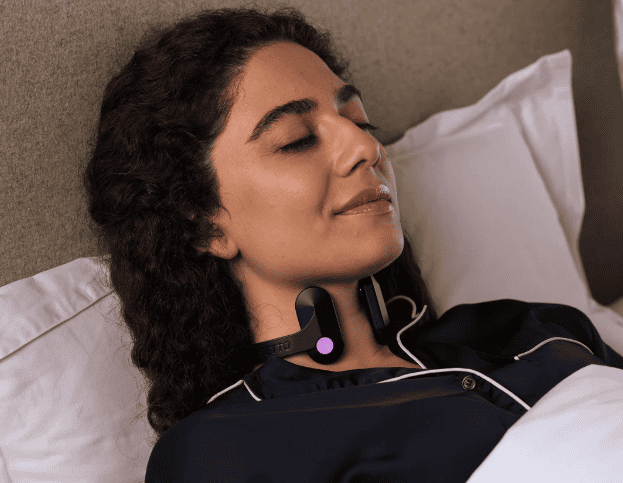
Like Frenz Brainband, Pulsetto can also be customized to choose the right program for you, adjusting the intensity of electrical stimulation and optimizing the time and frequency of the sessions.
Practical Effectiveness:
Pulsetto has mixed user reviews, with some finding it effective and others reporting little or no measurable improvement. It offers mild, subjective benefits for relaxation, but its effectiveness for sleep is inconsistent and not well supported by clinical evidence.
4. Alpha-Stim M
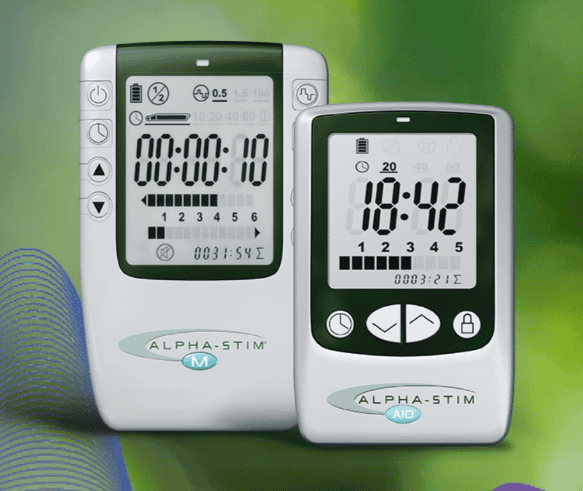
Alpha-Stim M is another non-invasive brain stimulation where low-intensity microcurrent electrical therapy (MET) is delivered via electrodes at the site of the pain to treat acute, chronic, and post-traumatic pain.
Mechanism:
The device also includes earclip electrodes that deliver gentle electrical currents (cranial electrotherapy stimulation; CES) to calm your brain activity, reduce stress, and help your body transition into sleep.
Scientific Support:
The device is widely available, and the effectiveness of Alpha-Stim on sleep has mixed scientific evidence, especially for those suffering from stress-induced insomnia or anxiety-related sleep issues.
Customization/Personalization:
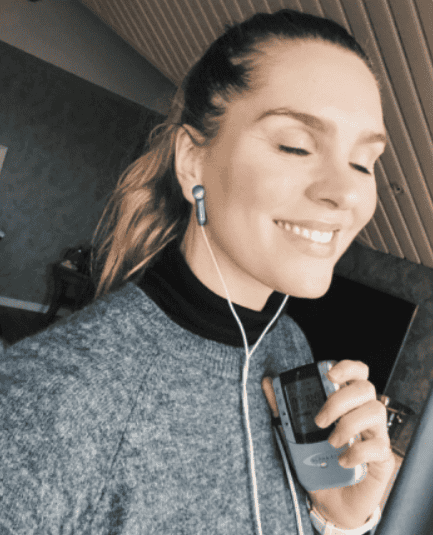
Like the above two devices, you can customize the device by adjusting intensity and session duration and choosing pre-set protocols for anxiety, insomnia, and general calming.
Practical Effectiveness:
Alpha-Stim has shown benefits for sleep, increasing total sleep time and improving sleep quality after regular use. Users report gradual improvement, but the results vary between individuals. Generally considered safe and easy to use.
5. Therabody Sleep Mask
Mechanism:
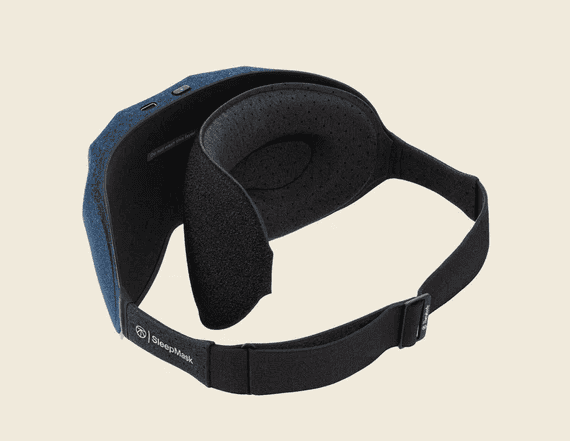
Therabody Sleep Mask is an indirect device that uses audio-based relaxation and gentle vibration to promote sleep by relaxing your facial muscles and reducing tension.
Scientific Support:
This is not direct brain stimulation, but sensory relaxation and behavioral sleep interventions are supported by moderate scientific evidence.
Customization/Personalization:
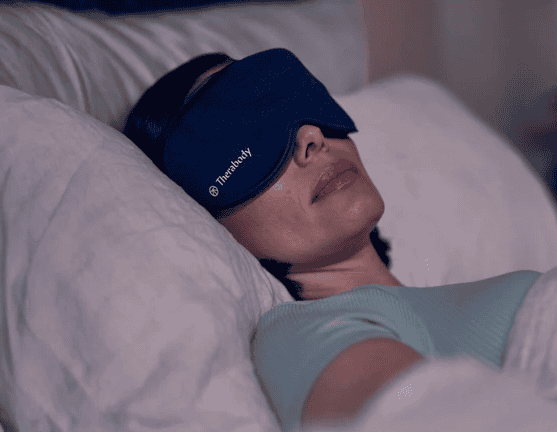
Like the above devices, this device allows customization based on personal preference. Some options focus on relaxation, while others are designed specifically for sleep, enabling a tailored experience.
Practical Effectiveness:
The device is comfortable and easy to use, and users have reported falling asleep faster and feeling more relaxed.
What is the Right Neurostimulation Approach for Your Sleep?
As we’ve seen, not all neurostimulation devices work the same way (and they’re not designed to solve the same problems).
If your sleep issues are mainly caused by stress, anxiety, or an overactive nervous system, indirect devices (such as CES, vagus nerve stimulation, or audio-based tools) may be enough to help your body relax and fall asleep more easily.
On the other hand, if you’re dealing with ongoing insomnia or disrupted sleep that hasn’t improved with routine changes, direct neurostimulation may offer a more targeted solution.
What matters most is alignment (between how the device works and what’s actually causing your sleep issues). A device can be backed by science and still not work for you if it’s not addressing the root cause.
Ultimately, improving sleep requires a more precise approach than trial and error. Whether you choose a direct or indirect device, the goal is the same (to help your brain fall asleep and stay asleep more naturally). Understanding how each option works makes it much easier to choose the right one, instead of relying on marketing claims.
If you’re unsure, speaking with a sleep specialist can help you identify what’s really affecting your sleep and whether neurostimulation is the right fit for you.