



- VitalSleep Alternatives: Why Mouthguards Work for Some and Not for Others - May 19, 2026
- Electronic Sleep Aids in 2026 - March 31, 2026
- Can’t Shut Your Brain Off at Night? Here’s Why It Happens and How to Stop It - January 6, 2026
In 2026, sleep aids extend far beyond herbal teas or melatonin gummies. A growing category of electronic devices now aims to support sleep through app-guided routines, light exposure, soundscapes, vibration cues, and even programs marketed as “brain-based” relaxation.
With so many products entering the market, the easiest way to make sense of them is to stop thinking in terms of brands and instead focus on categories. Most electronic sleep aids fall into four broad groups:
- Sound
- Light
- Vibration and tactile cues
- Neurostimulation
Each category targets a different barrier to sleep. When people feel disappointed with a device, it is often because they have unknowingly chosen a tool designed for the wrong problem. Before looking at devices, one clinical point is important.
Before comparing these tools, one clinical point is worth emphasizing. For people with chronic insomnia, the most evidence-supported first-line treatment is Cognitive Behavioral Therapy for Insomnia (CBT-I). The American Academy of Sleep Medicine recommends behavioral and psychological approaches as the primary treatment for chronic insomnia in its clinical practice guidelines.
Certain symptoms also warrant medical evaluation. Loud snoring with choking or gasping, severe daytime sleepiness, or unusual nighttime behaviors can signal underlying sleep disorders that no consumer device can address. With that context in mind, here is how the major categories of electronic sleep aids compare.
Sound-Based Sleep Aids
Sound-based tools work best when sleep disruption comes from the environment rather than internal physiology.
Noise from neighbors, a partner’s movement, or fluctuating street sounds can repeatedly wake the brain. Consistent background sound masks those sudden changes and helps maintain a stable sleep environment.
For some people, silence itself can feel uncomfortable at night. A steady sound gives the brain something predictable to settle around.
What’s Popular in the U.S. Right Now
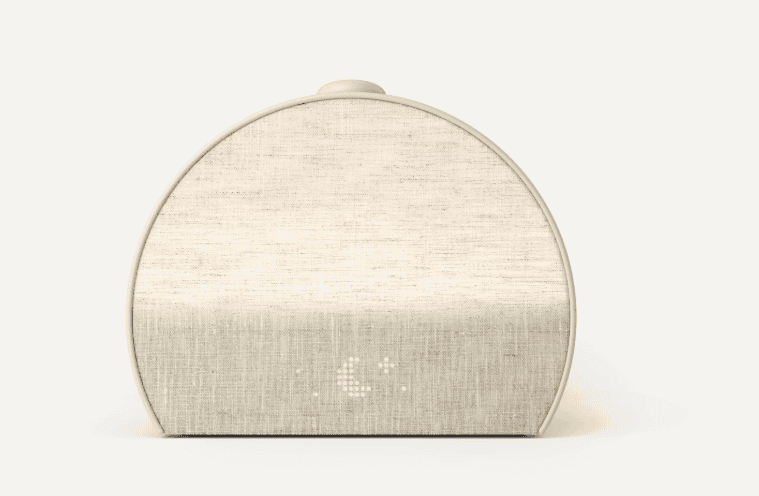
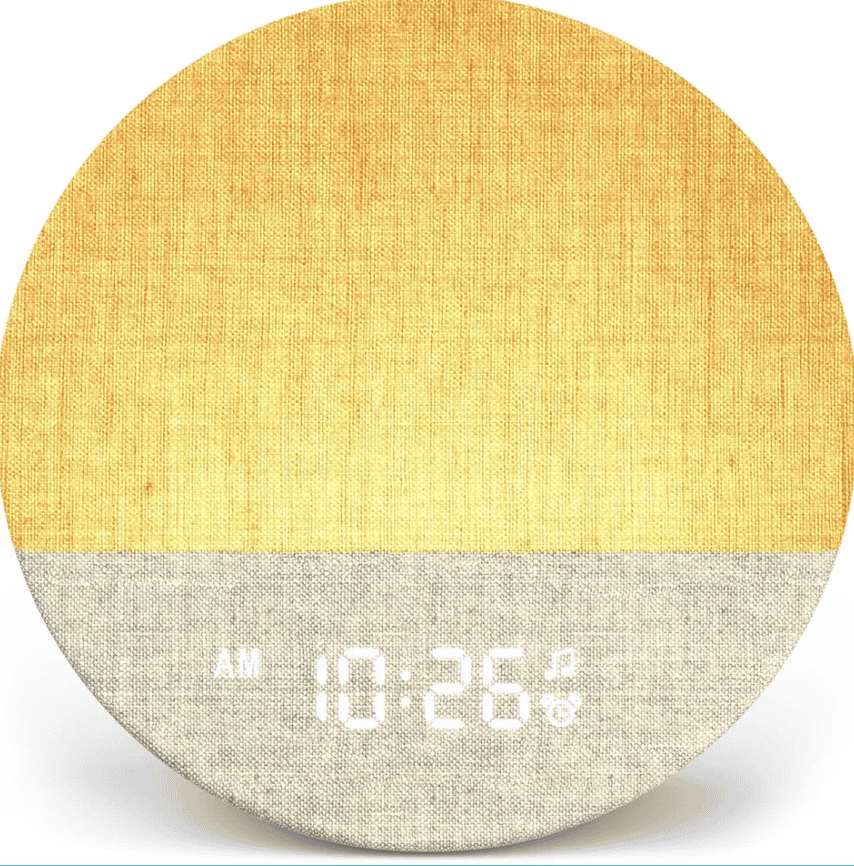
Across several product roundups in 2025 and 2026, Hatch Restore 3 frequently appears as a top pick because it combines several sleep tools into one bedside device. It functions as a sunrise alarm, sound machine, and guided wind-down system, which many users find helpful for building a consistent nighttime routine.
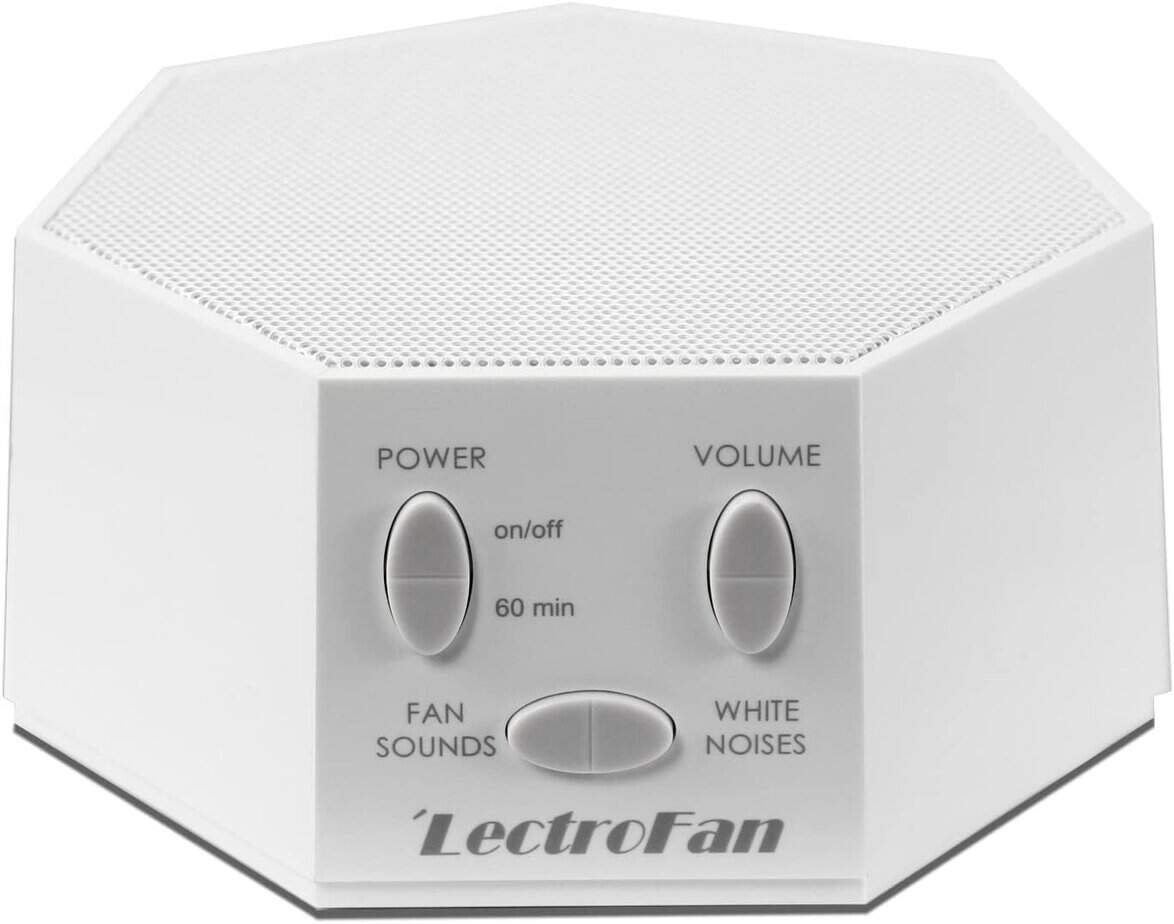
If you prefer something simpler, dedicated sound machines are still widely recommended. LectroFan devices are frequently highlighted for their strong sound masking and reliability. Rather than playing looping recordings, they generate consistent fan and white noise tones that help cover sudden environmental sounds.
For natural sound profiles that do not repeat loops, Adaptive Sound Technologies’ Sound+Sleep SE is another device frequently highlighted in product guides.
It offers a wider variety of sound environments and automatically adjusts volume in response to background noise.
Another niche category is the mechanical fan-style white noise machine, which produces natural airflow noise rather than digital sound loops. Some people prefer this because it feels more organic and less repetitive than recorded audio. Esquire’s roundup highlights options from Snooz and Yogasleep, both of which recreate the steady hum of a real fan without actually moving air.
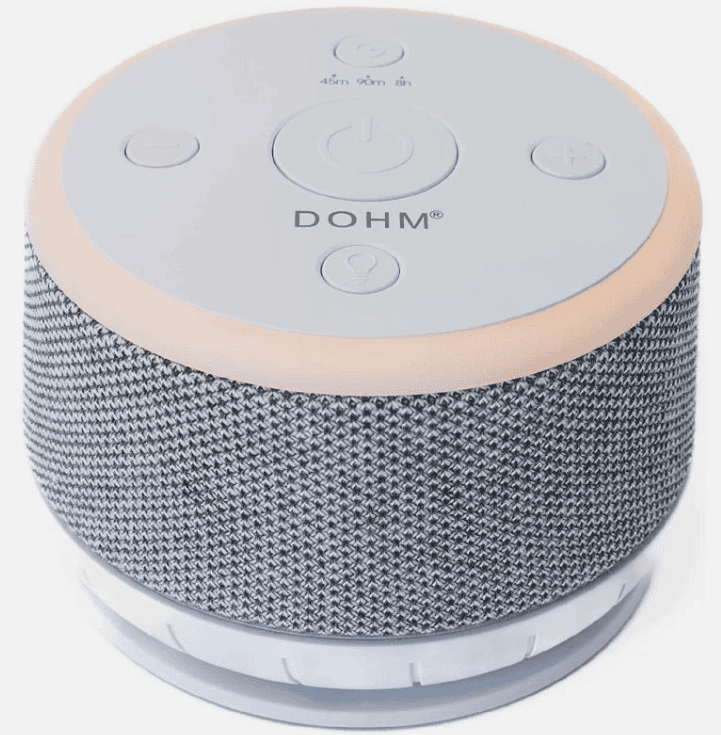
If you prefer something simpler, dedicated sound machines are still widely recommended.
Who Sound Helps Most
Sound devices are often a good first option for:
- People living in noisy apartments
- Light sleepers who wake easily from small sounds
- Couples with different bedtime schedules
Where Sound Falls Short
If your main issue is waking at 3 a.m. with a surge of alertness, sound may help you stay calm but it may not change the underlying physiology keeping the brain active.
Light-Based Sleep Aids
Light exposure has a direct biological effect on the circadian rhythm.
This category focuses less on falling asleep and more on timing the body’s sleep-wake cycle. Light devices are commonly used to support consistent mornings or help shift sleep schedules earlier.
What’s Popular in the U.S. Right Now
Sunrise alarm clocks gradually increase light intensity to mimic natural morning light.
Tom’s Guide ranks Hatch Restore 3 as its top sunrise alarm clock for 2026. Hatch Restore 3 combines a sunrise alarm, sound machine, and guided wind-down routines in a single bedside device. Many users like it because it builds a consistent bedtime and morning routine rather than acting as just one tool.
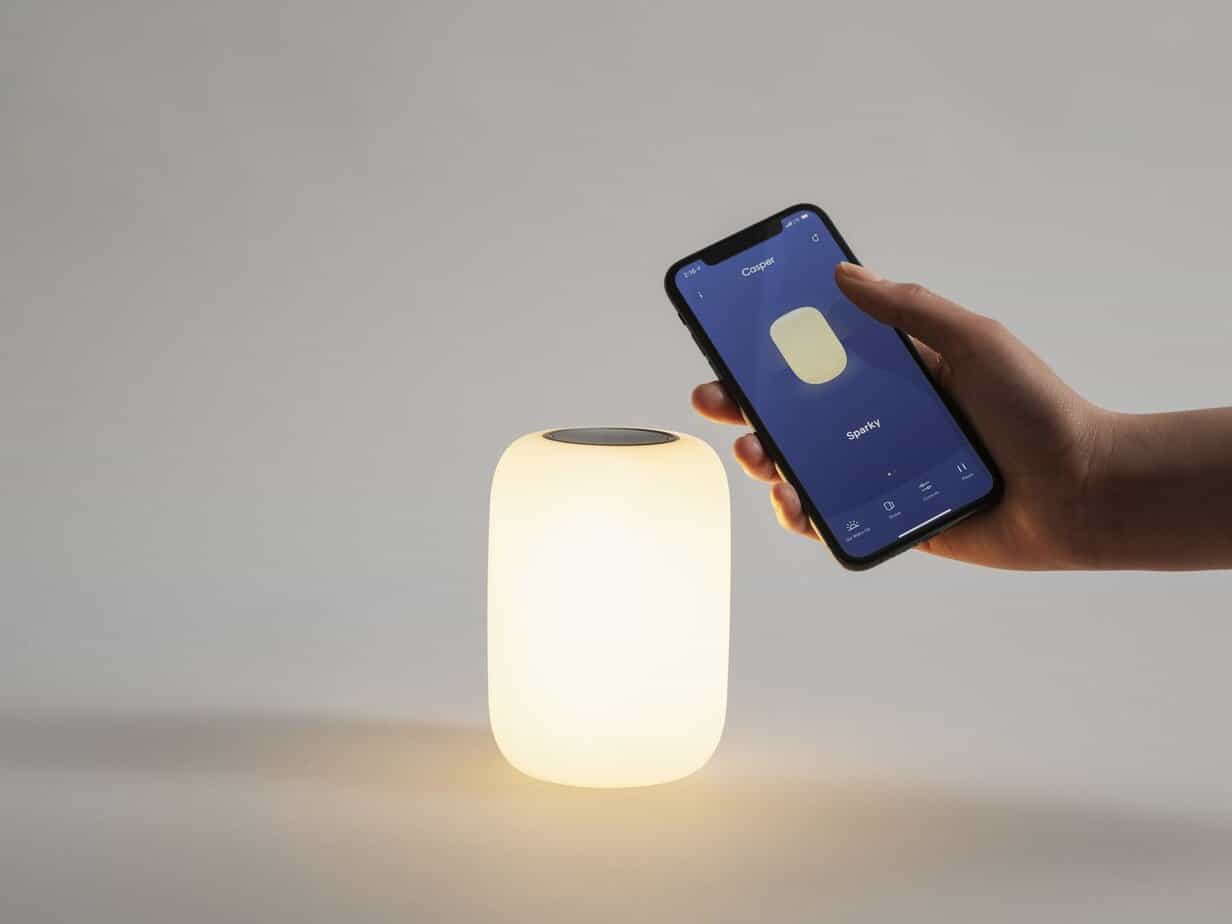
WIRED also includes Hatch Restore 3 and highlights the Casper Glow Light as a simpler option with intuitive controls. The Casper Glow Light is a minimalist bedside lamp designed to mimic natural light transitions. Instead of alarms or audio programs, it focuses on simple light cues that gradually brighten or dim.
If you want a more affordable sunrise alarm without a large ecosystem, Tom’s Guide lists the Dreamegg sunrise alarm clock as a budget choice. The Dreamegg sunrise alarm clock offers similar wake-up light functionality at a lower price point. It focuses on the basic sunrise feature without the broader ecosystem of sleep routines or app integrations.
For structured circadian support, light therapy lamps are commonly used.
Forbes’ 2026 guide names Verilux HappyLight as its top pick. Verilux HappyLight is a light therapy lamp commonly used for circadian rhythm support. It delivers bright light exposure in the morning, which can help reinforce the body’s natural sleep-wake cycle.
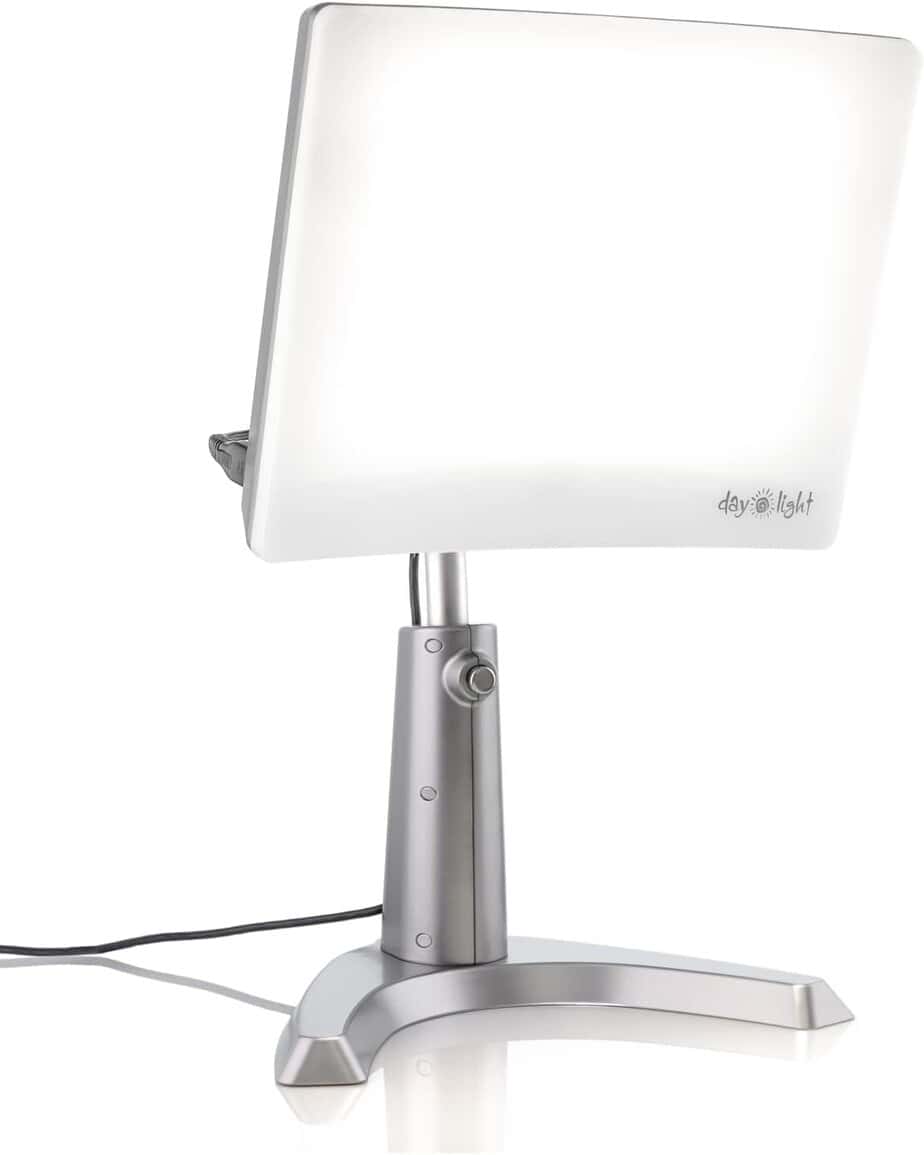
The Carex Day-Light Classic Plus also appears frequently in testing roundups. The Carex Day-Light Classic Plus is a larger, clinical-style light therapy lamp often recommended for stronger circadian light exposure. It is commonly used in seasonal affective disorder treatment as well as general circadian support.
Who Light Helps Most
Light tools tend to help people who:
- Struggle with harsh alarm clocks
- Have inconsistent wake times
- Experience delayed sleep schedules or winter circadian drift
Where Light Falls Short
Sunrise alarms improve mornings and reinforce routine. But they do not necessarily solve the nighttime problem if the nervous system remains activated.
Vibration and Tactile Sleep Aids
Some people relax more easily through physical sensation than through sound or mental techniques. Tactile sleep aids use vibration, compression, warmth, or gentle motion to provide a physical cue that helps the body relax. These tools also reduce the need to reach for a phone if you wake during the night.
What’s Popular in the US Right Now
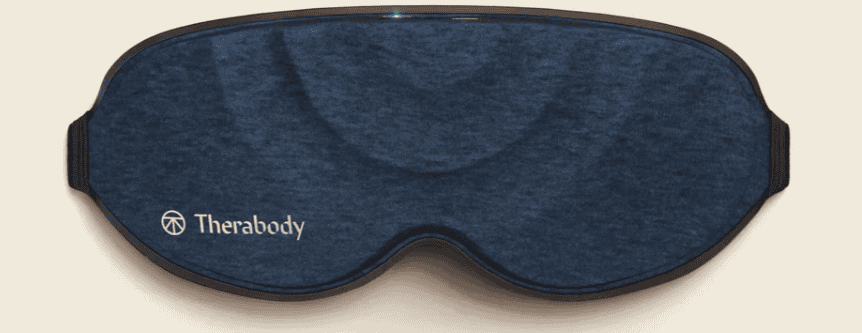
In this category, Therabody has become a visible brand in the sleep and recovery space. Therabody’s SleepMask is designed to promote relaxation before sleep.
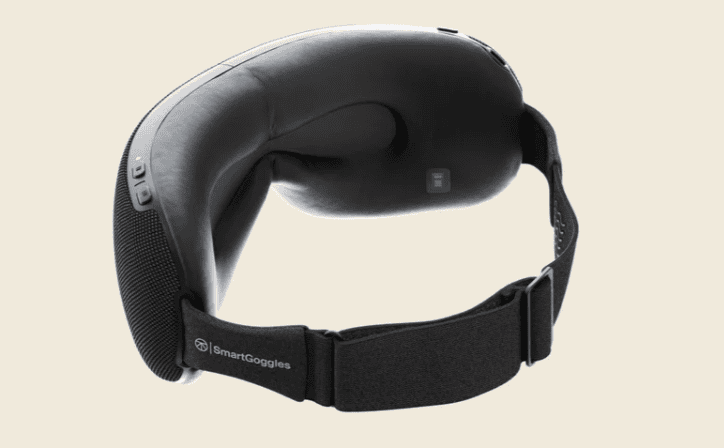
Similarly, the SmartGoggles 2nd Gen combines compression massage, heat, and vibration to help reduce tension before bed.
These products are best thought of as wind-down tools rather than direct sleep interventions. For some people they help shorten the time it takes to relax into sleep.
Who Tactile Tools Help Most
Tactile sleep aids often suit:
- People who feel physically restless at night
- People who dislike meditation apps or guided breathing
- People who wake and want a screen-free way to settle again
Where Tactile Tools Fall Short
If the sensation feels distracting or uncomfortable, the device is unlikely to help. Comfort and tolerability matter more than advanced features.
Neurostimulation Sleep Aids
Neurostimulation devices aim to influence the brain’s transition into sleep itself. Rather than masking environmental noise or reinforcing routines, these tools interact directly with the brain’s sleep center .
A technology that has long been used in neuroscience for an array of clinical and therapeutic functions, including sleep, is transcranial alternating current stimulation (tACS), which delivers a very small electrical current designed to interact with brainwave activity.
Somnee is a company that has brought this technology into a consumer grade headband designed to deliver personalized neurostimulation sessions before sleep. The system uses EEG sensors to monitor pre-sleep brain activity and deliver a short tACS session intended to support the brain’s transition into slower sleep rhythms.
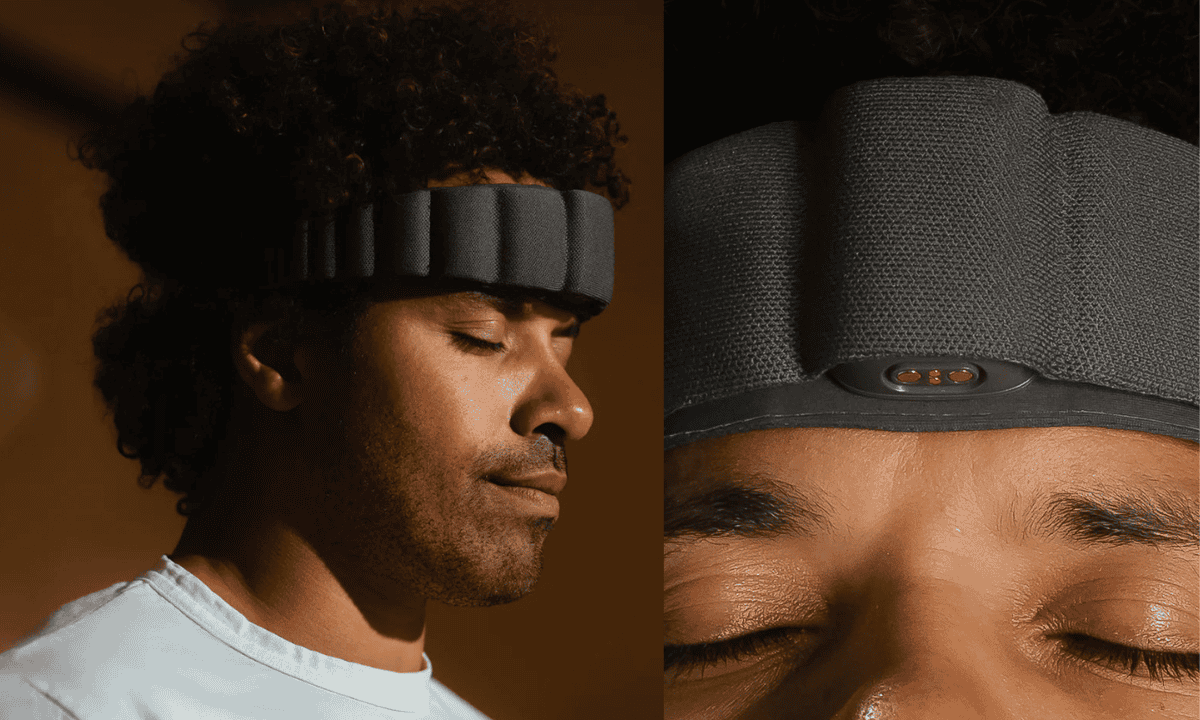
The company describes the system as a closed-loop approach, meaning stimulation is adjusted based on the user’s brain activity. Over time, the device collects data and gradually personalizes sessions as it learns the user’s sleep patterns. Rather than act as a one-night, low-efficacy solution, Somnee takes a week to build an AI model of your brain’s preferred sleep pathways and then personalizes the 15-minute neurostim sessions based on the user’s various unique brain states before bed over two weeks. .
The company’s Quick Start Guide outlines three stages:
Stage 1: Mapping (sessions 1–7)
Stage 2: Personalization (sessions 8–21)
Stage 3: Adaptation (ongoing adjustments)
After Somnee tunes itself to your unique brain rhythms, recommended use for ongoing maintenance is every two to three nights. Cofounder, neuroscientist, and Chief Science and Technology officer, Dr. Ram Gurumoorthy, explains it as keeping your brain’s momentum going, like intermittently pushing a child on a swing. If used less frequently, your brain will revert to suboptimal sleep patterns.
Somnee also includes a feature called DriftBack, which is intended to help people return to sleep if they wake during the night without needing to interact with a phone. The company frames the device as a drug-free option for supporting sleep.
This does not mean medications should be stopped without consulting a medical professional, particularly for people with diagnosed sleep disorders. It simply means the product is positioned for people who prefer to explore non-pharmaceutical approaches as part of their broader sleep strategy.
Matching Devices to Real Sleep Problems
Rather than searching for a single “best” device, it is often more helpful to match tools to the specific barrier affecting your sleep. If Your Sleep Is Disrupted by Noise, start with sound. Dedicated sound machines are simple, relatively inexpensive, and effective for masking environmental disturbances.
Sleep Foundation’s roundup offers a good overview of models and features.
If you want sound combined with guided routines, devices like Hatch Restore 3 frequently appear at the top of product lists.
If Your Mornings Feel Difficult or Your Schedule Drifts
Light tools may be the better choice. Sunrise alarms can create a gentler and more consistent wake experience. Tom’s Guide ranks Hatch Restore 3 as its top sunrise alarm clock, and WIRED highlights Casper Glow Light as a simpler alternative.
For stronger circadian support, light therapy lamps such as Verilux HappyLight are commonly recommended.
If Your Body Feels Restless Before Sleep
Tactile relaxation tools may help. Devices like the Therabody SleepMask and SmartGoggles provide physical cues such as warmth, compression, or vibration to support relaxation.
If You Have Tried the Basics and Still Feel Wired
This is where neurostimulation devices may become relevant. Somnee is positioned within this category as it combines EEG-based sensing, personalized tACS stimulation, and optional overnight sleep tracking.
A Note on Sleep Devices and “Trying Too Hard”
One challenge with modern sleep technology is that it can make sleep feel like something that must be optimized or performed.
This is especially true with wearable trackers that produce nightly sleep scores. Sleep researchers have described a phenomenon called orthosomnia, where anxiety about achieving “perfect sleep” can actually worsen sleep quality.
If a device makes you feel more stressed or self-critical about your sleep, it may not be the right tool for you. Some tools focus on supporting routine and relaxation. Others emphasize monitoring and optimization. The goal is to reduce friction around sleep rather than introduce another nightly task.
Quick Guide: Choosing the Right Category
- If your sleep problem is environmental noise, start with sound-based devices.
- If your sleep schedule drifts or mornings feel difficult, consider light-based tools.
- If your body feels physically restless before bed, tactile relaxation devices may help.
- If you have tried these approaches and still struggle to settle at night, neurostimulation tools such as Somnee may be worth exploring.
Electronic sleep aids can be helpful, but they work best when matched to the specific barrier affecting sleep. For many people, starting with the simplest tool that matches their sleep barrier, such as sound masking or a sunrise alarm, is the most practical approach.
If those strategies do not help, more advanced technologies such as neurostimulation may be worth exploring as part of a broader sleep strategy.