
- Charcoal vs. Silver-Infused Sheets - October 28, 2026
- The Best Alternatives to Electric Blankets for Every Budget - October 28, 2026
- Best Non-Toxic Crib Mattresses - October 26, 2026
With sleep widely considered a key determinant of health, it makes sense to do everything we can to promote the best rest possible. A central component of sleep hygiene is, of course, the quality of the materials that contact our skin. Namely, our sheets. If we want to uplevel our sleep experience, selecting high-quality sheets is an excellent place to start.
Join me as we explore the difference between charcoal- and silver-infused sheets and decide which might be the best choice to help you get that dreamy rest you’re after.
Charcoal-Infused Benefits
On the surface, the idea of charcoal in your sheets might sound like a practical joke. Charcoal, with its deep dark color and association with naughty children being snubbed by Santa, doesn’t exactly sound like a great ingredient for our bed linens. However, charcoal is actually a miraculous hygienic and porous substance with potent bacteria-inhibiting, moisture-wicking, odor-neutralizing, and sensitive-skin-protecting qualities.
Charcoal can absorb 3 to 4 times its weight in water, making it a great choice for hot sleepers who loathe waking up feeling clammy. The structure of charcoal also traps odors, helping sheets retain their freshness longer and saving some water by lowering washing frequency. In addition, the hypoallergenic and antimicrobial qualities inhibit bacteria, dust mites, mold, and other irritants, making it a good choice for people living with asthma.
To further sweeten the deal, the reduction of moisture and bacteria is protective of people prone to skin irritation and can reduce breakouts and eczema, particularly for side sleepers. And, last but not least, charcoal-infused sheets are often made from bamboo, are chemical-free and hypoallergenic, making them a good choice for those interested in a durable eco-friendly product.
Silver-Infused Benefits
Perhaps silver-infused sheets make you feel like you’re trying to fend off blood-sucking vampires like Dracula, but in reality, these sheets offer an array of surprising benefits. Similar to charcoal, silver has proven antimicrobial qualities, but in the case of silver, it works by disrupting the cellular processes of bacteria, viruses, and fungi, reducing odors and maintaining freshness longer than other sheets.
Silver also actively disperses heat in addition to wicking moisture, so these sheets provide a cooler, drier sleeping surface for hot sleepers. Furthermore, the antimicrobial qualities of silver help reduce breakouts and generally improve the skin health of those with sensitive skin. Finally, researchers have found that silver’s antimicrobial qualities seem to encourage a prolonged product lifespan for consumer products, something most of us can appreciate.
Is Silver or Charcoal Better for Sheets?
Well, like it or not, this depends on you and your priorities. If the properties you most desire are the antimicrobial action and odor control, then hands down silver-infused sheets are your best bet. Silver actually kills bacteria, while charcoal makes the environment less conducive to them. So, with silver, there should be a lower odor-causing bacterial load. This means it’s possible to go from weekly washing to 2-3 weeks between washings without trouble.
If, however, the main goal you harbor is moisture wicking, then the proven dehumidifying agency of charcoal makes the charcoal-infused sheets your winner. Charcoal has been shown to effectively draw moisture out of the environment, making it likely to reduce that unpleasant feeling of night sweats.
Charcoal-Infused
Best for: Moisture wicking for hot sleepers, especially those with sensitive skin. Also, very durable, long-lasting, and great for the sustainably minded.
Silver-Infused
Best for: Proven antimicrobial action, odor control, and potential water conservation (via reduced washings). Also, best for acne and bacteria-sensitive skin.
Best Sources for Your Sheets
As we all know, not all products are created equal. With this in mind, it helps to know what is tried and true to help avoid those companies that leave you with question marks. Let’s dig a little deeper.
For Charcoal-Infused Sheets
When looking through the many available options, I leaned into those that satisfied some of my core values: sustainability, quality, and verifiable reliability. With that in mind, I settled on the following options:
Ettitude
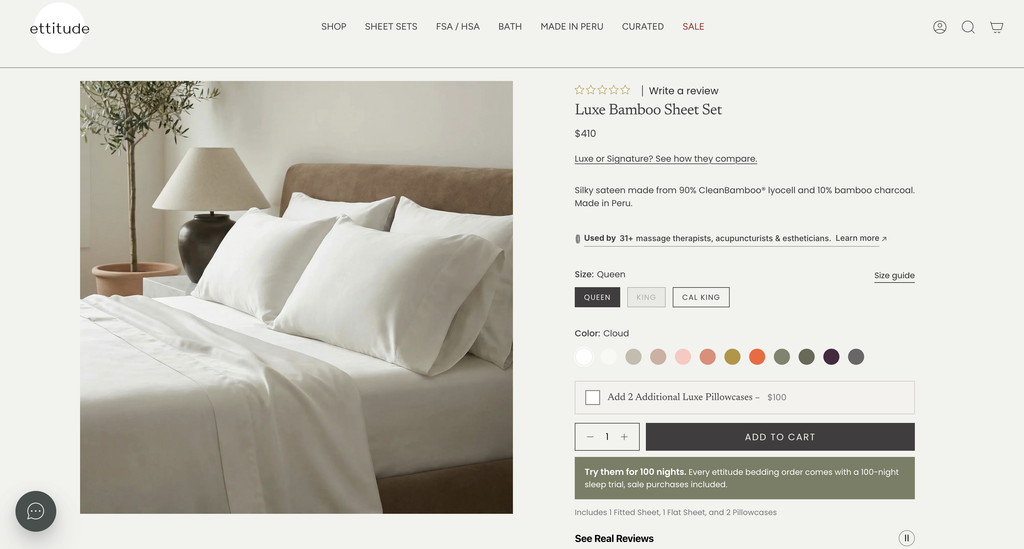
This company has it all when it comes to the above values. Their CleanBamboo® sheets are made from organic, bamboo charcoal-infused material in a food-safe facility, free of chemicals, with a fully traceable supply chain. They also have consistently positive reviews, though some consumers feel they don’t last as long as they should for their price point (upwards of $400). Still, if you’re willing and able to splurge, these sheets are a lovely luxury option.
QE Home
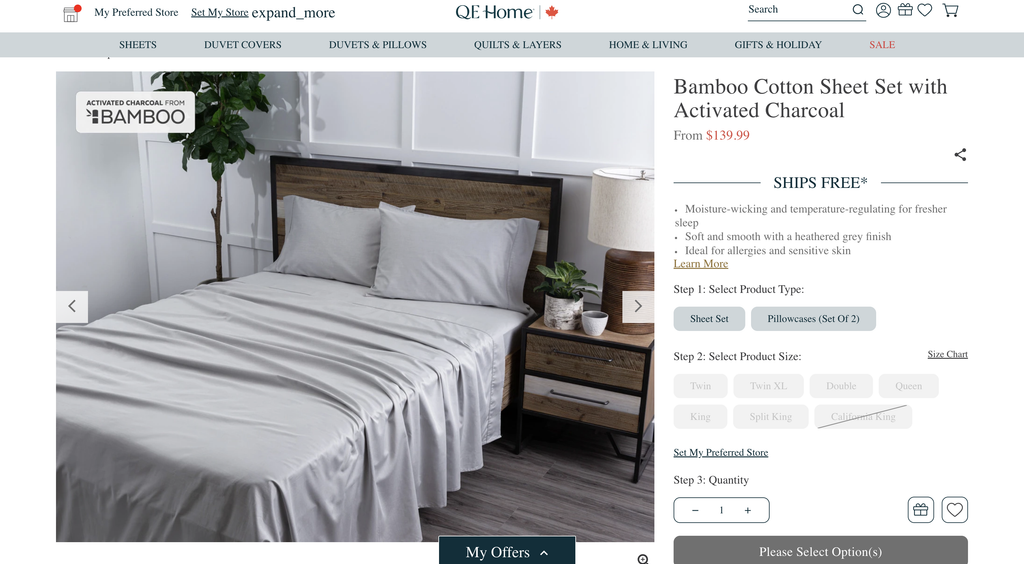
For those looking for a B-certified, sustainable, charcoal-infused sheet with a lower entry price (around $140), QE Home is a good option. Reviewers consistently give them high ratings, praising them for their softness, reduction in night sweats, and luxurious feel. Their sheets are made from a blend of 50% bamboo rayon, 25% bamboo, and 25% cotton, and are chemical-free, allergen-free, and OEKO-TEX® Certified.
For Silver-Infused Sheets
When examining silver-infused sheets, I followed the same guidelines as for the charcoal-infused sets. With those criteria, a few companies filtered to the top:
Ground Bam
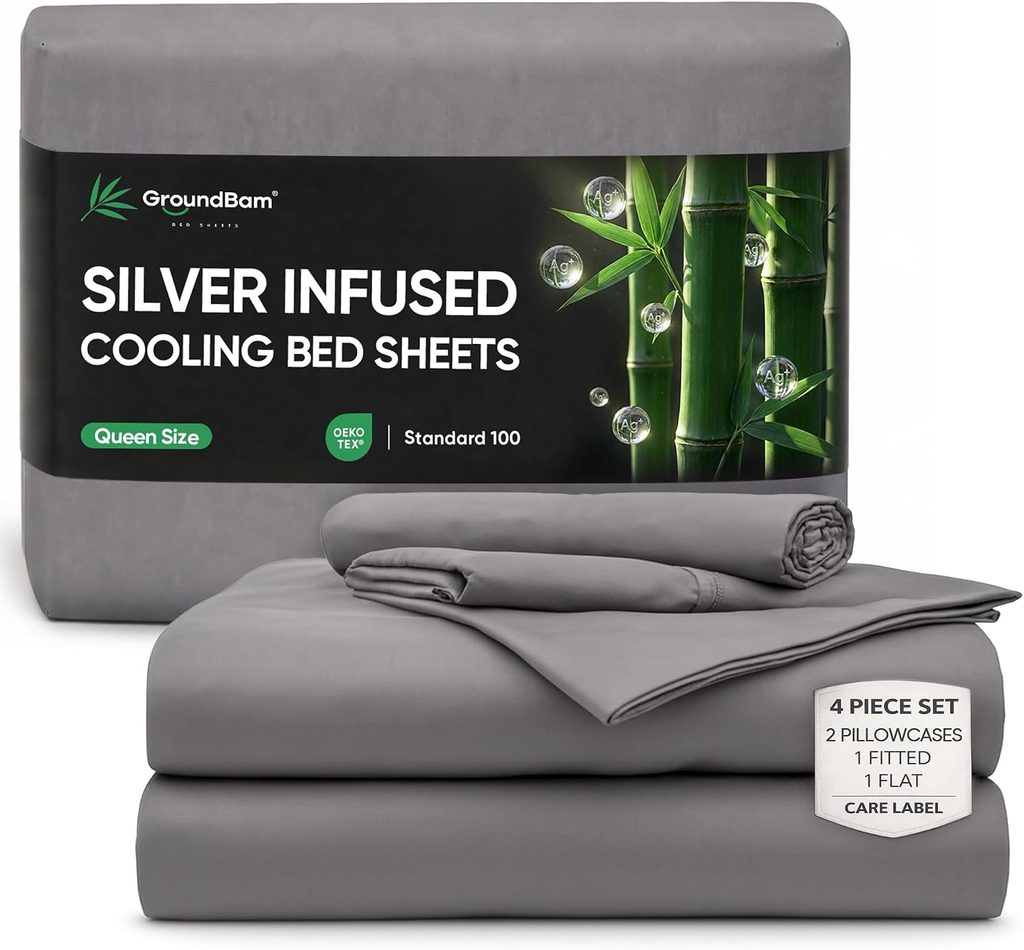
Made from 100% bamboo viscose, Ground Bam’s sheets are OEKO-TEX® Certified and have high user ratings. They’re also more affordable, at around $80. In addition, they’re easy to source through outlets like Amazon. Users praise them for being eco-friendly, soft, and reliable at regulating temperature.
Miracle Brand
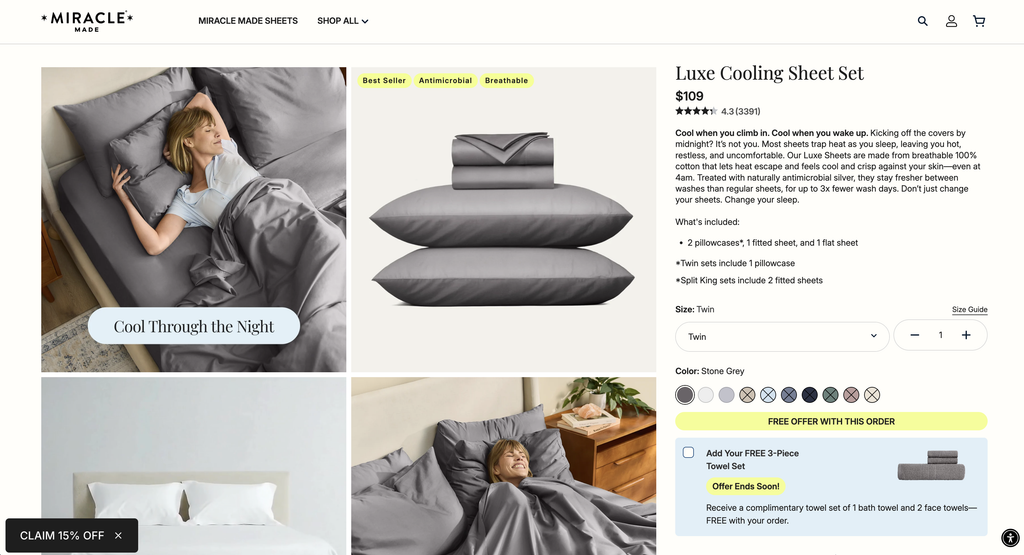
For some, bamboo feels artificially satiny to the touch. With this in mind, Miracle Brand’s 100% cotton charcoal-infused sheets are an attractive option. Their OEKO-TEX® certified cotton allows you to rest easy knowing that you’re enjoying a chemical-free sleep experience. In addition, they enjoy favorable reviews, are readily available, and are celebrated for their coolness, softness, and reduction of odors. They’re also on the more affordable end, starting at $109 for twin sizes up to $169 for split king.
The Takeaway
Both charcoal-infused and silver-infused sheets promote cooler sleep with their moisture-wicking properties. In addition, they are both naturally antimicrobial, good for sensitive skin, and chemical-free.
However, if your top priorities are moisture-wicking, durability, and sustainability, charcoal-infused sheets are the way to go. If instead, your main goals are saving water, odor control, and proven antimicrobial action, silver-infused sheets are the superior option.
If pressed, I would say Ettitude is the clear winner in the charcoal-infused category for a luxury bamboo selection with solid quality assurance.
In the silver-infused lineup, I like Miracle Brand for their 100% cotton sheets, accessibility, and affordability.
Regardless, both types seem likely to elevate your sleep experience. In fact, life goals might include a set of each!
FAQ
Experts say you should wash sheets weekly. However, charcoal-infused sheets can often go an additional several days to a week, and silver-infused sheets can go up to three weeks. If you have pets in your bed, sweat a lot, or have a skin condition, 10 days should be the maximum time between washings.
Yes, but to preserve fabric integrity, avoid bleach, use mild detergents, and iron and dry on low heat.
2-5 years with proper maintenance. The antimicrobial properties often endure through 50+ washes with gentle detergents and low heat.
On average, cotton sheets last 4-6 years and bamboo sheets last 2-3 years.
Experts state that silver-infused sheets are safe for regular use with negligible risk of toxicity from silver nanoparticles, particularly when the silver is embedded in the fibers rather than coated.
Yes. Charcoal is non-toxic and safe.
In the majority of cases, no. Silver allergies are rare.
No. Activated charcoal is odorless.
Reducing bacterial build-up on sheets can potentially assist in clearer skin, though it isn’t a replacement for medical care.
Studies show that 99.7% of bacteria are killed by silver in the laboratory setting. However, real-world results will vary by individual use and hygiene.
Yes. Bacteria are responsible for the majority of odors, and silver is effective at reducing their presence.
No, but charcoal creates an inhospitable environment for bacteria. Studies show a 41-63% decrease in bacterial load when charcoal is present.
Yes. Some biochar infusions have demonstrated a 96% reduction in odor-causing compounds.
Sources:
- “How Sleep Works – Why Is Sleep Important? | NHLBI, NIH.” National Heart, Lung, and Blood Institute (NHLBI), https://www.nhlbi.nih.gov/health/sleep/why-sleep-important. Accessed 15 October 2026.
- Anees Ahmad, S., Sachi Das, S., Khatoon, A., Tahir Ansari, M., Afzal, M., Saquib Hasnain, M., & Kumar Nayak, A. (2020). Bactericidal activity of silver nanoparticles: A mechanistic review. Materials Science for Energy Technologies, 3, 756-769. https://doi.org/10.1016/j.mset.2020.09.002
- Matsumoto, Hiroshi & Yokogoshi, Midori & Nabeshima, Yuki. (2017). Effects of moisture controlled charcoal on indoor thermal and air environments. AIP Conference Proceedings. 1892. 160003. 10.1063/1.5005770. https://www.researchgate.net/publication/320445409_Effects_of_moisture_controlled_charcoal_on_indoor_thermal_and_air_environments
- Jonathan Tersur Orasugh, Lesego Tabea Temane, Sreejarani Kesavan Pillai, Suprakas Sinha Ray; Advancements in Antimicrobial Textiles: Fabrication, Mechanisms of Action, and Applications. ACS Omega 8 April 2025; 10 (13): 12772–12816. https://doi.org/10.1021/acsomega.4c11356
- Mohamed, D. S., Abd El-Baky, R. M., Sandle, T., Mandour, S. A., & Ahmed, E. F. (2020). Antimicrobial Activity of Silver-Treated Bacteria against Other Multi-Drug Resistant Pathogens in Their Environment. Antibiotics, 9(4), 181. https://doi.org/10.3390/antibiotics9040181
- “How Often Should You Wash Your Sheets?” Cleveland Clinic Health Essentials, https://health.clevelandclinic.org/how-often-should-you-wash-your-bed-sheets. Accessed 21 October 2026.