
- Charcoal vs. Silver-Infused Sheets - October 28, 2026
- The Best Alternatives to Electric Blankets for Every Budget - October 28, 2026
- Best Non-Toxic Crib Mattresses - October 26, 2026
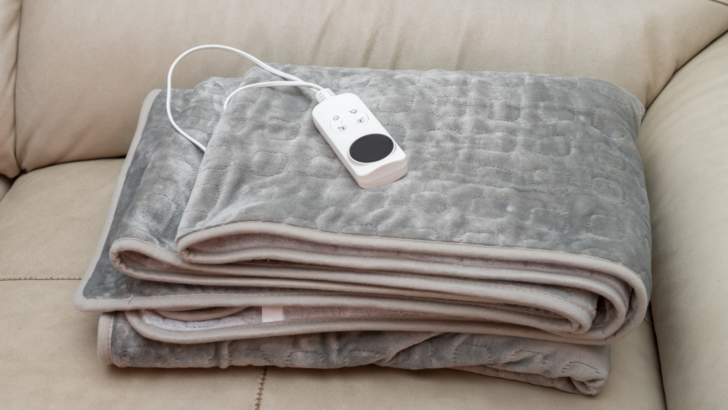
Cold feet, a chilly bedroom, or one partner who is always pulling the covers back can make bedtime feel like a nightly thermostat negotiation instead of that cozy tucked in feel we want as we lay our heads down for that much desired sleep. An electric blanket is one familiar fix, but it is not the only way to get a warmer, more comfortable bed.
Options range from a pair of flannel sheets or a hot water bottle to a heated mattress pad and a full bed climate system that can warm or cool each sleeper separately.
The right choice depends on what you want to change. Here is how the main alternatives compare, from simple fixes to premium sleep technology.
Electric Blanket Alternatives Compared: Cost, Features, and Top Brands
| Option | Best for | Typical cost | Heats or cools? | Needs power? | Brand to try |
| Flannel sheets and a warmer comforter | Passive warmth without cords or controls | About $30 to $250 | Holds in body heat | No | Pinzon Flannel Sheet Set |
| Hot water bottle or microwaveable heat pack | Warming cold feet or a small area before sleep | About $10 to $40 | Warms, but fades over time | No | Fashy Hot Water Bottle with Cover |
| Heated mattress pad | A prewarmed bed with simple controls | Roughly $50 to $150 | Warms | Yes | Sunbeam Heated Mattress Pad |
| Water based temperature control pad | Active temperature control | From several hundred dollars | Cools, and some models also warm | Yes | Chilipad |
| Bedside air system | Quick warming or cooling | Around $500 to $700 | Warms and cools | Yes | BedJet |
| Smart temperature control cover | People who track their sleep and health | Around $2,000 to $3,000, plus a subscription | Warms and cools | Yes | Eight Sleep Pod 6 |
Flannel sheets and a warmer comforter: the simplest upgrade
Best for: Anyone who wants passive warmth without cords or controls.
Typical cost: About $30 to $250, depending on size and materials.
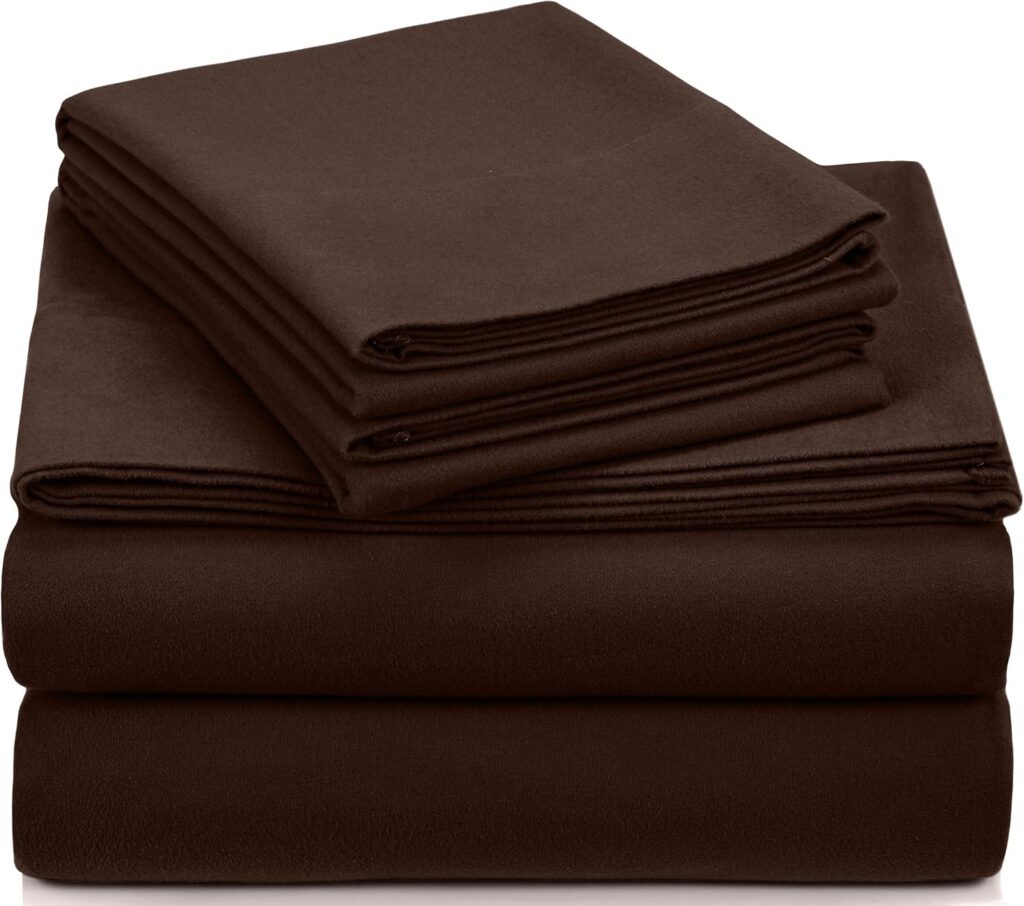
A brushed flannel sheet set can feel warmer when you first get into bed than crisp percale or lightweight cotton, and you can add a wool blanket, down comforter, or down alternative duvet if you need more insulation. These layers do not create heat, but they help hold the warmth your body already produces. That makes them a straightforward place to start if your room is cool but your temperature stays fairly steady overnight.
In many cases, a flannel fitted sheet and a washable fleece throw may be enough. Pinzon, Amazon’s own bedding brand, makes a well-reviewed flannel sheet set that’s a good place to start. If you tend to overheat, choose layers that are easy to remove rather than one very heavy comforter, and check care labels if you prefer machine washable bedding or share your bed with pets.
A hot water bottle or microwaveable heat pack: warmth where you need it
Best for: Warming cold feet or a small area before sleep.
Typical cost: About $10 to $40.
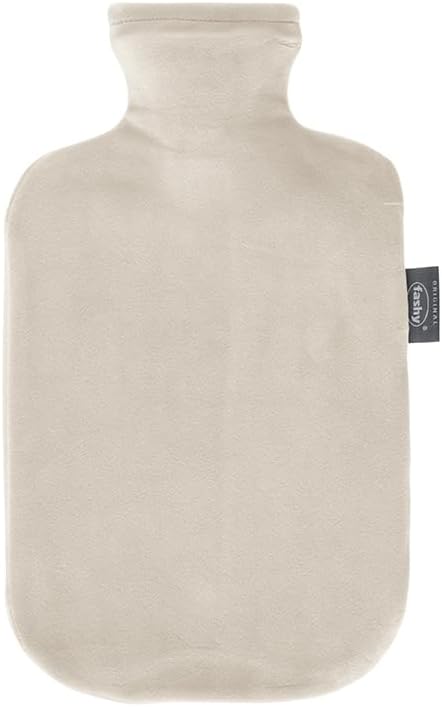
A hot water bottle tucked near your feet can make a cold bed more inviting without heating the entire mattress. Fashy, a German brand sold on Amazon, makes hot water bottles with soft, washable fleece covers. Even a simple microwaveable grain or rice pack offers a similar spot warming effect. Both are inexpensive and portable. They are best for warming the bed before you get in but their heat will fade over time.
Just remember to follow the product’s instructions carefully. With a hot water bottle, make sure you always check the bottle and cover, avoid overfilling, and use hot rather than freshly boiling water. Similarly, a microwaveable pack should be heated only for the stated time and checked for hot spots before use. Do not place a hot pack directly against bare skin for long periods, and do not use a hot water bottle at the same time as an electric blanket.
For longer lasting warmth, consider layers or a mattress pad.
A heated mattress pad: an affordable electric alternative
Best for: People who want a prewarmed bed and simple controls.
Typical cost: Roughly $50 to $150 depending on size.
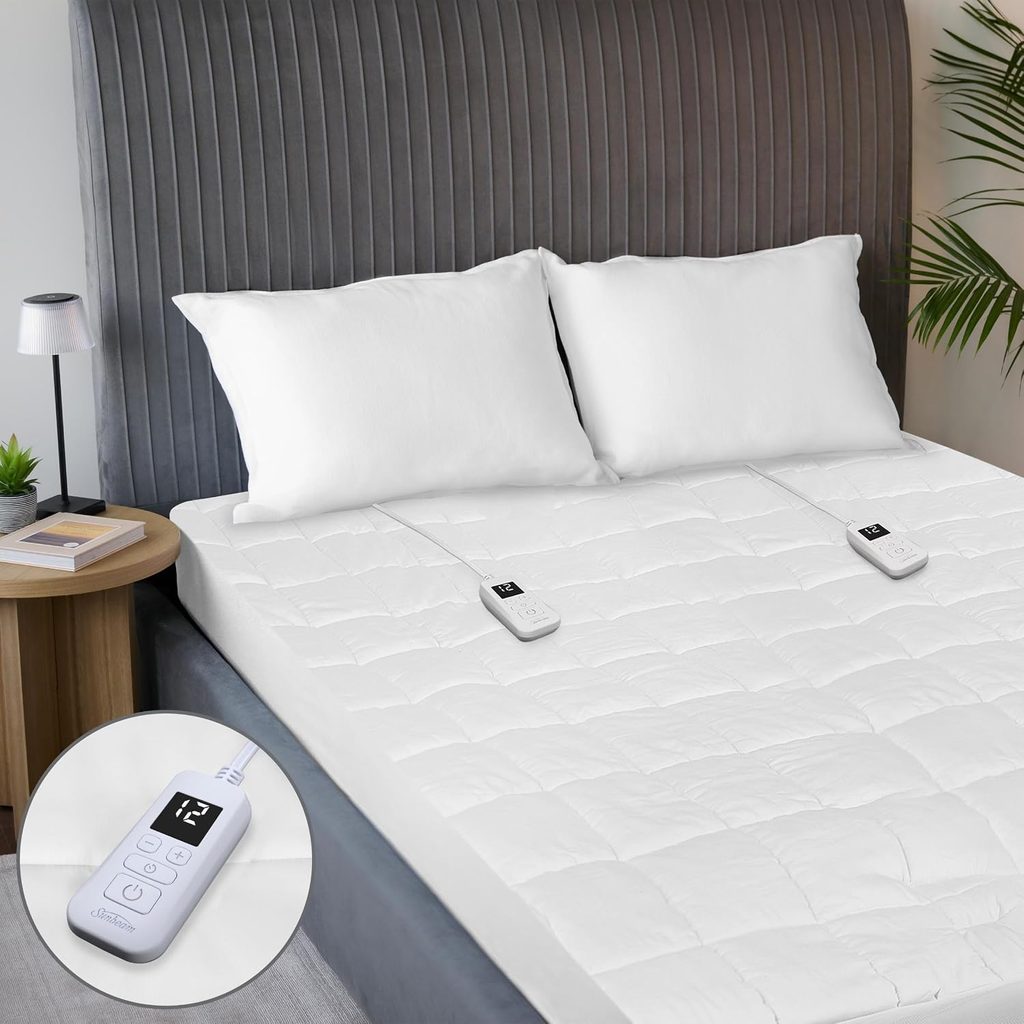
A heated mattress pad sits on top of the mattress, beneath the fitted sheet, and warms from below. Many size models offer several heat settings, an automatic shutoff, and dual controls on queen and king sizes. Sunbeam’s current heated mattress pad, for example, lists dual controllers, 10 heat settings, a preheat feature, a 10-hour auto-off, and machine washable construction. Features vary by model, so confirm the details for the exact size you are buying.
This option is a practical middle ground. It costs far less than a climate system and can preheat the bed, with dual controls on some models.
A mattress pad is still an electrical heating product, so follow its manual. Lay it flat, check for damage, keep it dry, and confirm compatibility with your mattress, topper, or adjustable base. If you have reduced sensation or circulation, ask a health professional before using heated bedding.
A water based temperature control pad: warmth and cooling without a heated throw
Best for: Sleepers who want active temperature control but do not need extensive health tracking or bed adjustments.
Typical Cost: From several hundred dollars, depending on the system and size.

A water based system circulates temperature controlled water through channels in a mattress cover or pad. The control unit sits beside or beneath the bed, while the sleep surface is designed to provide warmth or cooling. This is a different setup from an electric blanket, but it is still an active system with powered equipment.
Chilipad, for example, is among the options in this category. Its current product lineup includes simpler water cooled mattress pads with manual controls and a more limited temperature range than its smart systems. Compare the exact model and whether it offers heating as well as cooling before buying. The specific model and capabilities can vary across product generations. A water based pad may suit someone who wants a cooler bed in summer and a warmer one in winter but does not need automatic adjustments or the extra features.
Before you buy anything, double check how the pad attaches to your mattress. Some use elastic straps or a fitted skirt, and if the fit is loose, the pad can shift or bunch up while you sleep. It also helps to know whether each side of the bed can be controlled separately, since you and a partner may not like the same temperature. Also look at how much floor or bedside space the unit needs, because some systems have a control box or water tank that sits next to the bed and can get in the way in a small room.
Bedside air systems: quick warming and cooling under the covers
Best for: People who want quick warming or cooling and are open to an air based system.
Typical Cost: Around $500 to $700 for a single zone unit at regular pricing. Dual zone bundles will have a higher tier pricing.


An air based system sits beside the bed and blows warm or cool air into your bedding through a hose. It can warm, cool, or dry the sleep space, and it can heat up or cool down faster than many other options. Unlike a heated mattress pad, it does not heat through wires spread across the mattress. Instead, it directs conditioned air into the bedding, so it feels different from a water based pad or a regular electric blanket.
BedJet is a great example of this type of system. The company works with different mattresses, bed frames, and your existing bedding. It also sells an optional Cloud Sheet that replaces your top sheet and spreads the air more evenly, along with a dual zone version for couples who want each side set to a different temperature.
One thing to consider is that the unit needs space beside the bed, along with room for the air hose. BedJet costs more than a hot water bottle or basic heating pad but is generally more affordable than a full smart climate system. It’s a great step up for sleepers who want customizable heating and cooling with simple controls.
Best for: Couples with different temperature preferences, or sleepers who want active heating and cooling in one connected system.
Typical cost: Around $2,000 to $3,000 for the system, depending on the brand and model.
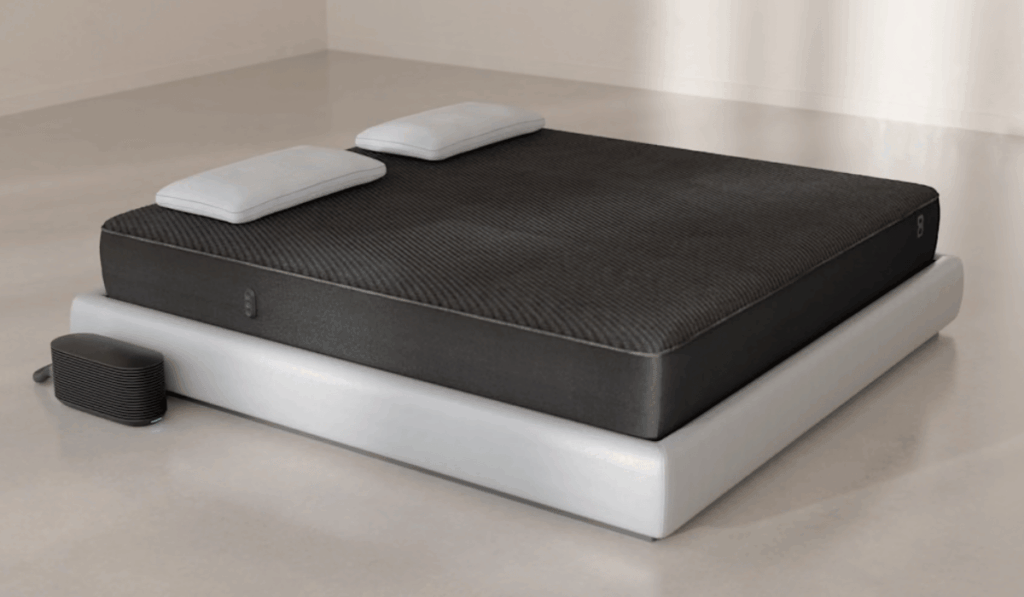
A smart temperature control cover goes over your existing mattress and connects to a small hub that sits beside or under the bed. The hub moves temperature controlled water through the cover to warm or cool you, and on most two-sided models, each side can be set separately. Unlike a regular electric blanket, these systems can cool as well as heat, so they’re useful in warm weather as well as winter.
Eight Sleep’s Pod 6 is the premium pick in this guide. It’s made up of a mattress cover and a Hub. The cover fits over your mattress like a regular fitted sheet, and the Hub has a low-profile design that’s about half the size of earlier models, so it can tuck beside the bed or under most bed frames. You’ll also need an Autopilot plan, which is Eight Sleep’s app subscription. It starts at $199 per year and tracks your heart rate, breathing, and sleep stages, and adjusts the temperature for you throughout the night.
How to choose the right electric blanket alternative
Start by identifying the changes you want to make to your sleep environment:
- Your bedroom is cold and you rarely overheat: Warmer sheets, socks, and an extra blanket may be enough.
- Your bed feels cold only when you first climb in: A hot water bottle or heated pad can prewarm it.
- You and a partner need different temperatures: Look for genuinely separate zones.
- You switch between feeling too warm and too cold: Prioritize a system that can both heat and cool rather than buying for winter alone.
Next, decide how far you want to take it and how much the improvement will affect your life. That should help you narrow down whether you want a small change or a bigger one.
Then compare the overall cost and setup. Temperature regulating bedding is usually the most affordable option, with no controls or subscriptions to set up. A heated pad costs a bit more upfront and uses electricity to provide warmth, while a smart climate system offers more personalized temperature control and flexibility but may involve a subscription, accessories, and maintenance.
No electric bedding product should be treated as automatically risk free. For any heated product, inspect it for damage, use it only as directed, and check current recall notices. The Electrical Safety Foundation International advises replacing worn or old electric blankets and heating pads and not plugging them into extension cords or power strips.
The takeaway
There is no single best electric blanket alternative for every sleeper. Flannel and layered bedding are the simplest starting point. A hot water bottle or microwaveable pack adds targeted warmth. A heated mattress pad offers an affordable controllable preheat option. BedJet and water based pads add active temperature management, while Eight Sleep’s Pod 6 stands out at the premium end for a dual sided heating and cooling system. Choose the level of control you will actually use, then check the fit, full cost, and safety instructions before bringing it home.
Ultimately, the right choice comes down to finding a solution that fits your sleep preferences, your budget, and the level of comfort you want to enjoy night after night.